
Bridgestone vs Sumitomo Tires: Which Is Actually Better?

As a former tire shop tech, I have mounted hundreds of these tires. Bridgestone vs Sumitomo tires is a battle of premium versus budget. Bridgestone wins the fight for pure grip, comfort, and long life. But Sumitomo is the smart pick to save cash without losing basic safety.
Bridgestone asks for top dollar and gives you top tech. Sumitomo gives you great rubber for a lot less money. I have tested both on long road trips and wet city streets. Let us see which tire fits your ride the best.
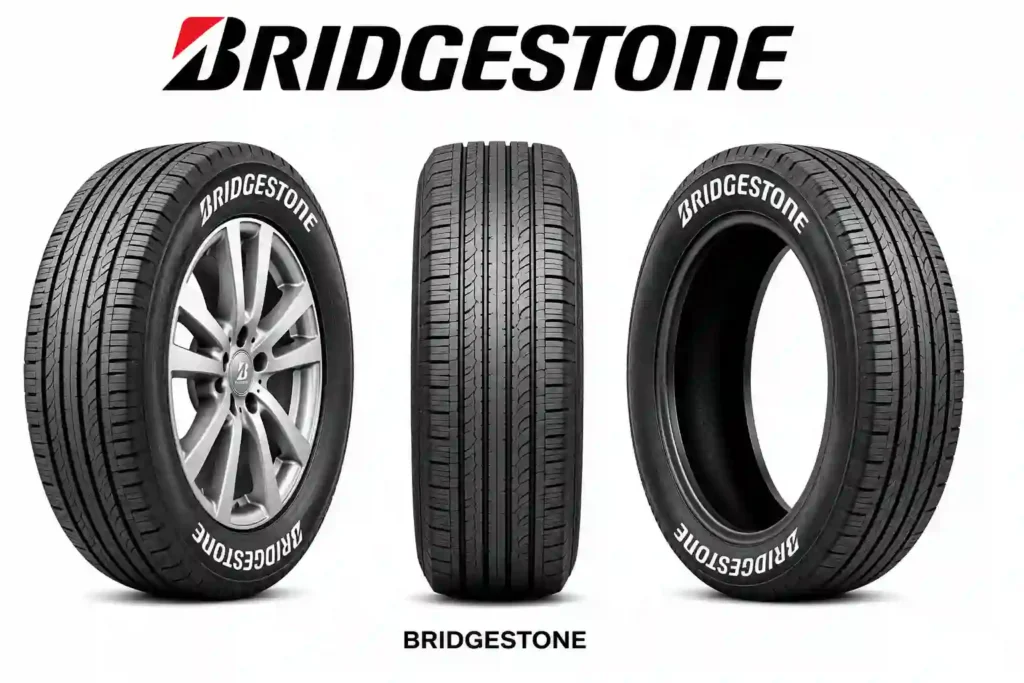
Quick Brand Overview and Spec Comparison
Both brands come from Japan, but they aim at totally different drivers. Bridgestone is a global giant in the tire world. Sumitomo makes very good budget tires for daily use.
Here is a quick look at how their main tire types match up.
| Feature | Bridgestone Tires | Sumitomo Tires |
| Price Level | Premium High | Budget to Mid |
| Tread Life | Very Long Life | Good Life |
| Ride Comfort | Soft and Quiet | A Bit Stiff |
| Best For | Luxury and Sport | Daily Commutes |
| UTQG Rating | Up to 800 | Up to 700 |
This table shows the clear gap in price and goals. Bridgestone aims for the best feel and high tech. Sumitomo keeps things simple to keep the price down.
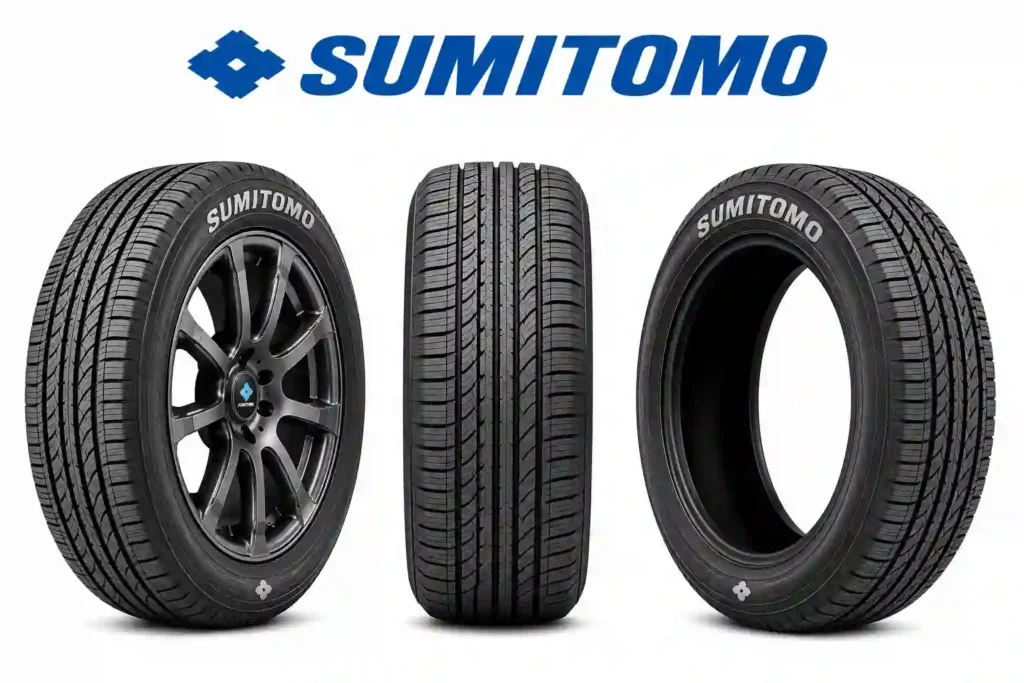
Brand Reputation and Market Positioning
Bridgestone is known worldwide for safety and high speed. They sell premium tires for fast sports cars and big trucks. People trust them when the weather gets bad and roads get slick.
Sumitomo is a hidden gem in the tire shop. They make the popular Falken brand, too. Drivers buy them when they want a safe ride for less money.
“You always get what you pay for with Bridgestone, but Sumitomo gives you the best bang for your buck.” – A rule of thumb from my years at the tire shop.
Most tire guys know that Sumitomo is a safe bet. They do not blow out easily and they hold air well. Bridgestone is just a step above in every single way.
Comparing the Overall Tire Lineups
Bridgestone has a huge line of tires for every single need. They have the Potenza for racing and Dueler for big trucks. They even make great tires for electric cars now.
Sumitomo keeps their list small and easy to read. Their HTR line is for cars, and Encounter is for trucks. This makes picking a tire very easy for a normal person.
Who Should Avoid Bridgestone Tires?
Skip Bridgestone if you drive a cheap car or plan to sell it soon. The high cost does not make sense for short-term use. You will lose money if you do not drive often.
Who Should Avoid Sumitomo Tires?
Do not buy Sumitomo if you drive very fast on a race track. They also struggle in deep winter snow compared to top brands. Heavy duty trucks need a stronger tire than they offer.
Dry Performance Across Popular Models
Dry roads show the real strength of a rubber tire. Grip on warm streets helps you stop fast and turn sharp. A good tire makes driving fun and very safe.
I once drove a car with Bridgestone Potenza tires on a dry track. The car stuck to the road like warm glue. Sumitomo HTR tires feel good, but they slide a bit sooner on hard turns.
| Dry Road Test | Bridgestone Potenza | Sumitomo HTR Z5 |
| Fast Turns | 9 out of 10 | 7 out of 10 |
| Hard Braking | Very Short Stop | Average Stop |
| Steering Feel | Quick | A Bit Numb |
| Heat Use | Stays Cool | Gets Warm |
| Highway Drive | Very Stable | Good |
Bridgestone clearly wins when the road is dry and hot. They use softer rubber that grabs the street well. Sumitomo is safe, but it is not built for race cars.
Wet Performance and Hydroplaning Tech
Real-World Wet Driving Scenarios
Hydroplaning is when a tire floats on a puddle and loses grip. You must have deep grooves, called siping, to push water away. This keeps your car glued to the street.
Bridgestone uses deep grooves to slice right through heavy rain. When I drove them in a bad storm, I felt totally safe. Sumitomo does well in light rain, but deep puddles can make them slip.
| Wet Weather Test | Bridgestone Turanza | Sumitomo Enhance |
| Wet Grip | 9 out of 10 | 7 out of 10 |
| Water Push | Very High | Good |
| Slipping Risk | Very Low | Mid to Low |
| Soft Rubber | Stays Soft | Gets a Bit Hard |
| Wet Braking | Stops Fast | Slips a Bit |
This chart shows why Bridgestone costs more. Their rain tech stops you from spinning out in a storm. Sumitomo works fine for normal city rain but struggles in huge storms.
Winter Performance and Snow Capabilities
The Why It Won Justification for Snow
Bridgestone makes the Blizzak, which is a king in the snow. They use a special rubber that stays soft in freezing cold. This lets the tire bite into ice.
Sumitomo makes the Ice Edge for cold days. It is a good tire, but it cannot beat the Blizzak on sheer ice. Bridgestone wins because their rubber grips ice like harsh sandpaper.
Comfort, Road Noise, and Ride Quality
Noise and Ride Comfort (NVH)
NVH means Noise, Vibration, and Harshness. It is how you feel every bump and hear the road hum. A stiff sidewall makes the ride feel very rough.
Bridgestone puts extra foam inside their best tires. This makes the ride silent and smooth. Sumitomo tires have stiffer walls, so you feel big bumps.
| Comfort Area | Bridgestone Tires | Sumitomo Tires |
| Road Noise | Very Quiet | Loud at Speed |
| Bump Feel | Soft and Smooth | Firm |
| Tire Hum | Almost None | Noticeable |
| City Driving | Perfect | Good |
| Long Trips | No Fatigue | Slight Fatigue |
A quiet car makes a long trip much better. Bridgestone is the top choice if you hate road noise. Sumitomo will save you cash, but you will hear the road hum more.
Tread Life and Overall Rubber Durability
Tread Life and Value Analysis
UTQG is a score that tells you how long a tire will last. A higher UTQG number means it wears down slower. You want a high score for daily driving.
Bridgestone makes tires that can last up to 80,000 miles. Sumitomo tires usually last around 60,000 miles. You replace Sumitomo more often, which eats up the cash you saved at first.
| Tread Details | Bridgestone Tires | Sumitomo Tires |
| UTQG Score | 500 to 800 | 400 to 700 |
| Warranty Limit | Up to 80k Miles | Up to 65k Miles |
| Rubber Wear | Slow | Average |
| Cost to Run | High at First | Low at First |
| Value Score | 8 out of 10 | 8 out of 10 |
The warranty numbers show a big gap in life span. Bridgestone will stay on your car for years. Sumitomo wears down faster if you drive on rough, bad roads a lot.
Proprietary Tire Technology Explained
Bridgestone has DriveGuard, which lets you drive on a flat tire. They also use special soft rubber to grab wet streets. This tech took years to perfect in their labs.
Sumitomo uses standard silica rubber. Silica is an additive that helps the tire grip wet roads. Their tech is basic, but it works well for the low price point.
H2: Comparing Warranties and Customer Guarantees
A good warranty gives you real peace of mind. Bridgestone gives long tread pledges and a great trial period. You can test them and bring them back if you hate them.
Sumitomo gives a good warranty for a cheap tire. They will replace a bad tire, but they offer no free trial run. You must keep them once you pay and drive off.
Price and Overall Value Breakdown
Price is where Sumitomo shines bright. You can often buy four Sumitomo tires for the price of two Bridgestone tires. This saves you hundreds of dollars upfront.
But remember, Bridgestone lasts longer. If you keep your car for five years, Bridgestone is cheaper in the end. Sumitomo is better if you just need fresh rubber today.
| Value Points | Bridgestone Tires | Sumitomo Tires |
| Upfront Cost | Very High | Very Low |
| Daily Value | Good | Great |
| Resale Value | High | Low |
| Flat Risk | Low | Medium |
| Best Buyer | Rich Buyers | Budget Drivers |
Value is not just about the very first price tag. Bridgestone pays off over a long time of driving. Sumitomo is a fast fix for a tight wallet.
The Absolute Best Tire From Each Brand
For Bridgestone, the Turanza QuietTrack is simply amazing. It is silent, safe in heavy rain, and lasts forever. It is the best daily tire they make right now.
For Sumitomo, the HTR A/S P03 is the real star. It handles well and costs very little at the shop. It is great for a teen driver or an older daily car.
Which Tire Brand Is Better for Your Needs?
If you have a luxury car or a fast sports car, buy Bridgestone. The high cost gives you top safety, zero noise, and great grip. You will feel the difference on every single turn.
If you drive an old car to work, buy Sumitomo. They give you a safe, solid drive for a very low price. There is no need to spend big cash on a daily beater.
Final Verdict: The Best Brand Choice
In the battle of Bridgestone vs Sumitomo tires, Bridgestone wins overall. Their wet grip, smooth ride, and long life simply crush the budget option. They are a much better tire in every test.
However, Sumitomo wins the strict budget war. Check your car’s door placard for the right tire size right now. Then, go measure your tread depth and buy the winning tire today.
FAQ for bridgestone vs sumitomo tires
Are Sumitomo tires good for winter?
Sumitomo makes decent winter tires, but they do not grip deep ice well. They work fine for light snow.
Does Bridgestone last longer?
Yes, Bridgestone tires use better rubber and have higher UTQG scores. They usually outlast Sumitomo by thousands of miles.
Which brand is quieter?
Bridgestone is much quieter. They use internal foam and soft sidewalls to block loud road noise from reaching your ears.
Is Sumitomo made by Falken?
Sumitomo Rubber makes both Sumitomo and Falken tires. They are built with similar tech in the exact same factories.
