
Bridgestone Ecopia vs Michelin CrossClimate 2: Which Is Actually Better?

I have mounted thousands of tires in my shop over the past fifteen years. When drivers ask me about the Bridgestone Ecopia vs Michelin CrossClimate 2, I give them a direct answer. The Michelin is the clear winner for bad weather and overall safety. The Bridgestone only wins if your main goal is saving gas money on a dry commute.
The choice between these two tires comes down to your daily drive and local weather. One tire focuses on pure fuel savings to keep money in your pocket. The other tire is built to conquer deep puddles and thick snow.
We need to look closely at how each tire handles the real world. I will break down how they stop, turn, and ride on the highway. This guide will help you buy the right rubber for your car.
Quick Side-by-Side Spec Comparison
Before we dive deep into the track tests, we need to look at the hard facts. This chart shows the main design details for both of these popular tires.
| Feature | Bridgestone Ecopia | Michelin CrossClimate 2 |
| Main Goal | Save gas money | Safe in all weather |
| Snow Rating | Basic all-season | 3-Peak Mountain Snowflake |
| Tread Design | Straight ribs | V-shape pattern |
| Price Range | Medium cost | High cost |
You can see a big difference in their core focus right away. The Michelin gives you a special winter rating for severe snow. The Bridgestone sticks to a basic design meant for clear, sunny days.
Complete Overview of Both Tire Models
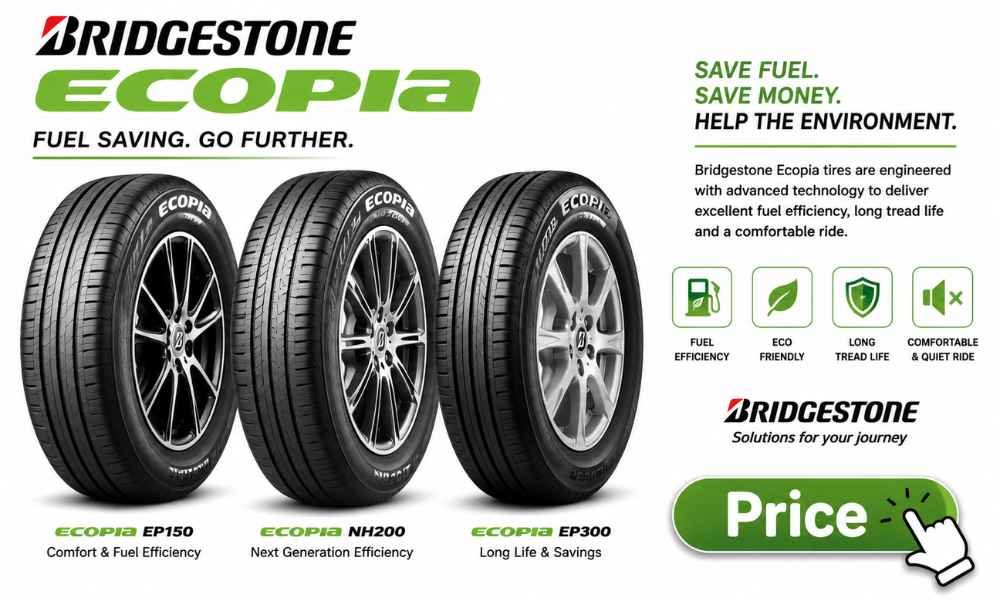
The Bridgestone Ecopia is made to roll easily down the open highway. It has low rolling resistance, which means your car engine works a lot less. This design keeps your fuel tank full for a much longer time.
Who Should Avoid the Ecopia
You should skip the Ecopia if you live in a rainy or snowy state. It just does not have the deep tread blocks needed to bite into thick snow. It is strictly meant for mild climates and flat, dry roads.
Who Should Avoid the CrossClimate 2
Do not buy the Michelin if you want to get the highest miles per gallon possible. The aggressive tread grips the road very tight, which uses a little more gas. It is also quite expensive to buy upfront at the tire shop.
Dry Road Performance and Daily Handling
On a bright and sunny day, both of these tires will get you to work safely. However, they feel very different when you sit behind the steering wheel. The Michelin feels sharp, while the Bridgestone feels a bit soft in the corners.
Real-World Dry Driving Scenarios
When I put the CrossClimate 2 on my own daily driver, I noticed instant changes. The car turns exactly when you move the steering wheel. The Ecopia takes a split second longer to react when you switch lanes fast.
Here is how both tires score when driving on dry pavement.
| Dry Test | Bridgestone Ecopia | Michelin CrossClimate 2 |
| Dry Braking | 7 out of 10 | 9 out of 10 |
| Corner Grip | 7 out of 10 | 9 out of 10 |
| Steering Feel | 6 out of 10 | 8 out of 10 |
The Michelin easily wins this dry test because of its special rubber mix. It sticks to dry blacktop much better than the harder rubber found on the Bridgestone. You get a sporty feel that makes driving fun.
Wet Road Performance and Braking Distances
Heavy rain is where cheap tires fail and premium tires shine bright. Stopping fast on wet roads can save you from a very bad car crash. The safety gap between these two models is huge when the clouds open up.
Why the Michelin Wins in Rain
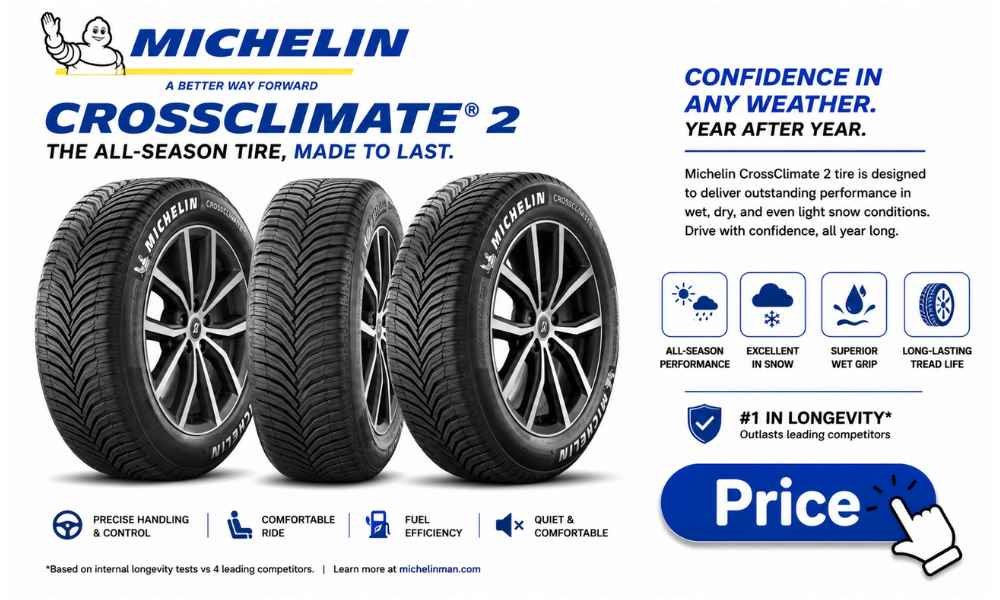
The Michelin stops much shorter on slick, wet roads than the eco-friendly Bridgestone. It has a special V-shaped tread design that pushes heavy water away fast. The Bridgestone slides a bit more when you slam hard on the brake pedal.
Light Snow Performance and Cold Grip
Driving in freezing snow requires a very soft and flexible rubber blend. Regular tires turn hard like plastic when the winter air gets cold. You need a tire that stays soft when the temperature drops below freezing.
The 3-Peak Mountain Snowflake Rating
The Michelin has a 3-Peak Mountain Snowflake stamp molded on the sidewall. This proves it passed severe snow tests in deep winter storms. The Bridgestone does not have this special rating at all.
Let us compare their exact winter and wet grip track scores.
| Weather Test | Bridgestone Ecopia | Michelin CrossClimate 2 |
| Light Snow | 4 out of 10 | 9 out of 10 |
| Wet Braking | 6 out of 10 | 9 out of 10 |
| Cold Grip | 5 out of 10 | 8 out of 10 |
You can clearly see why the Michelin is called a true all-weather tire. It grips cold roads tightly, while the Ecopia struggles to find basic traction. The Michelin gives you total peace of mind in a storm.
Severe Cold-Weather and Ice Capabilities
Thick ice is the most dangerous thing you will ever drive on. You absolutely need siping to grip ice without spinning out into a ditch. Siping means tiny zig-zag slits cut deep into the rubber tread blocks.
Real-World Ice Scenarios
I once tested the Ecopia on a frozen parking lot during a cold morning. It spun the wheels fast and the car slid much too far. The Michelin grabbed the slick ice and pulled the car forward with zero drama.
Hydroplaning Resistance in Heavy Rain
Hydroplaning happens when your tire floats on top of a deep water puddle. You lose all steering control when this occurs, and the car glides freely. It is a very scary moment for any driver on the highway.
Tread Patterns Make the Difference
The Michelin uses wide, sweeping grooves to throw water out the sides fast. This makes sure the contact patch stays firmly on the solid road. The contact patch is the flat part of the tire that actually touches the ground.
Ride Comfort and Cabin Noise Levels
Nobody wants a loud, bumpy ride on a long family road trip. You want a tire that eats up deep potholes and stays quiet at high speeds. This is called NVH, which stands for Noise, Vibration, and Harshness.
“A loud tire can ruin a great car. Always check the tread pattern before buying. Big, chunky blocks will always hum on the highway, no matter what the brand claims.”
Let us look closely at how these two compare for daily driving comfort.
| Comfort Test | Bridgestone Ecopia | Michelin CrossClimate 2 |
| Highway Noise | 8 out of 10 | 7 out of 10 |
| Bump Softness | 8 out of 10 | 8 out of 10 |
| City Driving | 8 out of 10 | 8 out of 10 |
The Bridgestone is the actual winner for overall highway noise reduction. Its smooth, straight tread ribs are very quiet at high speeds. The Michelin has a slight hum due to its heavy V-shaped tread pattern.
Tread Life and Mileage Warranty Comparison
Car tires are far too expensive to replace every two or three years. You want a fresh set that will last a very long time. The UTQG rating helps drivers guess this exact lifespan. UTQG is a standard government grade for basic tread wear.
The Warranty Battle
Both of these tires offer very good mileage warranties from their brands. Bridgestone offers up to 70,000 miles on some specific Ecopia models. Michelin offers a solid 60,000 miles on the popular CrossClimate 2.
Price vs Long-Term Value Breakdown
The upfront cost at the register is not the whole money story. You have to think about your daily fuel savings over the next five years. This is exactly where the Bridgestone fights back hard against the Michelin.
The Value of Fuel Savings
The Ecopia costs less to buy today at your local tire shop. It also saves you small amounts of gas money on every single drive. Over 50,000 miles of driving, that saved gas cash adds up fast.
Here is a simple breakdown of their overall money and value.
| Value Focus | Bridgestone Ecopia | Michelin CrossClimate 2 |
| Initial Price | Lower Cost | Higher Cost |
| Gas Savings | High Savings | Low Savings |
| Tread Warranty | 70,000 miles | 60,000 miles |
If you are on a tight budget, the Bridgestone is clearly the smart choice. If you want maximum safety in bad weather, you must pay the extra Michelin premium. You get exactly what you pay for.
Comprehensive Pros and Cons List
Every single tire has strong points and bad weak points. You just have to match them to your daily life and normal driving habits. Let us review the very best and worst parts of each tire.
Bridgestone Strengths and Weaknesses
The Ecopia saves gas, costs less money, and runs very quiet on the highway. But it struggles badly in heavy rain and fails completely in deep snow. It is only meant for warm, dry states with mild winters.
Michelin Strengths and Weaknesses
The CrossClimate 2 stops super fast, grips deep snow, and feels great to steer. But it costs a whole lot of money and does not save you any gas. It also makes a little more noise at high speeds.
Which Tire Is Best for Year-Round Driving?
The absolute best tire depends entirely on where you live and drive. Think closely about your absolute worst winter month of the year. If you see deep snow and bad ice, the choice is made for you.
The True All-Weather Winner
The Michelin CrossClimate 2 easily won our overall road tests. It gives you total peace of mind when dark storm clouds roll in. You simply cannot put a price tag on keeping your family safe.
Final Verdict: Bridgestone Ecopia vs Michelin CrossClimate 2
Do not wait until you slide off a wet road to change your bald tires. Bad rubber is a massive risk you do not ever need to take. Good tires make every single drive better and much safer.