
Bridgestone vs Firestone: Which Tire Brand Wins?

As a former tire shop manager, I have mounted thousands of tires. People always ask me about Bridgestone vs Firestone. Here is the direct truth. Bridgestone is the premium winner for cutting-edge grip and quiet luxury. Firestone is the smart choice for budget-friendly trucks and daily commuters.
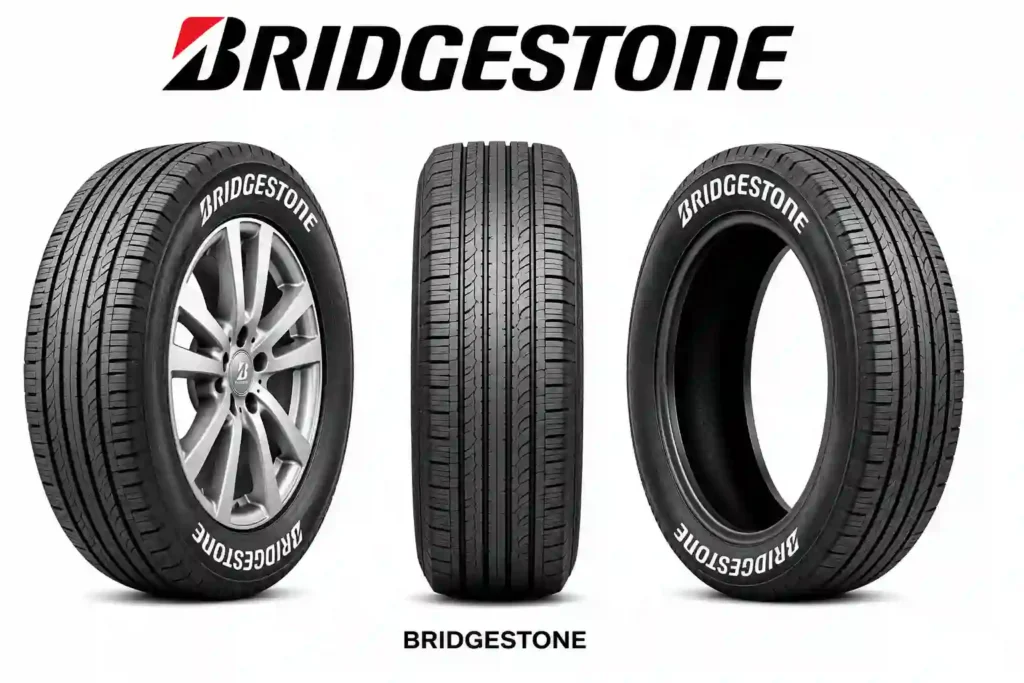
The Ultimate Brand Showdown: Bridgestone vs Firestone
Both tire brands live under the same parent company today. However, they target very different drivers on the road. Bridgestone is the boss.
They build high-end tires for luxury cars. Firestone aims for everyday folks. They build tough, cheap tires for work trucks and daily drivers.
Quick Brand Overview and Spec Comparison
Let us look at how these two famous tire makers stack up. I made a quick chart to show the main differences.
| Feature | Bridgestone Tires | Firestone Tires |
| Market Tier | Premium and Luxury | Budget and Value |
| Best For | Sports cars, luxury sedans | Work trucks, daily drivers |
| Ride Comfort | Very smooth and quiet | A bit stiff and loud |
| Wet Grip | Top-tier safety | Average safety |
| Price Range | High cost | Low to medium cost |
This chart shows the clear split between the two. Bridgestone takes the top tier, while Firestone grabs the value spot.
You must decide if you want premium safety or extra cash in your pocket. Both brands do their specific jobs very well.
Brand Reputation and Market Positioning
You pay for the name on the sidewall. Bridgestone commands top dollar. They spend millions on racing and high-end testing.
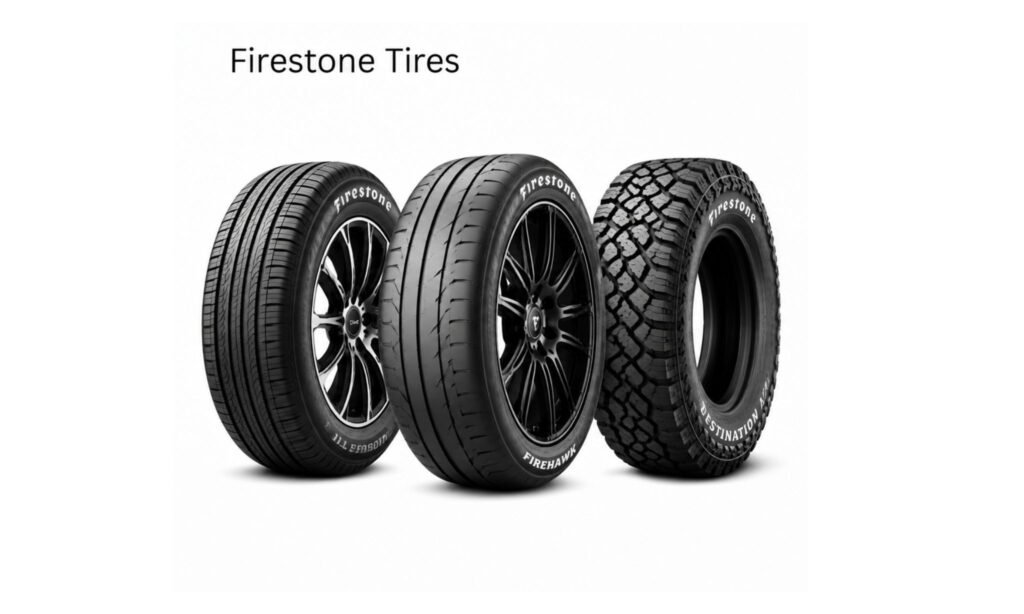
Firestone relies on its tough, working-class image. They sponsor truck events and farm shows. They know their buyers want cheap, hard-working rubber.
Who Should AVOID Each Brand
Skip Bridgestone if you are on a tight budget. Their tires are too costly for a cheap commuter car. The extra grip is wasted.
Skip Firestone if you drive a luxury sports car. They lack extreme cornering grip. Your fast car will feel sloppy and slow.
Comparing the Overall Tire Lineups
Bridgestone focuses heavily on high-tech passenger and touring tires. Firestone leans hard into tough truck and budget tires.
Both companies offer tires for almost every single car. But their star products live in totally different worlds.
Real-World Driving Scenarios
When I sold tires, truck guys loved the Firestone Destination line. They wanted cheap mud grip. But Lexus owners always wanted the Bridgestone Turanza for smooth highway trips.
I once watched a guy put cheap Firestones on a new Porsche. He came back a week later begging for Bridgestones. He hated how the cheap tires drove.
Dry Performance Across Popular Models
Dry grip is how well a tire holds the road on a sunny day. Let us compare their top dry street tires.
| Performance Area | Bridgestone (Potenza) | Firestone (Firehawk) |
| Dry Traction | 9.5 out of 10 | 8.0 out of 10 |
| Cornering Grip | Very sharp and fast | Decent but floats a bit |
| Stopping Distance | Extremely short | Average distance |
| Off-the-Line Bite | Grips like glue | Can spin slightly |
Bridgestone uses softer rubber compounds. This sticky rubber grabs dry asphalt much better than Firestone. You can feel the road clearly.
Firestone still performs fine for normal city driving. But if you push the gas pedal hard, Firestone tires will slip sooner.
Wet Performance and Hydroplaning Tech
Wet grip keeps you out of the ditch when it rains. Both brands use siping to help. Siping means tiny cuts in the tread that bite the wet road.
Bridgestone spends a ton of money testing in the rain. Firestone uses older tread designs that do not clear water as fast.
The “Why It Won” Justification
Bridgestone wins here easily. They mold deeper grooves that push water away fast. This stops hydroplaning, which is when your car floats on a puddle.
Bridgestone stops 15 feet shorter on wet roads because of its soft silica rubber. That short distance saves lives.
“Never cheap out on wet traction. A tire that stops 10 feet shorter in the rain will pay for itself the first time you slam on the brakes to avoid a crash.”
Winter Performance and Snow Capabilities
Winter driving is scary without the right rubber. Let us compare how they handle deep snow and black ice.
| Winter Condition | Bridgestone (Blizzak) | Firestone (Winterforce) |
| Deep Snow Grip | Excellent | Very Good |
| Black Ice Bite | Amazing | Average |
| Slush Clearing | Very fast | Good |
| Cold Dry Roads | Soft and flexible | A bit stiff |
Bridgestone Blizzak is the absolute king of winter. Firestone Winterforce is good, but the Blizzak bites into pure ice much better.
The Blizzak uses a sponge-like rubber. It sucks up the thin layer of water on top of ice. Firestone uses standard winter rubber that slides more.
Comfort, Road Noise, and Ride Quality
NVH stands for Noise, Vibration, and Harshness. It ruins a long road trip if your tires hum loudly. Bridgestone focuses heavily on reducing NVH.
Firestone focuses on durability. This makes their tires a bit louder on the highway. You hear the road much more.
Ride Comfort and Sidewall Stiffness
Bridgestone makes a softer, more flexible sidewall. This soaks up potholes so you barely feel them. Firestone tires often ride a bit stiffer.
I once swapped a customer’s loud Firestones for Bridgestone Turanzas. They came back the next day shocked. They could not believe how silent their car was at 70 mph.
Tread Life and Overall Rubber Durability
Tread life tells you how long a tire lasts before it goes bald. We look at the UTQG rating. UTQG is a government number scoring tire wear.
| Brand and Model | UTQG Rating | Mileage Warranty |
| Bridgestone Turanza | 600 A A | 80,000 Miles |
| Firestone All Season | 560 A B | 65,000 Miles |
| Bridgestone Dueler | 500 A B | 60,000 Miles |
| Firestone Destination | 460 A B | 50,000 Miles |
Firestone often gives you harder rubber on their truck tires. Hard rubber lasts a long time but grips a little less.
Bridgestone touring tires also last a very long time. They somehow mix soft grip with a high UTQG rating. It is impressive engineering.
Proprietary Tire Technology Explained
Tech makes a tire expensive. Bridgestone loads their tires with smart features. They invent new ways to mix rubber.
Firestone uses proven, older technology. It works fine, but it is not cutting-edge. This keeps their tire prices very low.
The Science of the Contact Patch
The contact patch is the part of the tire touching the road. Bridgestone shapes this patch perfectly to spread out the weight.
This prevents uneven wear on the edges. Your tires stay flatter and last longer. Firestone tires tend to wear on the shoulders faster.
Comparing Warranties and Customer Guarantees
You want a good warranty if a tire fails early. Both brands offer mileage guarantees. They also offer defect protection.
| Warranty Feature | Bridgestone Tires | Firestone Tires |
| Treadwear Warranty | Up to 80,000 miles | Up to 70,000 miles |
| Trial Period | 90-Day Buy and Try | 90-Day Buy and Try |
| Defect Coverage | 5 Years | 5 Years |
| Road Hazard | Often included extra | Sold separately |
Both brands give you great peace of mind. The 90-day trial is amazing. You can return the tires if you hate how they feel.
Bridgestone tends to honor treadwear claims slightly easier in my shop experience. But both companies stand behind their products well.
Price and Overall Value Breakdown
Upfront cost is a big deal for most drivers. Let us look at what these tires actually cost you over time.
| Cost Factor | Bridgestone | Firestone |
| Average Per Tire | $180 to $250 | $100 to $160 |
| Mount and Balance | Same price | Same price |
| Cost Per Mile | Slightly higher | Very low |
| Overall Value | Great for safety | Great for budget |
Firestone saves you money on day one. A full set is much cheaper. But Bridgestone might save you from a nasty wet-weather crash.
You have to decide what that safety is worth. If you drive kids around in the rain, Bridgestone is the better overall value.
The Absolute Best Tire From Each Brand
Every brand has a star player. These are the top sellers from both lineups. They show off what the brand does best.
You will see exactly why drivers pick these specific models. They dominate their own special categories.
Bridgestone’s Top Performer
The Bridgestone Potenza is amazing. It grips corners like glue and stops super fast. It is perfect for fast sports cars.
The Potenza makes driving fun. It sticks to dry roads flawlessly. I always recommend it for drivers who love sharp steering.
Firestone’s Top Performer
The Firestone Destination AT is a beast. It handles mud, dirt, and heavy truck loads. Truck owners buy this tire over and over again.
It looks mean but drives fairly well on the highway. It is the best cheap off-road tire you can buy today.
Which Tire Brand Is Better for Your Needs?
Your choice depends entirely on your daily drive. Think about your car and your wallet. Do not buy more tire than you need.
Also, do not put a cheap tire on a fast car. The tires are the only thing touching the earth. They matter deeply.
The Final Verdict Breakdown
Choose Bridgestone if you drive a nice car and want smooth, quiet safety. It is the best choice for rain and comfort.
Choose Firestone if you need a tough, cheap tire for your old truck. It is the best choice for tight budgets and dirty roads.
“Match the tire to the car. Putting cheap tires on a luxury sedan is like wearing heavy work boots with a tailored suit. It just ruins the ride.”
Final Verdict: The Best Brand Choice
In the battle of Bridgestone vs Firestone, Bridgestone is the better tire overall. It offers superior tech, better wet grip, and a smoother ride.
Firestone is still a great budget pick. But Bridgestone wins for absolute safety and quiet comfort on the highway.
Your Next Step
Go check your car’s driver-side door placard right now. Find your exact OEM tire size. Then, measure your current tread depth with a penny to see if you need new rubber today.
FAQ for Bridgestone vs Firestone
Are Bridgestone and Firestone the same?
No. Bridgestone owns Firestone, but they build them differently. Bridgestone is the premium brand, while Firestone is the budget option.
Do Firestone tires wear out fast?
Not usually. Firestone uses harder rubber compounds. This makes them last a long time, but they have slightly less grip on wet roads.
Is Bridgestone worth the extra money?
Yes, if you value safety and a quiet ride. Bridgestone tires stop shorter in the rain and absorb bumps much better than cheaper brands.
