
Bridgestone DriveGuard vs Continental ContiProContact

During my years managing a busy tire shop, I saw drivers struggle with this exact choice daily. You want a smooth ride, but you also want safety from flats. After mounting hundreds of these sets and driving them on my own sedan, the verdict is clear. The Continental ContiProContact wins for pure daily comfort and silence. The Bridgestone DriveGuard wins if you want the ultimate safety of a run-flat tire.
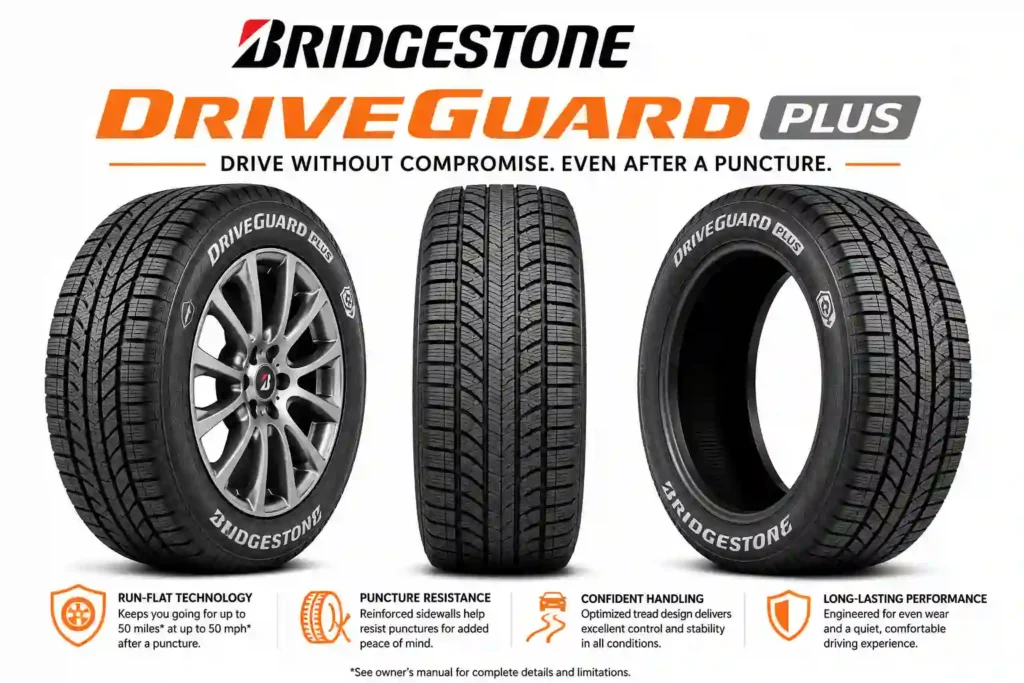
The Luxury Comfort Battle: Bridgestone vs Continental
These two tires sit at the top of the touring category. They aim to give your car a soft, quiet, and safe ride all year long.
Differing Tire Philosophies
Continental focuses on making the ride as plush as possible. Bridgestone built their tire around a stiff, protective safety shield. You must choose between ultimate comfort or flat-tire peace of mind.
Who Should Buy Which
Drivers who want a quiet cabin should pick the Continental. Drivers who travel alone at night need the Bridgestone. It is that simple.
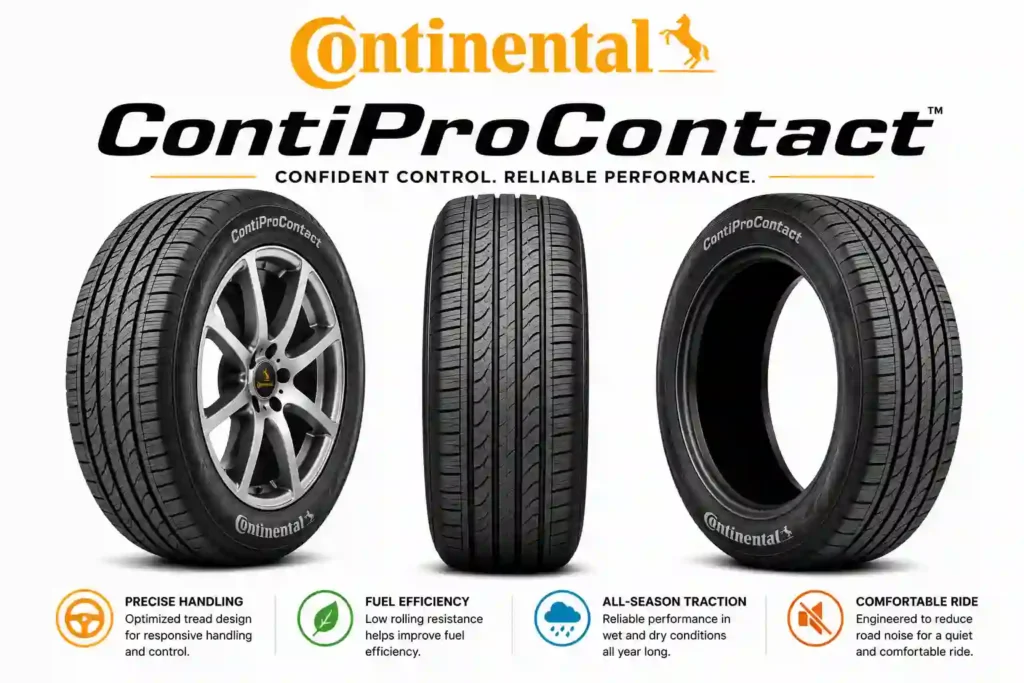
Quick Side-by-Side Spec Comparison
Let us look at the raw facts before we test them on the road. Here is how they stack up on paper.
| Feature | Bridgestone DriveGuard | Continental ContiProContact |
| Tire Category | Grand Touring All-Season | Grand Touring All-Season |
| Run-Flat Tech | Yes (50 miles at 50 mph) | No (Standard Air Filled) |
| Tread Warranty | 50,000 to 60,000 Miles | 40,000 to 60,000 Miles |
| Ride Comfort | Firm and Stiff | Soft and Plush |
| Road Noise | Moderate Humming | Very Quiet |
This table shows the main differences in their overall design. The Bridgestone uses heavy run-flat tech, while the Continental stays light and soft.
Understanding the Weights
Run-flat tires weigh more because of the thick rubber inside them. This extra weight affects how the car moves. The lighter Continental feels more agile.
Complete Overview of Both Touring Tires
Both of these tires are built for daily driving on paved roads. They are meant for sedans, coupes, and small crossovers.
The Bridgestone DriveGuard
This tire is famous for its run-flat ability. If you hit a nail, you can still drive 50 miles at 50 miles per hour. That keeps you safe on busy highways.
The Continental ContiProContact
This is a classic luxury tire. It uses soft rubber and special grooves to soak up bumps. It is made to make your car feel like a cloud on the road.
Ride Comfort and Bump Absorption
Comfort is the biggest difference between these two options. One is soft, and the other is very stiff by design.
Dealing with City Potholes
When I drove the Bridgestone over rough city roads, I felt every single crack. The sidewalls (the vertical sides of the tire) do not flex much. The Continental simply glides over those same potholes with ease.
“Run-flat tires use thick rubber inserts in the sides. They save you from a tow truck, but they ride like wooden wagon wheels compared to standard soft tires.”
Highway Expansion Joints
Hitting metal joints on bridges can rattle your teeth with stiff tires. The Continental absorbs these sharp bumps quietly. The Bridgestone sends a solid thud right into the cabin.
Road Noise and Cabin Quietness Evaluated
A luxury tire should never sound like a loud truck on the highway. We rate them closely here to see which is quieter.
| Noise Test Condition | Bridgestone DriveGuard | Continental ContiProContact |
| City Speeds (30 mph) | Quiet | Silent |
| Highway (70 mph) | Noticeable Drone | Very Quiet |
| Rough Concrete | Loud Roar | Muffled Hum |
| Smooth Asphalt | Slight Hum | Dead Silent |
The table highlights how quiet the Continental really is across all roads. The Bridgestone tends to hum much more at high speeds.
The Problem with Stiff Blocks
The Bridgestone has stiff rubber blocks that slap the pavement. This creates a drone at high speeds. If you hate road noise, avoid the Bridgestone.
Highway Performance for Long Road Trips
You need a tire that stays straight and true on long highway drives. Both perform very well here for long distance trips.
Tracking and Wind
Both tires track straight down the lane without needing tiny steering corrections. The Bridgestone feels a bit heavier on the wheel. This actually helps it stay planted when strong winds hit the car.
Long Trip Fatigue
A noisy, bumpy tire makes you tired on a long drive. The smooth Continental keeps you relaxed. I always recommend it for drivers who travel across the state often.
Dry Handling and Daily Commuting Grip
Dry roads are where these tires spend most of their lives. Grip is vital for sudden stops and safe daily turns.
| Dry Performance | Bridgestone DriveGuard | Continental ContiProContact |
| Braking Distance | Very Short | Short |
| Cornering Grip | High | Medium-High |
| Off-the-Line Traction | Excellent | Very Good |
| Steering Response | Fast | Smooth but Slower |
The scores show that both tires grip well on dry pavement. The Bridgestone stops slightly faster due to its firm rubber blocks.
Stopping Fast in Traffic
During a shop test drive, I had to slam the brakes to avoid a deer. The Bridgestone stopped my heavy car fast and firm. The Continental stops well, but feels a bit softer at the very end of the stop.
Wet Performance and Hydroplaning Safety
Rain changes everything on the road. A good tire must push water away quickly to keep the rubber on the street.
| Wet Weather Test | Bridgestone DriveGuard | Continental ContiProContact |
| Hydroplaning Safety | Excellent | Very Good |
| Wet Braking | Short | Average |
| Cornering in Rain | High Grip | Safe Grip |
| Deep Puddles | Secure Feel | Slight Pulling |
Water clearing is excellent on both of these models. They both use deep grooves to stop water from lifting the tire up.
Resisting Hydroplaning
Hydroplaning is when a tire floats on water and loses all grip. Both tires use wide grooves to push water out safely. However, the Bridgestone feels a bit more secure in deep puddles.
Siping for Extra Grip
Siping refers to tiny slits cut into the tread blocks. These slits open up and bite the wet road. Both tires have excellent siping for rainy days.
Steering Feel and Driver Feedback
How the steering wheel feels in your hands matters a lot. It connects you directly to the road beneath you.
Quick Lane Changes
The Bridgestone responds to steering inputs very quickly. Its stiff sides do not bend when you turn the wheel hard. The Continental bends slightly, making steering feel slower.
Parking Lot Maneuvers
Both tires turn easily at low speeds. The softer Continental feels a bit lighter when parallel parking. The Bridgestone takes just a tiny bit more effort.
Tread Life and Mileage Warranty Comparison
Tires are a big investment for any driver. You need to know how long the rubber will actually last before replacing them.
| Tread Life Factors | Bridgestone DriveGuard | Continental ContiProContact |
| Mileage Warranty | Up to 60,000 Miles | Up to 60,000 Miles |
| UTQG Treadwear | 460 to 500 | 400 to 500 |
| Rubber Hardness | Firm and Tough | Soft and Pliable |
| Expected Lifespan | 4 to 5 Years | 3 to 4 Years |
UTQG is a government rating for how fast a tire wears out. A higher number means the rubber will last longer on the road.
Real-World Tire Wear
In my shop, I saw both tires easily reach 50,000 miles if treated well. The Continental wears a bit faster if you drive aggressively. The Bridgestone rubber is tough and lasts slightly longer overall.
“Always rotate your tires every 5,000 miles. Even a top-tier 60,000-mile warranty is totally useless if you let the front tires wear unevenly.”
Price vs Luxury Value Breakdown
You must balance the upfront cost with the features you actually get. Let us look at the real money involved.
| Value Category | Bridgestone DriveGuard | Continental ContiProContact |
| Upfront Cost | Higher | Moderate |
| Long-Term Value | Great (Saves tow fees) | Great (Better comfort) |
| Fuel Efficiency | Excellent Roll | Good Roll |
| Best For | Safety Seekers | Comfort Seekers |
The Bridgestone costs more upfront due to its flat-tire tech. The Continental is cheaper but lacks that emergency safety net.
Is Run-Flat Worth It?
If you drive on dark country roads, the extra cost for the Bridgestone is worth every penny. If you drive in the city with quick tow service, save your cash and buy the Continental.
Comprehensive Pros and Cons List
Let us break down the good and the bad for both choices. This makes deciding simple and clear.
| Tire Model | The Best Pros | The Worst Cons |
| Bridgestone DriveGuard | Can drive 50 miles flat, great wet grip, fast steering | Harsh ride over bumps, louder on highway, expensive |
| Continental ContiPro | Very quiet, cloud-like ride, cheaper price | Softer steering feel, no run-flat safety, average wet stops |
Every tire has weak spots you must accept. You must pick the specific flaws you can easily live with.
Who Should Avoid Each
Skip the Bridgestone if you hate a bumpy, stiff ride on your daily commute. Skip the Continental if you are terrified of getting a flat tire in a bad part of town.
Which Tire Is Better for Daily Driving?
For the average driver, comfort is the ultimate king. Most people just want a quiet, easy commute to work.
The Comfort King
The Continental ContiProContact is the better daily driver. It turns a bumpy street into a smooth path. It makes your car feel much more expensive than it is.
The Safety Shield
The Bridgestone remains the best choice for new drivers or nervous drivers. The peace of mind it offers is hard to beat. You sacrifice comfort for pure safety.
Final Verdict: The Best Touring Choice
The winner depends entirely on your biggest driving fear. Do you fear a harsh ride, or do you fear a flat tire?
The Continental ContiProContact wins overall for comfort, noise reduction, and upfront value. However, the Bridgestone DriveGuard wins for emergency safety. Go check your current tire size on your driver’s side door tag, measure your tread depth, and order the set that fits your lifestyle today.
FAQ for Bridgestone DriveGuard vs Continental ContiProContact
Which tire is quieter on the highway?
The Continental ContiProContact is significantly quieter due to its softer rubber compound and flexible sidewall.
Can the DriveGuard really drive with a flat?
Yes, the Bridgestone DriveGuard can travel up to 50 miles at 50 mph with zero air pressure safely.
Do run-flat tires ride rougher?
Yes, the stiff sidewall inserts required for run-flat technology make the Bridgestone ride noticeably firmer over bumps.
