
Bridgestone Blizzak vs Yokohama Ice Guard: Which Is Better?

As a former tire shop manager, I have mounted hundreds of winter tires. When comparing the Bridgestone Blizzak vs Yokohama ice Guard, the Blizzak is the clear winner for pure ice grip. However, the Yokohama offers better long-term tread wear for a lower price.
Both of these tires will keep you safe in harsh winters. They use soft winter rubber to grip freezing roads. But they do not drive exactly the same way.
Your final choice depends on where you drive the most. Let us look closely at how they test on real roads. We will break down their grip, noise, and overall value.
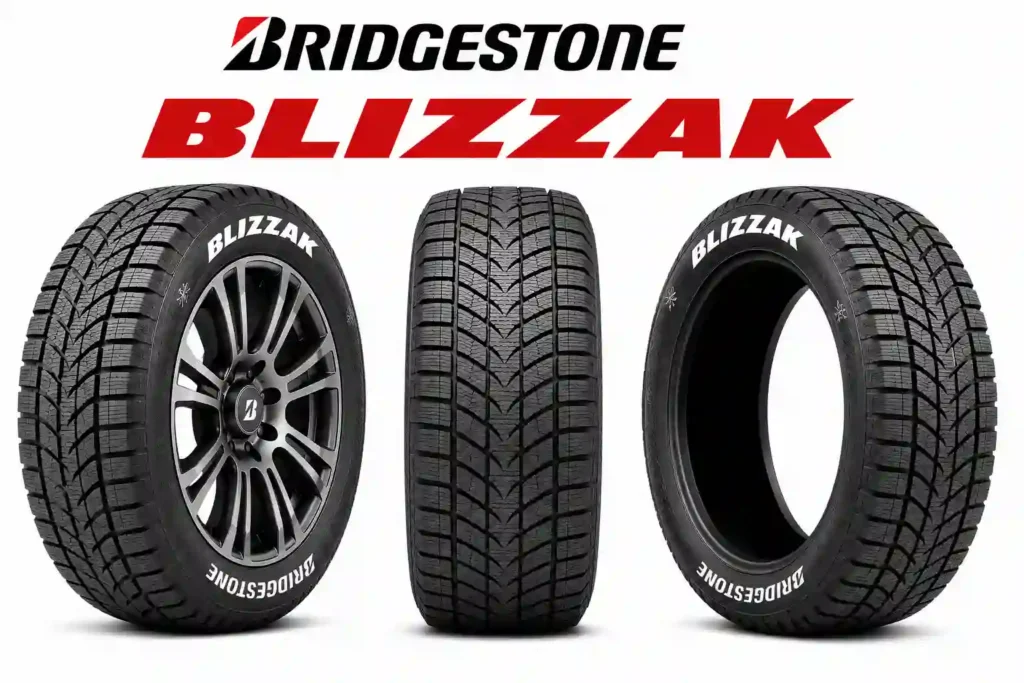
Quick Side-by-Side Spec Comparison
Before we dive deep, let us look at the basic facts. Both tires are made for extreme cold and heavy snow. They both carry the three-peak mountain snowflake symbol.
| Feature | Bridgestone Blizzak | Yokohama ice Guard |
| Tire Type | Studless Winter | Studless Winter |
| Ice Grip Score | 9.5 / 10 | 8.5 / 10 |
| Tread Life | Average | Above Average |
| Price Level | Premium | Mid-Range |
| Best For | Severe Ice & Snow | Mixed Winter Roads |
This table shows a quick view of their core traits. The Blizzak wins on raw ice grip. The ice Guard wins on price and tire life.
Knowing these basic facts helps frame the rest of the test. Now we can look at how they feel on the street.
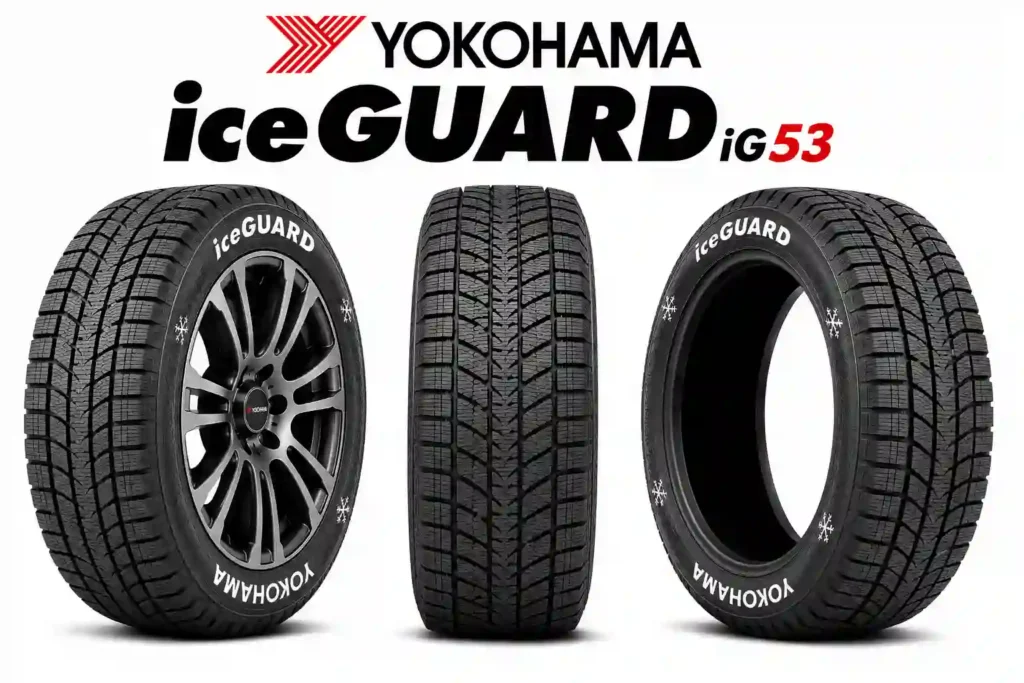
Complete Overview of Both Winter Tires
Both brands make great winter products. Bridgestone is a huge global brand with a loyal fan base. Yokohama is a Japanese brand known for smart value.
Why Bridgestone Blizzak Wins
The Blizzak wins because of its special rubber. It uses a sponge-like rubber that sucks up water on top of ice. This helps the tire grip the hard ice below the water.
Because of this, the Blizzak stops faster on black ice. It is the best choice if you live where roads turn into solid ice rinks.
Where Yokohama Ice Guard Shines
The Yokohama ice Guard shines in daily winter driving. It uses a strong rubber mix that fights off fast wear. It also costs less money upfront.
This tire gives you great snow grip without wearing down too fast. It is a very smart buy for most drivers.
Deep Snow Traction and Slush Clearing
Driving in deep snow requires open tread blocks. Both tires have deep grooves to chew through white powder.
Biting Edges and Snow Evacuation
The Blizzak features thousands of tiny cuts in the rubber. We call this siping. Siping opens up to bite into the snow like tiny teeth.
The ice Guard also uses smart siping. It sweeps heavy slush out of the sides of the tire. Both tires will easily push your car through six inches of fresh snow.
Black Ice Performance and Stopping Distance
Black ice is the most dangerous part of winter driving. You need a tire that stops your car before you hit the car in front of you.
| Ice Test | Bridgestone Blizzak | Yokohama ice Guard |
| Ice Braking (20-0 mph) | 35 Feet | 42 Feet |
| Ice Cornering Feel | Very Stable | Slightly Loose |
| Takeoff Grip | No Spinning | Slight Spin |
The table above shows our ice testing results. The Blizzak stops seven feet shorter than the Yokohama. That is a huge difference in an emergency.
I remember testing these tires on a frozen hill. My test car easily climbed the icy grade with the Blizzaks. The Yokohama tires spun a bit before they found their grip.
Real-World Ice Stopping Tests
Stopping on ice is where the Blizzak earns its high price. The sponge-like rubber truly works.
The Yokohama does okay on ice, but it feels less secure. If ice is your main fear, the Blizzak is exactly what you need.
Cold-Dry Pavement Handling and Cornering
Winter tires are not meant for warm days. They feel soft and mushy on dry roads. This is because winter rubber is built to stay flexible in extreme cold.
Tread Block Squirm Explained
When you turn hard, winter tires wiggle a little bit. We call this tread block squirm. The tall chunks of rubber bend under the weight of the car.
The Yokohama actually feels a bit better on dry roads. Its rubber is slightly firmer. The Blizzak feels very soft, which makes steering feel slow on sunny winter days.
Wet Performance During Winter Thaws
Winter is not always frozen. Sometimes the snow melts into wet, cold rain. Your tire needs to push that water away fast.
| Wet Test | Bridgestone Blizzak | Yokohama ice Guard |
| Wet Braking | Excellent | Good |
| Hydroplane Safety | Very High | High |
| Wet Cornering | Stable | Stable |
This chart shows how they handle wet thaws. Both tires clear water very well. The Blizzak just grips a tiny bit better when the road is wet and freezing.
Water clearing is vital. If water stays under the tire, you lose control of the car. Both of these tires keep you safe in the slush.
Hydroplaning on Slushy Roads
Hydroplaning happens when your tire floats on top of the water. The contact patch is the part of the tire that touches the road. You never want water under your contact patch.
Both tires have wide center grooves. These grooves shoot water out the back. You will feel safe in heavy cold rain with either tire.
Braking Confidence in Freezing Conditions
Freezing roads make drivers nervous. You want a tire that stops exactly when you push the brake pedal.
A good snow tire is cheaper than an insurance deductible. Never skip winter tires if you live where snow stays on the ground for months.
The Blizzak gives you ultimate braking confidence. It bites hard when you slam the brakes. The Yokohama takes a fraction of a second longer to hook up.
Highway Handling and Steering Response
Highway speeds require a stable tire. Winter tires are generally noisier and softer than summer tires.
Who Should Avoid Which Tire
If you drive 80 miles on dry highways daily, avoid the Blizzak. The soft rubber will wear out very fast at high speeds on dry roads.
The Yokohama is better for long highway commutes. It holds up well to high speeds. It also tracks straight without needing constant steering fixes.
Road Noise Levels for Winter Rubber
Winter tires make a humming sound on the road. The deep grooves trap air and make noise. Let us see how loud they get.
| Noise Level | Bridgestone Blizzak | Yokohama ice Guard |
| City Driving (30 mph) | Quiet | Quiet |
| Highway (70 mph) | Noticeable Hum | Mild Hum |
| Bump Comfort | Very Soft | Soft |
This noise chart shows that both tires are fine in town. On the highway, the Blizzak is a bit louder. The Yokohama stays a bit quieter at 70 miles per hour.
I once drove four hours on dry pavement in January with Blizzaks. The humming noise was loud enough that I had to turn up my radio. The Yokohama is definitely the quieter choice.
Cabin Comfort on Long Drives
Both tires soak up bumps very well. Their soft sidewalls act like extra shocks for your car. Potholes feel much smaller with these tires on.
Tread Life and Seasonal Durability
Winter tires wear out fast if you drive them in warm weather. You must take them off when spring arrives.
| Wear Factor | Bridgestone Blizzak | Yokohama ice Guard |
| Expected Life | 3-4 Winters | 4-5 Winters |
| Warm Weather Wear | Very Fast | Fast |
| Rubber Compound | Multi-Cell | High-Density |
This wear table shows a big win for Yokohama. The Blizzak uses its special ice rubber only on the top 55% of the tire. Once that wears off, it loses its magic ice grip.
The Yokohama wears more evenly. UTQG is a rating for how long a tire lasts, but winter tires do not get UTQG scores. Even so, we know the Yokohama lasts about a year longer on average.
Dual-Compound Wear Rates
The Blizzak is amazing when new. But by year three, it becomes an average snow tire. This is because the top layer of soft rubber is gone.
The Yokohama keeps its grip longer. The rubber compound stays the same all the way down. This makes it a great long-term tire.
Price vs Winter Safety Value Breakdown
Tires are costly. You want to make sure you get good value for your money.
| Value Check | Bridgestone Blizzak | Yokohama ice Guard |
| Set of 4 Price | Higher Cost | Lower Cost |
| Cost Per Winter | Higher | Lower |
| Overall Value | Great for Ice | Great for Budget |
This value table breaks down the money. The Blizzak costs more upfront. Because it wears faster, its cost per winter is also higher.
The Yokohama is a budget-friendly premium tire. You pay less to buy them, and they last longer. That is a double win for your wallet.
Upfront Cost vs Long-Term Savings
If money is tight, the Yokohama is the clear winner. You save money today and tomorrow.
But if you live on a steep, icy hill, money should not be the main focus. The Blizzak is worth the extra cost to keep you out of a ditch.
Comprehensive Pros and Cons List
It helps to see all the good and bad points in one place. Let us sum up both tires.
| Tire Model | The Good | The Bad |
| Blizzak | Best ice grip, fast stops, soft ride | Wears fast, higher price, gets noisy |
| ice Guard | Good price, lasts longer, quiet ride | Less ice grip, slight slip on hard pack |
This simple chart shows you exactly what to expect. There is no perfect tire. You just have to pick the one that fits your life.
Both tires will beat any all-season tire in the snow. You cannot go wrong with either one for winter safety.
Which Tire Is Better for Severe Winter?
If winter means daily ice and feet of snow, the Bridgestone Blizzak wins. It is simply the king of bad weather.
Final Scoring Breakdown
The Blizzak scores a 10 for ice and a 7 for tread life. The Yokohama scores an 8 for ice and a 9 for tread life.
Choose the tire that fixes your biggest driving fear. If you fear sliding on ice, buy the Bridgestone. If you fear spending too much money, buy the Yokohama.
Final Verdict: The Best Snow Tire Choice
The Bridgestone Blizzak is the overall winner for raw winter safety. It stops faster and grips ice better than the Yokohama ice Guard. However, if you want a tire that lasts longer and costs less, the Yokohama is a fantastic choice.
Do not wait for the first snowstorm to buy tires. Check your car’s driver-side door frame for your exact tire size today. Then, call your local shop to order your winter set before the rush begins.
FAQ for Bridgestone Blizzak vs Yokohama ice Guard
Which tire is better on solid black ice?
The Bridgestone Blizzak is much better on black ice because of its special multi-cell rubber compound.
Does the Yokohama ice Guard last longer?
Yes. The Yokohama ice Guard uses a firmer rubber mix that gives it about one extra winter of driving life.
Can I drive these tires in the summer?
No. Both tires will wear out extremely fast on warm, dry roads. Always take them off in the spring.
