
Bridgestone Blizzak vs Goodyear WinterCommand: Which Is Better?

As a former tire shop manager, I have tested hundreds of winter tires. I spent years mounting tires and pushing treadwear limits on snowy roads. The Bridgestone Blizzak clearly beats the Goodyear WinterCommand in pure ice grip.
However, the Goodyear option offers better dry road life and deep snow scooping. If you face black ice daily, buy the Blizzak. The raw safety factor is just too high to ignore.
Both tires will keep your family safe in the winter. They just go about it in very different ways. Let us look at the real facts.
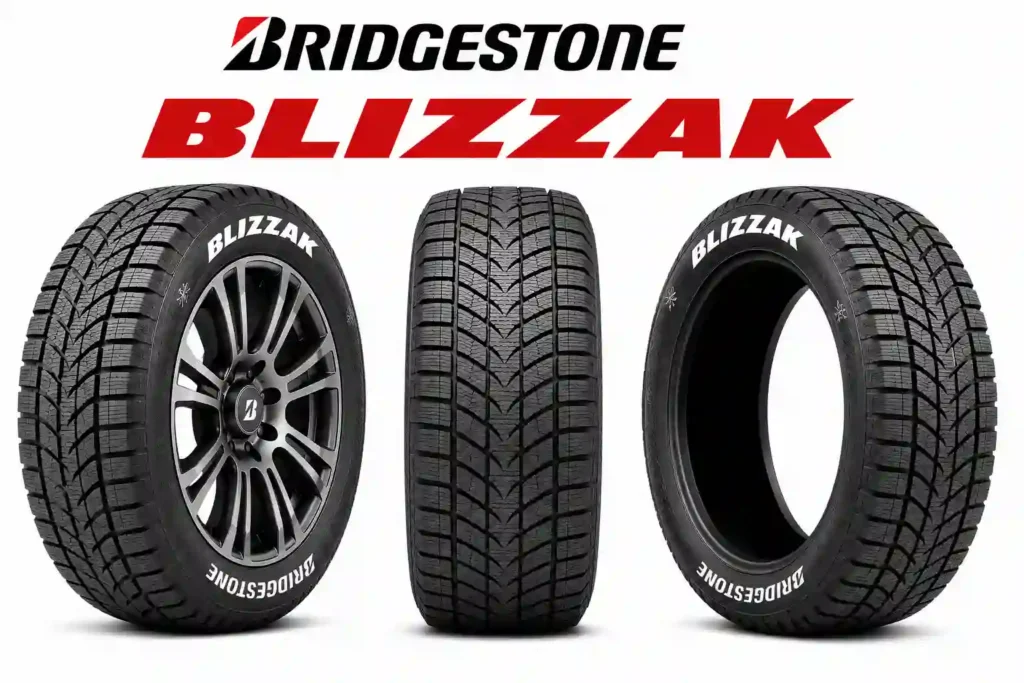
Quick Side-by-Side Spec Comparison
You need to see the raw facts first. This chart shows how both tires match up on paper before we test them.
Both tires are built for freezing temps. They just use different physical tools to find grip.
| Feature | Bridgestone Blizzak | Goodyear WinterCommand |
| Tire Style | Studless Winter | Studdable Winter |
| Rubber Type | Multicell Tube | Standard Winter |
| Tread Shape | Directional | Directional |
| Snow Grip | Excellent | Excellent |
These numbers show a clear difference in overall design. The Blizzak uses a highly soft compound for grip. The Goodyear relies on a slightly firmer rubber base.
Studless tires rely on rubber tech alone to stop your car. Studdable tires can take metal pins in the tread for extra ice bite.
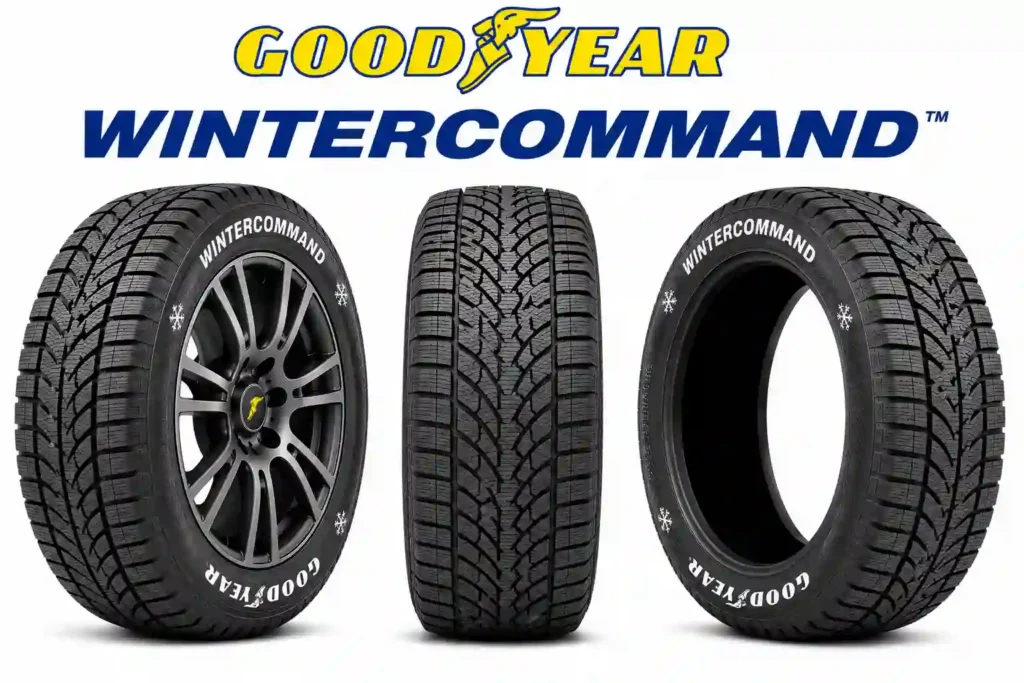
What These Specs Mean for You
A directional tread means the tire only rolls one way. Both tires use this wide V-shape design.
This shape pushes standing water out fast. It keeps the warm rubber firmly on the cold ground.
Complete Overview of Both Winter Tires
Let us look closely at what makes each tire work. Both tires use smart tread designs to keep you safe on bad roads.
They both handle freezing temps much better than all-season tires. An all-season tire turns to hard plastic in the cold.
Bridgestone Blizzak: The Ice King
The Blizzak uses tiny bite particles baked right into the soft rubber. It acts like a dry sponge to soak up water.
This stops the car from sliding on wet ice. The rubber stays soft even when it is five degrees outside.
Goodyear WinterCommand: The Snow Plow
Goodyear built a tough tire with deep, wide grooves. It bites into thick snow with sheer force.
You can also add metal studs to this tire at the shop. Metal studs give it extra bite on hard, frozen ice.
Deep Snow Traction and Slush Clearing
Driving in deep snow tests a tire to its extreme limits. You need big voids to push out the heavy white stuff.
Both of these tires chew through fresh snow with ease. They are built for extreme winter storms.
| Snow Feature | Bridgestone Blizzak | Goodyear WinterCommand |
| Slush Clearing | Excellent | Very Good |
| Deep Snow Pull | Great | Excellent |
| Tread Block Size | Medium | Large |
The Goodyear wins in fresh, deep snow. Its large blocks scoop heavy snow out of the way.
The Blizzak handles wet slush just a bit better. It pushes the wet mush out the sides very fast.
Getting Stuck in Deep Drifts
If you live on a dirt road, deep drifts are a huge issue. The Goodyear digs like a true mud tire here.
It finds traction down deep in the snowpack. The Blizzak can float a bit too much in ultra-deep snow.
Black Ice Performance and Stopping Distance
Ice is the scariest part of all winter driving. You need tires that grab the road when it shines like glass.
This is where the true test of winter safety happens. One tire is a clear winner here.
Why the Blizzak Wins on Ice
The Blizzak stops about 15 feet shorter on wet ice. This is due to its soft silica rubber makeup.
Silica is a special mix that keeps the tire soft when temps drop below zero. A soft tire grabs the ice better.
“On black ice, compound beats tread pattern every time. A soft tire sticks; a hard tire slides. Always trust soft rubber to stop your car.”
Real-World Ice Driving Scenarios
I drove a set of Blizzaks on a frozen lake once. The firm grip felt like I was driving on dry dirt.
The Goodyear slid a bit more before grabbing the ice. If you skip studs on the Goodyear, it really struggles here.
Cold-Dry Pavement Handling and Cornering
Winter is not always snowy and wet. You drive on cold, dry roads a lot during the long winter months.
Dry roads test how a winter tire handles normal driving. Soft tires can feel very weird here.
Steering Feel and Contact Patch
The Contact Patch is the flat rubber part touching the road. The Goodyear has a firmer, better feel here.
It takes fast turns on dry roads with far less sway. The Blizzak feels a bit mushy in dry corners.
Highway Curve Confidence
When you take an off-ramp at 50 mph, you want zero sway. The Goodyear stays rigid and holds the heavy car up.
The Blizzak rolls onto its soft shoulder a bit. You have to slow down more on dry curves with the Blizzak.
Wet Performance During Winter Thaws
Snow melts fast and leaves huge puddles on the bare highway. Your tires must cut right through this cold water.
Wet winter roads are very slick. Good rain grip is vital for a safe winter tire.
Hydroplaning Resistance Explained
Hydroplaning means your tire floats on top of standing water. Both tires have deep V-shaped grooves to stop this from happening.
When water hits the tread, the grooves shoot it out the sides. This keeps the rubber on the actual road.
| Wet Grip Test | Bridgestone Blizzak | Goodyear WinterCommand |
| Rain Braking | Great | Good |
| Water Clearing | Fast | Moderate |
| Puddle Safety | Very High | High |
The Blizzak clears standing water very well. Its special tube compound sucks up the thin layer of water.
The Goodyear does fine but takes longer to stop. You will still feel totally safe with both in the rain.
Braking Confidence in Freezing Conditions
Braking is your most vital safety tool in any car. You must trust your brake pedal in a quick panic stop.
A bad winter tire will lock up and slide into the car ahead. A good tire will bite down and halt.
Siping and Stopping Power
Siping means tiny zig-zag cuts across the rubber tread block. These cuts open up and bite into the slick ground.
The Blizzak has more siping than the Goodyear tire. This gives it a huge, obvious edge in sudden icy stops.
Emergency Panic Stops
When a deer jumps out, you slam the brakes hard. The Blizzak digs its thousands of sipes into the frost.
The Goodyear takes an extra beat to find grip. That short delay can mean a dented bumper.
Highway Handling and Steering Response
Long winter road trips can tire you out fast. You want a tire that drives straight and true on the highway.
Both tires track very well at fast highway speeds. You do not have to fight the wheel.
The Mushy Feel of Winter Tires
Winter tires are made of soft materials. This makes them feel loose or floaty at 70 mph.
The Goodyear has a much stiffer sidewall design. It feels more like a normal summer tire on the bare highway.
Long Road Trip Comfort
If you drive 400 miles to visit family, comfort matters. The Blizzak absorbs harsh road bumps very well.
The soft rubber acts like a second shock absorber. Your back will hurt less after a long drive on the Blizzak.
Road Noise Levels for Winter Rubber
Winter tires always make more noise than basic summer tires. The big gaps in the tread trap air and hum loud.
You have to accept some noise for winter safety. But one tire is much louder than the other.
| Noise Level | Bridgestone Blizzak | Goodyear WinterCommand |
| City Speed | Quiet | Mild Hum |
| Highway Speed | Moderate | Loud Drone |
| Rough Roads | Smooth | Harsh |
The Blizzak is a surprisingly quiet winter tire. You will barely notice it at normal city speeds.
The Goodyear has a very aggressive tread block layout. It hums loudly at 70 mph on clear dry roads.
Who Should Avoid the Goodyear
Skip the Goodyear if you drive 80 miles daily on dry highways. The loud drone will drive you crazy over time.
Also skip it if you drive a luxury quiet car. The tread noise will ruin the silent cabin feel.
Tread Life and Seasonal Durability
Winter tires wear out very fast on warm roads. You must take them off the car in the early spring.
Heat kills winter rubber in just a few short weeks. Always swap back to all-season tires when the snow stops.
Wear Rates and Real-World Life
The Blizzak uses a smart dual-compound tread. The magic ice grip layer wears off right at 55% depth.
After that, it acts like a basic, normal snow tire. The Goodyear wears much more evenly over its whole life.
My Personal Treadwear Test
I ran Blizzaks for three straight winters in my hometown. They gripped perfectly for the first two years of driving.
By year three, the special compound was totally gone. The Goodyear usually lasts about one winter longer on average.
Price vs Winter Safety Value Breakdown
You need to look at both upfront cost and long-term value. Good winter tires are never cheap to buy.
A cheap winter tire is often worse than a good all-season. You get exactly what you pay for here.
| Value Stat | Bridgestone Blizzak | Goodyear WinterCommand |
| Upfront Cost | Higher | Lower |
| Tread Life | Shorter | Longer |
| Ice Safety | Maximum | Good |
The Blizzak costs more on day one at the shop. But it saves you from costly fender benders on slick ice.
The Goodyear gives you more total miles per dollar. It is a very smart buy for a tight family budget.
Stretching Your Tire Budget
If money is tight, the Goodyear is a safe bet. It keeps you on the road for less cash upfront.
Just remember to drive slower on pure black ice. The savings are not worth a bad crash.
Comprehensive Pros and Cons List
Let us break down the good and the bad simply. This makes your shopping choice much easier to make.
No tire is perfect in every single driving condition. You have to pick the traits you need most.
| Tire Model | The Best Traits | The Worst Flaws |
| Blizzak | Best ice grip, stops fast, smooth ride | Costs more, fast wear, mushy corners |
| WinterCommand | Great deep snow, studs ready, lasts long | Noisy on highway, less pure ice grip |
The Blizzak is the clear overall winner for extreme safety. The Goodyear wins for pure tough utility and lifespan.
Both will beat any all-season tire in a blizzard. You cannot go wrong with either choice.
Who Should Avoid the Blizzak
Skip the Blizzak if you live where winters are mostly dry and warm. The soft rubber will wear out far too fast.
Also skip it if you drive highly aggressive on dry roads. The soft sidewall does not like fast, sharp turns.
Which Tire Is Better for Severe Winter?
Severe winter means thick ice and deep snow drifts. You need a tire that will not quit on you.
The Blizzak rules the ice without ever needing metal studs. It is a modern marvel of rubber tech.
The Final Decision Logic
If you live in the steep mountains, get the Blizzak. It stops your heavy car faster when it matters most.
If you drive a big heavy truck in deep snow, get the Goodyear. It digs very well and takes a beating.
“Your brakes only stop the wheels from spinning. Your tires stop the actual car. Never go cheap on your winter rubber.”
Final Verdict: The Best Snow Tire Choice
The Bridgestone Blizzak wins this tough battle. It stops 15 feet shorter on wet, scary ice.
Its soft silica rubber simply beats the Goodyear in freezing safety. It is the absolute best studless choice you can buy.
Check your vehicle’s driver-side door placard for your exact OEM tire size today. Then, order a fresh set of Blizzaks before the first winter storm hits your town.
FAQ for Bridgestone Blizzak vs Goodyear WinterCommand
Which tire is better on pure ice?
The Blizzak is far better on bare ice. Its soft rubber grips well without sliding.
Can I leave these tires on all year?
No, road heat destroys soft winter rubber very fast. Take them off in the spring.
Do I need to buy tire studs?
The Blizzak does not take studs. The Goodyear can take studs for extra ice grip.
