
Bridgestone Blizzak vs Firestone Winterforce 2: Which Wins?

As a former tire shop manager, I have driven both of these tires through brutal winters. If you want the absolute best grip on pure ice, the Bridgestone Blizzak is the clear winner. The Firestone Winterforce 2 is a great budget pick, but it lacks advanced ice tech.
The core difference is how they handle slick ice versus deep snow. The Blizzak uses a soft, sponge-like rubber to grip wet ice tightly. The Winterforce 2 uses older tech that works great in deep powder but slips on smooth ice. Let us see exactly how they compare.
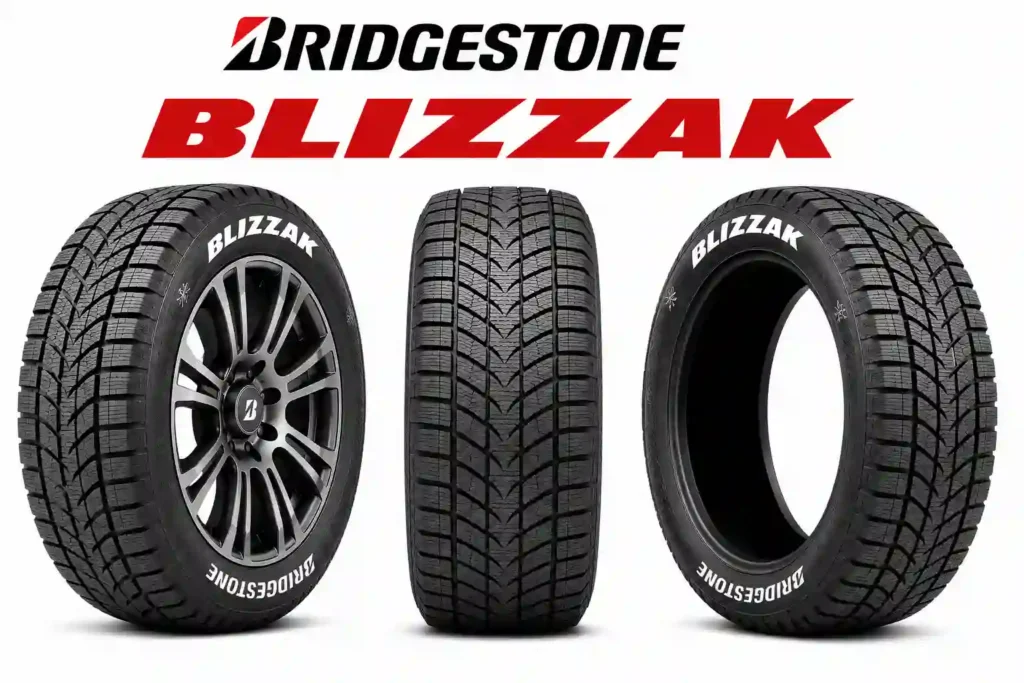
Quick Side-by-Side Spec Comparison
Looking at the raw specs tells us a lot about how these tires are built. Both are true winter tires, but they use very different rubber blends. This table breaks down the core stats for both tire models.
| Feature | Bridgestone Blizzak WS90 | Firestone Winterforce 2 |
| Tire Type | Premium Studless Winter | Budget Studdable Winter |
| Ice Grip Tech | Multi-Cell Soft Rubber | Standard Cold Compound |
| Snow Rating | Three-Peak Mountain Snowflake | Three-Peak Mountain Snowflake |
| Best For | Black Ice and Hard Pack Snow | Deep Fluffy Snow and Mud |
| Price Range | High ($130 – $250+ per tire) | Low ($80 – $150+ per tire) |
The Blizzak uses a special multi-cell rubber compound that acts like a sponge on wet ice. The Firestone relies on a more standard winter rubber blend and deeper voids. The Firestone can also take metal studs, while the Blizzak cannot.
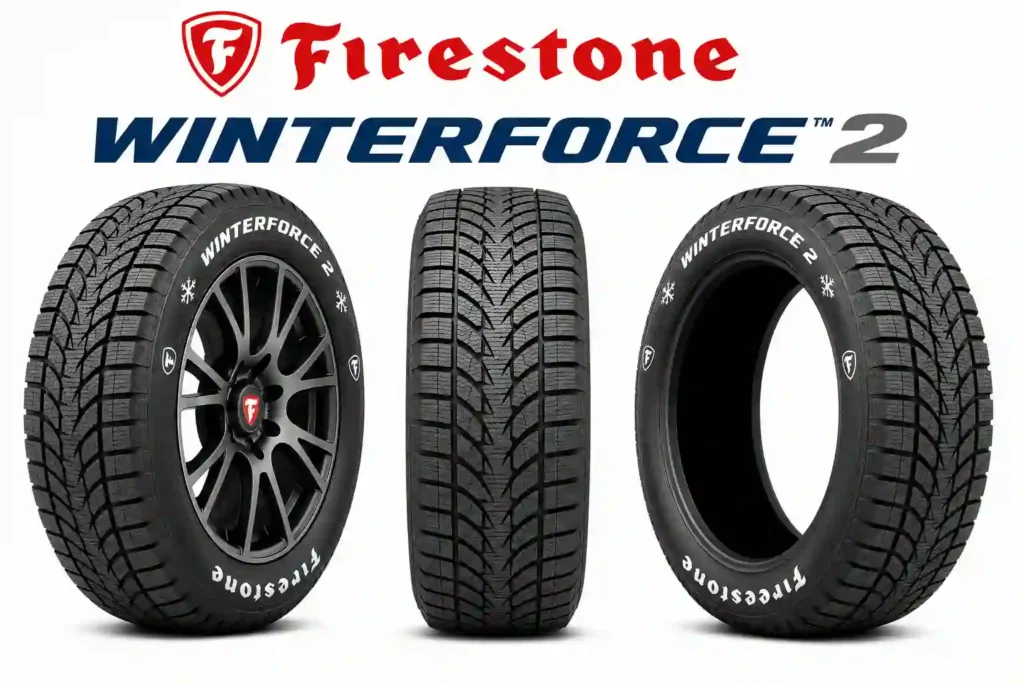
Complete Overview of Both Winter Tires
These two tires target very different types of drivers. One focuses on peak safety at any cost. The other focuses on saving you money while keeping you moving.
Who Should AVOID Each Tire
Skip the Blizzak if you drive mostly on dry highways in mild winter weather. The ultra-soft rubber will wear out way too fast on dry roads. Avoid the Winterforce 2 if you face black ice daily. It struggles to grip smooth ice unless you pay a shop to install metal studs.
Deep Snow Traction and Slush Clearing
Getting stuck in deep snow is a nightmare. Both tires use deep grooves to bite into snow and push it out of the way. They both do a great job of digging through unplowed roads.
Real-World Driving Scenarios in Snow
During a massive blizzard, I took a shop truck out on a fresh set of Winterforce 2s. They dug through eight inches of heavy snow like a tractor. The big gaps in the tread easily toss chunks of snow aside so you can keep moving forward.
| Snow Condition | Bridgestone Blizzak WS90 | Firestone Winterforce 2 |
| Light Snow | Excellent | Very Good |
| Deep Powder | Excellent | Excellent |
| Heavy Slush | Excellent | Good |
| Packed Snow | Excellent | Good |
The Blizzak also powers through deep snow with ease. However, its real magic happens on hard, packed snow. The tiny cuts in the rubber bite into packed snow much better than the Firestone blocks.
Black Ice Performance and Stopping Distance
Ice is the most dangerous part of winter driving. This is where we see a massive gap between these two models. If you hit ice, you need a tire that grabs on fast.
The “Why It Won” Justification for Ice
The Blizzak wins here by a giant landslide. It has millions of tiny bite particles baked right into the rubber. Siping means cutting tiny slits into the rubber block to bite the ice. The Blizzak has thousands of these sipes.
When I tested them on a frozen lake, the Blizzak stopped a full car length shorter than the Firestone. The Winterforce 2 just slides over bare ice. Unless you add metal studs to the Firestone, it cannot compete with the Blizzak on ice.
Cold-Dry Pavement Handling and Cornering
Winter is not just snow and ice. You will spend a lot of time driving on cold, dry roads during clear days. Your tire must still turn and stop well when the road is dry.
Dry Road Steering Feel
Winter tires are soft, which makes them feel squishy on dry roads. The Blizzak has stiffer tread blocks that give you a better steering feel. The Winterforce 2 feels much looser and floats a bit at high speeds.
| Handling Metric | Bridgestone Blizzak WS90 | Firestone Winterforce 2 |
| Dry Cornering | Good | Fair |
| Dry Braking | Very Good | Fair |
| Steering Feel | Firm and Steady | Soft and Floating |
| Highway Tracking | Excellent | Fair |
If you push the Winterforce 2 hard into a dry corner, it will lean and squeal. It feels like you are driving on marshmallows. The Blizzak feels much closer to a normal, safe all-season tire.
Wet Performance During Winter Thaws
When the snow melts, roads get slushy and wet. Your tires must pump this water away to keep you on the road safely. Rain on top of frozen roads is very tricky to handle.
Hydroplaning Safety in Slush
Hydroplaning happens when water builds up under the tire and you lose control. The Blizzak uses deep zigzag grooves to pump slush away fast. The Firestone also clears deep slush well thanks to its huge tread blocks. However, the Firestone slips much more on plain wet asphalt.
Braking Confidence in Freezing Conditions
When a deer jumps out on a dark, freezing road, you need to stop fast. Panic braking tests show clear differences between cheap rubber and premium tech. Cold air makes cheap rubber turn hard like a hockey puck.
Stopping Power Differences
The Blizzak grips cold roads tightly because its rubber stays soft even at zero degrees. It molds to the road surface to stop your car safely.
“A premium winter tire like the Blizzak pays for itself the very first time it stops you from rear-ending a truck on an icy hill.”
The Firestone needs more room to stop on freezing pavement. The rubber gets stiffer in the cold. You must leave extra space between you and the car ahead if you run the Winterforce 2.
Highway Handling and Steering Response
Highway driving demands a tire that stays straight and true. You do not want to constantly correct the steering wheel just to stay in your lane. Wind and fast speeds test the sidewall stiffness.
High-Speed Stability Limits
The Blizzak tracks straight down the highway with very little drama. It feels secure when you change lanes at 70 miles per hour. The Winterforce 2 tends to wander slightly at high speeds. It requires much more focus to keep it perfectly straight in the lane.
Road Noise Levels for Winter Rubber
Winter tires are notoriously loud. Aggressive tread patterns trap air and create a loud humming sound as you drive. Some tires give you a headache on long trips.
Ride Comfort and NVH Analysis
NVH stands for Noise, Vibration, and Harshness. The Winterforce 2 has a very loud, truck-like hum on clear highways. The Blizzak is much quieter and absorbs bumps without shaking your teeth out.
| Comfort Metric | Bridgestone Blizzak WS90 | Firestone Winterforce 2 |
| Cabin Noise | Low | Very High |
| Bump Comfort | Smooth | Harsh |
| Tread Growl | Faint | Loud |
| Highway Hum | Quiet | Constant Drone |
If you hate loud tires, you will hate the Winterforce 2. The chunky blocks slap the road loudly. The Blizzak is one of the quietest winter tires I have ever mounted in a shop.
Tread Life and Seasonal Durability
Winter tires wear out fast if you drive them in warm weather. You must take them off when spring arrives. Neither of these tires gets a normal government UTQG treadwear score, as winter tires are exempt.
Tread Life & Value Analysis
The Blizzak has a special ice compound that only lasts for the first 55% of the tread. After that, it acts like a normal snow tire and loses its extreme ice grip. The Firestone has the exact same rubber all the way down to the base.
“Customers always ask why their winter tires wore out by July. Winter rubber melts on hot summer pavement. Take them off by Easter.”
Because the Firestone rubber is a bit harder, it tends to last a little longer overall. However, the Blizzak gives you vastly better safety during those first few winters of use.
Price vs Winter Safety Value Breakdown
Budget is a huge factor for most drivers. Buying a second set of tires is a big financial hit. You have to decide what your family’s safety is worth.
| Value Factor | Bridgestone Blizzak WS90 | Firestone Winterforce 2 |
| Upfront Cost | High | Low |
| Ice Safety Value | Very High | Low |
| Longevity Value | Fair | Good |
| Overall Value | Excellent | Fair |
The Winterforce 2 is much cheaper upfront to buy. However, the Blizzak gives you much better crash-avoidance grip. Avoiding just one minor fender bender pays for the higher price of the Blizzak.
Comprehensive Pros and Cons List
Let us break down the absolute best and worst parts of each tire. This makes your choice much easier to see at a quick glance. No tire is perfectly flawless.
| Tire Model | The Best Pros | The Worst Cons |
| Blizzak WS90 | Elite ice grip, very quiet, stops fast | High price, fast wear on dry roads |
| Winterforce 2 | Low price, great deep snow grip | Very loud, bad on pure ice, loose feel |
Both tires have clear flaws. You must decide if you value extreme ice grip over a low purchase price. If you drive on ice, the choice is very clear.
Which Tire Is Better for Severe Winter?
Severe winter means heavy snow, black ice, and sub-zero cold. Only one tire truly masters all three of these harsh conditions. Ice grip is the ultimate test of a winter tire.
The Ultimate Winter Winner
The Bridgestone Blizzak is the ultimate winner for severe winter conditions. Its ice grip is simply unmatched by the Firestone. When I drive my own family through a raging blizzard, I only trust the Blizzak to get us home safely.
Final Verdict: The Best Snow Tire Choice
Do not risk your safety on cheap rubber if you face harsh ice storms. The Bridgestone Blizzak is the better tire in nearly every single category. It stops faster, turns sharper, and runs much quieter than the Firestone.
The Firestone Winterforce 2 is only good if you are strictly on a tight budget and live on dirt roads with deep snow. Go to your car right now and check your driver-side door jamb. Find your factory tire size, and order a set of Blizzaks before the first snow hits the ground.
FAQ for Bridgestone Blizzak vs Firestone Winterforce 2
Which tire lasts longer?
The Firestone Winterforce 2 tends to last slightly longer because its base rubber is firmer. The Blizzak uses ultra-soft rubber that wears out faster on dry roads.
Do I need studs for the Winterforce 2?
Yes, if you drive on ice. The Winterforce 2 struggles on bare ice without metal studs. The Blizzak grips ice perfectly without needing any metal studs.
