
Bridgestone Blizzak vs Goodyear Ultra Grip: Who Wins?

I used to manage a busy tire shop for many years. I mounted thousands of snow tires during bitter cold winters. The truth is simple. The Bridgestone Blizzak is the undisputed king of sheer ice and deep snow.
However, the Goodyear Ultra Grip is still a great tire. It shines brightly on dry winter highways and clear roads. You need a tire that grips cold streets like glue to keep your family safe. Both of these rubber giants will get you home in a storm.
But they handle harsh weather in very different ways. I have driven on both tire models through massive blizzards. In this guide, we will break down exactly how they drive in the real world. Let us look at the facts.
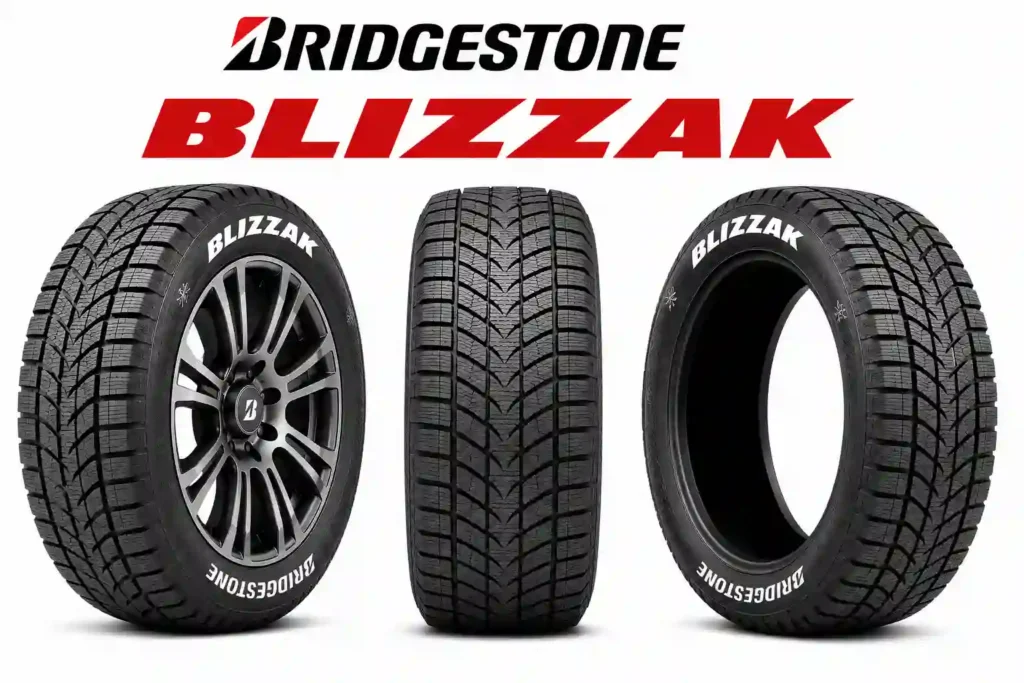
Quick Side-by-Side Spec Comparison
Before we dive deep, we need to look at the raw data. Both tires use unique rubber mixes to stay soft in freezing cold. Here is how they stack up on paper.
| Feature | Bridgestone Blizzak | Goodyear Ultra Grip |
| Primary Focus | Severe ice and deep snow | Highway driving and light snow |
| Tread Type | Directional flow | Directional flow |
| Rubber Compound | Multi-Cell (spongy grip) | Winter reactive silica |
| Warranty | None (common for snow tires) | Limited tread life warranty |
| Price Tier | Premium high-end | Mid-range to premium |
This table shows the core differences clearly. Bridgestone relies on a very soft, spongy rubber. Goodyear uses a slightly firmer mix for better highway miles.
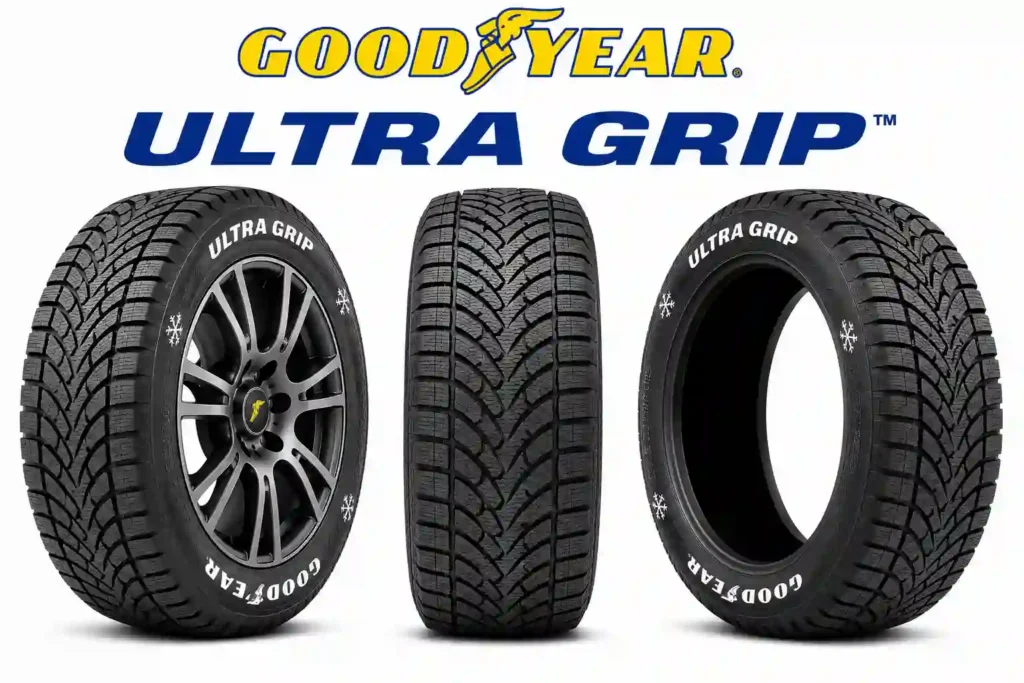
Complete Overview of Both Winter Tires
Both tires are built for freezing weather. They both carry the three-peak mountain snowflake symbol. This means they pass strict winter testing rules. But they target different drivers entirely.
Blizzak: The Pure Ice Champion
The Blizzak line uses tiny bubbles in the rubber. This acts like a sponge to suck up water on slick ice. It grips better than almost anything else. If you drive on sheets of solid ice, this is your tire.
Who should avoid it? Skip the Blizzak if you drive fast on dry highways. The soft rubber wears out very fast on bare pavement. It will feel mushy on warm days.
Ultra Grip: The Highway Hero
The Goodyear Ultra Grip uses sharp tread blocks. It bites into fresh powder very well. But the rubber is slightly harder than the Blizzak. This makes it last much longer on dry winter roads.
Who should avoid it? Skip the Ultra Grip if you live on dirt roads that never get plowed. It struggles just a bit more on pure, wet ice.
Deep Snow Traction and Slush Clearing
Getting stuck in deep snow is scary. You need deep gaps between the tread blocks. These gaps are called voids. Wide voids chew through heavy snow and spit it out.
| Snow Metric | Bridgestone Blizzak | Goodyear Ultra Grip |
| Fresh Powder Grip | 9.5 / 10 | 8.5 / 10 |
| Heavy Slush Clearing | 9.0 / 10 | 8.5 / 10 |
| Deep Rut Pulling | 9.5 / 10 | 8.0 / 10 |
| Overall Snow Rating | 9.3 / 10 | 8.3 / 10 |
As you can see, the Blizzak dominates heavy snow. Its tread design acts like tiny shovels. The Ultra Grip still performs well, but it packs up with thick snow faster.
How Tread Blocks Clear Deep Slush
When you hit warm slush, tires can float. This causes a total loss of steering. The Blizzak uses wide, sweeping grooves. These grooves push the thick slush away from the tire instantly.
Black Ice Performance and Stopping Distance
Black ice is the most dangerous winter hazard. I remember taking a set of Blizzaks on a frozen lake once. The grip was totally unreal. It felt like driving on dry dirt.
| Ice Metric | Bridgestone Blizzak | Goodyear Ultra Grip |
| Ice Braking Distance | Very Short | Moderate |
| Cornering on Ice | 9.5 / 10 | 7.5 / 10 |
| Start from a Stop | No wheel spin | Slight wheel spin |
| Overall Ice Rating | 9.5 / 10 | 7.5 / 10 |
The data points to a clear winner here. Stopping 15 feet shorter on ice saves lives. The Goodyear needs more room to stop safely on solid ice.
“When the temperature drops below zero, standard rubber turns to hard plastic. The Blizzak stays as soft as a pencil eraser. That soft touch is the only thing keeping you out of the ditch.”
The Secret Behind Micro-Bite Grip
Tires use tiny slits in the rubber called sipes. Siping acts like hundreds of biting teeth. When the tire rolls, these teeth open up. They bite directly into the slippery ice.
Cold-Dry Pavement Handling and Cornering
Most winter driving actually happens on dry roads. When the roads are clear, you want a stable ride. Soft snow tires can feel wobbly at high speeds.
Why Soft Winter Tires Feel Mushy
The Blizzak is so soft that it squishes during fast turns. It feels a bit like driving on a waterbed. The Goodyear Ultra Grip shines here. It has stiffer sidewalls. The sidewall is the side of the tire. A stiff sidewall makes the car steer faster.
Wet Performance During Winter Thaws
Winter is not always freezing. Sometimes snow melts and leaves huge puddles. Hitting a deep puddle fast causes hydroplaning. This means the tire floats on the water.
| Wet Metric | Bridgestone Blizzak | Goodyear Ultra Grip |
| Rain Grip | 8.5 / 10 | 9.0 / 10 |
| Hydroplaning Safety | 8.5 / 10 | 9.0 / 10 |
| Wet Braking | 8.0 / 10 | 8.5 / 10 |
| Overall Wet Rating | 8.3 / 10 | 8.8 / 10 |
The Ultra Grip takes the win in the rain. The slightly firmer rubber pushes through standing water better. The Blizzak is good, but it can feel slippery on warm, wet days.
Fighting Water Build-Up Naturally
Both tires use V-shaped tread patterns. This shape acts like a boat hull. It slices right through deep puddles. It channels the water outward. This keeps the rubber touching the road.
Braking Confidence in Freezing Conditions
Your brakes stop the wheels, but your tires stop the car. On a zero-degree day, hard tires will simply slide. You need instant bite when a deer jumps out.
Panic Stops on Freezing Roads
If you slam the brakes on cold asphalt, the Blizzak grabs instantly. The Ultra Grip takes a fraction of a second longer to hook up. That split second matters. It is the difference between a close call and a crash.
Highway Handling and Steering Response
I often drove 80 miles a day on the highway. Using pure snow tires at 70 mph can be loud and tiring. You want a tire that tracks straight.
Staying Straight in Heavy Crosswinds
The Goodyear Ultra Grip tracks beautifully on the highway. You do not have to fight the steering wheel. The Blizzak requires more tiny steering corrections. It tends to wander slightly on dry pavement.
Road Noise Levels for Winter Rubber
Aggressive tires are noisy. This is called NVH. NVH stands for Noise, Vibration, and Harshness. Big tread blocks slap the pavement and create a loud hum.
| Noise Metric | Bridgestone Blizzak | Goodyear Ultra Grip |
| City Speed Hum | Noticeable | Very Quiet |
| Highway Drone | Loud | Moderate |
| Bump Harshness | Very Soft | Slightly Firm |
| Overall NVH Rating | 6.5 / 10 | 8.0 / 10 |
If you hate road noise, avoid the Blizzak. It hums loudly at highway speeds. The Ultra Grip is much quieter. It sounds closer to a normal summer tire.
Does the Aggressive Tread Hum?
Yes, the Blizzak drones badly over 60 mph. Every bump in the road sends a thud into the cabin. The Goodyear smooths out the ride nicely. You will not feel every single pothole on the road.
Tread Life and Seasonal Durability
Winter tires wear out fast on warm roads. The UTQG is a treadwear rating. However, true winter tires do not get official UTQG scores. We must judge them by real-world miles.
| Life Metric | Bridgestone Blizzak | Goodyear Ultra Grip |
| Average Lifespan | 12,000 – 15,000 miles | 20,000 – 25,000 miles |
| Special Compound | Fades at 50% wear | Good until bald |
| Mileage Warranty | None | Yes (some models) |
| Overall Tread Life | 6.0 / 10 | 8.5 / 10 |
The Goodyear Ultra Grip destroys the Blizzak in tread life. The Blizzak uses its magic sponge rubber only on the top half of the tread. Once that wears away, it becomes an average tire.
“Never leave your Blizzaks on past April. A few weeks of 70-degree weather will literally melt the tread blocks off. Take them off early to save your money.”
The Problem With Soft Winter Compounds
Because the Blizzak stops so well, the rubber pays the price. It scrubs away on dry roads fast. If you drive a lot of bare miles, you will buy tires often. The Goodyear saves you money here.
Price vs Winter Safety Value Breakdown
Cost matters. You are buying a second set of tires just for winter. You want to know if the high upfront price is worth the safety.
| Value Metric | Bridgestone Blizzak | Goodyear Ultra Grip |
| Initial Cost | Very High | Moderate |
| Cost Per Mile | High | Low |
| Replacement Rate | Every 2-3 seasons | Every 4-5 seasons |
| Overall Value Score | 7.0 / 10 | 9.0 / 10 |
The Ultra Grip gives you much more bang for your buck. It costs less upfront and lasts much longer. But the Blizzak offers priceless safety if you live in a deep freeze.
Calculating the Cost of Safe Driving
You must weigh upfront cost versus replacement rate. The Goodyear will last you four heavy winters easily. The Blizzak might only last two winters. But avoiding one ice crash pays for the Blizzaks instantly.
Comprehensive Pros and Cons List
It helps to see all the good and bad traits in one spot. Neither tire is perfect. They just serve very different winter needs.
Bridgestone Blizzak Best Traits
- Stops faster on sheer black ice than almost any tire.
- Chews through deep, unplowed snow easily.
- Very soft rubber grips freezing roads perfectly.
- Wears out extremely fast on dry pavement.
- Loud drone on the highway.
Goodyear Ultra Grip Best Traits
- Lasts much longer on dry winter roads.
- Very quiet and smooth at highway speeds.
- Great handling in cold rain and heavy puddles.
- Not as grippy on thick, solid black ice.
- Struggles slightly in extra deep snow.
Which Tire Is Better for Severe Winter?
If you want the absolute safest tire, buy the Bridgestone Blizzak. It stops 15 feet shorter on wet ice because of its special spongy rubber. It could literally save your life.
The “Why It Won” Justification
The Blizzak wins pure winter testing. It beats the Goodyear because of the multi-cell rubber mix. This rubber actively sucks up water on top of the ice. The Goodyear simply cannot match that level of icy grip.
Final Verdict: The Best Snow Tire Choice
The Bridgestone Blizzak is the winner for severe winter safety. If you live where snow plows are rare, buy it. If you drive mostly on plowed highways, the Goodyear is a smarter buy.
Before the snow flies, take a penny and check your current tread depth. If Lincoln’s head is fully visible, your tires are dangerously bald. Call your local shop today and order a fresh set of winter rubber.
FAQ for bridgestone blizzak vs goodyear ultra grip
Which tire lasts longer on dry roads?
The Goodyear Ultra Grip lasts significantly longer on dry roads due to its firmer rubber mix.
Is the Bridgestone Blizzak loud on the highway?
Yes, the aggressive tread blocks on the Blizzak create a noticeable hum at high highway speeds.
Can I drive on these winter tires all year long?
No, leaving either of these winter tires on during summer heat will melt and ruin the tread quickly.
