
Why Is Your Car Cover Fading and How Can You Prevent It?

Quick Answer
Car cover fading happens primarily due to prolonged ultraviolet (UV) radiation breakdown, aggressive environmental pollutants, and low-quality fabric dyes that fail under intense sunlight. To protect your investment, you should choose solution-dyed fabrics, apply specialized UV-blocking fabric sprays, and clean your cover regularly. You can also explore expert maintenance tips over at our automotive care hub.
Key Causes of Cover Fading
- Solar UV radiation: Breaks down chemical bonds in standard fabric dyes over time.
- Environmental fallout: Acid rain and industrial smog accelerate pigment degradation.
- Surface-dyed materials: Cheap covers use surface printing rather than deep-penetration coloring.
- Trapped moisture: Humidity combined with heat bleaches and weakens woven fibers.
Quick Prevention Steps
- Wash your cover every few months using mild, non-detergent soap.
- Apply a UV-inhibitor spray designed specifically for outdoor textiles.
I learned the hard way about car cover fading when my brand-new, deep navy blue outdoor protector turned a dusty, chalky purple after just one blistering summer in the driveway. A quality vehicle shield is supposed to protect your clear coat and interior from sun damage, but the cover itself takes a brutal beating every single day.
When you notice your protective barrier losing its rich color, it is usually the first warning sign that the material’s structural integrity is also breaking down. In this comprehensive guide, we will break down why this discoloration happens, how to select materials that resist solar decay, and what you can do to extend the lifespan of your automotive cover.
In This Guide
What Is Car Cover Fading and Why Does It Happen?
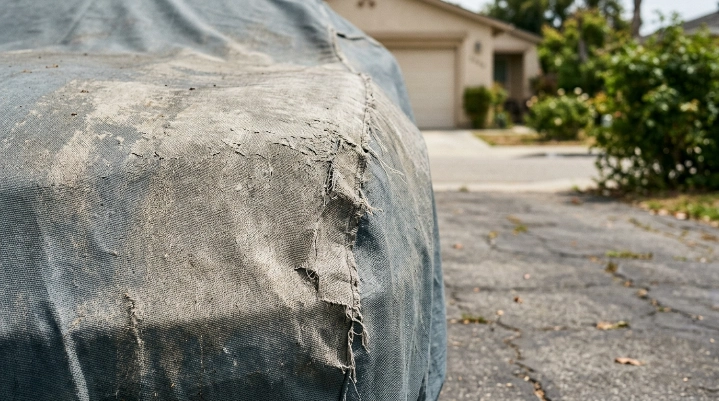
Car cover fading is the gradual loss of pigment and material strength caused by environmental exposure, primarily ultraviolet light. When sunlight hits your vehicle cover, high-energy photons break apart the chemical bonds holding the color molecules together.
A faded car cover is not merely an aesthetic issue because it signals that the outer protective shell is wearing thin. Once the pigments break down, the underlying synthetic threads become brittle, porous, and prone to tearing under strong winds.
Solar radiation acts as a silent torch on outdoor fabrics left unprotected for months on end. According to data from agencies like the National Highway Traffic Safety Administration (NHTSA), prolonged thermal and solar stress significantly degrades exterior automotive plastics and textiles alike.
Section Takeaway: Fading is a chemical reaction to solar UV rays that strips pigment and degrades the structural integrity of your vehicle cover, signaling that the material is losing its protective capabilities.
How Different Fabric Types Resist Ultraviolet Degradation
Not all automotive covers are created equal when it comes to battling harsh sunlight. The yarn manufacturing process dictates whether your cover keeps its color for years or washes out in months.
Surface-dyed fabrics only receive color on the outer layer of the fibers during production. These budget covers fade rapidly because the sun quickly eats through that thin outer pigment layer.
Solution-dyed materials feature color pigments infused directly into the liquid polymer before the fibers are even spun. This ensures that the color runs all the way through the core of the thread, offering superior fade resistance.
Polypropylene, woven polyester, and multi-layered composite materials like those reviewed on sites such as Car and Driver react very differently to extreme climates. Selecting a multi-layered woven fabric dramatically improves both UV blocking and moisture breathability.
Section Takeaway: Solution-dyed synthetic fabrics outlast surface-dyed alternatives because their pigment penetrates the core of every fiber, preventing rapid color bleaching.
Proven Maintenance Steps to Stop Premature Discoloration
You can dramatically slow down the fading process by adopting a proactive maintenance routine for your vehicle protection shield. Letting dust, pollen, and tree sap bake onto the fabric accelerates the breakdown of fabric dyes.
Wash your car cover every two to three months depending on your local climate and parking conditions. Set up a gentle cleaning cycle using lukewarm water and a specialized mild liquid cleaner designed for technical outdoor gear.
Never toss your cover into a standard commercial agitator washing machine because the twisting motion snaps delicate woven seams. Instead, lay the cover flat over your clean vehicle or hang it on a smooth fence to rinse and air dry completely.
Apply a dedicated UV-inhibitor spray formulated for canvas and synthetic textiles once or twice a year. This invisible topical barrier reflects harmful rays before they can interact with the fabric polymers.
Section Takeaway: Regular gentle washing combined with annual UV-inhibitor sprays prevents environmental pollutants from bonding with the fabric and bleaching out its color.
Car Cover Material Performance Comparison
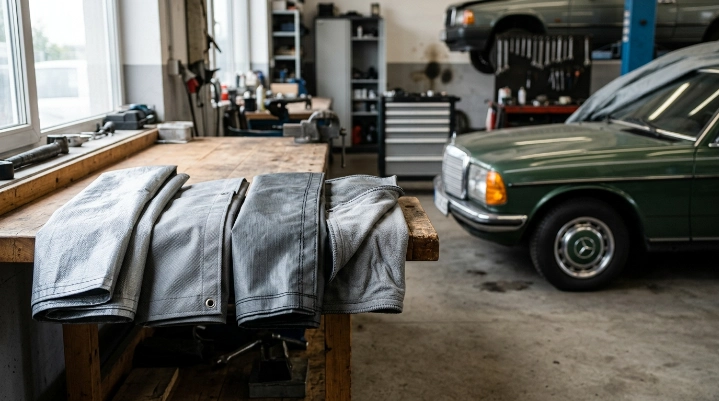
Choosing the right textile for your daily driver depends heavily on your local weather patterns and parking setup. The breakdown below compares popular car cover materials across key performance metrics.
| Material Type | UV Resistance | Breathability | Average Lifespan |
|---|---|---|---|
| Single-Layer Poly | Poor (Fades in 3-6 months) | Moderate | 1 Year |
| Multi-Layer Polypropylene | Good (Resists fading for years) | High | 3 to 5 Years |
| Woven Evolution Fabric | Excellent (Solution-dyed) | High | 4 to 6 Years |
| Heavy-Duty Woven Cotton Blend | Moderate (Prone to sun rot) | Maximum | 2 to 3 Years |
Section Takeaway: Investing in multi-layer polypropylene or solution-dyed woven fabrics provides significantly better longevity and color stability than basic single-layer alternatives.
Common Cleaning Mistakes That Strip Protective Coatings
Many vehicle owners unintentionally ruin their protective covers while trying to keep them clean. Using harsh household laundry detergents strips away factory-applied UV blockers and water-repellent treatments in a single wash cycle.
Never use chlorine bleach or strong oxygen boosters on synthetic automotive covers. These chemical agents break down polyester and polypropylene fibers, leaving the material weak and powdery to the touch.
Drying your cover in a heated mechanical tumbler is another major mistake that shrinks and warps synthetic fabrics. Always let your cover air dry naturally in a shaded area to maintain its custom fit over your vehicle’s contours.
Section Takeaway: Avoiding harsh laundry detergents, chlorine bleach, and machine dryers preserves the chemical treatments that protect your cover from rapid sun fading.
Frequently Asked Questions
Does a faded car cover still protect my car paint?
A lightly faded cover still offers decent physical protection against dust and minor dings, but severe fading means the UV-blocking polymers have degraded. If the fabric feels thin or brittle, it is time for a replacement.
Can I restore the color of a faded car cover?
You cannot easily restore lost pigment once UV rays destroy the fabric dyes. While fabric spray paints exist, they often rub off on your vehicle’s clear coat during humid weather.
How often should I replace an outdoor car cover?
Most quality outdoor vehicle covers last between three and five years depending on your local solar intensity. Replacing them on schedule ensures your vehicle’s paint and trim remain safe.
Is it normal for a car cover to change color unevenly?
Uneven fading is very common because the side of the vehicle facing south or west receives direct sunlight all day. This creates distinct color gradients across different panels of the cover.
Does color choice affect how fast a car cover fades?
Darker colors like navy, black, and deep forest green absorb more solar energy and tend to show fading much faster than light silver or tan covers. Silver covers also reflect more heat away from your car.
Can I use regular fabric protector spray on my car cover?
You should only use UV-inhibitor sprays specifically formulated for outdoor synthetic textiles. Standard household fabric protectors often lack the heavy-duty UV blockers required for automotive environments.
Protect Your Vehicle Investment Today
Dealing with car cover fading comes down to understanding material science and committing to basic preventative maintenance. By choosing solution-dyed fabrics, cleaning your cover regularly, and inspecting it for wear, you will keep your daily driver safe from the elements for years to come. Take a look at your current cover today and start implementing these care steps before sun damage compromises your protection.