
Mold Under Car Cover: Why It Happens and How to Stop It

Quick Answer
Mold under a car cover usually means moisture became trapped between the cover and the vehicle long enough for mold or mildew to develop on dirt, organic residue, fabric, seals, or other damp material. Remove the cover, dry the car completely, wash affected surfaces with an automotive-safe cleaner, and eliminate the moisture source. The EPA’s mold guidance emphasizes that moisture control is the key to preventing mold from returning.
What to do first
- Remove the cover: Don’t leave a damp cover sitting against the vehicle.
- Inspect the car: Check paint, weatherstripping, wheel wells, vents, carpet, seats, and trunk.
- Dry everything: Let both the vehicle and cover dry completely before covering the car again.
- Wash gently: Start with car-wash soap and clean microfiber towels on exterior surfaces.
- Find the moisture source: Look for rain penetration, condensation, a wet cover, damp ground, or an interior leak.
One rule matters most
- Never put the cover back on while either the car or the inside of the cover is still damp.
Finding mold under a car cover is unsettling, especially when you used the cover to protect the vehicle. I’ve seen the same basic problem after cars were covered wet, parked over damp ground, or left untouched through humid weather.
The good news is that surface contamination is often manageable when you catch it early. The bigger job is figuring out where the moisture came from so it doesn’t happen again.
In This Guide
Why Does Mold Grow Under a Car Cover?
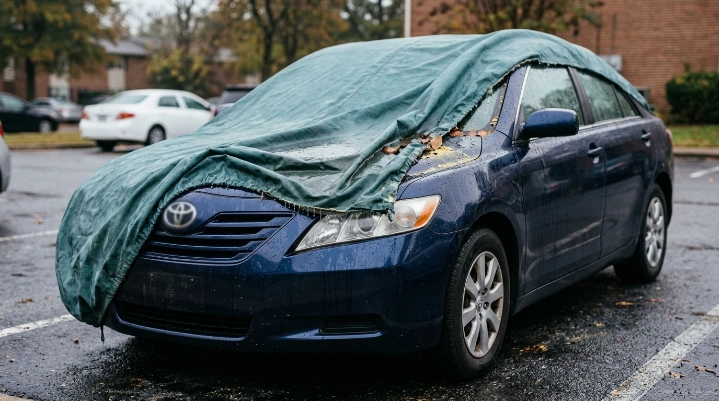
Mold appears when moisture remains around material that can support growth. A covered vehicle can create that opportunity when water gets underneath and cannot evaporate quickly.
Definition: Mold under a car cover is fungal growth or mold-like contamination that develops on the cover, vehicle surface, seals, accumulated dirt, or interior materials while the vehicle remains covered in damp conditions.
A wet car was covered too soon
This is one of the simplest causes. Washing the car and covering it before seams, mirrors, door handles, trim, and body gaps finish drying can trap water beneath the fabric.
Rain can create the same problem. Even if the paint looks mostly dry, water can remain in small crevices and migrate beneath the cover.
The cover allows water in faster than it escapes
Water resistance and breathability aren’t the same thing. A cover needs to protect the car while still giving trapped water vapor a reasonable path out.
Car and Driver’s 2026 car-cover testing found moisture around a vehicle after testing at least one outdoor cover. That is a useful reminder that no cover removes the need for regular inspection.
Humidity and condensation keep surfaces damp
A warm, humid day followed by a cooler night can encourage condensation. Cars stored outside, beneath open carports, or in poorly ventilated garages can experience repeated wet-and-dry cycles.
- Damp pavement or soil: Moisture can remain high around the lower part of the vehicle.
- Long storage periods: Nobody removes the cover to let accumulated moisture escape.
- Dirty surfaces: Dust, pollen, leaves, and other residue give moisture more material to cling to.
- Poor cover fit: Deep folds and sagging areas can hold water against the vehicle.
The cover usually isn’t the root cause by itself. The combination of moisture, time, contamination, and inadequate drying is the real problem.
How Can You Tell How Far the Mold Has Spread?
Start by deciding whether you’re dealing with exterior surface mold, a contaminated cover, or moisture that has entered the cabin. That distinction changes the cleanup considerably.
Inspect the exterior first
Remove the cover outdoors when possible. Don’t shake a visibly moldy cover beside an open door or window.
- Look across the roof, hood, trunk, and glass.
- Check rubber window and door seals.
- Inspect mirror housings and recessed trim.
- Look around the windshield cowl and exterior vents.
- Check wheel arches and lower body panels.
- Inspect the soft inner lining of the cover.
Light spotting that wipes away during a normal wash is much less concerning than staining beneath clear coat, deteriorated trim, or contamination returning after cleaning.
Then inspect the interior
A car cover doesn’t normally make the cabin wet by itself. Interior dampness points toward another problem, such as a leaking door seal, clogged drain, windshield leak, wet carpet, or previous water intrusion.
Consumer Reports recommends checking for musty odors and damp carpeting when looking for vehicle water intrusion. I use the same clues when a covered car smells suspicious.
| What you find | Likely issue | First action |
|---|---|---|
| Spots only on paint or glass | Surface moisture and contamination | Wash, rinse, and dry completely |
| Mold on cover lining | Cover remained damp | Clean per manufacturer instructions and fully dry |
| Musty cabin plus damp carpet | Possible interior water intrusion | Locate and repair the leak |
| Visible growth on seats or carpet | Porous interior material is contaminated | Consider professional remediation |
| Rust or electrical symptoms after water exposure | Possible deeper water damage | Have the vehicle professionally inspected |
How Do You Remove Mold Under a Car Cover Safely?
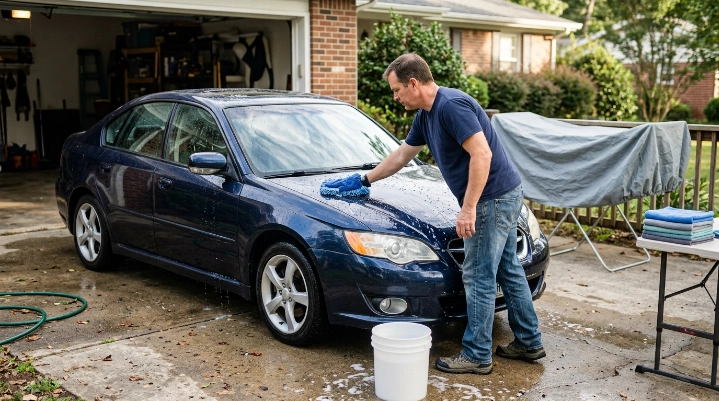
For light contamination on a painted exterior, start with the least aggressive cleaning method. You don’t need harsh household chemicals to begin.
Step 1: Move the vehicle into a dry, ventilated area
Take the cover off and spread it away from the car. Open the doors only after you’ve inspected the cabin and determined that you aren’t spreading exterior debris inside.
Step 2: Let wet surfaces dry
Drying matters as much as cleaning. The CDC’s mold guidance recommends drying water-damaged materials quickly, generally within 24–48 hours after significant wetting.
That guidance is written for buildings rather than automobiles, but the moisture-control principle is useful here. Don’t leave wet upholstery, carpeting, or cover fabric sealed up for days.
Step 3: Wash exterior surfaces
- Rinse loose dirt from the vehicle.
- Use a clean wash mitt and automotive car-wash soap.
- Work gently instead of scrubbing one spot aggressively.
- Rinse the surface thoroughly.
- Dry paint, glass, trim, seams, and body gaps.
- Reinspect the cleaned area in good light.
Don’t automatically reach for bleach, concentrated household disinfectants, or abrasive cleaners. Automotive paint, rubber, plastics, upholstery, and coated trim can react differently from household surfaces.
Step 4: Clean or replace the cover
Follow the cover manufacturer’s washing instructions because materials and waterproof coatings vary. A machine-washable cover may require a different method from a multilayer outdoor cover.
If the inner lining stays musty, visibly contaminated, damaged, or damp after proper cleaning and drying, replacement is the safer choice. Putting a dirty cover back on a clean car simply restarts the cycle.
Can Mold Under a Car Cover Damage Your Vehicle?
Mold sitting on intact automotive paint doesn’t automatically mean the paint is ruined. However, prolonged damp storage can create other problems that are more expensive than the mold itself.
Paint and trim
Persistent moisture can leave spotting, soften accumulated grime, and keep contaminants pressed against the finish. A loose outdoor cover can also move in wind, allowing dirt between the cover and paint to act like an abrasive.
If washing removes the contamination but leaves dullness or etched-looking marks, stop escalating with household chemicals. A professional detailer can assess whether decontamination or paint correction is appropriate.
Rubber seals and exterior crevices
Weatherstripping, cowl areas, badges, and trim gaps tend to hold moisture longer than broad painted panels. Clean those areas gently and allow them to dry before storage.
Interior materials
Cabin mold deserves more attention because carpet padding, seat foam, headliners, and insulation are porous. Surface wiping may not reach contamination that has developed underneath.
Water intrusion can also affect electrical connectors and metal components. That is why wet carpets plus warning lights, electrical faults, or corrosion should not be treated as a cosmetic detailing problem.
Mechanic Alert: If water has reached wiring, electronic modules, connectors, or concealed electrical components, have a qualified technician inspect the vehicle instead of dismantling electrical systems yourself.
How Do You Prevent Mold Under a Car Cover?
The best prevention strategy is simple: keep moisture from being trapped in the first place. Cleaning mold without changing storage conditions usually leads to the same problem again.
Only cover a completely dry car
After washing, give water trapped in mirrors, trim, handles, seals, wheel openings, and body seams time to drain. A quick towel-dry of the hood isn’t enough.
If rain has just stopped, don’t rush outside and cover the car immediately. Let airflow do its job first.
Choose the right cover for the storage location
- Indoor storage: Prioritize a soft, clean cover suited to dust protection.
- Outdoor storage: Use a purpose-built outdoor cover designed for weather exposure and moisture management.
- Avoid makeshift plastic tarps: They can fit poorly, trap condensation, and rub against paint.
- Use the correct size: Large folds and water-holding pockets are undesirable.
Inspect a stored vehicle regularly
Long-term storage shouldn’t mean abandoning the car beneath a cover. Periodically remove the cover on a dry day and check both surfaces.
- Feel the inside of the cover for dampness.
- Look for condensation on glass and paint.
- Check the cabin for musty odors.
- Feel carpet in common leak areas.
- Clear leaves and debris around drainage areas.
- Confirm the cover hasn’t shifted or torn.
One habit has saved me plenty of cleanup: if I remove a cover and find unexpected moisture, I don’t put it straight back on. I find the reason first.
When Should You Get Professional Help?
DIY cleaning makes sense for small amounts of exterior surface contamination. It makes much less sense when moisture has moved into porous interior materials or vehicle electronics.
Get professional help when you find any of these conditions:
- Heavy mold across seats, carpet, headliner, or trunk lining.
- Carpet padding that remains wet beneath the visible carpet.
- A strong musty smell that returns after drying.
- Standing water in the passenger compartment or spare-tire well.
- Corrosion around wiring or electrical connectors.
- Warning lights or electrical problems following water exposure.
- Paint damage that remains after a careful hand wash.
For vehicles with suspected major water exposure, Kelley Blue Book’s flood-damage guidance recommends looking beneath carpeting, checking for rust, inspecting the trunk, and paying attention to musty odors.
A detailer can handle paint and light interior contamination. A body shop, leak specialist, or mechanic is more appropriate when water is entering through the body or affecting electrical systems.
Mechanic Alert: Don’t probe powered connectors, remove electronic modules, or perform electrical repairs on a water-damaged vehicle unless you have the proper training and service information.
Frequently Asked Questions About Mold Under a Car Cover
Can a car cover cause mold?
A car cover doesn’t create mold by itself, but it can contribute to conditions that allow mold to grow if it traps moisture against the vehicle. Covering a wet car, using an unsuitable cover, high humidity, condensation, and leaving the vehicle covered for long periods can all contribute.
Should I throw away a moldy car cover?
Not automatically. Check the manufacturer’s cleaning instructions first. If the cover can be washed and dried completely with no remaining contamination or odor, it may still be usable. Replace it when the lining stays moldy, musty, damaged, or unable to dry properly.
Can I put a car cover on a wet car?
No. Wait until the vehicle and the inside of the cover are dry. Water hides around mirrors, trim, door seals, body seams, and wheel openings, so give those areas enough time to drain and dry before covering the vehicle.
Will mold ruin car paint?
Light surface contamination doesn’t necessarily ruin intact paint. Wash it promptly with automotive-safe products and inspect the finish afterward. If discoloration, etching, dull patches, or clear-coat damage remains after washing, have a professional detailer evaluate the surface instead of using stronger household chemicals.
Why does my covered car smell musty inside?
A musty cabin suggests moisture may be present inside the vehicle. Check carpets, under floor mats, the trunk, spare-tire well, headliner, and areas near door or window seals. Fixing the water source is essential because cleaning odor alone won’t stop recurring mold.
Is a breathable car cover better for preventing mold?
Moisture management is important because trapped dampness encourages mold growth. For outdoor storage, choose a properly fitting cover designed for that environment and follow its manufacturer’s directions. Even with a breathable cover, never cover a wet vehicle or assume the car can remain unchecked indefinitely.
The takeaway: Mold under a car cover is primarily a moisture warning. Remove the cover, clean and dry both surfaces, inspect the cabin for hidden water, and correct the storage condition that allowed dampness to remain.
If the mold keeps returning, don’t keep treating the symptom. Find the leak, condensation problem, damp cover, or storage issue before it turns a manageable cleanup into paint, upholstery, corrosion, or electrical repair work.