
Why Is My Car Running Hot

If your car is running hot, it’s a warning sign you shouldn’t ignore. Overheating can lead to serious engine damage, costly repairs, or even total engine failure if left unchecked. Understanding the root causes—from low coolant to faulty thermostats—can help you act quickly and keep your vehicle safe on the road.
Key Takeaways
- Low coolant levels are the #1 cause of overheating: Coolant absorbs and transfers heat away from the engine; without enough, temperatures spike fast.
- A faulty thermostat can trap heat: If it gets stuck closed, coolant can’t circulate, causing the engine to overheat even with full coolant.
- Radiator issues block heat dissipation: Clogs, leaks, or damaged fins prevent proper airflow and cooling, especially in traffic or hot weather.
- Water pump failure stops coolant flow: This critical component circulates coolant; if it fails, the engine heats up rapidly.
- Cooling fan problems reduce airflow: Electric or mechanical fans help cool the radiator—when they don’t work, overheating is common at idle or low speeds.
- Head gasket leaks can mimic overheating: A blown head gasket may cause white smoke, milky oil, and overheating due to combustion gases entering the cooling system.
- Ignoring warning signs leads to major damage: Pull over immediately if the temperature gauge spikes—continued driving can warp engine parts or cause seizures.
📑 Table of Contents
Why Is My Car Running Hot? Understanding the Warning Signs
You’re cruising down the highway, windows down, music up—then suddenly, you notice the temperature gauge creeping into the red zone. Your dashboard warning light flashes: “Check Engine” or “Coolant Temperature.” Your heart skips a beat. Why is my car running hot?
It’s a question no driver wants to ask—but one that demands immediate attention. Overheating isn’t just an inconvenience; it’s a red flag that your engine is under stress. Modern engines operate at high temperatures, typically between 195°F and 220°F (90°C to 104°C). The cooling system is designed to maintain this range, but when something goes wrong, things can spiral quickly.
Ignoring a hot-running engine can lead to warped cylinder heads, cracked engine blocks, or even a seized engine—repairs that can cost thousands. The good news? Most overheating issues are preventable and often fixable if caught early. In this guide, we’ll walk you through the most common reasons your car might be running hot, how to spot the symptoms, and what you can do about it—whether you’re a DIY enthusiast or prefer to leave it to the pros.
Common Causes of a Hot-Running Car
Visual guide about Why Is My Car Running Hot
Image source: mycarmakesnoise.com
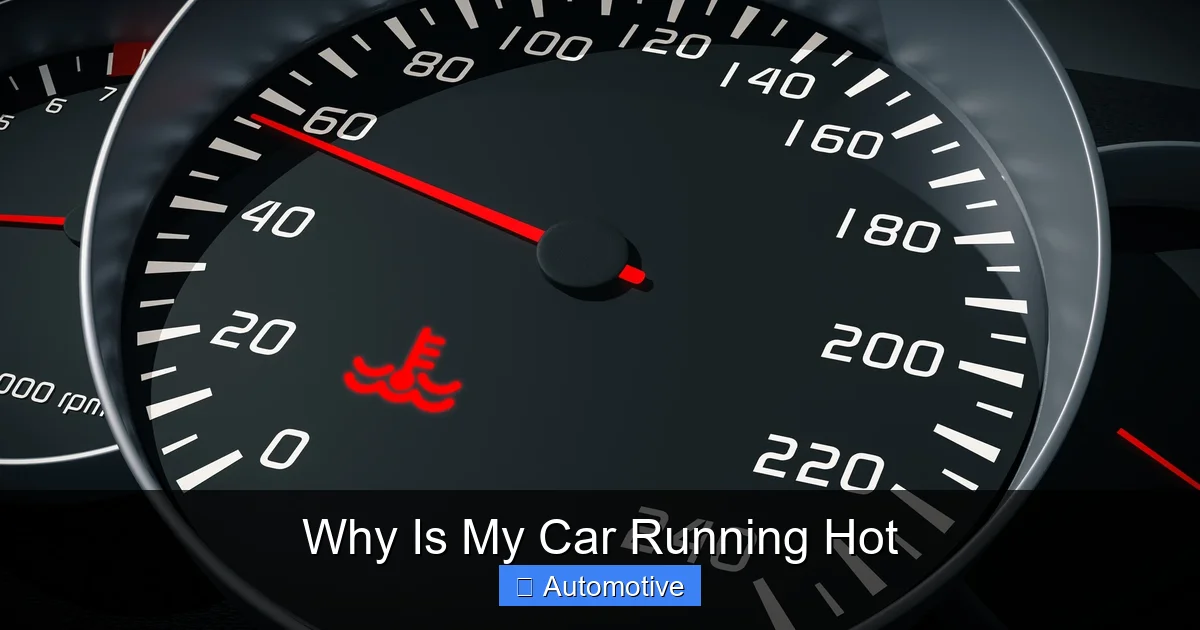
When your car starts running hot, it’s usually because the cooling system—responsible for keeping the engine at a safe temperature—has failed in some way. This system includes the radiator, water pump, thermostat, coolant, hoses, and cooling fan. If any part of this network breaks down, heat builds up fast.
Let’s break down the top culprits behind overheating:
1. Low Coolant Levels
Coolant—also known as antifreeze—is the lifeblood of your cooling system. It circulates through the engine, absorbing heat, and then releases it through the radiator. If your coolant level is low, there simply isn’t enough fluid to do the job.
Why it happens: Coolant doesn’t just evaporate; it usually leaks. Common leak points include radiator hoses, the radiator itself, the water pump, or the heater core. A cracked engine block or blown head gasket can also cause internal coolant loss.
What to look for: Check your coolant reservoir when the engine is cold. If it’s below the “MIN” line, you’ve got a problem. Also, look for puddles of bright green, orange, or pink fluid under your car—these are telltale signs of a coolant leak.
Quick fix: Top off the coolant with the correct type (check your owner’s manual). But don’t stop there—find and fix the leak. Driving with low coolant is like running a marathon without water.
2. Faulty Thermostat
The thermostat is a small but mighty component that regulates coolant flow. When the engine is cold, it stays closed, allowing the engine to warm up quickly. Once the engine reaches operating temperature, the thermostat opens, letting coolant flow to the radiator.
Why it happens: Over time, thermostats can fail—either stuck open (causing the engine to run too cool) or stuck closed (causing overheating). A stuck-closed thermostat is especially dangerous because it blocks coolant from circulating.
What to look for: If your car overheats shortly after starting, especially in cold weather, a stuck thermostat is a likely suspect. You might also notice the upper radiator hose remains cool while the engine is hot—this means coolant isn’t flowing.
Quick fix: Replace the thermostat. It’s a relatively inexpensive part (usually $10–$30) and can often be replaced in under an hour with basic tools. Always use the correct temperature rating for your vehicle.
3. Radiator Problems
The radiator is where coolant releases heat to the outside air. If it’s clogged, damaged, or leaking, it can’t do its job.
Why it happens: Radiators can get clogged with debris, rust, or sediment over time. External damage from road debris can also puncture the thin fins or tubes. Additionally, plastic radiator tanks can crack with age.
What to look for: Visible leaks, bent or crushed fins, or a radiator that feels hot in some spots and cold in others. You might also notice steam or a sweet smell (from coolant) near the front of the car.
Quick fix: For minor clogs, a radiator flush might help. But if there’s physical damage or internal corrosion, replacement is usually necessary. Don’t ignore a leaking radiator—it can lead to rapid coolant loss.
4. Water Pump Failure
The water pump is the heart of the cooling system. It uses an impeller to push coolant through the engine and radiator. If it fails, coolant stops moving—and the engine heats up fast.
Why it happens: Water pumps have seals and bearings that wear out over time. A common sign of failure is a leaking weep hole (a small hole near the pump’s base) or a wobbly pulley.
What to look for: Coolant leaks near the front of the engine, a whining or grinding noise from the pump area, or overheating at highway speeds (when the pump should be working hardest).
Quick fix: Water pump replacement is more involved and may require removing the serpentine belt and timing components (depending on your vehicle). It’s best left to a mechanic unless you’re experienced.
5. Cooling Fan Malfunction
The cooling fan pulls air through the radiator when the car is idling or moving slowly. Without it, airflow is insufficient, and the engine can overheat—even with full coolant.
Why it happens: Electric fans are controlled by sensors and relays. If a sensor fails, the fan won’t turn on. Mechanical fans (driven by the engine) can fail due to a broken clutch.
What to look for: The fan doesn’t spin when the engine is hot, especially at idle. You might also hear a clicking sound from the relay or see a blown fuse.
Quick fix: Check fuses and relays first—they’re cheap and easy to replace. If the fan motor is dead, replacement is usually straightforward. For mechanical fans, inspect the fan clutch for proper engagement.
6. Head Gasket Failure
This is one of the most serious causes of overheating. The head gasket seals the cylinder head to the engine block. If it fails, combustion gases can enter the cooling system, causing pressure buildup and overheating.
Why it happens: Overheating itself can cause a head gasket to blow—creating a vicious cycle. Other causes include poor installation, engine detonation, or age-related wear.
What to look for: White smoke from the exhaust, milky or frothy oil on the dipstick, coolant loss without visible leaks, or bubbles in the coolant reservoir.
Quick fix: Head gasket repair is complex and expensive ($1,000–$2,500+). If you suspect a blown head gasket, stop driving immediately and have it inspected by a professional.
How to Diagnose a Hot-Running Car
Visual guide about Why Is My Car Running Hot
Image source: roadsumo.com
Diagnosing overheating starts with observation. Don’t wait for the engine to smoke—act as soon as you notice warning signs.
Step 1: Check the Temperature Gauge
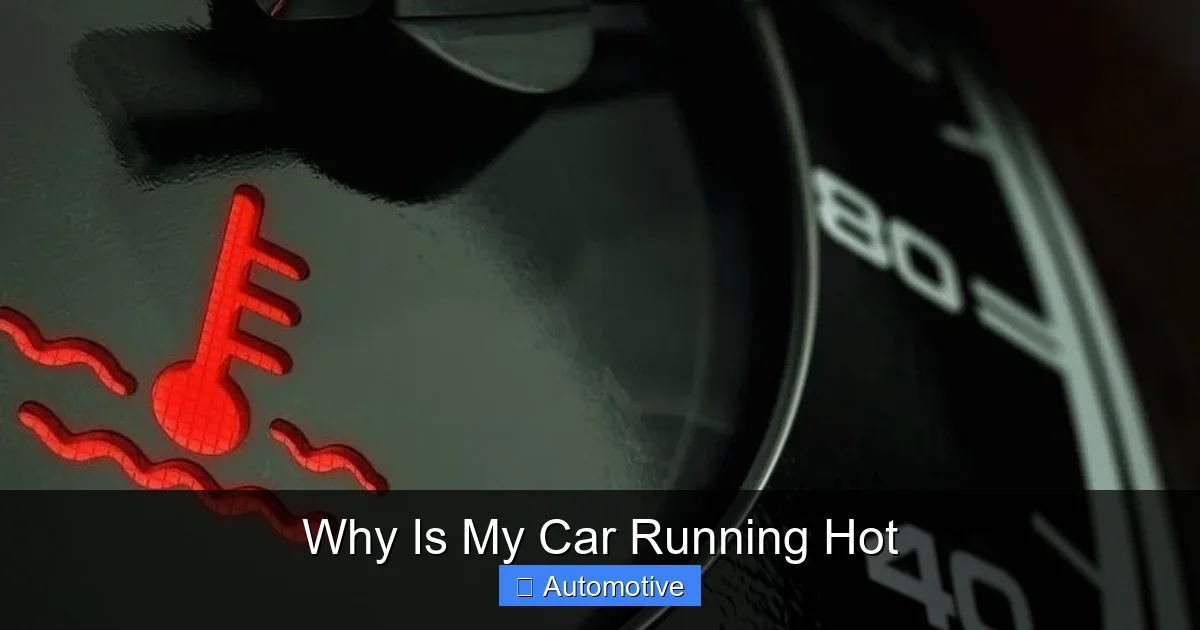
Most cars have a temperature gauge on the dashboard. Normal operating temperature is usually in the middle of the gauge. If it’s in the red or near the hot mark, pull over safely as soon as possible.
Pro tip: Some cars have a digital display or warning light instead of a gauge. Learn what your car’s warning symbols mean—don’t ignore them.
Step 2: Inspect Coolant Levels
With the engine cool, open the hood and check the coolant reservoir. The level should be between the “MIN” and “MAX” marks. If it’s low, top it off—but investigate why it’s low.
Safety note: Never open the radiator cap when the engine is hot. Pressure can cause scalding coolant to spray out.
Step 3: Look for Leaks
Inspect under the car for puddles. Coolant is usually brightly colored (green, orange, pink, or blue) and has a sweet smell. Check hoses for cracks, bulges, or wet spots.
Step 4: Test the Thermostat
Start the engine and let it warm up. Feel the upper radiator hose—it should get hot after a few minutes. If it stays cool while the engine overheats, the thermostat may be stuck closed.
Step 5: Check the Cooling Fan
Turn on the AC or let the engine idle until it reaches operating temperature. The fan should kick on. If it doesn’t, check fuses, relays, and the fan motor.
Step 6: Listen for Unusual Noises
A failing water pump may make a whining or grinding noise. A blown head gasket can cause knocking or hissing sounds.
What to Do If Your Car Is Running Hot
Visual guide about Why Is My Car Running Hot
Image source: autoily.com
If you notice your car running hot, don’t panic—but don’t ignore it either. Here’s what to do:
1. Pull Over Safely
As soon as you see the temperature gauge rise, find a safe place to pull over. Turn off the engine to prevent further damage.
2. Let the Engine Cool
Wait at least 15–30 minutes before opening the hood. Hot coolant and steam can cause serious burns.
3. Add Coolant (If Safe)
Once the engine is cool, check the coolant level. If it’s low, add a 50/50 mix of coolant and water (or pre-mixed coolant). Don’t overfill.
4. Turn on the Heater
This may sound counterintuitive, but turning the heater to full blast can help draw heat away from the engine. It’s a temporary fix to help you get to a safe location.
5. Call for Help
If you can’t safely continue driving, call a tow truck. Driving while overheating can destroy your engine.
6. Get It Checked
Even if the problem seems resolved, have a mechanic inspect your cooling system. There may be an underlying issue that needs repair.
Preventing Your Car from Running Hot
An ounce of prevention is worth a pound of cure—especially when it comes to engine overheating.
Regular Maintenance
Follow your vehicle’s maintenance schedule. This includes coolant flushes every 30,000 to 50,000 miles (or as recommended), replacing hoses every 5–7 years, and inspecting the water pump and thermostat.
Check Coolant Levels Monthly
Make it a habit to check your coolant reservoir during routine oil checks. Top off as needed and investigate any drops in level.
Inspect Hoses and Belts
Look for cracks, bulges, or soft spots in radiator hoses. A broken hose can cause instant overheating.
Keep the Radiator Clean
Debris like leaves, bugs, and dirt can block airflow. Use a soft brush or compressed air to clean the radiator fins periodically.
Use the Right Coolant
Always use the coolant type specified in your owner’s manual. Mixing incompatible coolants can cause sludge and corrosion.
Monitor Driving Conditions
Heavy loads, towing, or driving in extreme heat put extra strain on the cooling system. Take breaks, avoid idling for long periods, and ensure the cooling fan is working.
When to See a Mechanic
Some overheating issues are simple fixes—like topping off coolant or replacing a thermostat. But others require professional attention.
See a Mechanic If:
- The engine overheats repeatedly, even after topping off coolant
- You see signs of a head gasket failure (white smoke, milky oil)
- The water pump is leaking or making noise
- The radiator is damaged or clogged
- You’re unsure of the cause or how to fix it
A qualified mechanic can perform a pressure test, check for combustion gases in the coolant, and diagnose complex issues. Don’t risk driving with a hot-running car—your engine is too valuable.
Conclusion
So, why is your car running hot? It’s usually a sign that your cooling system isn’t doing its job. Whether it’s low coolant, a stuck thermostat, a failing water pump, or a blown head gasket, the cause is often fixable—if you act fast.
The key is to stay alert. Watch your temperature gauge, check coolant levels regularly, and don’t ignore warning lights. A little attention now can save you from a major repair bill later.
Remember: overheating is your car’s way of saying, “I need help.” Listen to it. Pull over, assess the situation, and get professional help when needed. With proper care and maintenance, your car can stay cool, reliable, and ready for the road ahead.
Frequently Asked Questions
Why is my car running hot but the coolant is full?
Even with full coolant, your car can overheat due to a faulty thermostat, water pump failure, or cooling fan malfunction. These components control coolant flow and airflow—without them working properly, heat builds up despite adequate fluid levels.
Can low oil cause a car to run hot?
Yes, low oil can contribute to overheating. Engine oil helps reduce friction and dissipate heat. If oil levels are low or the oil is old and sludgy, the engine runs hotter and is more prone to damage.
How long can you drive with a hot engine?
You shouldn’t drive at all if the engine is overheating. Even a few minutes can cause severe damage. Pull over immediately, turn off the engine, and let it cool before assessing the issue.
What does it mean if my car is running hot at idle?
Overheating at idle often points to a cooling fan problem. The fan is responsible for pulling air through the radiator when the car isn’t moving. If it’s not working, airflow is insufficient, causing heat buildup.
Can a bad radiator cap cause overheating?
Yes, a faulty radiator cap can prevent the cooling system from maintaining proper pressure. This lowers the coolant’s boiling point and can lead to overheating or coolant loss through the overflow tank.
Is it safe to add water to coolant in an emergency?
Yes, in an emergency, you can add clean water to the coolant reservoir to get you to a safe location. However, replace it with the proper coolant mixture as soon as possible to avoid corrosion and freezing.
