
What Makes a Car Run Hot?

Understanding what makes a car run hot is essential for every driver. Engine overheating can stem from low coolant, faulty thermostats, or radiator issues, and ignoring it may lead to serious engine damage. Regular maintenance and quick action can keep your car running cool and reliable.
Key Takeaways
- Low coolant levels are a leading cause of overheating: Coolant absorbs and transfers heat away from the engine, and low levels reduce its effectiveness.
- A malfunctioning thermostat can trap heat: If the thermostat fails to open, coolant can’t circulate, causing the engine to overheat.
- Radiator problems restrict cooling: Clogs, leaks, or damaged fins reduce airflow and heat dissipation.
- Water pump failure stops coolant flow: The water pump circulates coolant; if it fails, the engine heats up rapidly.
- Cooling fan issues prevent airflow: Electric or mechanical fans help cool the radiator, especially at low speeds or idle.
- Driving conditions impact engine temperature: Heavy loads, stop-and-go traffic, or extreme weather can increase heat buildup.
- Regular maintenance prevents overheating: Checking coolant, belts, hoses, and the radiator helps avoid unexpected breakdowns.
📑 Table of Contents
What Makes a Car Run Hot? Understanding Engine Overheating
Have you ever been driving down the road, enjoying the breeze through your open window, when suddenly your dashboard lights up like a holiday tree? One of the most alarming warnings is the temperature gauge creeping into the red zone. That’s your car’s way of screaming, “I’m running hot!” But what exactly makes a car run hot?
Engine overheating is more than just an inconvenience—it’s a serious issue that can lead to costly repairs or even total engine failure if ignored. Modern cars are engineered to operate within a specific temperature range, typically between 195°F and 220°F (90°C to 105°C). When the engine exceeds this range, components can warp, seals can fail, and internal damage can occur. The good news? Most causes of overheating are preventable with regular maintenance and a little awareness.
So, what’s going on under the hood when your car starts to run hot? It usually comes down to a breakdown in the cooling system—the network of parts designed to keep your engine from turning into a mini furnace. This system includes the radiator, water pump, thermostat, coolant, hoses, and cooling fans. When any of these components fail or become compromised, heat builds up faster than it can be released. Whether you’re a weekend driver or a daily commuter, understanding the signs and causes of overheating can save you time, money, and stress.
How the Engine Cooling System Works
Visual guide about What Makes a Car Run Hot?
Image source: ww2.justanswer.com
Before diving into what makes a car run hot, it helps to understand how the cooling system is supposed to work. Think of it like your body’s circulatory system—but instead of blood, it uses coolant to regulate temperature.
When your engine runs, it generates a tremendous amount of heat from combustion. Without proper cooling, metal parts would expand, seize, and destroy the engine in minutes. That’s where the cooling system steps in. Coolant—a mix of antifreeze and water—circulates through passages in the engine block and cylinder head, absorbing heat. From there, it flows into the radiator, where air passing through (either from driving or the cooling fan) cools it down. The cooled coolant then returns to the engine to repeat the cycle.
The thermostat acts as a gatekeeper, regulating when coolant flows into the radiator. It stays closed when the engine is cold, allowing it to warm up quickly. Once the engine reaches operating temperature, the thermostat opens, letting coolant circulate. The water pump, driven by a belt or chain, keeps the coolant moving throughout the system. Meanwhile, the radiator fan kicks in when needed—especially at low speeds or idle—to pull air through the radiator and maintain cooling.
This entire process is finely tuned. If one part fails, the balance is disrupted, and your engine can quickly run hot. For example, if the thermostat gets stuck closed, coolant can’t reach the radiator, and heat builds up fast. Or if the water pump fails, coolant stops flowing altogether. Understanding this flow helps you appreciate why even small issues can have big consequences.
Common Causes of Engine Overheating

Visual guide about What Makes a Car Run Hot?
Image source: cf.shopee.com.my
Now that you know how the cooling system works, let’s explore the most common reasons what makes a car run hot. These issues range from simple fixes to more complex mechanical failures, but all can lead to dangerous overheating if not addressed.
Low Coolant Levels
One of the most frequent causes of overheating is simply not having enough coolant in the system. Coolant—also known as antifreeze—is the lifeblood of the cooling system. It absorbs heat from the engine and carries it to the radiator to be released. If the level drops too low, there’s not enough fluid to do the job, and the engine starts to overheat.
Coolant can be lost in several ways. Small leaks in hoses, the radiator, water pump, or heater core can slowly drain the system over time. These leaks might not be obvious at first—you might just notice a puddle under your car or a sweet-smelling residue on the engine. Another common cause is evaporation, especially in older systems or if the radiator cap isn’t sealing properly. The cap maintains pressure in the system, which raises the boiling point of the coolant. If it’s faulty, coolant can boil off even at normal temperatures.
To check your coolant level, wait until the engine is cool, then locate the coolant reservoir (usually a translucent plastic tank near the radiator). The level should be between the “min” and “max” marks. If it’s low, top it up with the correct type of coolant—never use plain water unless it’s an emergency. But remember: low coolant is often a symptom, not the root cause. If you’re constantly refilling it, you likely have a leak that needs professional attention.
Faulty Thermostat
The thermostat is a small but critical component that controls the flow of coolant. When the engine is cold, the thermostat remains closed, allowing the engine to warm up quickly. Once it reaches the ideal operating temperature (usually around 195°F), the thermostat opens, letting coolant flow into the radiator to cool down.
But what if the thermostat gets stuck closed? That’s when trouble starts. With no coolant circulating, the engine heats up rapidly, often within minutes of starting the car. You might notice the temperature gauge climbing quickly, even if you’re just idling. In some cases, a thermostat can also get stuck open, which keeps the engine running too cool—inefficient, but not dangerous like overheating.
Thermostats can fail due to age, corrosion, or debris in the coolant. Replacing one is relatively inexpensive and straightforward, but it’s important to use the correct part for your vehicle. Some modern thermostats are housed inside the engine’s coolant outlet, making access a bit trickier. If you suspect a faulty thermostat, a mechanic can test it by heating it in water to see if it opens at the right temperature.
Radiator Problems
The radiator is the heat exchanger that releases engine heat into the air. It’s made up of thin metal fins and tubes that allow coolant to flow through while air passes over them. But over time, the radiator can become clogged with debris, rust, or mineral deposits from old coolant. This restricts airflow and reduces its ability to cool the engine.
External blockages are also common. Bugs, dirt, and leaves can accumulate on the radiator’s surface, especially if you drive on gravel roads or in rural areas. Even a bent or damaged fin can disrupt airflow. You might notice reduced cooling efficiency, especially at highway speeds where airflow should be strongest.
Radiator leaks are another issue. Corrosion can eat through the thin metal, causing small holes that leak coolant. You might see green, yellow, or pink fluid under your car. In severe cases, the radiator may need to be replaced, though minor leaks can sometimes be repaired with sealants—though this is usually a temporary fix.
To keep your radiator in good shape, have it inspected during regular maintenance. Flushing the cooling system every few years helps remove sludge and debris. And if you live in an area with hard water, using the right coolant mix can prevent mineral buildup.
Water Pump Failure
The water pump is the heart of the cooling system. It’s typically located at the front of the engine and is driven by a belt or chain. Its job is to circulate coolant through the engine and radiator. If the pump fails, coolant stops moving, and the engine heats up fast.
Common signs of water pump failure include coolant leaks from the weep hole (a small opening near the pump’s shaft), a loose or wobbly pulley, or a whining noise from the front of the engine. In some cases, the impeller inside the pump can break or corrode, reducing its ability to move coolant—even if the pump appears to be running.
Water pumps usually last 60,000 to 100,000 miles, but they can fail earlier due to poor maintenance or a broken timing belt. Since many water pumps are driven by the timing belt, replacing the belt often includes replacing the pump as a preventive measure. Ignoring a failing water pump can lead to catastrophic engine damage, so it’s best to address symptoms early.
Cooling Fan Malfunctions
The cooling fan plays a crucial role, especially when the car is moving slowly or stopped. At highway speeds, airflow through the radiator is usually sufficient, but in traffic or at idle, the fan must kick in to keep things cool.
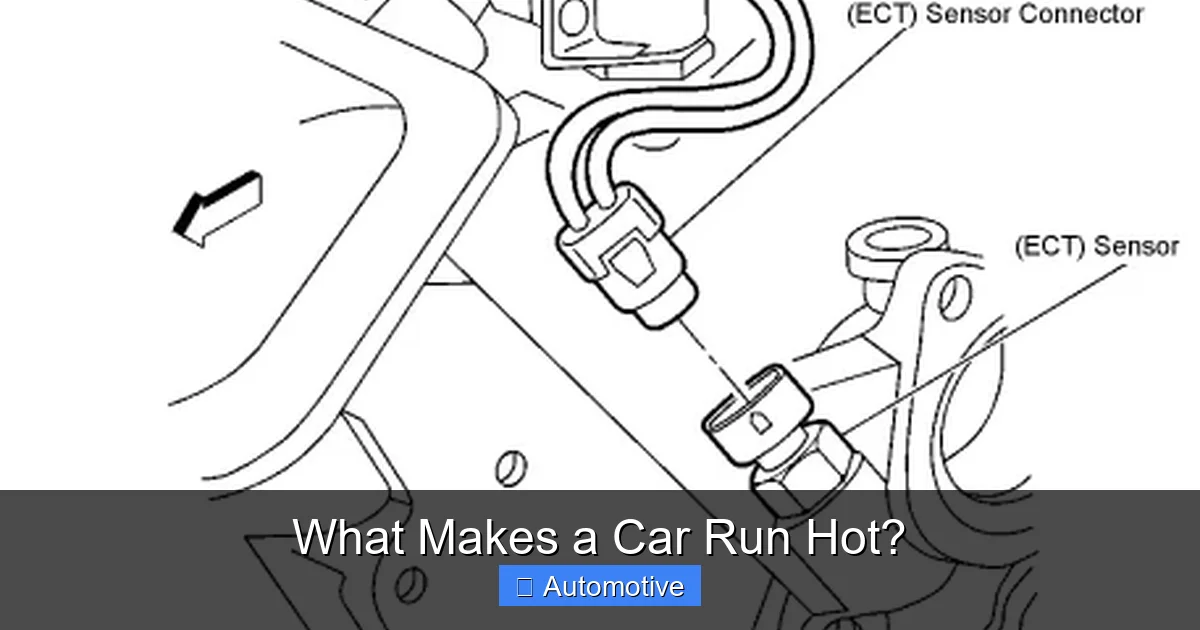
Most modern cars use electric cooling fans controlled by a temperature sensor. When the engine gets too hot, the sensor signals the fan to turn on. If the fan doesn’t activate, the engine can overheat even if everything else is working properly.
Common fan issues include blown fuses, faulty relays, bad motors, or damaged wiring. You might notice the fan doesn’t turn on when the engine is hot, or it runs constantly even when the car is cool. In older vehicles, mechanical fans driven by the engine via a clutch can also fail. The clutch may wear out, causing the fan to spin too slowly or not at all.
To test the fan, let the engine idle until it reaches operating temperature, then see if the fan kicks on. If it doesn’t, check the fuse and relay first—these are easy and cheap fixes. If those are fine, the motor or sensor may need replacement.
Driving Conditions That Contribute to Overheating
Visual guide about What Makes a Car Run Hot?
Image source: picclickimg.com
While mechanical failures are often to blame, external factors can also make a car run hot. Understanding these conditions can help you adjust your driving habits and avoid overheating.
Heavy Loads and Towing
Pushing your engine hard—like towing a trailer, hauling heavy cargo, or driving up steep hills—increases heat production. The cooling system has to work harder to keep up, and if it’s already compromised, overheating becomes more likely.
If you frequently tow or drive in mountainous areas, consider upgrading to a high-capacity radiator or auxiliary transmission cooler. Also, avoid sudden acceleration and maintain steady speeds to reduce strain on the engine.
Stop-and-Go Traffic
City driving with frequent stops and starts puts extra stress on the cooling system. At low speeds, airflow through the radiator is reduced, so the cooling fan must do most of the work. If the fan isn’t functioning properly, heat can build up quickly.
To minimize risk, try to avoid driving during peak traffic hours if possible. If you’re stuck in traffic and notice the temperature rising, turn off the AC and turn on the heater to draw heat away from the engine. This won’t fix the problem, but it can buy you time to get to a safe place.
Extreme Weather
Hot summer days can push your cooling system to its limits. High ambient temperatures reduce the radiator’s ability to dissipate heat, making overheating more likely. Conversely, extremely cold weather can cause the thermostat to stay closed too long, but this usually results in poor performance rather than overheating.
In hot climates, make sure your coolant is fresh and at the correct mix (usually 50/50 antifreeze and water). Also, park in the shade when possible to reduce engine heat soak.
Signs Your Car Is Running Hot
Knowing what makes a car run hot is one thing—recognizing the symptoms is another. Early detection can prevent serious damage.
Common signs include:
– The temperature gauge in the red zone or near it
– Steam or smoke coming from under the hood
– A sweet, syrupy smell (from leaking coolant)
– Reduced engine performance or knocking sounds
– Warning lights on the dashboard
If you notice any of these, pull over safely as soon as possible. Turn off the engine and let it cool before opening the hood. Never remove the radiator cap when the engine is hot—it’s under pressure and can cause severe burns.
Preventing Overheating: Maintenance Tips
The best way to avoid overheating is through regular maintenance. Here are some practical tips:
– Check coolant levels monthly and top up as needed.
– Inspect hoses and belts for cracks, leaks, or wear.
– Replace coolant every 30,000 to 50,000 miles or as recommended.
– Have the radiator and cooling system flushed periodically.
– Test the thermostat and cooling fan during routine service.
– Keep the radiator clean and free of debris.
By staying proactive, you can keep your engine running cool and reliable for years to come.
Conclusion
Understanding what makes a car run hot empowers you to take control of your vehicle’s health. From low coolant to faulty thermostats, radiator clogs, and fan failures, the causes are varied but often preventable. Pay attention to warning signs, maintain your cooling system, and adjust your driving habits when needed. A little care goes a long way in avoiding breakdowns and expensive repairs. Keep your engine cool, and it will keep you moving.
Frequently Asked Questions
Why is my car overheating when the coolant is full?
Even with a full coolant reservoir, your car can overheat due to a faulty thermostat, water pump failure, or air pockets in the system. These issues prevent proper coolant circulation, trapping heat in the engine.
Can low oil cause a car to run hot?
Yes, low oil levels can contribute to overheating. Engine oil helps lubricate and cool internal components. Without enough oil, friction increases, generating excess heat that the cooling system must manage.
How long can you drive with an overheating engine?
You should not drive at all if your engine is overheating. Even a few minutes can cause warped cylinder heads or blown gaskets. Pull over, turn off the engine, and call for help.
Is it safe to add water to coolant in an emergency?
Yes, in an emergency, adding clean water can help cool the engine temporarily. But replace it with the proper coolant mix as soon as possible to prevent corrosion and freezing.
Why does my car overheat only when idling?
This often points to a cooling fan problem. At idle, airflow through the radiator is minimal, so the fan must activate. If it doesn’t, the engine heats up quickly.
Can a bad radiator cap cause overheating?
Yes, a faulty radiator cap can’t maintain system pressure, lowering the coolant’s boiling point. This can cause coolant to boil and escape, reducing cooling efficiency and leading to overheating.