Why Does My Car Overheat When I Stop?

Contents


If your car overheats only when idling or stopped, it’s likely due to a failing cooling system component that relies on engine speed or airflow. Common culprits include a faulty radiator fan, low coolant levels, or a malfunctioning thermostat. Addressing these issues quickly can prevent engine damage and costly repairs.
Key Takeaways
- Radiator fan failure: The electric fan cools the engine when the car is stationary; if it’s not working, overheating occurs at idle.
- Low coolant level: Insufficient coolant reduces the system’s ability to absorb and transfer heat, especially when airflow is minimal.
- Thermostat malfunction: A stuck-closed thermostat blocks coolant flow, causing heat buildup when the engine isn’t moving air naturally.
- Water pump issues: A failing water pump can’t circulate coolant effectively, particularly at low engine speeds.
- Clogged radiator or cooling system: Debris or sediment buildup restricts coolant flow and reduces heat dissipation.
- Faulty temperature sensor or gauge: Sometimes the problem isn’t real—your sensor might be giving false readings.
- Driving habits and environment: Stop-and-go traffic, extreme heat, or towing can push a marginal cooling system over the edge.
📑 Table of Contents
Why Does My Car Overheat When I Stop?
You’re sitting at a red light, the air conditioning is blasting, and suddenly you notice the temperature gauge creeping into the red zone. Your heart skips a beat. Why does your car overheat when you stop? It’s a common and alarming issue that leaves many drivers confused and frustrated. After all, your car runs fine on the highway, but the moment you come to a halt, the engine starts to cook.
This problem isn’t just annoying—it’s a warning sign. Overheating can lead to serious engine damage, including warped cylinder heads, blown head gaskets, or even complete engine failure. The good news? Most causes of overheating at idle are fixable, especially if caught early. Understanding why this happens is the first step toward solving it.
In this guide, we’ll walk you through the most common reasons your car overheats when stopped, how to diagnose them, and what you can do to fix them. Whether you’re a DIY enthusiast or prefer to leave it to the pros, this information will help you stay safe on the road and avoid costly repairs.
How the Cooling System Works
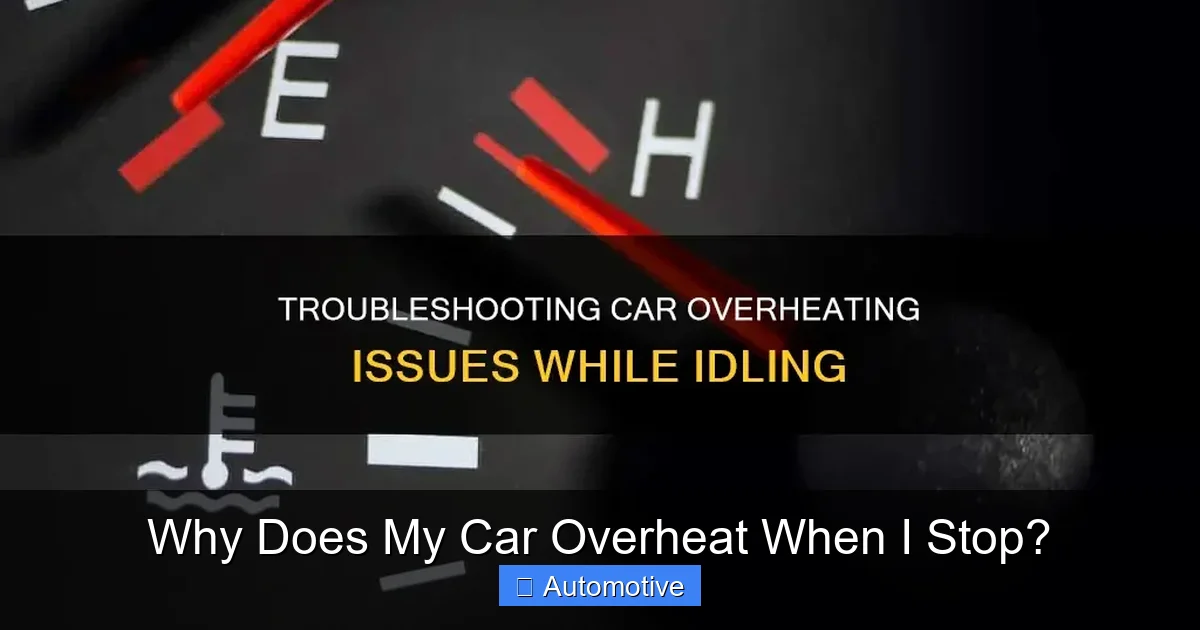
Visual guide about Why Does My Car Overheat When I Stop?
Image source: shunauto.com
Before diving into the causes, it’s important to understand how your car’s cooling system functions. Think of it as your engine’s personal air conditioning system. The engine generates a lot of heat—especially when running—and without proper cooling, it would seize up in minutes.
The cooling system uses a mixture of coolant (also called antifreeze) and water to absorb heat from the engine. This hot coolant then flows through the radiator, where it’s cooled by airflow. From there, it returns to the engine to repeat the cycle. A water pump keeps the coolant moving, while a thermostat regulates the flow based on engine temperature.
When your car is moving, air naturally flows through the radiator, helping to cool the coolant. But when you stop—like at a traffic light or in heavy traffic—that natural airflow drops to zero. That’s where the radiator fan comes in. It kicks on to pull air through the radiator, maintaining cooling even when the car isn’t moving.
If any part of this system fails, especially the fan or coolant circulation, your engine can overheat quickly at idle. That’s why overheating when stopped is often a symptom of a cooling system under stress.
The Role of the Radiator Fan
The radiator fan is one of the most critical components when it comes to preventing overheating at idle. Most modern cars use an electric fan that turns on automatically when the engine reaches a certain temperature. Some vehicles have two fans—one for the radiator and one for the air conditioning condenser.
When you’re driving at speed, airflow from movement is enough to cool the radiator. But when you stop, the fan must take over. If the fan isn’t working, the radiator can’t dissipate heat, and the engine temperature rises rapidly.
Common reasons the fan might fail include a blown fuse, a faulty relay, a bad motor, or a damaged temperature sensor. In some cases, the fan may turn on but not spin fast enough to provide adequate cooling.
Coolant Circulation and the Water Pump
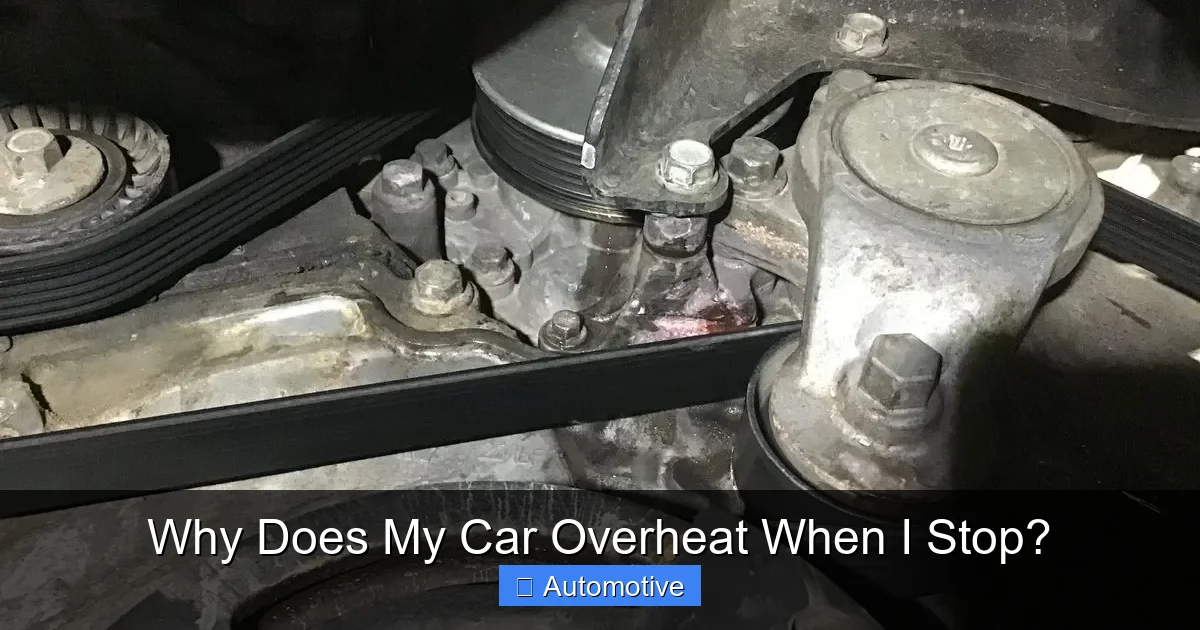
The water pump is the heart of the cooling system. It’s usually driven by a belt connected to the engine and circulates coolant through the engine block, radiator, and heater core. If the pump fails or becomes worn, coolant flow slows or stops—especially at low engine speeds like idle.
A failing water pump might leak coolant, make a whining noise, or have a wobbly pulley. In severe cases, the impeller inside the pump can break or erode, reducing its ability to move coolant. This is especially problematic when the engine isn’t spinning fast enough to generate strong flow.
Thermostat Function and Failure
The thermostat is a small but vital valve that opens and closes based on engine temperature. When the engine is cold, the thermostat stays closed, allowing the engine to warm up quickly. Once it reaches operating temperature (usually around 195°F), the thermostat opens, letting coolant flow to the radiator.
If the thermostat gets stuck closed, coolant can’t reach the radiator, and the engine overheats—even at idle. If it’s stuck open, the engine may take longer to warm up, but it usually won’t overheat. A malfunctioning thermostat is a common cause of overheating, especially in older vehicles.
Common Causes of Overheating at Idle
Visual guide about Why Does My Car Overheat When I Stop?
Image source: lirp.cdn-website.com
Now that you understand how the cooling system works, let’s look at the most common reasons your car overheats when you stop.
1. Faulty Radiator Fan
As mentioned earlier, the radiator fan is essential for cooling when the car is stationary. If it’s not working, your engine has no way to shed heat without airflow from driving.
Signs of a bad radiator fan include:
– The fan doesn’t turn on when the engine is hot
– The fan runs constantly, even when the engine is cool
– You hear a clicking noise from the fan area
– The A/C blows warm air when idling
To test the fan, turn on the A/C and let the car idle. The fan should kick on within a few minutes. If it doesn’t, check the fuse and relay first—these are easy and inexpensive fixes. If those are fine, the fan motor or temperature sensor may need replacement.
2. Low Coolant Level
Coolant is the lifeblood of the cooling system. Without enough of it, the system can’t absorb or transfer heat effectively. Low coolant is one of the most common causes of overheating, especially at idle when the system is under less pressure.
Coolant can drop due to leaks, evaporation, or improper maintenance. Common leak points include the radiator, water pump, heater core, hoses, and the radiator cap. A cracked engine block or head gasket can also cause internal coolant loss.
Check your coolant reservoir when the engine is cold. The level should be between the “min” and “max” marks. If it’s low, top it off with the correct type of coolant (check your owner’s manual). But don’t stop there—find and fix the leak. Driving with low coolant can cause severe engine damage.
3. Malfunctioning Thermostat
A stuck thermostat is a classic cause of overheating at idle. If it won’t open, coolant can’t flow to the radiator, and heat builds up in the engine.
Symptoms include:
– Overheating at idle but normal temps while driving
– Heater doesn’t blow warm air
– Temperature gauge spikes quickly
Thermostats are relatively inexpensive and easy to replace, usually located near the engine’s upper radiator hose. If you suspect a bad thermostat, have it tested or replaced by a mechanic.
4. Water Pump Failure
The water pump keeps coolant moving. If it fails, circulation stops, and overheating follows—especially at low speeds.
Signs of a failing water pump:
– Coolant leak near the front of the engine
– Whining or grinding noise from the pump area
– Overheating, particularly at idle or low speeds
– Steam or coolant smell
Water pump replacement can be labor-intensive, as it often requires removing belts and other components. It’s best left to professionals unless you’re experienced.
5. Clogged Radiator or Cooling System
Over time, rust, scale, and debris can build up in the radiator or coolant passages, restricting flow. This is more common in older cars or those that haven’t had regular coolant flushes.
A clogged radiator can’t dissipate heat effectively, especially when airflow is low. You might notice overheating in traffic but normal temps on the highway.
Flushing the cooling system can help remove buildup. In severe cases, the radiator may need to be replaced.
6. Faulty Temperature Sensor or Gauge
Sometimes, the problem isn’t real—your car isn’t actually overheating. A bad coolant temperature sensor or faulty gauge can give false readings, making you think the engine is hot when it’s not.
If your car runs fine but the gauge spikes at idle, have the sensor and gauge checked. A mechanic can use a scan tool to read the actual engine temperature and compare it to the gauge.
Diagnosing the Problem
Visual guide about Why Does My Car Overheat When I Stop?
Image source: greengaragenetwork.com
If your car overheats when you stop, don’t panic. Start with these simple checks:
Check the Coolant Level
Pop the hood and look at the coolant reservoir. Is it low? Top it off and monitor it over the next few days. If it keeps dropping, you have a leak.
Inspect the Radiator Fan
With the engine running and hot, see if the fan turns on. If not, check the fuse and relay. You can also listen for a clicking sound, which may indicate a bad relay.
Feel the Radiator Hoses
When the engine is hot, carefully feel the upper and lower radiator hoses. The upper hose should be hot, and the lower hose should be cooler. If both are hot, the thermostat may be stuck open. If the upper hose is hot but the lower is cold, the thermostat may be stuck closed.
Look for Leaks
Check under the car for puddles of coolant (usually green, orange, or pink). Inspect hoses, the radiator, water pump, and heater core for signs of leakage.
Use an OBD2 Scanner
If you have access to an OBD2 scanner, plug it in and check for trouble codes. Codes like P0128 (coolant thermostat) or P0115 (engine coolant temperature sensor) can point you in the right direction.
Prevention and Maintenance Tips
Preventing overheating is easier—and cheaper—than fixing it. Follow these tips to keep your cooling system in top shape:
Regular Coolant Flushes
Most manufacturers recommend flushing the coolant every 30,000 to 60,000 miles. This removes contaminants and replenishes additives that protect against corrosion and overheating.
Inspect Hoses and Belts
Check radiator hoses for cracks, bulges, or soft spots. Replace them if they’re worn. Also, inspect the serpentine belt that drives the water pump—a broken belt means no coolant flow.
Keep the Radiator Clean
Dirt, bugs, and debris can block airflow through the radiator. Use a garden hose to gently clean the front of the radiator, especially after driving on dirt roads or through bugs.
Monitor the Temperature Gauge
Get in the habit of glancing at your temperature gauge, especially in hot weather or heavy traffic. Early detection can prevent major damage.
Use the Correct Coolant
Always use the coolant type specified in your owner’s manual. Mixing different types can cause chemical reactions that damage the cooling system.
Avoid Overloading or Towing in Heat
Towing or carrying heavy loads increases engine heat. In hot weather, take breaks to let the engine cool, and consider upgrading to a high-performance cooling system if you frequently tow.
When to See a Mechanic
While some issues like low coolant or a blown fuse are easy to fix, others require professional help. See a mechanic if:
– You’ve topped off coolant but it keeps dropping
– The radiator fan isn’t working and you’ve checked fuses
– You hear unusual noises from the engine or water pump
– The engine overheats repeatedly, even after basic fixes
– You suspect a head gasket issue (white smoke, sweet smell, milky oil)
Ignoring overheating can lead to catastrophic engine failure. A $200 repair now could save you a $3,000 engine replacement later.
Conclusion
So, why does your car overheat when you stop? It’s usually because the cooling system can’t keep up when airflow is low and engine speed is minimal. The radiator fan, coolant level, thermostat, water pump, and radiator all play key roles in preventing overheating at idle.
The good news is that most of these issues are preventable and fixable. Regular maintenance, timely coolant flushes, and paying attention to warning signs can keep your engine cool and running smoothly.
Don’t ignore a rising temperature gauge. Whether it’s a simple fix like topping off coolant or a more complex repair like replacing the water pump, addressing the problem early will save you time, money, and stress.
Your car relies on a balanced cooling system to perform at its best. Keep it healthy, and it will take you wherever you need to go—without overheating at the next stoplight.
Frequently Asked Questions
Why does my car overheat only when idling?
Your car likely overheats at idle because the radiator fan isn’t working, coolant levels are low, or the thermostat is stuck closed. At idle, there’s no airflow from driving, so the fan must cool the radiator.
Can a bad thermostat cause overheating at idle?
Yes, a stuck-closed thermostat prevents coolant from flowing to the radiator, causing the engine to overheat—especially when stopped or idling.
How do I know if my radiator fan is bad?
Turn on the A/C and let the engine idle. The fan should turn on within a few minutes. If it doesn’t, check the fuse, relay, or fan motor for failure.
Is it safe to drive if my car overheats when stopped?
No. Overheating can cause serious engine damage. Pull over safely, turn off the engine, and let it cool before checking coolant levels or calling for help.
Can low coolant cause overheating only at idle?
Yes. Low coolant reduces the system’s ability to absorb heat. At idle, with less coolant flow and no airflow, overheating is more likely.
How often should I flush my coolant?
Most manufacturers recommend a coolant flush every 30,000 to 60,000 miles, or every 3 to 5 years, to prevent buildup and corrosion.