
Do You Need a Notary to Sell a Car in Arizona 2023

Selling a car in Arizona doesn’t always require a notary, but it’s often recommended for added legal protection. While the Arizona Department of Transportation (ADOT) doesn’t mandate notarization for private vehicle sales, having key documents notarized can prevent fraud and ensure a smooth transfer of ownership.
Key Takeaways
- Notarization is not legally required in Arizona for private car sales, but it’s strongly advised to prevent title fraud and disputes.
- The vehicle title must be properly signed and completed by both the buyer and seller, with accurate odometer readings and sale price.
- A notary public can verify identities and signatures, reducing the risk of forged documents and future legal issues.
- Use a Bill of Sale for added protection—while not mandatory, it serves as proof of transaction and includes important details like VIN, price, and date.
- Out-of-state buyers may require notarized documents depending on their home state’s laws, so check local requirements.
- ADOT recommends notarizing the title to avoid delays during registration and to deter fraudulent activity.
- Free notary services are available at many banks, credit unions, and some public libraries—no need to pay high fees.
📑 Table of Contents
- Introduction: Selling Your Car in Arizona—What You Need to Know
- Understanding Arizona’s Car Sale Laws
- When Is a Notary Required or Highly Recommended?
- Step-by-Step Guide to Selling Your Car in Arizona
- Common Mistakes to Avoid When Selling a Car in Arizona
- Where to Get Documents Notarized in Arizona
- Conclusion: Protect Yourself When Selling Your Car
Introduction: Selling Your Car in Arizona—What You Need to Know
So, you’ve decided it’s time to sell your car. Maybe you’re upgrading to a newer model, downsizing, or just ready for a change. Whatever the reason, selling a vehicle in Arizona can be a straightforward process—if you know the rules. One of the most common questions people ask is: “Do I need a notary to sell a car in Arizona?” The short answer? Not always. But the longer, smarter answer? It’s usually a good idea.
Arizona law doesn’t require notarization for private vehicle sales, but that doesn’t mean you should skip it. Think of a notary as a neutral third party who verifies identities and ensures signatures are legitimate. In a world where identity theft and title fraud are on the rise, that extra layer of protection can save you from headaches down the road. Whether you’re selling to a neighbor, a friend, or a complete stranger, taking a few extra minutes to get documents notarized can make the entire process smoother, safer, and more legally sound.
In this guide, we’ll walk you through everything you need to know about selling a car in Arizona in 2023—from the legal requirements to practical tips, common mistakes to avoid, and when notarization makes the most sense. Whether you’re a first-time seller or you’ve done this before, this article will help you complete the sale with confidence.
Understanding Arizona’s Car Sale Laws
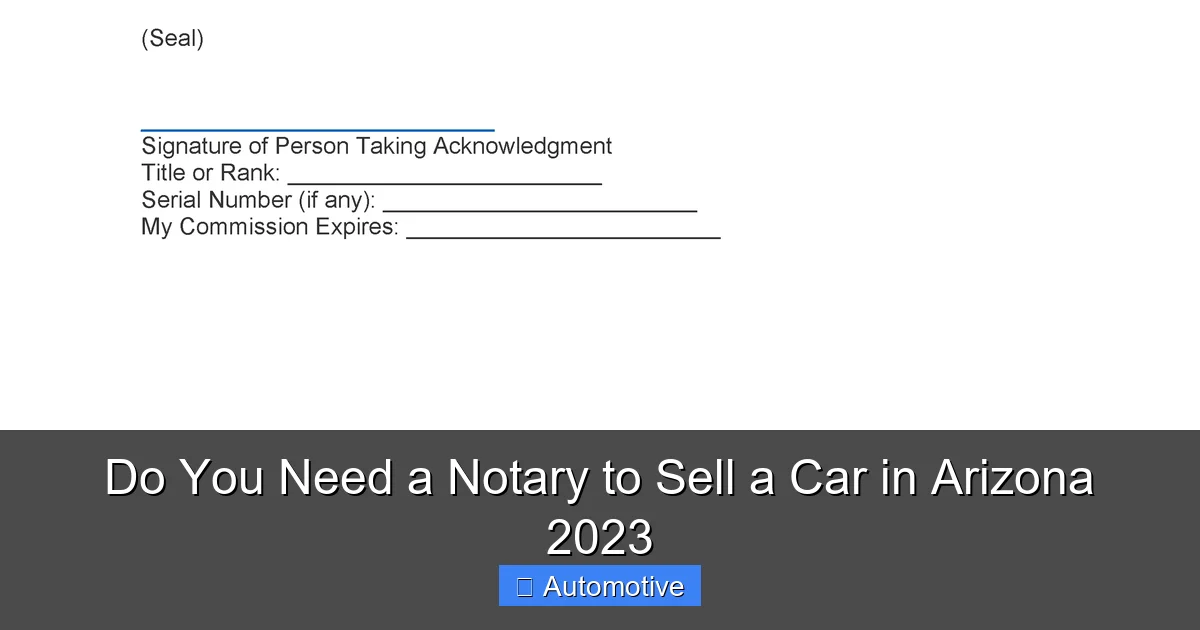
Visual guide about Do You Need a Notary to Sell a Car in Arizona 2023
Image source: esign.com
Before you hand over the keys and the title, it’s important to understand the legal framework governing private vehicle sales in Arizona. The Arizona Department of Transportation (ADOT) oversees vehicle registrations and title transfers, and their rules are designed to protect both buyers and sellers.
One of the first things to know is that Arizona does not require a notary for private car sales. According to ADOT guidelines, the only mandatory documents are a properly completed and signed vehicle title and a valid odometer disclosure statement (if the vehicle is less than 10 years old). However, while notarization isn’t legally required, ADOT actually recommends it. Why? Because it helps prevent fraud and ensures that the signatures on the title are genuine.
Let’s break it down further. When you sell your car, you’re transferring ownership. That means the title—the legal document proving ownership—must be signed over to the buyer. Both parties must sign the title in the appropriate sections. The seller signs as the transferor, and the buyer signs as the transferee. If the title is lost or damaged, you’ll need to apply for a duplicate before the sale can proceed.
Another key requirement is the odometer disclosure. Federal law mandates that sellers provide an accurate mileage reading for vehicles under 10 years old. This is typically done on the back of the title or on a separate form. Failing to provide this information can result in penalties and may delay the buyer’s ability to register the vehicle.
What Happens If You Skip the Notary?
You might be thinking, “If it’s not required, why bother?” Fair question. But consider this: without a notary, you’re relying solely on trust. If the buyer later claims the signature was forged or that they never received the title, you could be on the hook for legal issues—even if you did everything right.
A notary public acts as an impartial witness. They check IDs, confirm that the person signing is who they say they are, and ensure that the signing is voluntary. This creates a paper trail that can be invaluable if a dispute arises. In fact, many title clerks at ADOT offices will flag unsigned or suspiciously signed titles, which can delay the registration process for the buyer—and potentially cause problems for you as the seller.
For example, imagine you sell your 2018 Honda Civic to a buyer who lives in another state. They take the title, but when they try to register it in California, the DMV rejects it because the signature looks inconsistent. Without a notary’s seal, there’s no way to prove the signature was legitimate at the time of signing. Now you’re stuck in a bureaucratic loop, possibly facing fines or even being accused of fraud.
The Role of the Bill of Sale
While not legally required in Arizona, a Bill of Sale is one of the smartest documents you can use when selling a car. Think of it as a receipt—it proves that a transaction took place, includes key details like the vehicle identification number (VIN), sale price, date, and the names and addresses of both parties.
A well-prepared Bill of Sale can protect you from liability after the sale. For instance, if the buyer gets into an accident before registering the car, and the vehicle is still in your name, you could be held responsible. But if you have a signed Bill of Sale showing the transfer date, you can prove you’re no longer the owner.
You can find free Bill of Sale templates online, or use one provided by ADOT. Make sure it includes:
– Full names and addresses of buyer and seller
– Vehicle make, model, year, and VIN
– Sale price
– Date of sale
– Odometer reading
– Signatures of both parties
And yes—getting the Bill of Sale notarized adds another layer of protection. It’s not required, but it’s a simple step that can prevent big problems later.
When Is a Notary Required or Highly Recommended?
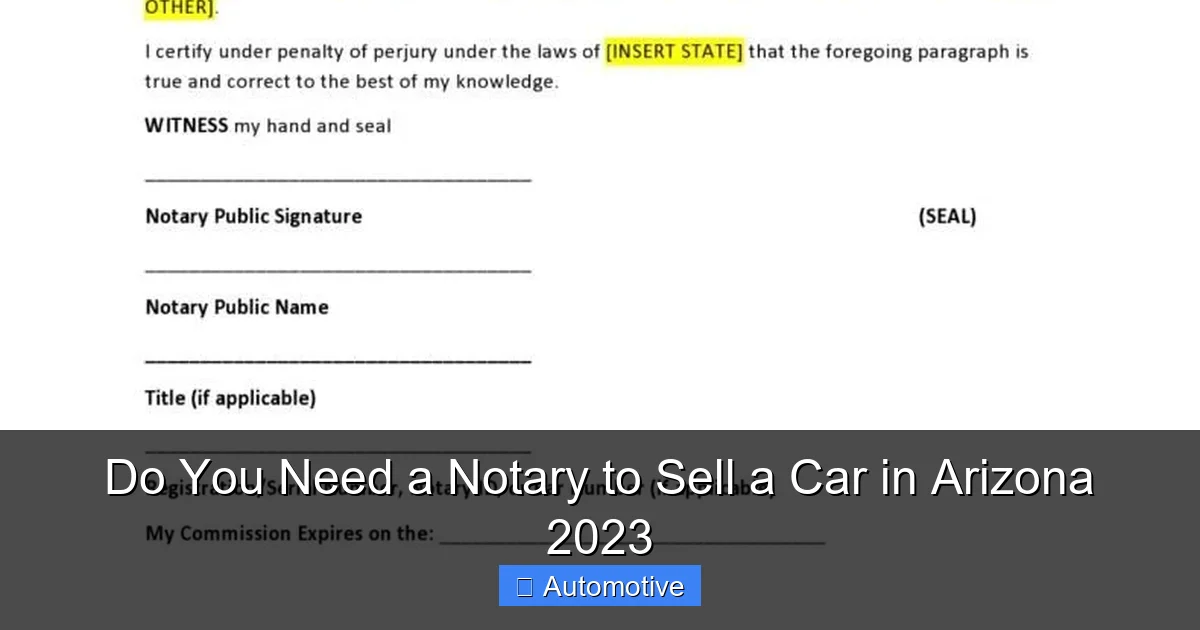
Visual guide about Do You Need a Notary to Sell a Car in Arizona 2023
Image source: i.pinimg.com
Now that we’ve covered the basics, let’s talk about when notarization is not just helpful—but essential.
Selling to an Out-of-State Buyer
If you’re selling your car to someone who lives in another state, notarization becomes much more important. Many states require notarized documents for out-of-state title transfers. For example, California, Texas, and New York all have strict rules about accepting titles from other states, and they often require notarization to prevent fraud.
Even if the buyer’s state doesn’t require it, the buyer may still want the documents notarized to make the registration process smoother. Imagine your buyer drives back to Colorado with an unsigned or improperly signed title. When they go to the DMV, they’re told the signature doesn’t match their ID. Now they’re stuck, and you’re getting phone calls at midnight.
By getting the title and Bill of Sale notarized in Arizona, you eliminate that risk. The notary’s seal and signature serve as proof that the documents were signed legally and voluntarily. This can save both you and the buyer a lot of time, stress, and potential legal trouble.
Gift Transfers and Family Sales
Sometimes, people sell cars to family members—like giving a car to a child or sibling. In these cases, the sale price might be $1 or even $0 (a gift). While Arizona allows gift transfers, the process can be more complex, and notarization is often recommended.
When transferring a vehicle as a gift, you’ll need to complete a “Gift Affidavit” in addition to the title. This form declares that no money changed hands and that the transfer is a genuine gift. ADOT requires this affidavit to prevent people from avoiding sales tax by claiming a gift when it’s actually a sale.
Because gift transfers involve legal declarations, notarization adds credibility. A notary can verify that both parties understand the nature of the transaction and are signing willingly. This is especially important if the vehicle has significant value or if there’s any potential for future disputes (like inheritance issues).
High-Value or Luxury Vehicles
If you’re selling a high-end car—say, a luxury sedan, a classic car, or a vehicle worth $20,000 or more—notarization is a smart move. These transactions attract more scrutiny, both from buyers and from authorities.
Buyers of expensive vehicles are often more cautious. They may request notarized documents as part of their due diligence. And if something goes wrong—like a title issue or a dispute over condition—having notarized paperwork can make resolving the issue much easier.
Additionally, lenders or financing companies may require notarized documents if the buyer is taking out a loan. While this isn’t common in private sales, it’s not unheard of, especially for newer or higher-value vehicles.
Online or Long-Distance Sales
Selling a car online—through platforms like Craigslist, Facebook Marketplace, or CarGurus—adds another layer of complexity. You might never meet the buyer in person, or you might only communicate via email or text.
In these cases, notarization can help build trust. If you’re mailing the title or meeting the buyer at a neutral location (like a bank), having the documents notarized shows that you’re serious, legitimate, and following proper procedures.
Some sellers even use remote online notarization (RON), where the notary verifies identities via video call and applies a digital seal. While not all states accept RON for vehicle titles, it’s becoming more common, and Arizona does allow it under certain conditions.
Step-by-Step Guide to Selling Your Car in Arizona
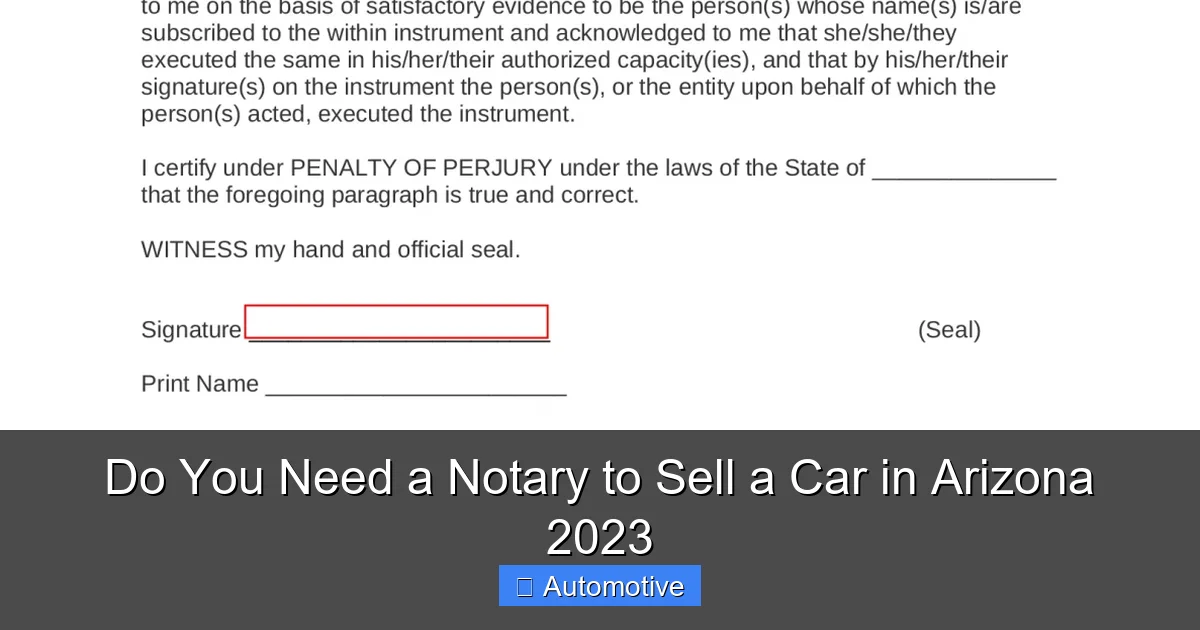
Visual guide about Do You Need a Notary to Sell a Car in Arizona 2023
Image source: eforms.com
Now that you understand when and why notarization matters, let’s walk through the actual process of selling your car in Arizona. Follow these steps to ensure a smooth, legal, and stress-free sale.
Step 1: Prepare the Vehicle and Documentation
Before listing your car, gather all necessary documents:
– Vehicle title (signed and completed)
– Odometer disclosure (if applicable)
– Bill of Sale (recommended)
– Maintenance records (optional but helpful)
– Release of Liability form (to submit to ADOT)
Make sure the title is free of errors. If there’s a lien on the vehicle, it must be paid off and released before the sale. You’ll need a lien release letter from the lender.
Step 2: Determine the Sale Price
Use resources like Kelley Blue Book, Edmunds, or NADA Guides to determine a fair market value. Consider the car’s condition, mileage, and any recent repairs or upgrades.
Be transparent with the buyer about any known issues. Hiding problems can lead to disputes or even legal action.
Step 3: Meet the Buyer Safely
Always meet in a public place—like a bank, police station, or ADOT office. Avoid meeting at your home or in isolated areas.
Bring a friend or family member for safety, and never hand over the car until payment is secured.
Step 4: Complete the Title and Bill of Sale
Fill out the title completely:
– Seller’s name and signature
– Buyer’s name and address
– Sale price
– Odometer reading
– Date of sale
Both parties should sign. Then, complete the Bill of Sale with the same information.
Step 5: Get Documents Notarized (Recommended)
Take the signed title and Bill of Sale to a notary public. Many banks, credit unions, and UPS stores offer notary services, often for free or a small fee.
The notary will check IDs, witness the signatures, and apply their seal.
Step 6: Submit the Release of Liability
Within 5 days of the sale, submit a Release of Liability form to ADOT. This protects you from liability for any incidents involving the vehicle after the sale.
You can submit it online, by mail, or in person.
Step 7: Provide the Buyer with Necessary Documents
Give the buyer:
– Signed and notarized title
– Bill of Sale
– Odometer disclosure
– Maintenance records (if available)
Make copies for your records.
Common Mistakes to Avoid When Selling a Car in Arizona
Even with the best intentions, sellers often make mistakes that can cause problems. Here are some common pitfalls and how to avoid them.
Not Completing the Title Correctly
One of the biggest mistakes is signing the title incorrectly. For example, writing “cash” instead of the actual sale price, or forgetting to include the odometer reading. These errors can delay registration and may require a corrected title application.
Always fill out the title completely and accurately. If you make a mistake, don’t use correction fluid. Instead, request a new title from ADOT.
Skipping the Bill of Sale
Some sellers think the title is enough. But without a Bill of Sale, you have no proof of the transaction details. If the buyer claims they paid more than they did, or if there’s a dispute over the sale date, you’re left with no documentation.
Always use a Bill of Sale—and keep a copy.
Not Submitting the Release of Liability
Failing to submit the Release of Liability form is a serious mistake. If the buyer gets a ticket or is involved in an accident before registering the car, you could be held responsible—even though you no longer own the vehicle.
Submit the form within 5 days of the sale. It’s quick, free, and essential.
Selling Without Paying Off a Lien
If there’s still a loan on the car, you must pay it off before selling. The lender holds the title until the debt is cleared. Selling a car with an active lien is illegal and can result in fines.
Contact your lender to get a payoff quote and arrange for the lien release.
Not Verifying Payment
Always ensure payment is secure before handing over the car. Cash is safest, but if using a cashier’s check, verify it with the bank before completing the sale.
Avoid personal checks or wire transfers from unknown sources—they can be fraudulent.
Where to Get Documents Notarized in Arizona
If you decide to get your documents notarized, you’re in luck—Arizona has plenty of options.
Banks and Credit Unions
Most banks and credit unions offer free notary services to their customers. Even if you’re not a customer, some institutions will notarize documents for a small fee (usually $5–$10).
Call ahead to confirm availability and whether an appointment is needed.
UPS Stores and Shipping Centers
Many UPS Stores and other shipping centers provide notary services for a fee. Prices vary, but they’re typically affordable and convenient.
Public Libraries
Some public libraries in Arizona offer free notary services, especially in larger cities like Phoenix, Tucson, and Mesa. Check with your local library for hours and availability.
Mobile Notaries
If you can’t travel, consider hiring a mobile notary. These professionals come to your home, office, or a public location to notarize documents. Fees are higher (usually $25–$50), but the convenience can be worth it.
Online Notarization
Arizona allows remote online notarization (RON) for certain documents. This involves a video call with a notary who verifies your identity and witnesses your signature digitally.
While not all vehicle documents may qualify, it’s worth checking with a RON provider if you’re selling to an out-of-state buyer.
Conclusion: Protect Yourself When Selling Your Car
Selling a car in Arizona doesn’t have to be complicated—but it does require attention to detail. While notarization isn’t legally required for private sales, it’s one of the best ways to protect yourself from fraud, disputes, and legal headaches.
By getting your title and Bill of Sale notarized, you create a clear, verifiable record of the transaction. You reduce the risk of forged signatures, prevent future liability, and make the registration process smoother for the buyer.
Remember: the few extra minutes and small fee for notarization are a small price to pay for peace of mind. Whether you’re selling a beat-up sedan or a luxury SUV, taking the time to do it right ensures a successful sale and protects your interests.
So, do you need a notary to sell a car in Arizona in 2023? Not by law—but by logic, yes. Make the smart choice. Get it notarized.
Frequently Asked Questions
Is a notary required to sell a car in Arizona?
No, Arizona law does not require a notary for private car sales. However, the Arizona Department of Transportation (ADOT) recommends notarization to prevent fraud and ensure signatures are valid.
What documents do I need to sell my car in Arizona?
You need a properly signed vehicle title, an odometer disclosure (for vehicles under 10 years old), and a Bill of Sale (recommended). A Release of Liability form should also be submitted to ADOT after the sale.
Can I sell my car without a Bill of Sale in Arizona?
Yes, a Bill of Sale is not legally required, but it’s highly recommended. It serves as proof of the transaction and protects both buyer and seller in case of disputes.
Do I need to notarize the title if selling to a family member?
Notarization is not required, but it’s a good idea—especially for gift transfers. A notarized Gift Affidavit adds credibility and helps prevent future legal issues.
Where can I get documents notarized for free in Arizona?
Many banks, credit unions, and some public libraries offer free notary services. Call ahead to confirm availability and whether you need an appointment.
What happens if I don’t submit the Release of Liability form?
If you fail to submit the form within 5 days of the sale, you could be held liable for tickets, accidents, or other incidents involving the vehicle—even after you’ve sold it.