
Can Low Coolant Cause a Car to Shake?

Low coolant levels can lead to engine overheating, which may cause your car to shake or vibrate. This shaking often stems from engine misfires, warped components, or overheating-induced stress. Ignoring the issue can result in serious engine damage, so it’s crucial to check and maintain proper coolant levels regularly.
Key Takeaways
- Low coolant can cause engine overheating: Without enough coolant, your engine can’t regulate temperature, leading to heat buildup and potential shaking.
- Engine misfires may result from overheating: Excessive heat can damage spark plugs or ignition coils, causing misfires that feel like vibrations.
- Warped engine components can lead to shaking: Overheating from low coolant may warp cylinder heads or engine blocks, creating imbalance and vibration.
- Coolant leaks are a common cause: Inspect hoses, radiator, water pump, and reservoir for leaks that reduce coolant levels.
- Check the coolant level regularly: Make it a habit to inspect your coolant reservoir monthly to catch low levels early.
- Address shaking immediately: If your car shakes, pull over safely and check coolant, temperature gauge, and for warning lights.
- Prevention saves money: Routine maintenance and timely coolant top-offs can prevent expensive engine repairs.
📑 Table of Contents
Can Low Coolant Cause a Car to Shake?
You’re cruising down the highway, enjoying the drive, when suddenly your car starts to shake. It’s not just a little wobble—it feels like the whole vehicle is trembling. Your first thought might be a tire issue or a suspension problem. But what if the real culprit is something less obvious, like low coolant?
Yes, low coolant can cause a car to shake. While it’s not the most common cause of vehicle vibration, it’s definitely a possibility—especially if the low coolant level leads to engine overheating. When your engine runs too hot, a chain reaction of problems can occur, many of which manifest as shaking or rough idling. Understanding this connection is key to diagnosing and fixing the issue before it turns into a major repair bill.
In this article, we’ll explore how low coolant contributes to car shaking, the warning signs to watch for, and what you can do to prevent it. Whether you’re a seasoned car enthusiast or just trying to keep your daily driver running smoothly, this guide will help you stay ahead of potential problems.
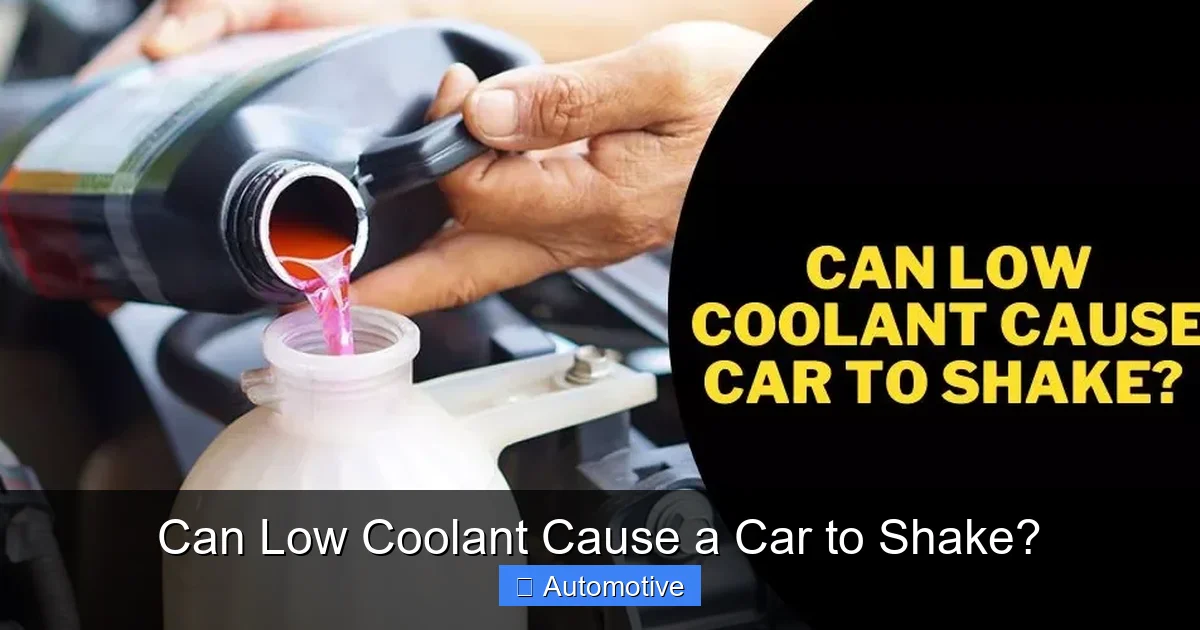
How Coolant Keeps Your Engine Running Smoothly
Visual guide about Can Low Coolant Cause a Car to Shake?
Image source: mindofmechanic.com
Before we dive into how low coolant can cause shaking, let’s first understand what coolant actually does. Coolant—also known as antifreeze—is a vital fluid that circulates through your engine and radiator to regulate temperature. It absorbs heat from the engine and releases it through the radiator, preventing your engine from overheating.
Most modern vehicles use a 50/50 mix of ethylene glycol-based coolant and distilled water. This mixture not only prevents overheating in summer but also protects against freezing in winter. Coolant also contains additives that prevent corrosion, lubricate the water pump, and protect rubber hoses and seals.
The cooling system works like a well-choreographed dance. The water pump pushes coolant through the engine block, where it absorbs heat. Then, it flows into the radiator, where air passing through (either from driving or the cooling fan) cools it down. The thermostat regulates when coolant flows, ensuring the engine warms up quickly and stays at an optimal temperature—usually around 195°F to 220°F.
When this system is working properly, your engine runs smoothly, efficiently, and without excess vibration. But when coolant levels drop—due to leaks, evaporation, or neglect—the system can’t do its job. That’s when problems start to arise.
What Happens When Coolant Levels Drop?
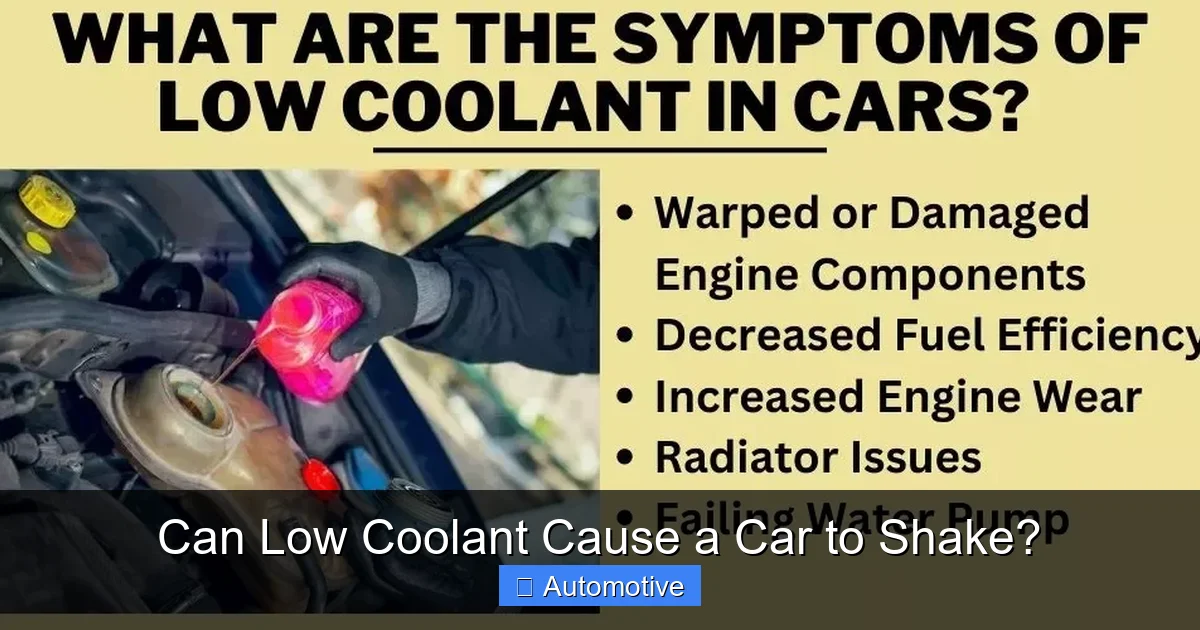
Low coolant doesn’t just mean your car might overheat—it can trigger a cascade of issues. As the coolant level decreases, air pockets may form in the system. These air bubbles disrupt the flow of coolant, reducing its ability to absorb and transfer heat. This leads to hot spots in the engine, where certain areas become much hotter than others.
Additionally, low coolant can cause the water pump to work harder or even fail prematurely. The pump relies on coolant for lubrication and cooling. Without enough fluid, it can overheat and wear out faster. A failing water pump may also produce a whining noise or leak coolant, both of which are red flags.
Another consequence is reduced efficiency in the heater core. If you notice your car’s heater isn’t blowing warm air, low coolant could be the reason. The heater core relies on hot coolant to warm the cabin, so when levels are low, you lose heating capability.
But perhaps the most concerning effect is engine overheating. When the engine runs too hot, internal components expand beyond their designed tolerances. This can lead to warping, cracking, or even seizing of engine parts—any of which can cause noticeable shaking.
The Link Between Low Coolant and Engine Shaking
Visual guide about Can Low Coolant Cause a Car to Shake?
Image source: mindofmechanic.com
So, how exactly does low coolant lead to a shaking car? The connection isn’t always direct, but it’s often rooted in engine overheating. Let’s break it down.
When your engine overheats due to low coolant, several things can happen that result in vibration or shaking:
1. **Engine Misfires**: Overheating can damage critical ignition components like spark plugs, ignition coils, or wiring. When these parts fail, the engine may misfire—meaning one or more cylinders don’t fire properly. Misfires cause uneven power delivery, which translates to shaking, especially at idle or low speeds.
2. **Warped Cylinder Head or Engine Block**: Extreme heat can warp the cylinder head or even the engine block. These components are designed to fit together precisely. When they warp, the seal between the head and block (the head gasket) can fail. A blown head gasket can cause compression loss, coolant mixing with oil, and severe engine vibration.
3. **Thermal Expansion and Component Stress**: As metal parts heat up, they expand. If some areas get much hotter than others—due to poor coolant circulation—this uneven expansion can create stress and warping. This imbalance can cause the engine to vibrate more than usual.
4. **Coolant in Combustion Chambers**: In severe cases, overheating can cause coolant to leak into the combustion chambers. This happens when the head gasket fails or cracks form in the cylinder head. When coolant enters the combustion process, it can cause hydrolock (where the engine can’t compress the liquid), leading to violent shaking or even engine damage.
5. **Fan and Accessory Issues**: The cooling fan helps regulate engine temperature by pulling air through the radiator. If the fan isn’t working properly—due to a faulty relay, motor, or sensor—the engine may overheat even with adequate coolant. But if coolant is already low, the fan has to work harder, and any malfunction can tip the balance. A malfunctioning fan can also cause vibrations if it’s unbalanced or hitting other components.
Let’s look at a real-world example. Imagine you’re driving in stop-and-go traffic on a hot summer day. Your coolant level is low, and the radiator isn’t getting enough airflow. The engine starts to overheat. The temperature gauge climbs into the red zone. Suddenly, the car begins to shake at idle. You pull over and notice steam coming from under the hood. This is a classic case of low coolant leading to overheating, which then causes engine misfires and vibration.
Other Symptoms That Often Accompany Shaking
If your car is shaking due to low coolant, you’ll likely notice other warning signs as well. These can help you pinpoint the root cause before the problem gets worse.
– **High Temperature Gauge**: The most obvious sign. If the needle is in the red or near it, your engine is overheating.
– **Steam or Smoke from the Hood**: Steam (not just condensation) or smoke indicates coolant is boiling or leaking.
– **Sweet Smell**: Coolant has a distinct sweet odor. If you smell it inside or outside the car, you may have a leak.
– **Coolant Puddles Under the Car**: Check your driveway or parking spot for brightly colored fluid (green, orange, pink, or blue).
– **Heater Not Working**: If the heater blows cold air, it could mean low coolant or air in the system.
– **Check Engine Light**: Overheating or misfires can trigger the check engine light. Use an OBD2 scanner to read the code.
Paying attention to these symptoms can help you act quickly and avoid costly repairs.
Common Causes of Low Coolant Levels
Visual guide about Can Low Coolant Cause a Car to Shake?
Image source: mindofmechanic.com
Now that we know low coolant can cause shaking, let’s explore why coolant levels drop in the first place. Identifying the cause is the first step toward fixing the problem.
Coolant Leaks
The most common reason for low coolant is a leak. Coolant can escape from several parts of the system:
– **Radiator**: Over time, radiators can develop cracks or corrode, especially at the seams or plastic end tanks.
– **Hoses**: Rubber hoses connecting the radiator, engine, and heater core can dry out, crack, or loosen.
– **Water Pump**: The water pump has a seal that can wear out, causing coolant to leak from the weep hole.
– **Heater Core**: Located inside the dashboard, the heater core can leak, often resulting in a sweet smell and foggy windows.
– **Head Gasket**: A blown head gasket can allow coolant to leak into the combustion chamber or oil passages.
– **Radiator Cap**: A faulty cap can’t maintain proper pressure, leading to coolant loss through the overflow tank.
Even small leaks can add up over time. A slow drip might not seem like a big deal, but over weeks or months, it can leave you with dangerously low coolant.
Evaporation and Normal Loss
While less common, some coolant loss is normal. Older systems or poorly sealed caps can allow a small amount of coolant to evaporate, especially in hot climates. However, significant evaporation usually points to a larger issue, like a leak or overheating.
Improper Maintenance
Neglecting routine maintenance is another culprit. Coolant should be checked regularly and replaced every 30,000 to 100,000 miles, depending on the type and manufacturer recommendations. Skipping this service can lead to degraded coolant that doesn’t protect the system effectively.
Overheating Episodes
If your car has overheated in the past, it may have caused internal damage that leads to ongoing coolant loss. For example, a warped cylinder head might not seal properly, allowing coolant to escape slowly.
Aftermarket Modifications or Repairs
Sometimes, low coolant results from recent work on the vehicle. If a mechanic didn’t properly bleed the cooling system after a repair, air pockets can form, leading to overheating and perceived coolant loss.
How to Diagnose and Fix Low Coolant Issues
If you suspect low coolant is causing your car to shake, here’s how to diagnose and address the problem.
Step 1: Check the Coolant Level
Start by checking the coolant reservoir. Make sure the engine is cool—never open the radiator cap when hot, as pressurized steam can cause serious burns.
Look at the markings on the reservoir. The coolant should be between the “MIN” and “MAX” lines. If it’s below “MIN,” you have low coolant.
If the reservoir is empty or very low, check the radiator (only when cool). Remove the cap and look inside. The coolant should be visible and at the top.
Step 2: Inspect for Leaks
With the engine off and cool, inspect the engine bay for signs of leaks:
– Look for wet spots, stains, or crusty deposits around hoses, the radiator, water pump, and thermostat housing.
– Check under the car for puddles of colored fluid.
– Smell for the sweet odor of coolant.
You can also use a UV dye kit. Add the dye to the coolant, run the engine, and use a UV light to trace the leak.
Step 3: Check the Temperature Gauge and Warning Lights
While driving, monitor the temperature gauge. If it climbs into the red, pull over immediately. Also, watch for the check engine light or overheating warning light.
If the check engine light is on, use an OBD2 scanner to read the code. Codes like P0300 (random misfire) or P0128 (coolant thermostat) can point to coolant-related issues.
Step 4: Bleed the Cooling System
Air pockets in the cooling system can mimic low coolant symptoms. To remove air:
1. Park the car on a level surface.
2. Remove the radiator cap (when cool).
3. Start the engine and let it idle.
4. As the engine warms up, you may see bubbles rising in the radiator—this is air escaping.
5. Top off coolant as needed.
6. Replace the cap and check the reservoir level.
Some vehicles have a bleed screw or require a specific procedure—consult your owner’s manual.
Step 5: Repair or Replace Faulty Components
Once you’ve identified the cause, take action:
– **Fix leaks**: Replace cracked hoses, tighten loose clamps, or repair the radiator.
– **Replace the water pump**: If it’s leaking or making noise.
– **Replace the thermostat**: If it’s stuck closed, preventing coolant flow.
– **Repair head gasket**: This is a major job, often requiring engine disassembly. Seek professional help.
Step 6: Refill and Test
After repairs, refill the system with the correct coolant type (check your owner’s manual). Use a 50/50 mix unless pre-mixed coolant is used.
Run the engine and check for leaks. Monitor the temperature gauge and ensure the heater works. Take a short test drive to see if the shaking is gone.
Preventing Low Coolant and Engine Shaking
The best way to avoid low coolant and the resulting engine problems is through regular maintenance.
Check Coolant Monthly
Make it a habit to check your coolant level once a month. It only takes a minute and can save you from a breakdown.
Follow the Maintenance Schedule
Replace coolant as recommended by your vehicle manufacturer. Most suggest every 5 years or 60,000–100,000 miles.
Inspect Hoses and Belts
During oil changes, ask your mechanic to inspect coolant hoses and belts for cracks, bulges, or wear.
Watch for Warning Signs
Don’t ignore overheating, shaking, or warning lights. Address issues early to prevent major damage.
Use Quality Coolant
Always use the correct type of coolant for your vehicle. Mixing incompatible types can cause corrosion or sludge.
Keep the Radiator Clean
Dirt, bugs, and debris can clog the radiator fins, reducing cooling efficiency. Clean it gently with a hose or compressed air.
When to See a Mechanic
While some coolant checks and top-offs can be done at home, certain situations require professional help:
– If you can’t find the source of a leak.
– If the engine has overheated severely.
– If you suspect a blown head gasket (white smoke from exhaust, milky oil, constant overheating).
– If the car continues to shake after topping off coolant.
– If the water pump or thermostat needs replacement.
A qualified mechanic can perform pressure tests, combustion leak tests, and other diagnostics to pinpoint the issue.
Conclusion
So, can low coolant cause a car to shake? Absolutely. While it’s not the first thing most people think of, low coolant can lead to engine overheating, which in turn can cause misfires, warped components, and severe vibration. The good news is that this issue is often preventable with regular maintenance and attention to warning signs.
By checking your coolant level monthly, inspecting for leaks, and addressing overheating immediately, you can keep your engine running smoothly and avoid costly repairs. Remember, your car’s cooling system is its lifeline—treat it with care, and it will reward you with reliable performance for years to come.
Don’t wait until your car starts shaking to take action. Stay proactive, stay informed, and keep your coolant where it belongs—in the system, not on the ground.
Frequently Asked Questions
Can low coolant cause my car to shake at idle?
Yes, low coolant can cause your car to shake at idle if it leads to engine overheating and misfires. Overheating damages ignition components, resulting in uneven engine performance and vibration.
How do I know if my car is low on coolant?
Check the coolant reservoir when the engine is cool. The level should be between the “MIN” and “MAX” marks. Also, watch for overheating, a sweet smell, or puddles under the car.
Can I just top off coolant without fixing a leak?
Topping off coolant is a temporary fix. If there’s a leak, it will continue to lose fluid. Find and repair the leak to prevent overheating and engine damage.
Is it safe to drive with low coolant?
No, driving with low coolant can cause overheating and serious engine damage. If the temperature gauge rises, pull over immediately and let the engine cool.
What kind of coolant should I use?
Use the coolant type specified in your owner’s manual. Mixing incompatible types can cause corrosion or system failure.
Can a blown head gasket cause low coolant?
Yes, a blown head gasket can allow coolant to leak into the combustion chamber or oil passages, leading to low coolant levels and engine shaking.