Why Bike Helmets Are Important: Save Your Life Riding

Contents
- 1 Why bike helmets matter: the core reasons
- 2 How helmets protect you: the mechanics simplified
- 3 Evidence and safety outcomes
- 4 Choosing the right helmet: fit, standards, and features
- 5 How to fit a helmet correctly: quick steps
- 6 Maintenance, replacement, and storage
- 7 Common myths and misconceptions
- 8 Legal context and community impact
- 9 My experience and lessons learned
- 10 Practical tips to make helmet wearing easy
- 11 Frequently Asked Questions of why bike helmets are important
- 12 Conclusion


Bike helmets save lives by reducing head trauma, brain injury, and severe facial damage in crashes.
As a rider and safety advocate with years of bike commuting and teaching helmet-fit workshops, I know why bike helmets are important. This article explains the science, rules, real-world benefits, and simple steps you can use to choose, fit, and maintain a helmet that protects you. Read on to learn practical tips, evidence-based reasons, and personal insights that make choosing the right helmet an easy, life-smart decision.
Why bike helmets matter: the core reasons
Wearing a helmet cuts the force on your head during impacts. That lowers the chance of skull fractures and traumatic brain injuries. Helmets also protect your face and jaw in many crashes.
Helmet design spreads energy across the shell and liner. That energy spread limits how much the brain jolts inside the skull. For this reason, understanding why bike helmets are important means knowing they reduce both the severity and rate of serious injuries.
Key outcomes from using a helmet:
- Reduced risk of brain injury by absorbing impact energy.
- Lower chance of skull fractures and deep cuts.
- Greater confidence for riders leading to safer behavior when comfortable.
How helmets protect you: the mechanics simplified
A helmet has two main parts. The hard outer shell and a softer inner liner work together to protect your head. The shell stops sharp objects and spreads impact. The liner soaks up shock and slows deceleration.
Rotational forces are a big danger in crashes. New helmet tech tries to reduce rotational forces too. Designs like slip-plane systems allow a small rotation between layers. This reduces the twisting motion the brain experiences.
Why these features matter:
- Outer shell prevents penetration and spreads load.
- Inner liner crushes in a controlled way to reduce force.
- Rotational-reducing tech lowers the risk of diffuse brain injury.

Evidence and safety outcomes
Research and crash data consistently show helmets lower injury severity. Studies report fewer hospital visits for head trauma when riders wear helmets. Countries that adopt helmet laws often see drops in head injury rates among cyclists.
Real numbers can vary by study, but the trend is clear: helmets save lives and cut medical costs. This is a major reason why bike safety campaigns stress why bike helmets are important.
Limitations to note:
- Helmets cannot prevent all injuries.
- Very high-speed impacts or extreme forces can exceed a helmet’s protection.
- Proper fit and undamaged helmets are critical for performance.
Choosing the right helmet: fit, standards, and features
Pick a helmet that meets safety standards and fits well. Look for certified helmets and a fit that is snug without pinching.
How to choose:
- Check certification labels to meet local safety standards.
- Try sizes and use the fit system to get a snug fit.
- Consider weight, vents, and comfort for everyday use.
- Choose MIPS or other rotational protection if you want extra protection.
Remember that why bike helmets are important also ties to using the right type. Road, mountain, and commuter helmets have different designs. Pick one that matches your riding style.
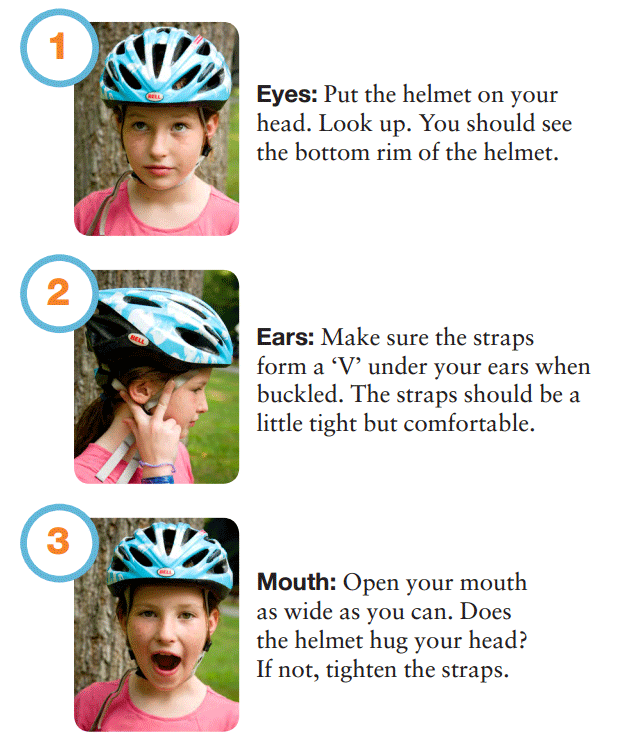 correctly: quick steps”
style=”max-width: 100%; height: auto; border: 2px solid black; border-radius: 10px; display: block; margin: 0 auto;”
loading=”lazy”
/>
How to fit a helmet correctly: quick steps
A poor fit reduces protection. Use this simple fitting routine every time.
Steps to fit:
- Place helmet level on your head. The front should sit about one inch above your eyebrows.
- Adjust side straps to form a V under each ear. Buckle and tighten until snug.
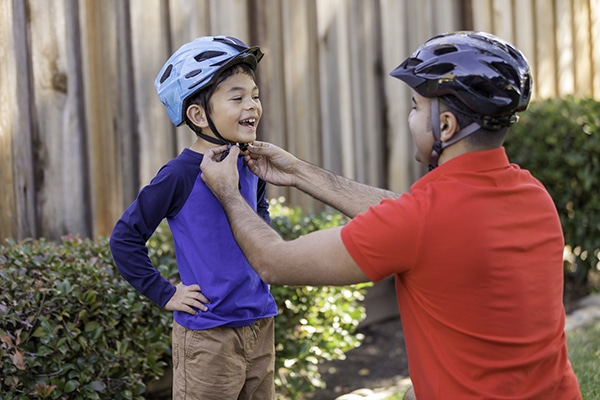
- Fasten chin strap with one or two fingers’ space under the strap.
- Shake your head gently. The helmet should not move more than an inch.
Replace a helmet after any major crash. Even if it looks fine, its liner may be compromised.

Maintenance, replacement, and storage
Helmets don’t last forever. The foam breaks down and straps may weaken. Keep a simple care routine.
Maintenance tips:
- Replace after a crash or if the liner is cracked.
- Replace helmets every 3–5 years, depending on use and exposure to sun.
- Clean with mild soap and water. Avoid strong solvents.
- Store in a cool, dry place away from UV and heat.
These steps help retain the helmet’s protection and explain part of why bike helmets are important over time.
Common myths and misconceptions
Myth: Helmets cause neck injuries.
Fact: Well-fitted helmets do not increase neck injury risk and greatly reduce head injury.
Myth: Helmets aren’t needed for short rides.
Fact: Most crashes happen close to home. Even short rides carry risk.
Myth: A helmet prevents all brain injuries.
Fact: Helmets reduce risk and severity but cannot prevent all injuries, especially in very severe crashes.
Understanding these myths helps riders make safer choices and shows why bike helmets are important for every trip.

Legal context and community impact
Many places require helmets for children or all riders. Laws encourage use and raise awareness. Beyond legal rules, community programs that provide helmets increase helmet use and lower injury rates.
Why community matters:
- Helmet distribution drives adoption among new riders.
- Education and fitting clinics increase correct use.
- Enforcement plus education works best to reduce injuries.
This social context supports the case for why bike helmets are important not just for individuals but for communities.

My experience and lessons learned
I once crashed on wet pavement at low speed. My helmet had a deep crack but my head was okay. That moment made clear why bike helmets are important in everyday riding. I learned to replace helmets after impacts and to check fit regularly.
Practical takeaways from my rides:
- Always fasten the chin strap. A loose helmet is useless.
- Replace helmets after any strong impact, even if they look fine.
- Teach kids early. Habits formed young last a lifetime.
These are simple habits I still use and share with riders I coach.
Practical tips to make helmet wearing easy
Make wearing a helmet natural with small changes. These tips help you keep the habit.
Easy tips:
- Keep a helmet by the door or mounted on your bike.
- Choose a helmet you like — style and comfort increase use.
- Use quick-release buckles for convenience.
- Pair helmet use with other safety steps like lights and high-visibility clothing.
When you see why bike helmets are important, these small steps become part of normal prep for every ride.
Frequently Asked Questions of why bike helmets are important
How much do bike helmets reduce head injuries?
Helmets substantially reduce the risk and severity of head injuries by absorbing impact energy and lowering force transmitted to the brain.
Are cheap helmets safe?
A helmet can be safe if it meets certification standards and fits well. Very cheap helmets may lack advanced features, so check certifications and fit.
Can a helmet protect against concussions?
Helmets reduce the chance of concussion by reducing impact forces, but they cannot prevent all concussions, especially from rotational forces.
When should I replace my helmet?
Replace a helmet after any significant crash or if the liner or shell is damaged. Consider replacement every 3–5 years due to wear and material aging.
Do helmets prevent brain injuries in all crashes?
Helmets greatly lower the risk of severe brain injury but cannot guarantee prevention in every crash, particularly in very high-speed or multiple-impact events.
Is it safe to buy a used helmet?
Used helmets may have unseen damage. It’s safer to buy a new helmet or only accept lightly used helmets with a known history and no crash exposure.
Conclusion
Wearing a helmet is a simple, proven way to lower your risk of serious head injury. From design mechanics to real-life stories, the evidence is clear on why bike helmets are important. Choose a certified helmet, fit it correctly, and replace it after impacts. Start small: keep your helmet handy, teach kids by example, and make fit checks a habit. Your next ride should begin with one simple step — strap on a helmet. Share this article, subscribe for more safety tips, or leave a comment about your helmet experiences.