Why Are Subaru Spark Plugs So Expensive

Contents
- 1 Key Takeaways
- 2 📑 Table of Contents
- 3 Understanding Subaru’s Boxer Engine Design
- 4 Premium Materials: Iridium, Platinum, and Copper
- 5 OEM Specifications and Compatibility
- 6 Labor-Intensive Replacement Process
- 7 Performance and Longevity Benefits
- 8 Tips for Saving Money on Subaru Spark Plugs
- 9 Conclusion
- 10 Frequently Asked Questions

Car Dent Repair Kit

Engine Flush Cleaner
Foam Cannon

Car MP3 Player
Subaru spark plugs are more expensive than average because of their specialized design for boxer engines, high-performance materials like iridium and platinum, and strict OEM specifications. While aftermarket options exist, using the wrong plug can hurt performance and fuel economy—making the higher cost worthwhile for many owners.
If you’ve ever opened your wallet to pay for a Subaru spark plug replacement, you might have done a double-take. Why are Subaru spark plugs so expensive? At first glance, they look like any other spark plug—small, metal, threaded into the engine. But when you see the price tag—often $15 to $25 per plug, sometimes more—it’s natural to wonder what makes them so special.
The truth is, Subaru spark plugs aren’t just expensive because the brand slaps a logo on them. There’s real engineering, design, and performance reasoning behind the cost. From the unique layout of Subaru’s boxer engines to the high-grade materials used in each plug, several factors contribute to the higher price point. And while it might sting at first, understanding why these plugs cost what they do can help you make smarter decisions about maintenance, performance, and long-term vehicle health.
In this article, we’ll break down the reasons behind the high cost of Subaru spark plugs, explore how they differ from standard plugs, and offer practical tips for saving money without sacrificing quality. Whether you’re a longtime Subaru owner or considering your first purchase, knowing what you’re paying for can save you headaches—and money—down the road.
Key Takeaways
- Boxer engine design requires unique spark plug placement: Subaru’s horizontally opposed engines need longer, narrower plugs that fit tight spaces, increasing manufacturing complexity.
- Premium materials boost durability and performance: Most Subaru spark plugs use iridium or platinum tips, which last longer and provide better ignition than standard copper plugs.
- OEM specifications are strict: Subaru recommends specific heat ranges and gap settings, limiting compatible aftermarket options and driving up prices.
- Labor costs add to the total expense: Replacing spark plugs in a Subaru often requires removing intake manifolds or other components, increasing service time and cost.
- Ignition system demands high precision: Subaru’s coil-on-plug system relies on exact spark timing, so low-quality plugs can cause misfires or reduced efficiency.
- Long-term savings offset upfront cost: High-quality plugs last 60,000–100,000 miles, reducing replacement frequency and potential engine damage from failures.
- Aftermarket alternatives exist—but choose wisely: Some reputable brands offer compatible plugs, but always verify fitment and performance before buying.
📑 Table of Contents
Understanding Subaru’s Boxer Engine Design
One of the biggest reasons Subaru spark plugs are more expensive lies in the very heart of the vehicle: the engine. Subaru is one of the few automakers that still uses a boxer (or flat-four/flat-six) engine layout. Unlike traditional inline or V-shaped engines, boxer engines have cylinders that lie horizontally opposite each other, firing in a “punching” motion—like a boxer’s fists.
This design offers several advantages: lower center of gravity, smoother operation, and better balance. But it also creates unique challenges when it comes to maintenance—especially spark plug replacement.
Spark Plug Placement and Accessibility
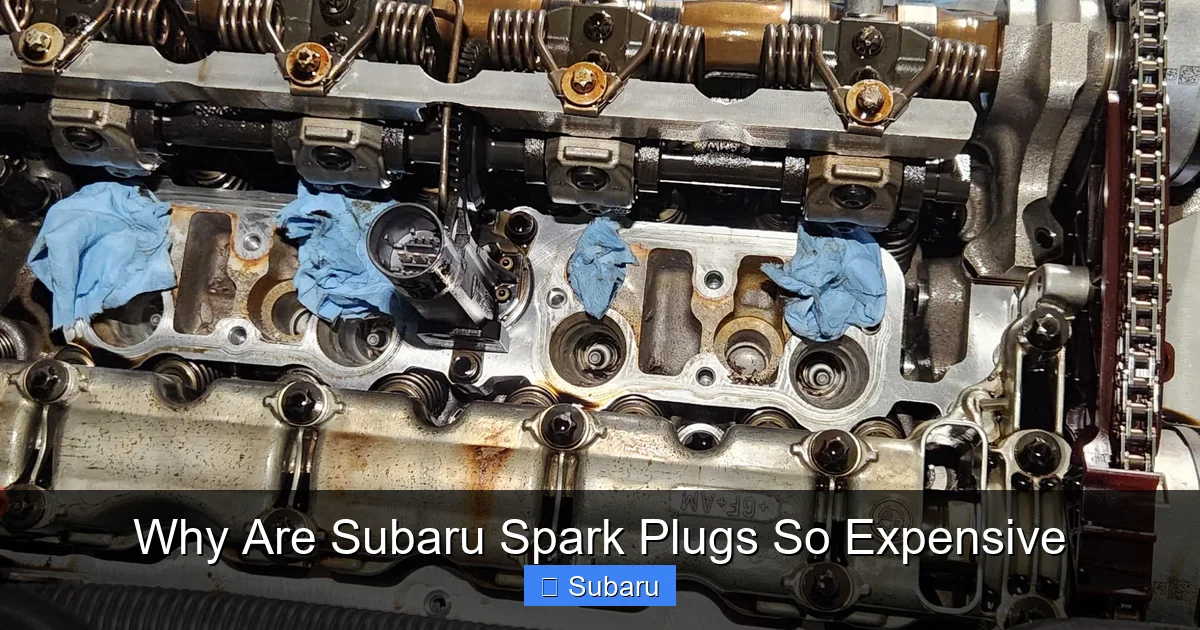
In a boxer engine, the spark plugs are positioned deep within the cylinder heads, tucked between the horizontally opposed pistons. This means they’re harder to reach than in most other engines. On many Subaru models—like the Outback, Forester, or WRX—you can’t simply pop the hood and swap out the plugs. Instead, mechanics often need to remove the intake manifold, air intake components, or even parts of the exhaust system to gain access.
This increased labor time directly impacts the total cost of replacement. Even if the plugs themselves were cheap, the 1.5 to 3 hours of labor required can add $150 to $300 to the bill. And because the job is more complex, shops may charge a premium for the expertise needed.
Longer, Slimmer Plug Design
Because of the engine’s layout, Subaru spark plugs are typically longer and narrower than those used in inline engines. This specialized shape ensures the electrode sits precisely in the combustion chamber for optimal flame propagation. But manufacturing these longer plugs requires tighter tolerances and more precise machining, which increases production costs.
Additionally, the extended reach means the plug must withstand higher thermal and mechanical stress. The tip is exposed to intense heat and pressure, so it needs to be built from durable materials that won’t degrade quickly. This brings us to the next major factor: the materials used in Subaru spark plugs.
Premium Materials: Iridium, Platinum, and Copper
Visual guide about Why Are Subaru Spark Plugs So Expensive
Image source: i.redd.it
Not all spark plugs are created equal. While basic copper-core plugs are cheap and common in older or economy vehicles, Subaru uses high-performance materials designed for longevity and efficiency.
Iridium-Tipped Plugs: The Gold Standard
Most modern Subarus come equipped with iridium-tipped spark plugs. Iridium is one of the hardest and most heat-resistant metals used in automotive applications. It has a melting point over 2,400°C (4,352°F), making it ideal for high-stress environments like combustion chambers.
Iridium plugs feature a fine wire center electrode—sometimes as thin as a human hair—which requires less voltage to create a spark. This improves ignition efficiency, especially in turbocharged models like the WRX or STI, where precise combustion is critical for performance. Because iridium is rare and difficult to work with, manufacturing these plugs is more expensive. But the payoff is a plug that can last up to 100,000 miles without replacement.
Platinum and Double-Platinum Options
Some Subaru models use platinum or double-platinum plugs, which offer a balance between cost and performance. Platinum is slightly less durable than iridium but still far superior to copper. Double-platinum plugs have both the center and ground electrodes made of platinum, which reduces wear and extends lifespan.
These materials resist erosion better than copper, meaning the spark gap stays consistent over time. A consistent gap ensures reliable ignition, better fuel economy, and smoother engine operation. While not as long-lasting as iridium, platinum plugs typically last 60,000 to 80,000 miles—still a significant improvement over standard plugs.
Why Copper Plugs Aren’t Ideal for Subarus
Copper-core plugs are the cheapest option, but they’re not recommended for most modern Subarus. Copper conducts electricity well, but the electrode erodes quickly under high heat and pressure. This leads to a wider spark gap over time, which can cause misfires, rough idling, and reduced fuel efficiency.
In turbocharged or high-performance Subaru engines, copper plugs simply can’t keep up. The increased combustion temperatures and pressures demand more durable materials. Using copper plugs in a Subaru may save you $5 per plug upfront, but you’ll likely need to replace them every 20,000 to 30,000 miles—costing you more in the long run.
OEM Specifications and Compatibility

Visual guide about Why Are Subaru Spark Plugs So Expensive
Image source: fastwrx.com
Subaru doesn’t just use premium materials—it also enforces strict OEM (Original Equipment Manufacturer) specifications for spark plugs. These specs cover everything from heat range and thread size to gap width and electrode design.
Heat Range Matters
The heat range of a spark plug determines how well it dissipates heat from the combustion chamber. If a plug runs too hot, it can cause pre-ignition or detonation. If it runs too cold, it may foul with carbon deposits.
Subaru engines are tuned to operate with plugs within a specific heat range. Using a plug with the wrong heat rating can lead to poor performance, engine knocking, or even damage. Because of this, Subaru recommends only certain plug models—often limiting your options to a handful of approved brands.
Gap Settings and Precision
Spark plug gap—the distance between the center and ground electrodes—must be exact. Subaru specifies precise gap measurements for each model and engine type. For example, a 2020 Subaru Forester with a 2.5L engine may require a gap of 0.044 inches, while a 2015 WRX with a 2.0L turbo might need 0.028 inches.
Most Subaru spark plugs come pre-gapped from the factory, but some aftermarket plugs require manual adjustment. Incorrect gapping can cause weak sparks, misfires, or engine hesitation. Because of this precision requirement, Subaru often recommends using only OEM or OEM-equivalent plugs—further narrowing the field and driving up prices.
Limited Aftermarket Compatibility
While some aftermarket brands like NGK, Denso, and Bosch make plugs compatible with Subarus, not all are created equal. Many generic or budget plugs don’t meet Subaru’s exacting standards. Even if they fit physically, they may not perform as well or last as long.
This limited compatibility means Subaru owners often have to choose between expensive OEM plugs or take a risk with cheaper alternatives. And because the wrong plug can cause serious engine issues, many prefer to pay more for peace of mind.
Labor-Intensive Replacement Process
Even if the spark plugs themselves weren’t expensive, the labor involved in replacing them would still make the job costly. Unlike front-wheel-drive cars with easy-access engines, Subarus require more disassembly.
Removing the Intake Manifold
On many Subaru models—especially those with the 2.5L or 3.6L flat-four or flat-six engines—the intake manifold sits directly over the spark plugs. To access them, mechanics must remove the manifold, disconnect hoses, and carefully lower it out of the way. This process can take 30 to 60 minutes alone.
Turbocharged Models Add Complexity
Turbocharged Subarus like the WRX, STI, or Legacy GT have even tighter engine bays. The turbocharger, intercooler piping, and boost sensors create a maze of components that must be moved or disconnected. In some cases, the entire turbo assembly must be partially removed to reach the rear plugs.
This added complexity means longer labor times and higher shop rates. A simple plug replacement that takes 30 minutes in a Honda Civic might take 2.5 hours in a Subaru WRX. And since most shops charge $100–$150 per hour, the labor cost can easily exceed the price of the plugs themselves.
DIY Challenges
Some Subaru owners attempt to replace spark plugs themselves to save money. While it’s possible, it’s not for the faint of heart. Without the right tools, experience, and patience, you risk damaging components, cross-threading plugs, or leaving hoses disconnected.
And if you’re not careful, you could end up with an engine that won’t start or runs poorly—costing you even more in repairs. For many, the peace of mind of a professional job is worth the extra cost.
Performance and Longevity Benefits
So, are Subaru spark plugs worth the high price? For most owners, the answer is yes—especially when you consider the long-term benefits.
Improved Fuel Efficiency
High-quality spark plugs ensure consistent, efficient combustion. This means your engine burns fuel more completely, improving mileage. A study by the U.S. Department of Energy found that worn spark plugs can reduce fuel economy by up to 30%. While that’s an extreme case, even a 5–10% drop in efficiency adds up over time.
With gas prices fluctuating, maintaining optimal spark plug performance can save you hundreds of dollars in fuel costs over the life of your vehicle.
Smoother Engine Operation
New, high-performance plugs reduce engine vibration, eliminate rough idling, and improve throttle response. You’ll notice a quieter, smoother ride—especially during cold starts or acceleration.
In turbocharged models, proper ignition is critical for boost control and power delivery. Weak or failing plugs can cause hesitation, lag, or even trigger the check engine light.
Longer Lifespan Reduces Replacement Frequency
While Subaru spark plugs cost more upfront, they last significantly longer than standard plugs. Most OEM iridium plugs are rated for 60,000 to 100,000 miles. That means you might only replace them once or twice over the life of the car—compared to three or four times with copper plugs.
Fewer replacements mean less labor cost, less downtime, and fewer chances of something going wrong during installation.
Prevents Costly Engine Damage
Failing spark plugs don’t just hurt performance—they can damage your engine. A misfiring plug can cause unburned fuel to enter the exhaust system, overheating the catalytic converter. Replacing a clogged or melted catalytic converter can cost $1,000 to $3,000—far more than a set of spark plugs.
In extreme cases, a broken plug can fall into the cylinder, causing piston or valve damage. Repairing that kind of internal engine damage can run into the thousands.
Investing in high-quality spark plugs is a preventive measure that protects your engine and saves money in the long run.
Tips for Saving Money on Subaru Spark Plugs
While Subaru spark plugs are expensive, there are ways to reduce the overall cost without compromising quality.
Choose Reputable Aftermarket Brands
You don’t have to buy OEM plugs from the dealership. Brands like NGK, Denso, and Bosch make high-quality iridium or platinum plugs that meet or exceed Subaru’s specifications. These often cost 20–30% less than OEM parts.
Just make sure the part number matches your vehicle’s requirements. Use Subaru’s official parts catalog or a trusted auto parts website to verify compatibility.
Replace All Plugs at Once
If one plug is worn, the others likely are too. Replacing all four (or six) at the same time ensures even performance and prevents future misfires. It also saves on labor—since the mechanic is already disassembling the engine, doing all the plugs at once is more efficient.
Do It Yourself (If You’re Experienced)
If you’re mechanically inclined, consider replacing the plugs yourself. Watch detailed YouTube tutorials for your specific model, gather the right tools (like a torque wrench and spark plug socket), and take your time.
You’ll save $150–$300 in labor, which can offset the cost of premium plugs. Just be sure to follow torque specifications and reconnect everything properly.
Time Your Replacement
Spark plug replacement is often included in major service intervals (like at 60,000 or 90,000 miles). If you’re already paying for an oil change, tire rotation, or brake service, ask if the shop offers a discount on plug replacement. Some dealers or independent shops bundle services to save you money.
Buy in Bulk or Online
Purchasing spark plugs online or in multi-packs can reduce the per-unit cost. Just store them in a dry, cool place until you’re ready to install. Avoid buying used or refurbished plugs—they’re not worth the risk.
Maintain Your Ignition System
Keep your ignition coils, wires (if applicable), and fuel system clean. Dirty fuel injectors or weak coils can put extra stress on spark plugs, shortening their lifespan. Regular maintenance helps your plugs last as long as possible.
Conclusion
So, why are Subaru spark plugs so expensive? The answer lies in a combination of engineering, materials, and design. Subaru’s unique boxer engines require specialized, hard-to-reach spark plugs made from premium materials like iridium and platinum. Strict OEM specifications limit compatible options, and the labor-intensive replacement process adds to the total cost.
But while the upfront price may seem steep, high-quality spark plugs deliver long-term value. They improve fuel efficiency, ensure smooth performance, and prevent costly engine damage. For most Subaru owners, the investment is well worth it.
That said, you don’t have to overpay. By choosing reputable aftermarket brands, replacing all plugs at once, or tackling the job yourself, you can save money without sacrificing quality. The key is to prioritize performance and longevity over the lowest price tag.
Your Subaru is built for adventure, reliability, and performance. Don’t let a set of spark plugs hold it back. Treat your engine right, and it will take you miles—literally.
Frequently Asked Questions
Why are Subaru spark plugs more expensive than other brands?
Subaru spark plugs cost more due to their specialized design for boxer engines, use of premium materials like iridium and platinum, and strict OEM specifications. The labor-intensive replacement process also adds to the overall expense.
Can I use cheaper spark plugs in my Subaru?
While possible, using low-quality or incompatible plugs can cause misfires, reduced fuel economy, and engine damage. It’s best to use OEM or high-quality aftermarket plugs that meet Subaru’s specifications.
How often should I replace Subaru spark plugs?
Most Subaru spark plugs last 60,000 to 100,000 miles, depending on the material. Check your owner’s manual for the recommended interval and inspect them if you notice rough idling or poor performance.
Do I need to replace all spark plugs at the same time?
Yes, it’s recommended to replace all plugs simultaneously to ensure even performance and prevent future issues. This also saves on labor costs since the engine is already disassembled.
Can I replace Subaru spark plugs myself?
Yes, but it’s a complex job that requires patience, the right tools, and mechanical knowledge. If you’re not experienced, it’s safer to have a professional do it to avoid damage.
Are aftermarket spark plugs safe for Subarus?
Reputable brands like NGK, Denso, and Bosch make safe, high-quality plugs for Subarus. Just verify the part number and specifications match your vehicle’s requirements before purchasing.