Who Makes Subaru Batteries

Contents
- 1 Key Takeaways
- 2 📑 Table of Contents
- 3 Why Subaru Doesn’t Make Its Own Batteries
- 4 Top Manufacturers Behind Subaru Batteries
- 5 Types of Batteries Used in Subaru Vehicles
- 6 OEM vs. Aftermarket Subaru Batteries: What’s the Difference?
- 7 How to Choose the Right Subaru Battery
- 8 Tips for Maintaining Your Subaru Battery
- 9 Conclusion
- 10 Frequently Asked Questions

Bluetooth FM Transmitter

Car Interior LED Light

Car Floor Mats (Universal)
Tire Shine Spray
Subaru batteries are manufactured by trusted third-party suppliers like Johnson Controls, Exide, and East Penn, not in-house. These companies produce high-quality, reliable batteries designed specifically for Subaru vehicles to ensure peak performance and longevity.
If you’ve ever popped the hood of your Subaru and wondered, “Who actually makes these batteries?” — you’re not alone. Subaru is known for its rugged all-wheel-drive vehicles, boxer engines, and loyal fan base. But when it comes to one of the most critical components under the hood — the battery — the story gets a little more complex. Unlike some automakers that produce their own batteries in-house, Subaru takes a different approach. Instead of manufacturing batteries themselves, they rely on established, globally recognized battery producers to supply the power packs that keep your Forester, Outback, Crosstrek, or WRX running smoothly.
So, who makes Subaru batteries? The short answer is: not Subaru. But that doesn’t mean the batteries are generic or low quality. In fact, Subaru batteries are carefully selected and engineered to meet strict performance standards. These batteries are either Original Equipment Manufacturer (OEM) units installed at the factory or high-quality replacements designed specifically for Subaru vehicles. Whether you’re driving a hybrid Crosstrek or a turbocharged WRX STI, the battery must handle unique electrical loads — from all-wheel-drive systems to advanced infotainment and driver-assist technologies. That’s why Subaru doesn’t leave battery production to chance. They partner with some of the most reputable names in the battery industry to ensure reliability, longevity, and compatibility.
In this article, we’ll dive deep into the world of Subaru batteries — who makes them, how they’re built, what types are used, and how to choose the best one for your vehicle. Whether you’re replacing a dying battery or just curious about what powers your Subaru, you’ll come away with practical knowledge and actionable tips. From understanding OEM suppliers to comparing aftermarket options, we’ve got you covered. Let’s get started.
Key Takeaways
- Subaru does not manufacture its own batteries: Instead, it partners with leading battery manufacturers to supply OEM and replacement batteries.
- Primary manufacturers include Johnson Controls, Exide, and East Penn: These companies produce Subaru-branded batteries under contract.
- OEM Subaru batteries are built for specific models: They are engineered to match Subaru’s electrical demands, including AWD systems and advanced electronics.
- Aftermarket options are widely available: Brands like Interstate, DieHard, and Optima offer compatible batteries with varying performance levels.
- Battery type matters: Most Subaru models use AGM (Absorbent Glass Mat) or standard flooded lead-acid batteries depending on trim and features.
- Proper maintenance extends battery life: Regular checks, clean terminals, and avoiding deep discharges help maximize performance.
- Warranty and installation matter: Always choose a reputable installer and check warranty terms—many Subaru batteries come with 3- to 5-year coverage.
📑 Table of Contents
Why Subaru Doesn’t Make Its Own Batteries
It might seem surprising that a company as detail-oriented as Subaru doesn’t manufacture its own batteries. After all, they design their own engines, transmissions, and even some electronics. But when it comes to batteries, Subaru follows a common industry practice: outsourcing to specialists. This isn’t a sign of weakness — it’s actually a smart business and engineering decision.
Battery technology is highly specialized. It requires advanced chemistry, precision manufacturing, and rigorous testing — things that are best handled by companies whose sole focus is energy storage. Subaru’s expertise lies in vehicle dynamics, safety systems, and drivetrain engineering. By partnering with battery manufacturers, they can leverage decades of research and development without having to build an entire battery production facility from scratch.
Moreover, battery production involves significant investment in materials like lead, lithium, and advanced separators. It also requires compliance with environmental regulations and recycling programs. Companies like Johnson Controls (now Clarios) and Exide have the infrastructure, certifications, and global supply chains to handle these demands efficiently. Subaru benefits from this expertise while maintaining strict quality control over the final product.
Another reason Subaru doesn’t make batteries in-house is consistency and scalability. Whether your Subaru is built in Japan, the United States, or another facility, the battery needs to perform identically. By using standardized OEM suppliers, Subaru ensures that every vehicle rolls off the assembly line with a battery that meets exact specifications. This uniformity is crucial for reliability, especially in harsh climates where battery performance can make or break a vehicle’s usability.
Finally, outsourcing allows Subaru to stay agile. Battery technology is evolving rapidly — with advancements in AGM, lithium-ion, and even solid-state batteries. By working with leading manufacturers, Subaru can quickly adopt new technologies without disrupting their core operations. For example, when the Crosstrek Hybrid was introduced, Subaru needed a battery system that could support both traditional 12V functions and hybrid propulsion. Partnering with experts made this transition smoother and faster.
Top Manufacturers Behind Subaru Batteries
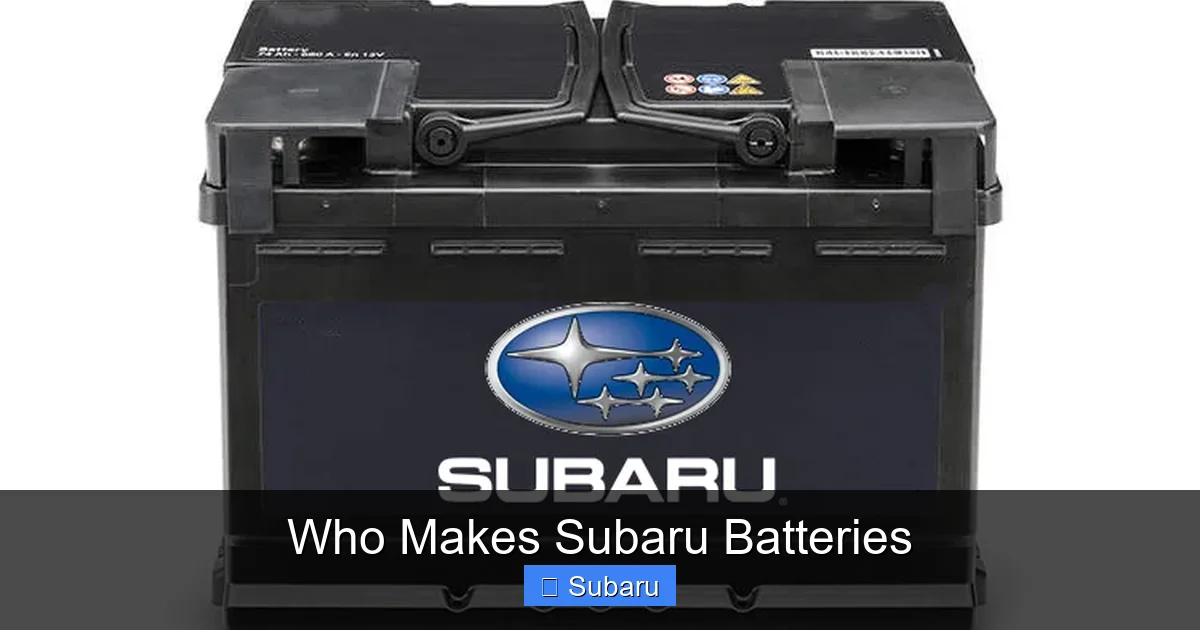
Visual guide about Who Makes Subaru Batteries
Image source: dornig.de
Now that we know Subaru doesn’t make its own batteries, let’s meet the companies that do. These manufacturers are household names in the automotive battery world, and they play a crucial role in powering Subaru vehicles around the globe.
Johnson Controls (Now Clarios)
One of the biggest players in the Subaru battery supply chain is Johnson Controls — now known as Clarios after a corporate spin-off. For decades, Johnson Controls has been a leading producer of automotive batteries, supplying OEM units to major automakers including Ford, GM, and Subaru. Their batteries are known for durability, cold-cranking performance, and resistance to vibration — all important traits for Subaru’s rugged, all-terrain vehicles.
Clarios manufactures many of the OEM batteries found in Subaru models, especially those with start-stop technology or advanced electronics. Their AGM (Absorbent Glass Mat) batteries are commonly used in higher-trim Subarus like the Outback Limited or Forester Sport. These batteries can handle frequent charge-discharge cycles, making them ideal for vehicles with regenerative braking and energy-intensive features.
One example is the Clarios-produced battery used in the 2023 Subaru Outback. This AGM battery delivers 760 cold cranking amps (CCA) and is designed to support the vehicle’s dual-battery system, which powers the infotainment and driver-assist systems even when the engine is off. The battery is also built to withstand the vibrations common in Subaru’s boxer engine layout, which can be tougher on batteries than traditional inline engines.
Exide Technologies
Another major supplier is Exide Technologies, a global leader in stored energy solutions. Exide has a long history of producing high-quality automotive batteries and has been a trusted partner for Subaru in various regions, particularly in North America and Europe.
Exide batteries used in Subaru vehicles often feature advanced lead-acid chemistry and robust construction. They’re designed to deliver reliable starting power in extreme temperatures — a must for Subaru owners in snowy climates like Colorado or Minnesota. Exide also emphasizes sustainability, using recycled materials in their batteries and offering take-back programs for old units.
For instance, many 2020–2022 Subaru Crosstrek models came equipped with Exide batteries rated at 650 CCA. These batteries are built to handle the frequent short trips and accessory loads typical of urban driving, while still providing enough reserve capacity for cold mornings.
East Penn Manufacturing
East Penn Manufacturing, based in Pennsylvania, is another key player. Though less publicly visible than Clarios or Exide, East Penn is one of the largest independent battery manufacturers in the world. They produce batteries under various brand names and supply OEM units to several automakers, including Subaru.
East Penn is known for its commitment to quality and innovation. Their batteries often feature enhanced plate design, improved electrolyte retention, and longer cycle life. Many Subaru dealerships carry East Penn-made batteries as OEM replacements, especially in the U.S. market.
One standout feature of East Penn batteries is their resistance to sulfation — a common cause of battery failure. Sulfation occurs when lead sulfate crystals build up on the battery plates, reducing capacity over time. East Penn uses advanced materials and manufacturing techniques to minimize this issue, helping Subaru batteries last longer between replacements.
Other Regional Suppliers
Depending on where your Subaru is built or sold, you might also find batteries from regional manufacturers. For example, in Japan, Subaru vehicles may use batteries from GS Yuasa or Panasonic. These companies are leaders in Asia and produce high-performance batteries for both domestic and export markets.
While the brand on the label may vary, the core specifications remain consistent. Subaru works closely with all its suppliers to ensure that every battery meets strict performance, safety, and environmental standards. This global supply chain allows Subaru to deliver reliable vehicles no matter where they’re sold.
Types of Batteries Used in Subaru Vehicles
Visual guide about Who Makes Subaru Batteries
Image source: liftedimports.com
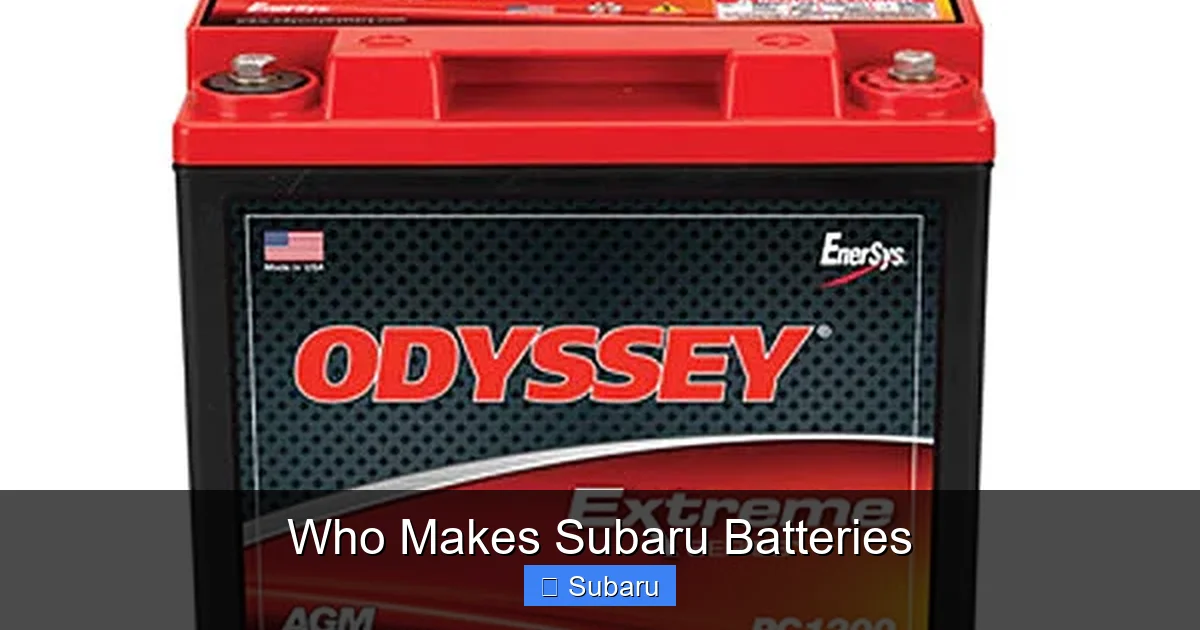
Not all Subaru batteries are created equal. Depending on the model, year, and trim level, your Subaru may use one of several battery types. Understanding these differences is key to choosing the right replacement and maintaining optimal performance.
Standard Flooded Lead-Acid Batteries
The most common type of battery in older or base-model Subarus is the standard flooded lead-acid battery. These are the traditional batteries you’ve probably seen for decades — they contain liquid electrolyte and require periodic maintenance, such as checking fluid levels.
Flooded batteries are cost-effective and reliable for vehicles with basic electrical systems. They’re often used in entry-level trims of models like the Impreza or Crosstrek. For example, a 2018 Subaru Impreza with a manual transmission might come with a 12V flooded battery rated at 600 CCA.
While these batteries are simpler and cheaper, they have some drawbacks. They’re more prone to leakage, require ventilation, and can lose water over time — especially in hot climates. They also don’t handle deep discharges well, which can shorten their lifespan.
AGM (Absorbent Glass Mat) Batteries
For newer or higher-end Subaru models, AGM batteries are the standard. AGM technology uses a fiberglass mat to absorb the electrolyte, making the battery spill-proof, maintenance-free, and highly resistant to vibration.
AGM batteries are essential for vehicles with start-stop systems, which automatically shut off the engine at stoplights to save fuel. When the engine restarts, the battery must deliver a powerful burst of energy — something flooded batteries struggle with. AGM batteries, on the other hand, can handle hundreds of thousands of charge-discharge cycles.
Subaru began widely adopting AGM batteries around 2015, especially in models with advanced features. The 2023 Subaru Ascent, for example, uses a 70Ah AGM battery to support its large touchscreen, multiple USB ports, and all-wheel-drive system. Even when the engine is off, the battery can power accessories for extended periods — a big advantage for road trips or camping.
Another benefit of AGM batteries is their faster charging capability. This is important for Subaru’s regenerative braking systems, which capture energy during deceleration and feed it back to the battery. AGM batteries accept this charge more efficiently, helping maintain optimal voltage levels.
Enhanced Flooded Batteries (EFB)
In some mid-range Subaru models, you might find Enhanced Flooded Batteries (EFB). These are a step up from standard flooded batteries and are designed for vehicles with mild start-stop systems or higher electrical demands.
EFB batteries use improved plate design and additives to increase cycle life and performance. They’re more affordable than AGM batteries but still offer better durability and charge acceptance than traditional flooded units.
For example, certain 2021 Subaru Legacy models with automatic engine stop-start use EFB batteries. They provide reliable performance without the higher cost of AGM technology, making them a smart middle-ground option.
Hybrid and EV-Specific Batteries
For Subaru’s electrified vehicles, like the Crosstrek Hybrid, the battery story gets more complex. These vehicles use two battery systems: a high-voltage lithium-ion battery for propulsion and a traditional 12V battery for accessories.
The 12V battery in a Crosstrek Hybrid is often an AGM unit, chosen for its reliability and ability to handle frequent cycling. It powers everything from the climate control to the infotainment system, even when the hybrid system is in electric-only mode.
The high-voltage battery, on the other hand, is a completely different beast. It’s much larger, uses lithium-ion chemistry, and is managed by a sophisticated battery control module. While this battery isn’t what we typically think of as a “car battery,” it’s a critical part of the vehicle’s powertrain.
OEM vs. Aftermarket Subaru Batteries: What’s the Difference?
Visual guide about Who Makes Subaru Batteries
Image source: cdn11.bigcommerce.com
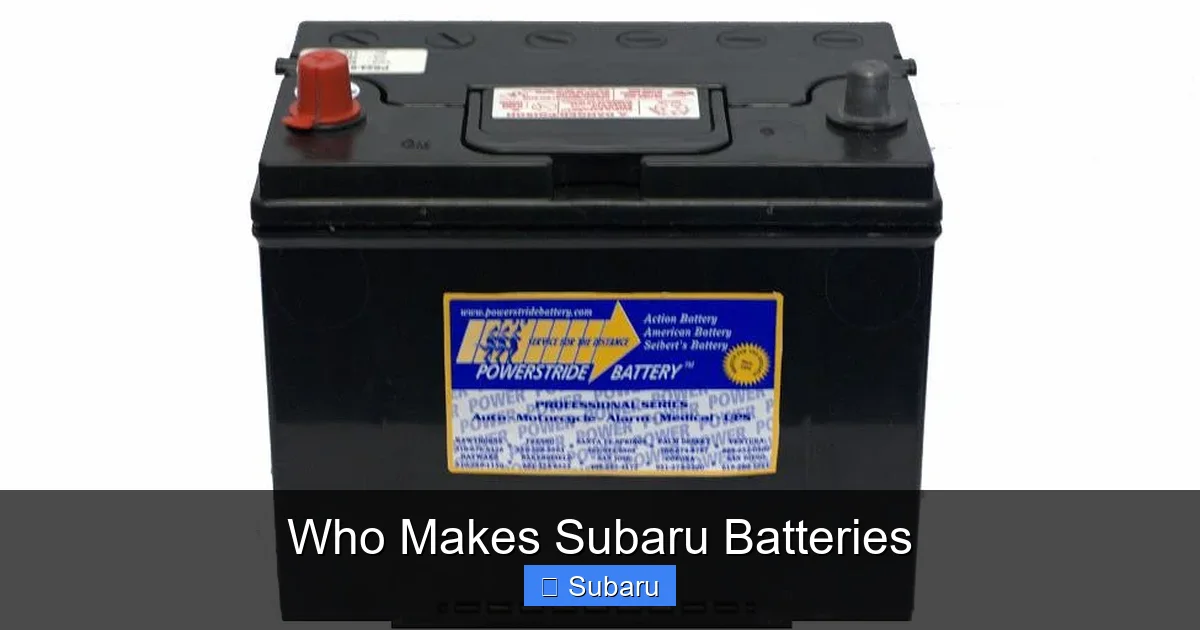
When it’s time to replace your Subaru battery, you’ll face a key decision: go with an OEM (Original Equipment Manufacturer) battery or choose an aftermarket option. Both have pros and cons, and the best choice depends on your budget, driving habits, and vehicle needs.
OEM Subaru Batteries
OEM batteries are made by the same manufacturers that supply Subaru from the factory — like Clarios, Exide, or East Penn — but are sold under the Subaru brand. They’re designed to match the exact specifications of your vehicle, including size, terminal placement, and electrical output.
One major advantage of OEM batteries is compatibility. They’re guaranteed to fit your Subaru without modifications, and they’re tested to work seamlessly with the vehicle’s charging system and electronics. This is especially important for models with start-stop or dual-battery systems.
OEM batteries also come with strong warranties — often 3 to 5 years, with some covering free replacement if the battery fails within the first year. Subaru dealerships typically offer professional installation, which ensures the battery is properly registered with the vehicle’s computer system. This step is crucial for modern Subarus, as the car needs to “learn” the new battery’s characteristics to optimize charging.
However, OEM batteries are usually more expensive than aftermarket options. For example, a Subaru OEM AGM battery might cost $250–$350, while a comparable aftermarket battery could be $150–$200. If you’re on a tight budget, this price difference can be significant.
Aftermarket Subaru Batteries
Aftermarket batteries are made by third-party companies like Interstate, DieHard, Optima, or Bosch. They’re designed to be compatible with Subaru vehicles but aren’t branded or sold by Subaru.
The biggest benefit of aftermarket batteries is value. You can often get similar or even better performance at a lower price. Many aftermarket brands offer extended warranties — some up to 7 years — and higher cold cranking amp ratings.
For example, an Optima RedTop AGM battery might deliver 800 CCA — more than many OEM Subaru batteries — and come with a 3-year free replacement warranty. It’s also built to withstand extreme conditions, making it a favorite among off-road enthusiasts and Subaru owners in harsh climates.
Another advantage is availability. Aftermarket batteries are sold at auto parts stores, online retailers, and big-box stores, making them easy to find and install. You can often get same-day service or even install the battery yourself if you’re handy.
However, there are some trade-offs. Not all aftermarket batteries are created equal. Some cheaper brands may use lower-quality materials or lack the precision engineering of OEM units. Also, if you install the battery yourself, you might miss the step of registering it with the vehicle’s computer — which can lead to charging issues or error messages.
Which Should You Choose?
For most Subaru owners, an OEM battery is the safest bet — especially if you have a newer model with advanced electronics. The peace of mind, warranty, and guaranteed compatibility are worth the extra cost.
But if you’re looking to save money or want higher performance, a high-quality aftermarket battery from a trusted brand can be an excellent choice. Just make sure it’s the right size, type (AGM vs. flooded), and has sufficient CCA for your climate.
How to Choose the Right Subaru Battery
Choosing the right battery for your Subaru isn’t just about picking the cheapest or most powerful option. It’s about matching the battery to your vehicle’s needs, your driving habits, and your local climate. Here’s how to make the best choice.
Check Your Owner’s Manual
Start by consulting your Subaru owner’s manual. It will list the recommended battery group size, cold cranking amps (CCA), and reserve capacity (RC). These specs are critical — using a battery that doesn’t meet them can lead to poor performance or damage to your vehicle’s electrical system.
For example, a 2022 Subaru Forester requires a Group 35 battery with at least 650 CCA. If you install a smaller battery, it may not have enough power to start the engine in cold weather. If you install a larger one, it might not fit in the battery tray.
Consider Your Climate
Cold cranking amps (CCA) measure a battery’s ability to start an engine in cold temperatures. The colder your climate, the higher the CCA you need. If you live in a place like Alaska or North Dakota, aim for a battery with 700+ CCA.
In warmer climates, CCA is less critical, but reserve capacity (RC) becomes more important. RC measures how long the battery can power your vehicle if the alternator fails. For long commutes or frequent short trips, a higher RC (80+ minutes) is ideal.
Match the Battery Type
Make sure you choose the right type of battery — flooded, AGM, or EFB. If your Subaru came with an AGM battery, don’t downgrade to a flooded one. AGM batteries are more expensive, but they’re required for start-stop systems and advanced electronics.
Using the wrong type can cause charging problems, reduce battery life, or even trigger warning lights on your dashboard.
Look for a Good Warranty
A longer warranty usually means the manufacturer has confidence in their product. Look for batteries with at least a 3-year free replacement warranty. Some premium brands offer 5 or even 7 years.
Also, check if the warranty is prorated — meaning you pay a portion of the cost if the battery fails after the first year. Full free replacement is always better.
Buy from a Reputable Source
Whether you choose OEM or aftermarket, buy from a trusted retailer. Dealerships, authorized Subaru service centers, and well-known auto parts stores are your best bets. Avoid unknown online sellers or bargain bins — you don’t want a counterfeit or old battery.
Get Professional Installation
Modern Subarus require battery registration after replacement. This process tells the car’s computer about the new battery’s capacity and health, allowing it to charge properly. If you don’t register the battery, you might see warning lights or experience charging issues.
Most dealerships and repair shops can do this for a small fee. Some auto parts stores offer free installation and registration with purchase.
Tips for Maintaining Your Subaru Battery
A little maintenance goes a long way in extending your Subaru battery’s life. Here are some simple tips to keep your battery in top shape.
Keep Terminals Clean
Corrosion on battery terminals can interfere with electrical connections. Check the terminals every few months and clean them with a mixture of baking soda and water. Use a wire brush to remove any buildup, then rinse and dry thoroughly.
Check Battery Voltage
Use a multimeter to check your battery’s voltage. A healthy battery should read around 12.6 volts when the engine is off. If it’s below 12.4 volts, it may be time to charge or replace it.
Avoid Deep Discharges
Leaving lights on or using accessories with the engine off can drain your battery. Try to avoid deep discharges, as they shorten battery life — especially for AGM batteries.
Drive Regularly
If you don’t drive your Subaru often, the battery can lose charge over time. Consider using a battery maintainer or trickle charger to keep it topped up.
Inspect for Damage
Look for cracks, bulges, or leaks in the battery case. These are signs of damage and mean the battery should be replaced immediately.
Conclusion
So, who makes Subaru batteries? The answer is clear: trusted third-party manufacturers like Clarios (formerly Johnson Controls), Exide, and East Penn. These companies produce high-quality batteries that meet Subaru’s strict standards for performance, reliability, and safety. Whether you’re driving a rugged Outback or a sporty WRX, your Subaru’s battery is built to handle the demands of all-wheel drive, advanced electronics, and harsh conditions.
While Subaru doesn’t make batteries in-house, their partnerships with industry leaders ensure that every vehicle gets the power it needs. From standard flooded batteries to advanced AGM units, the right battery depends on your model, climate, and driving habits. And when it’s time to replace it, you have options — OEM for guaranteed compatibility or aftermarket for better value.
By understanding who makes Subaru batteries and how to choose and maintain them, you can keep your vehicle running smoothly for years to come. A healthy battery means reliable starts, smooth electronics, and peace of mind — no matter where the road takes you.
Frequently Asked Questions
Are Subaru batteries made by Subaru?
No, Subaru does not manufacture its own batteries. Instead, they partner with leading battery companies like Clarios, Exide, and East Penn to produce OEM batteries that meet Subaru’s specifications.
What type of battery does a Subaru use?
Most modern Subarus use AGM (Absorbent Glass Mat) batteries, especially models with start-stop technology. Older or base models may use standard flooded lead-acid batteries.
Can I use any battery in my Subaru?
Not exactly. You should use a battery that matches your vehicle’s group size, CCA rating, and type (AGM or flooded). Using the wrong battery can cause electrical issues or poor performance.
How long do Subaru batteries last?
On average, Subaru batteries last 3 to 5 years. Factors like climate, driving habits, and maintenance can affect lifespan. AGM batteries may last longer than flooded ones.
Do I need to register a new battery in my Subaru?
Yes, most modern Subarus require battery registration after replacement. This tells the car’s computer about the new battery and ensures proper charging. A professional installer can do this for you.
Is it better to buy an OEM or aftermarket Subaru battery?
OEM batteries offer guaranteed compatibility and strong warranties, while aftermarket options can be more affordable and sometimes offer higher performance. Choose based on your budget and needs.