Which Year Kia Optima to Avoid

Contents
- 1 Key Takeaways
- 2 📑 Table of Contents
- 3 Introduction: The Kia Optima’s Rise—and Its Rough Spots
- 4 Why Some Kia Optima Years Are Best Avoided
- 5 The 2011–2013 Kia Optima: A Troubled Start
- 6 The 2014–2015 Kia Optima: Slight Improvements, Lingering Problems
- 7 The 2016–2017 Kia Optima: Recalls and Reliability Woes
- 8 The 2018–2020 Kia Optima: A Turn for the Better
- 9 How to Avoid a Lemon: Tips for Buying a Used Kia Optima
- 10 Conclusion: Choose Wisely and Drive Confidently
- 11 Frequently Asked Questions

Octane Booster

Windshield Cleaning Tool

Car Seat Cover (Universal Fit)

Waterless Car Wash Spray
Not all Kia Optima models are created equal—some years have serious mechanical and electrical issues. This guide reveals the specific model years to avoid, highlights common problems, and helps you pick a safer, more reliable Optima.
Key Takeaways
- Avoid 2011–2013 Kia Optima models: These years are plagued by engine failures, particularly the Theta II 2.4L engine, which can suffer from sudden rod bearing wear and catastrophic engine damage.
- Steer clear of 2016–2017 models: Multiple recalls for brake, steering, and electrical issues, plus reports of sudden stalling and fire risks, make these years risky.
- Watch for excessive oil consumption: Many 2011–2015 Optimas burn oil rapidly, leading to low oil levels and potential engine damage if not monitored closely.
- Check for unresolved recalls: Always verify the vehicle’s recall status using the NHTSA database—some owners never had critical repairs done.
- Prefer 2018–2020 models: These later years offer improved reliability, better warranties, and fewer reported issues, making them safer used car choices.
- Always get a pre-purchase inspection: Even in good model years, a professional mechanic can uncover hidden problems before you buy.
- Review owner forums and complaints: Real-world experiences from Optima owners provide valuable insight beyond official ratings.
📑 Table of Contents
- Introduction: The Kia Optima’s Rise—and Its Rough Spots
- Why Some Kia Optima Years Are Best Avoided
- The 2011–2013 Kia Optima: A Troubled Start
- The 2014–2015 Kia Optima: Slight Improvements, Lingering Problems
- The 2016–2017 Kia Optima: Recalls and Reliability Woes
- The 2018–2020 Kia Optima: A Turn for the Better
- How to Avoid a Lemon: Tips for Buying a Used Kia Optima
- Conclusion: Choose Wisely and Drive Confidently
Introduction: The Kia Optima’s Rise—and Its Rough Spots
The Kia Optima has long been a popular midsize sedan, praised for its sleek design, comfortable ride, and strong value proposition. Over the years, it’s earned a reputation as a stylish alternative to Toyota Camry or Honda Accord, often coming with more standard features at a lower price. But like any car, not every model year is created equal. While Kia has made significant strides in reliability and quality, certain years of the Optima stand out—not for their strengths, but for their serious flaws.
If you’re shopping for a used Kia Optima, it’s crucial to know which years to avoid. Some model years are linked to widespread engine problems, electrical gremlins, and safety recalls that can turn a great deal into a money pit. Ignoring these red flags could mean facing expensive repairs, unexpected breakdowns, or even safety hazards. That’s why understanding the history of the Optima—especially the troubled years—is essential for making a smart, informed decision.
Why Some Kia Optima Years Are Best Avoided
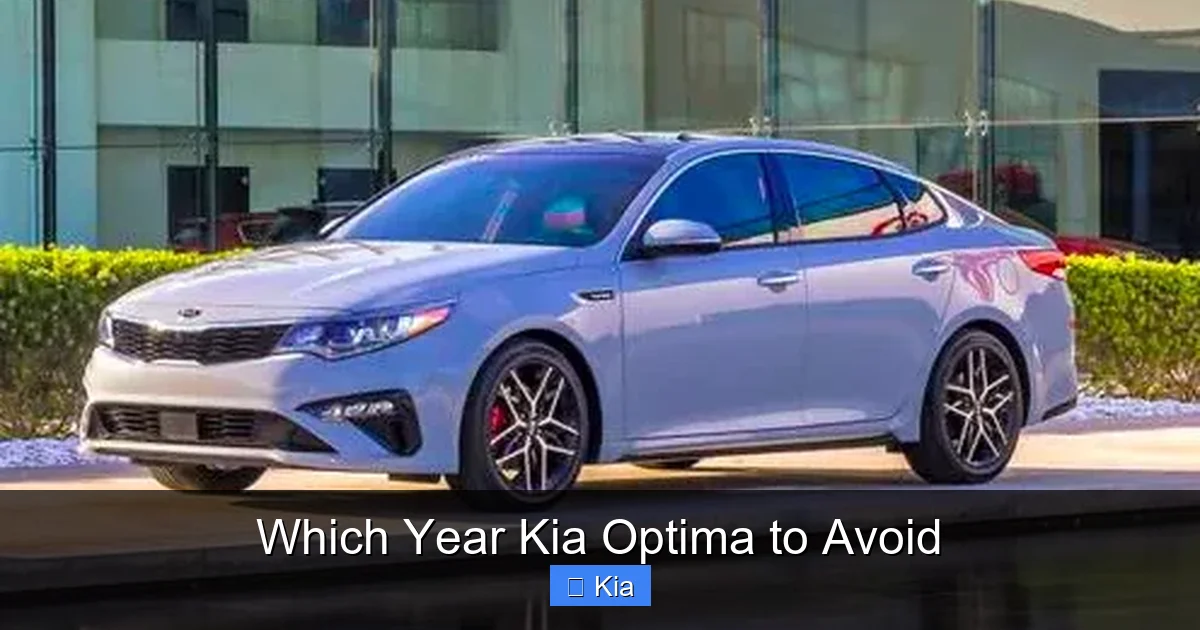
Visual guide about Which Year Kia Optima to Avoid
Image source: dashboardwarning.com
When it comes to used car shopping, knowledge is power. The Kia Optima has seen several generations since its debut, and while the brand has improved dramatically over time, early models—especially from 2011 to 2017—have a track record of mechanical and safety issues. These problems aren’t just minor annoyances; they can lead to thousands of dollars in repairs or even leave you stranded on the side of the road.
One of the biggest reasons certain Optima years are best avoided is the widespread use of the Theta II 2.4L four-cylinder engine. Introduced in 2011, this engine was supposed to deliver better fuel economy and performance. Instead, it became infamous for premature engine failure due to faulty rod bearings. The issue was so severe that Kia and Hyundai (which shares the engine) faced a massive class-action lawsuit, resulting in an extended warranty program for affected vehicles.
But engine problems aren’t the only concern. Electrical issues, brake system failures, and steering malfunctions have also plagued several model years. Recalls have been issued, but not all owners get them fixed. That means a used Optima might still carry unresolved safety risks. In short, buying an Optima without knowing its history is like playing roulette—you might get lucky, but the odds aren’t in your favor.
The 2011–2013 Kia Optima: A Troubled Start

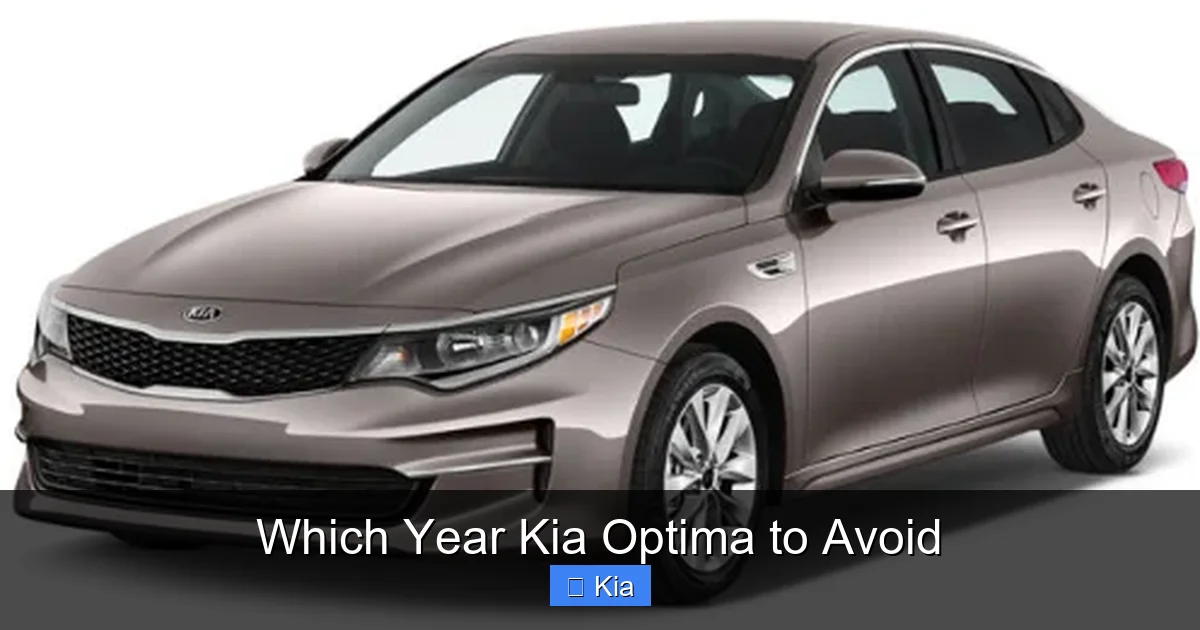
Visual guide about Which Year Kia Optima to Avoid
Image source: dashboardwarning.com
The 2011–2013 Kia Optima models are widely considered the worst years of the lineup—and for good reason. These early fourth-generation Optimas introduced a bold new design and modern features, but they were built on a foundation of mechanical flaws that would haunt owners for years.
Engine Failures and the Theta II Crisis
The most notorious issue with these models is the Theta II 2.4L engine. This engine, also used in Hyundai models like the Sonata, suffered from defective rod bearings that could fail without warning. When a rod bearing fails, it can cause the engine to seize, leading to complete engine failure. In some cases, the engine would throw a rod—literally breaking through the engine block—causing catastrophic damage.
Owners reported hearing knocking or ticking noises from the engine, followed by sudden loss of power or stalling. Even if the car seemed to run fine, internal damage could be building up. The problem was so widespread that Kia issued a technical service bulletin (TSB) and later extended the powertrain warranty to 10 years or 100,000 miles for affected vehicles. However, this warranty only covered repairs—not replacements—and many owners still faced costly repairs after the warranty expired.
Excessive Oil Consumption
Another major issue with the 2011–2013 Optima was excessive oil consumption. Many owners found their cars burning through a quart of oil every 1,000 to 1,500 miles. While some oil burn is normal in older engines, this level of consumption is excessive and can lead to low oil levels, increased engine wear, and eventual failure.
Kia acknowledged the issue and offered software updates and piston ring replacements in some cases, but the fixes were inconsistent. Some owners reported improvement, while others saw no change. The bottom line? If you’re considering a 2011–2013 Optima, you must check the oil regularly—and be prepared for potential engine work down the road.
Electrical and Infotainment Glitches
Beyond mechanical issues, these early models also suffered from electrical problems. Owners reported issues with the touchscreen infotainment system freezing, Bluetooth connectivity dropping, and dashboard warning lights illuminating for no reason. Some even experienced complete electrical failures, including non-functional power windows or locks.
These glitches weren’t just inconvenient—they could affect safety systems like the backup camera or blind-spot monitoring. While not as dangerous as engine failure, they added to the overall unreliability of these model years.
The 2014–2015 Kia Optima: Slight Improvements, Lingering Problems
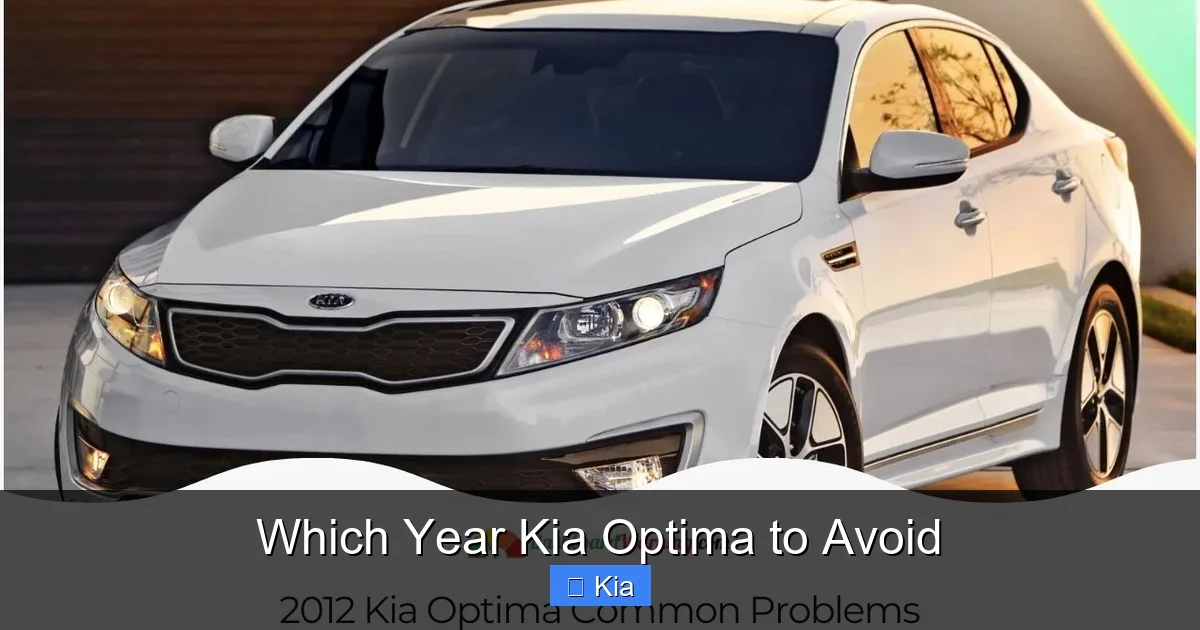
Visual guide about Which Year Kia Optima to Avoid
Image source: dashboardwarning.com
The 2014 and 2015 Kia Optima models saw some updates, including a refreshed exterior and improved interior materials. Kia also made minor tweaks to the Theta II engine in hopes of addressing the rod bearing issue. However, these changes didn’t fully resolve the underlying problems.
Continued Engine Concerns
While the 2014–2015 models had a slightly updated version of the Theta II engine, the fundamental design flaws remained. Rod bearing failures still occurred, and oil consumption issues persisted. Some owners reported that the updated engine ran quieter, but that didn’t mean it was more reliable.
Kia continued to extend warranties and offer repairs, but the stigma around these engines remained. If you’re looking at a 2014 or 2015 Optima, it’s essential to verify whether the engine has been repaired under warranty—and whether the repair was done correctly.
Transmission and Drivetrain Issues
Another concern with these years was the six-speed automatic transmission. Some owners reported rough shifting, hesitation, or complete transmission failure. While not as widespread as engine problems, transmission issues could still lead to expensive repairs.
Additionally, some 2014–2015 models equipped with the 2.0L turbocharged engine experienced turbocharger failures and coolant leaks. These problems were less common than in the base engine, but still worth noting if you’re considering a turbo model.
Safety Recalls and Unresolved Repairs
Both 2014 and 2015 Optima models were subject to multiple safety recalls, including issues with the airbag control module, fuel pump, and brake booster. While recalls are meant to fix problems, not all owners take their cars in for service. That means a used Optima from these years might still have unresolved safety issues.
Always check the vehicle’s recall history using the National Highway Traffic Safety Administration (NHTSA) website. If a recall hasn’t been addressed, you may need to pay for the repair out of pocket—or risk driving with a known defect.
The 2016–2017 Kia Optima: Recalls and Reliability Woes
The 2016 and 2017 Kia Optima models brought a more aggressive design and updated technology, but they also introduced new problems—and amplified old ones.
Multiple Safety Recalls
These model years were hit with a wave of recalls, making them some of the most problematic in the Optima’s history. Key recalls included:
– **Brake System Failure:** Some 2016–2017 models had a defect in the brake booster that could cause sudden loss of braking power. This was a critical safety issue that led to a major recall.
– **Steering Malfunction:** A faulty steering gear could cause the steering wheel to become stiff or unresponsive, increasing the risk of an accident.
– **Electrical Fire Risk:** Certain models had a defect in the engine’s wiring harness that could overheat and cause a fire, even when the car was parked.
These recalls affected thousands of vehicles, and while Kia offered free repairs, many owners were unaware or delayed getting them fixed. If you’re considering a 2016 or 2017 Optima, you must confirm that all recalls have been addressed.
Engine Stalling and Sudden Shutdowns
Another alarming issue with these years was unexpected engine stalling. Owners reported their cars shutting off while driving, sometimes at high speeds. In some cases, the car would restart after a few minutes; in others, it wouldn’t restart at all.
Investigations pointed to faulty fuel pumps and electrical connections, but the problem was intermittent and hard to diagnose. This kind of failure isn’t just inconvenient—it’s dangerous, especially on highways or busy intersections.
Infotainment and Software Bugs
The 2016–2017 Optima featured Kia’s UVO infotainment system, which offered smartphone integration and navigation. However, the system was plagued by bugs, including slow response times, app crashes, and failed software updates. Some owners reported that the system would reboot randomly, disrupting music, calls, or navigation.
While not a safety issue, these glitches made the driving experience frustrating and highlighted Kia’s ongoing challenges with software reliability during this period.
The 2018–2020 Kia Optima: A Turn for the Better
After years of reliability struggles, Kia made significant improvements starting with the 2018 model year. The 2018–2020 Kia Optima models are widely regarded as the most reliable and safest in the lineup, making them the best choice for used car buyers.
Engine and Drivetrain Upgrades
Kia replaced the problematic Theta II engine with the newer Gamma II 2.4L engine in most 2018–2020 models. This engine was more reliable, with fewer reports of oil consumption or bearing failure. The turbocharged 2.0L engine also received updates for better performance and durability.
Additionally, the transmission was refined for smoother shifting and improved longevity. Owners reported fewer issues with hesitation or jerking, making the driving experience more enjoyable.
Enhanced Safety Features
The 2018–2020 Optima came with a suite of advanced safety features, including forward collision warning, automatic emergency braking, lane departure warning, and adaptive cruise control. These features were standard on higher trims and available on most models, giving the Optima a strong safety rating from the IIHS and NHTSA.
Unlike earlier years, these models had fewer recalls and no major safety defects. When recalls did occur, they were typically for minor issues like seatbelt labels or software updates—nothing that posed a serious risk.
Improved Interior and Technology
Kia also upgraded the interior with higher-quality materials, better sound insulation, and a more intuitive infotainment system. The UVO system was refined for faster performance and better smartphone integration. Apple CarPlay and Android Auto became standard, addressing one of the biggest complaints from earlier models.
Overall, the 2018–2020 Optima offered a more polished, reliable, and enjoyable driving experience—making it the smartest choice for anyone shopping for a used midsize sedan.
How to Avoid a Lemon: Tips for Buying a Used Kia Optima
Even if you’re avoiding the worst years, it’s still possible to buy a problematic Optima. Here’s how to protect yourself:
Check the Vehicle History Report
Always run a vehicle history report using services like Carfax or AutoCheck. Look for accidents, flood damage, title issues, and service records. A clean report doesn’t guarantee reliability, but a problematic one is a major red flag.
Verify Recall Repairs
Use the NHTSA website to check for open recalls. If a recall hasn’t been addressed, contact a Kia dealer to see if the repair can be done for free—even on a used car.
Get a Pre-Purchase Inspection
Have a trusted mechanic inspect the car before you buy. They can check for engine noise, transmission issues, brake wear, and electrical problems. This small investment can save you thousands in repairs.
Test Drive Thoroughly
Pay attention to how the car feels. Listen for unusual noises, test the brakes, and check that all electronics work. Try accelerating from a stop, merging onto a highway, and parking to get a full sense of the car’s condition.
Review Owner Forums
Websites like Reddit, Kia forums, and Consumer Reports have thousands of owner reviews. Look for patterns in complaints—if multiple owners report the same issue, it’s likely a real problem.
Consider Certified Pre-Owned (CPO)
Kia’s CPO program includes a thorough inspection, extended warranty, and roadside assistance. While CPO cars cost more, they offer peace of mind and protection against hidden issues.
Conclusion: Choose Wisely and Drive Confidently
The Kia Optima can be a great car—but only if you pick the right year. While the 2011–2017 models are riddled with engine failures, recalls, and reliability issues, the 2018–2020 models offer a much safer and more dependable experience. By avoiding the troubled years and doing your homework, you can enjoy the style, comfort, and value the Optima is known for—without the headaches.
Remember, a used car is only as good as its history. Always check for recalls, get a professional inspection, and listen to real owner experiences. With the right approach, you can find a Kia Optima that’s not just a good deal, but a smart long-term investment.
Frequently Asked Questions
Which Kia Optima years have the most engine problems?
The 2011–2013 Kia Optima models are the worst for engine issues, primarily due to the faulty Theta II 2.4L engine. These engines suffered from rod bearing failures and excessive oil consumption, leading to costly repairs.
Are 2016–2017 Kia Optima models safe to buy?
The 2016–2017 models have multiple safety recalls, including brake and steering failures, making them risky. Always verify that all recalls have been repaired before purchasing.
What is the most reliable year for the Kia Optima?
The 2018–2020 Kia Optima models are the most reliable, with improved engines, fewer recalls, and better safety features. They’re the best choice for used car buyers.
How can I check if a Kia Optima has unresolved recalls?
Visit the NHTSA website and enter the vehicle’s VIN to see a list of open recalls. You can also contact a Kia dealer for a free recall check.
Do Kia Optima engines really burn oil?
Yes, many 2011–2015 models with the Theta II engine burn oil excessively—up to a quart every 1,000 miles. Regular oil checks are essential to prevent engine damage.
Should I buy a used Kia Optima with high mileage?
It depends on the year and maintenance history. Avoid high-mileage 2011–2017 models due to engine risks. A well-maintained 2018–2020 model with high mileage can still be a good buy.