Which Is Bigger

Contents
- 1 Key Takeaways
- 2 📑 Table of Contents
- 3 Introduction: Why “Which Is Bigger?” Is The Right Question
- 4 The SUV Showdown: From Full-Size Giants to Compact Cruisers
- 5 Truck Talk: Tundra vs. Tacoma And The Meaning of “Big”
- 6 Sedans & Crossovers: Where Does “Big” Stop Being Useful?
- 7 How to Choose the Right “Big” For You: A Practical Framework
- 8 Conclusion: Bigger Isn’t Always Better, But Knowing Is Power
- 9 Frequently Asked Questions

Interior Cleaner Spray
Car Wash Mitt

Octane Booster

Microfiber Car Cleaning Cloth
When shopping for a Toyota, size matters. Whether you need a spacious SUV for the whole family or a nimble sedan for city driving, understanding the dimensions of each model is key. This guide breaks down which Toyota vehicles are the biggest in each category, helping you make the perfect choice.
Key Takeaways
- The Toyota Sequoia is the biggest SUV: It offers the most passenger and cargo space in Toyota’s lineup, including a standard third row.
- The Toyota Tundra is the largest truck: It surpasses the Tacoma in every dimension, from bed length to cabin space.
- The Highlander is the midsize SUV leader: It provides a great balance of space and maneuverability, competing with vehicles like the Honda CR-V.
- Cargo space isn’t everything: Passenger volume, legroom, and usable configurations (like fold-flat seats) are equally important for “bigger.”
- Toyota designs for efficiency: Even their largest models prioritize smart packaging, so bigger doesn’t always mean bulky or inefficient.
- Your needs define “bigger”: A large family needs passenger space, while a hauling enthusiast needs cargo/towing capacity. Define your priority first.
📑 Table of Contents
- Introduction: Why “Which Is Bigger?” Is The Right Question
- The SUV Showdown: From Full-Size Giants to Compact Cruisers
- Truck Talk: Tundra vs. Tacoma And The Meaning of “Big”
- Sedans & Crossovers: Where Does “Big” Stop Being Useful?
- How to Choose the Right “Big” For You: A Practical Framework
- Conclusion: Bigger Isn’t Always Better, But Knowing Is Power
Introduction: Why “Which Is Bigger?” Is The Right Question
Hey there! Ever found yourself standing in a Toyota dealership or scrolling online, wondering which is bigger? It’s a simple question, but the answer can be tricky. “Bigger” can mean more passenger room, a larger cargo hold, a longer truck bed, or even a bigger footprint for towing. Toyota’s lineup is incredibly diverse, from compact commuters to land-yacht SUVs. Picking the right one means matching the vehicle’s size to your real life.
Maybe you’re a growing family needing a third row. Perhaps you’re a contractor who hauls tools, or an adventurer towing a boat. You might just want the feeling of space on a long road trip. This guide will cut through the specs and marketing fluff. We’ll compare Toyota’s models head-to-head across categories—SUVs, trucks, and cars—to definitively answer which is bigger. We’ll look at actual numbers, but more importantly, we’ll translate those numbers into real-world usability. By the end, you’ll know exactly which Toyota size fits your world.
The SUV Showdown: From Full-Size Giants to Compact Cruisers
SUVs are where the “which is bigger?” debate gets loudest. They’re the family haulers, the road trip warriors, and the grocery-getters. Toyota’s SUV range spans several segments, each with a size king.
Visual guide about Which Is Bigger
Image source: i.imgflip.com
Toyota Sequoia: The Undisputed Full-Size Champion
If your answer to “how big do you need to go?” is “as big as possible,” the Toyota Sequoia is your answer. It’s Toyota’s largest SUV, a true full-size body-on-frame beast designed to compete with the Ford Expedition and Chevrolet Tahoe. The current generation is a massive leap forward in size and capability over its predecessor.
Why it’s the biggest: The Sequoia offers a standard 8-passenger capacity (with second-row captain’s chairs) and a cavernous cargo area. With all seats up, you still get a respectable 22.3 cubic feet behind the third row. Fold that third row, and you’re treated to 73.3 cubic feet. Drop both rear rows, and you have a monumental 119.3 cubic feet of total cargo space. Its overall length (208.1 inches) and wheelbase (122.2 inches) dwarf every other Toyota SUV. It’s built on the same platform as the Tundra pickup, giving it serious strength and a commanding view of the road.
Real-world example: Imagine a family of eight with sports equipment, luggage, and a dog. The Sequoia is one of the few vehicles that can swallow them all and their gear without a rooftop carrier. It’s also a towing powerhouse, with a max capacity of 9,300 pounds, making it bigger in utility, not just space.
Toyota Highlander: The Midsize Maestro
Right below the Sequoia sits the Toyota Highlander, the leader in the popular three-row midsize SUV segment. It’s significantly smaller than the Sequoia but larger than the compact RAV4. It’s the sweet spot for many families who need a third row but find full-size SUVs too intimidating or inefficient.
How it compares: The Highlander offers 16.3 cubic feet behind the third row (a bit tighter than the Sequoia’s 22.3). With the third row folded, you get 48.4 cubic feet, and with both rows down, 84.3 cubic feet. Its length (198.9 inches) is about 9 inches shorter than the Sequoia. It’s available with a fuel-efficient hybrid powertrain, a trade-off for a bit of space compared to the V6-powered Sequoia. When asking which is bigger between the Highlander and a key competitor like the Honda CR-V, the Highlander wins on passenger and cargo space, as the CR-V is a two-row compact SUV. For a deep dive into that specific matchup, check out our comparison of the Honda CR-V vs. Toyota Highlander.
Practical tip: The Highlander’s third row is best for children or shorter adults. If you regularly transport tall adults in the back, the Sequoia’s extra space is necessary. Test-fit your family’s needs!
Toyota RAV4 & Venza: The Crossover Compromise
Moving to the compact class, the Toyota RAV4 is America’s best-selling SUV for a reason. It’s not the biggest, but it’s brilliantly packaged. Its sibling, the more stylish and slightly lower-slung Toyota Venza, returns after a hiatus as a hybrid-only, wagon-like crossover.
Size breakdown: The RAV4 is a two-row SUV with 37.6 cubic feet of cargo space behind the rear seats (58.9 with seats folded). It’s about 181 inches long. The Venza, despite being based on the RAV4 platform, has less cargo room (28.8 cu ft) due to its sloping roofline, trading space for style. Both are significantly smaller than the Highlander in every dimension. They excel in city maneuverability and parking but can feel cramped on long trips with four adults and lots of luggage. In the battle of which is bigger between these two, the RAV4 wins on pure utility.
Competitor context: The RAV4’s main rivals are the Honda CR-V, Nissan Rogue, and Chevy Equinox. If you’re cross-shopping, understanding how the RAV4’s 37.6 cubic feet stacks up against, say, the Nissan Rogue’s 36.5 cubic feet is part of the puzzle. We’ve broken down those rival comparisons too, like in our look at the Nissan Rogue vs. Chevy Equinox.
Truck Talk: Tundra vs. Tacoma And The Meaning of “Big”
When it comes to trucks, “bigger” has two meanings: the size of the cab and the capability of the bed. Toyota’s two main trucks are in different classes, so the answer to which is bigger is straightforward, but the choice depends entirely on your job.

Visual guide about Which Is Bigger
Image source: cdn.britannica.com
Toyota Tundra: The Full-Size Workhorse
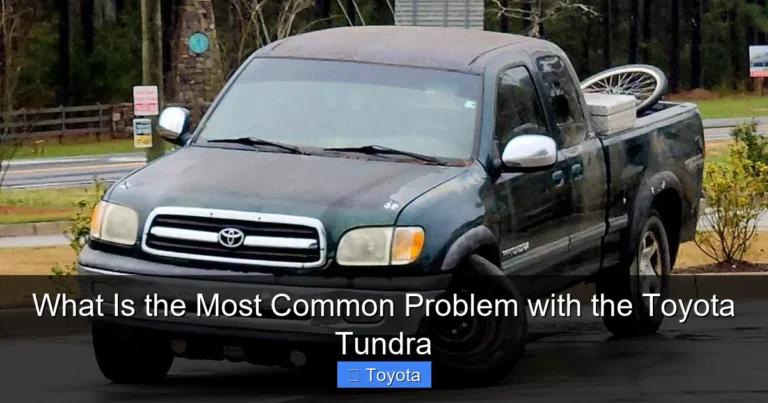
The Toyota Tundra is Toyota’s entry into the full-size pickup arena, going toe-to-toe with the Ford F-150, Chevy Silverado, and Ram 1500. It’s massive. The current generation grew substantially, with a longer wheelbase and more crew cab space than ever before.
Dimensions & capability: The Tundra’s crew cab (Double Cab or CrewMax) offers class-leading rear legroom. The bed comes in 5.5-foot, 6.5-foot, and 8-foot lengths. The largest configuration (CrewMax with 8-foot bed) is an absolute unit, stretching over 250 inches long. Its max towing capacity (with the i-FORCE MAX hybrid) is 11,175 pounds, and payload can exceed 2,000 pounds. There’s no comparison in sheer size and hauling power between the Tundra and its little brother.
Toyota Tacoma: The Midsize Maven
The legendary Toyota Tacoma is the best-selling midsize pickup in the U.S. It’s smaller, nimbler, and often more affordable than the Tundra. For many, its size is the perfect fit—big enough for weekend projects and off-road adventures, but not so big it’s a pain to park or drive on trails.
How it stacks up: The Tacoma’s Access Cab or Double Cab offers decent rear space, but it’s noticeably tighter than the Tundra’s crew cab. Its bed lengths (5-foot or 6-foot) are shorter. Towing maxes out around 6,800 pounds—respectable, but far below the Tundra. The key question: do you need full-size truck capability? If not, the Tacoma’s smaller size is a benefit, not a drawback. It’s more efficient and easier to handle.
Practical takeaway: If you’re asking which is bigger for towing a large boat or a full-size camper, the Tundra is the only answer. If “bigger” means a bed that fits a dirt bike and some lumber, the Tacoma is likely sufficient and more versatile for daily driving.
Sedans & Crossovers: Where Does “Big” Stop Being Useful?
Not everyone needs an SUV or truck. Toyota’s sedan and crossover car lineup offers efficiency and value. But even here, size varies. The question which is bigger still applies, but the answers reveal some interesting shifts in Toyota’s strategy.

Visual guide about Which Is Bigger
Image source: is4-ssl.mzstatic.com
Toyota Crown: The New Big Sedan (Or Is It?)
The all-new Toyota Crown replaces the Avalon as Toyota’s flagship sedan… but it’s not really a sedan. It’s a lifted crossover with a sedan-like profile. This blurs the lines and makes the “which is bigger” question fascinating compared to the traditional Camry.
Crown vs. Camry: The Crown is longer (193.0 inches vs. Camry’s 192.5) and has a longer wheelbase. It’s also taller and wider, giving it a more substantial presence. Inside, passenger volume is similar, but the Crown’s hybrid powertrain and raised ride height change the character. The Crown prioritizes a quiet, comfortable, almost SUV-like ride height. The Camry remains lower and more agile. In a straight size comparison, the Crown is slightly bigger in most dimensions, but the difference is minimal. For the full analysis of how these two stack up, see our piece on Is the Toyota Crown Bigger Than the Camry?
The trend: Toyota is making its “sedans” taller and more utility-focused. Bigger here means more headroom and a higher seating position, not necessarily more legroom.
Camry, Corolla, and Corolla Cross: The Efficient Scale
The Toyota Camry is the classic midsize sedan—roomy for five, with a large trunk (15.1 cubic feet). The Toyota Corolla is the compact sedan, smaller and more fuel-efficient. The Corolla Cross is a subcompact crossover SUV based on the Corolla, offering a slightly taller ride and more cargo versatility (up to 25.5 cu ft with rear seats folded) than the sedan, but less than the RAV4.
The hierarchy is clear: Camry > Corolla Cross > Corolla in overall size. But “bigger” isn’t always better here. The Corolla’s smaller size makes it ideal for city dwellers. The Camry’s size is perfect for highway commuters and families who want sedan efficiency with sedan-plus space.
How to Choose the Right “Big” For You: A Practical Framework
Now that we’ve seen the numbers, how do you apply them? Answering which is bigger is step one. Step two is asking, “bigger for what?”
Step 1: Define Your Primary “Big” Need
- Passenger Space: Count your regular passengers. Do you need a third row? How tall are they? Measure legroom needs. A family of 5 with teens might need a Sequoia’s third row space, while a family of 4 might be happy in a Highlander.
- Cargo Volume: Think about your biggest haul. A week’s luggage for four? A new refrigerator? A couple of mountain bikes? Check the cubic footage behind the second row and with seats folded. Remember, a boxy shape (like the Sequoia’s) often uses space more efficiently than a sleek one (like the Venza’s).
- Towing & Payload: If you have a trailer, boat, or heavy cargo, max towing capacity and payload are non-negotiable. The Tundra is in a different league than the Tacoma or any SUV here.
- Parking & Maneuverability: A bigger vehicle is harder to park and navigate tight streets. The 20+ inch length difference between a RAV4 and a Sequoia is huge in a compact parking spot.
Step 2: Prioritize and Trade-Off
You rarely get everything. More space often means higher cost, lower fuel economy, and less agility. The Highlander hybrid gives up some cargo space compared to the Sequoia for vastly better MPG. The Venza gives up cargo space for stunning style. The Tacoma gives up towing capacity for off-road prowess and everyday usability. Decide what “big” truly means for your lifestyle. Is it absolute maximum space, or is it the perfect space for your typical week?
Step 3: The “Feel” Test
Numbers lie. Or rather, they don’t tell the whole story. A vehicle can have 100 cubic feet of cargo but a high load floor and a narrow hatch, making it hard to use. You must test drive and test pack. Bring your stroller, your golf clubs, your dog crate. Sit in every seat. Fold the seats. Try to load a box. The way a vehicle *feels* spacious (or cramped) is as important as the spec sheet.
Conclusion: Bigger Isn’t Always Better, But Knowing Is Power
So, which is bigger in the Toyota world? The Sequoia for SUVs, the Tundra for trucks, and the Crown/Camry for sedans. But the real victory comes from understanding what “bigger” means for you. Toyota’s genius is in creating a lineup where every size serves a distinct purpose. The massive Sequoia is for those who genuinely need its scale. The efficient, right-sized RAV4 is for millions who need just enough. The versatile Tundra and capable Tacoma each have their domain.
Don’t get seduced by the biggest badge. Get clear on your passenger count, your cargo dimensions, your towing needs, and your daily driving environment. Use the comparisons here as a starting point, then get behind the wheel. The perfect Toyota size for your life is out there—it’s the one that makes your regular routine feel effortless, not overwhelming. Whether that’s the commanding view from a Sequoia’s driver’s seat or the zippy ease of a Corolla, the right size is the one that fits your world, not just the one that looks biggest on paper.
Frequently Asked Questions
Which Toyota SUV is the biggest?
The Toyota Sequoia is the biggest SUV in the lineup. It’s a full-size, three-row SUV with the most passenger and cargo space, significantly larger than the midsize Highlander or compact RAV4.
Is the Toyota Tundra bigger than the Sequoia?
It depends on how you measure. The Tundra is longer overall, especially with its long bed, and has a longer wheelbase. However, the Sequoia is taller and wider, offering more interior headroom and passenger volume. The Tundra is bigger as a truck; the Sequoia is bigger as an SUV/cabin.
Which Toyota has the most cargo space?
The Toyota Sequoia has the most total cargo space (119.3 cubic feet with all seats folded). Among non-full-size models, the Highlander offers the most (84.3 cu ft), and the RAV4 leads the compact class with 58.9 cubic feet with seats down.
Is the Toyota Crown bigger than the Camry?
Yes, but only slightly. The Crown is a fraction longer, taller, and wider than the Camry, resulting in a marginally more spacious interior, especially in the rear seat for headroom. The differences are minimal in the overall scheme.
For a large family, should I choose the Highlander or Sequoia?
Test both with your family. The Sequoia offers more third-row space for adults and more cargo behind that row. The Highlander is easier to drive and park and gets better fuel economy, especially as a hybrid. If your third-row passengers are mostly kids, the Highlander is often sufficient.
Does a bigger Toyota mean worse fuel economy?
Generally, yes. Larger, heavier vehicles like the Sequoia and Tundra have lower MPG ratings than smaller models like the Corolla or RAV4 hybrid. However, Toyota often equips its larger models with efficient hybrid options (like the Sequoia and Tundra hybrids) that help offset the size penalty significantly.