Which Cable Disconnect First Car Battery
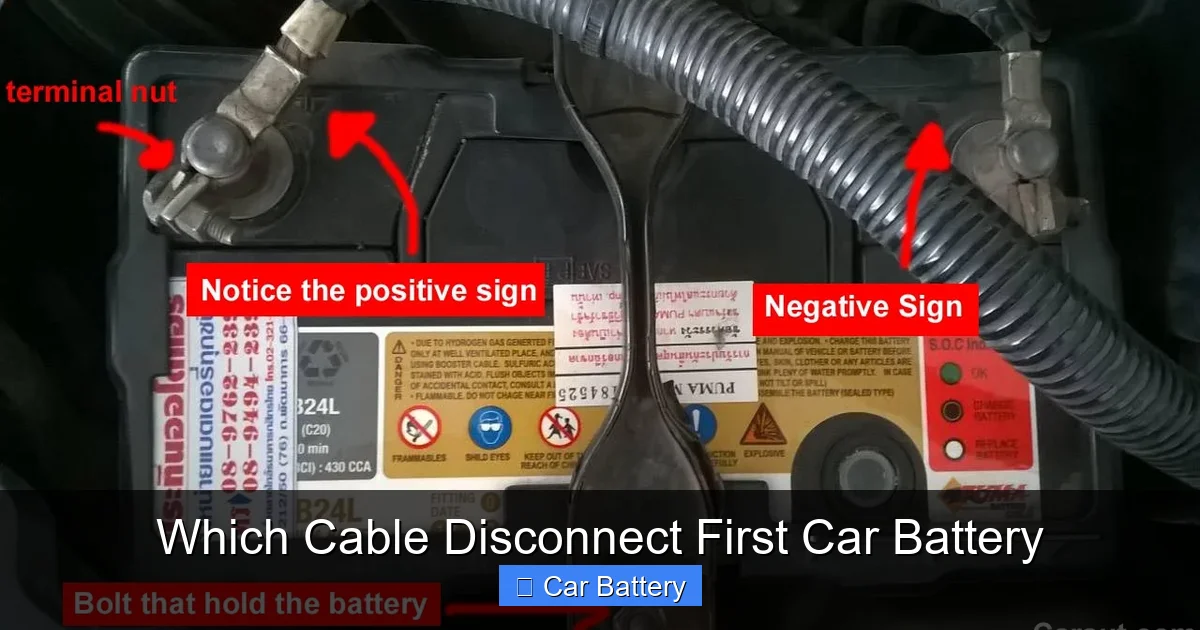
When disconnecting a car battery, always remove the negative cable first and reconnect it last. This simple step prevents short circuits, sparks, and potential damage to your vehicle’s electrical system. Following the correct order ensures your safety and protects sensitive electronics.
This is a comprehensive guide about which cable disconnect first car battery.
In This Article
- 1 Key Takeaways
- 2 Which Cable Disconnect First Car Battery: A Complete Guide
- 3 Why the Order Matters: The Science Behind Battery Disconnection
- 4 Step-by-Step Guide: How to Safely Disconnect Your Car Battery
- 4.1 Gather Your Tools and Safety Gear
- 4.2 Step 1: Turn Off the Engine and Remove the Keys
- 4.3 Step 2: Locate the Battery
- 4.4 Step 3: Identify the Positive and Negative Terminals
- 4.5 Step 4: Disconnect the Negative Cable First
- 4.6 Step 5: Disconnect the Positive Cable
- 4.7 Step 6: Remove the Battery (If Needed)
- 4.8 Step 7: Clean the Terminals (Optional but Recommended)
- 5 Reconnecting the Battery: The Correct Order
- 6 Common Mistakes to Avoid
- 7 When Should You Disconnect Your Car Battery?
- 8 Safety Tips and Best Practices
- 9 Frequently Asked Questions About Battery Disconnection
- 9.1 Can I disconnect the positive cable first if I’m careful?
- 9.2 What happens if I accidentally touch both terminals with a tool?
- 9.3 Do I need to reset my car after disconnecting the battery?
- 9.4 Can disconnecting the battery damage my car’s computer?
- 9.5 Is it safe to disconnect the battery while the engine is running?
- 9.6 How often should I check my battery terminals?
- 10 Conclusion: Safety First, Always
- 11 Frequently Asked Questions
Key Takeaways
- Disconnect the negative cable first: Always start with the negative (black) terminal to break the circuit safely and avoid accidental grounding.
- Reconnect the positive cable first: When reinstalling, attach the positive (red) cable before the negative to maintain safe electrical flow.
- Prevents sparks and short circuits: Removing the negative first reduces the risk of sparks near the battery, which can ignite flammable gases.
- Protects vehicle electronics: Modern cars have sensitive ECUs and sensors that can be damaged by power surges during improper disconnection.
- Use proper tools and safety gear: Insulated wrenches, gloves, and eye protection minimize risks during battery maintenance.
- Wait before reconnecting: After disconnecting, wait 10–15 minutes to allow residual power to drain from the system.
- Label cables if needed: If you’re unsure, label the cables before removal to avoid confusion during reinstallation.
[FEATURED_IMAGE_PLACEHOLDER]
Which Cable Disconnect First Car Battery: A Complete Guide
Have you ever needed to replace your car battery, clean the terminals, or perform electrical work under the hood? If so, you’ve probably wondered: Which cable disconnect first car battery? It’s a common question, but one that carries serious safety and mechanical implications. Getting it wrong can lead to sparks, damaged electronics, or even injury.
The short answer is simple: always disconnect the negative cable first. But why does the order matter so much? And what happens if you do it the other way around? In this comprehensive guide, we’ll walk you through the correct procedure, explain the science behind it, and share practical tips to keep you safe and your car running smoothly. Whether you’re a seasoned DIYer or a first-time car owner, understanding battery disconnection is a must-have skill.
Why the Order Matters: The Science Behind Battery Disconnection
To understand why disconnecting the negative cable first is crucial, let’s break down how a car battery works. Your car’s battery is a 12-volt direct current (DC) power source that supplies electricity to start the engine, power lights, run the radio, and support countless electronic systems. It has two terminals: positive (+) and negative (−). The positive terminal is connected to the car’s electrical components, while the negative terminal is grounded to the vehicle’s chassis—essentially, the metal frame of the car.
How the Electrical Circuit Works
Electricity flows in a complete loop, or circuit. When the battery is connected, current travels from the positive terminal, through the car’s wiring and components, and returns to the negative terminal via the grounded chassis. This closed loop allows everything to function. But when you disconnect a cable, you’re breaking that loop.
Here’s the key: if you disconnect the positive cable first, the wrench or tool you’re using can accidentally touch the grounded metal of the car while still in contact with the positive terminal. This creates a direct short circuit—electricity jumps from the positive terminal, through the tool, to the grounded chassis. The result? A dangerous spark, possible tool damage, and even a risk of battery explosion due to flammable hydrogen gas.
The Safety Advantage of Disconnecting Negative First
By disconnecting the negative cable first, you break the return path of the circuit. The positive terminal remains connected, but since the negative is no longer grounded, there’s no complete path for current to flow. This means that even if your tool touches the positive terminal and the car’s metal frame at the same time, no spark will occur. It’s a much safer approach.
Think of it like turning off the water supply before fixing a leaky pipe. You’re isolating the system to prevent unexpected bursts. In electrical terms, disconnecting the negative cable first isolates the battery from the chassis, minimizing risk.
Step-by-Step Guide: How to Safely Disconnect Your Car Battery
Now that you know why the order matters, let’s walk through the correct procedure step by step. Whether you’re replacing the battery, cleaning terminals, or working on the electrical system, follow these steps to stay safe and avoid damage.
Gather Your Tools and Safety Gear
Before you begin, make sure you have the right tools:
- A wrench or socket set (usually 10mm or 13mm, depending on your vehicle)
- Insulated gloves (rubber or nitrile)
- Safety goggles
- A wire brush (for cleaning terminals)
- Baking soda and water (optional, for cleaning corrosion)
Wearing gloves and goggles protects you from acid splashes and sparks. Insulated tools reduce the risk of electrical shock.
Step 1: Turn Off the Engine and Remove the Keys
Always start with the engine off and the keys removed from the ignition. This ensures no power is flowing and prevents accidental starts. If your car has a push-button start, make sure it’s fully powered down.
Step 2: Locate the Battery
Most car batteries are under the hood, but some are in the trunk or under the rear seat (common in hybrids). Check your owner’s manual if you’re unsure. Once located, remove any plastic covers or shields protecting the battery.
Step 3: Identify the Positive and Negative Terminals
The positive terminal is usually marked with a “+” sign and has a red cable. The negative terminal has a “−” sign and a black cable. Some batteries also have color-coded covers. Double-check to avoid mistakes.
Step 4: Disconnect the Negative Cable First
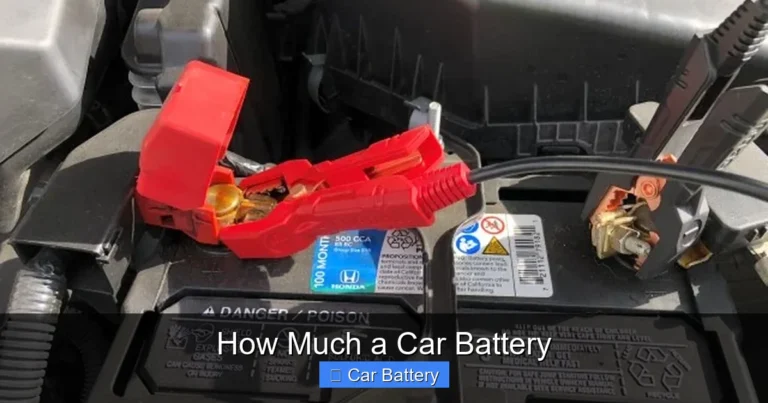
Using your wrench, loosen the nut on the negative terminal. Turn it counterclockwise until the clamp comes off. Gently wiggle the cable to remove it from the terminal. Never let the cable touch the positive terminal or any metal part of the car while it’s loose.
Step 5: Disconnect the Positive Cable
Now, repeat the process with the positive cable. Loosen the nut and remove the clamp. Again, be careful not to let the cable touch any grounded metal.
Step 6: Remove the Battery (If Needed)
If you’re replacing the battery, remove any hold-down clamps or brackets securing it in place. Lift the battery straight up—batteries are heavy (30–50 pounds), so use proper lifting technique or ask for help.
Step 7: Clean the Terminals (Optional but Recommended)
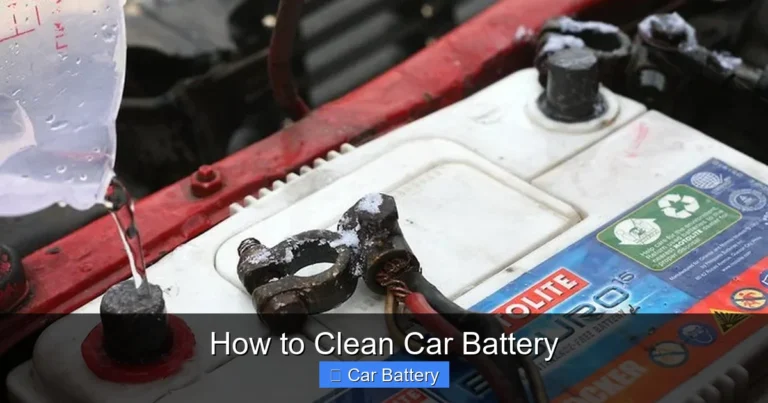
If you’re reinstalling the same battery or cleaning corrosion, mix a tablespoon of baking soda with a cup of water. Use a wire brush to scrub the terminals and cable clamps. Rinse with water and dry thoroughly. This prevents future corrosion and ensures a solid connection.
Reconnecting the Battery: The Correct Order
When it’s time to reconnect the battery, the order reverses: connect the positive cable first, then the negative. This maintains safety and prevents accidental short circuits during reinstallation.
Step 1: Place the Battery in the Tray
If you removed the battery, place it back in the tray. Secure it with the hold-down clamp to prevent movement while driving.
Step 2: Connect the Positive Cable First
Attach the positive cable to the positive terminal. Tighten the nut securely with your wrench. Make sure the connection is snug but don’t over-tighten, as this can strip the threads.
Step 3: Connect the Negative Cable Last
Now, attach the negative cable to the negative terminal and tighten the nut. This completes the circuit safely, with no risk of sparking during connection.
Step 4: Test the System
Turn on the ignition (but don’t start the engine) and check that lights, radio, and dashboard indicators work. Start the engine to ensure it runs smoothly. If everything functions normally, you’ve successfully reconnected the battery.
Common Mistakes to Avoid
Even experienced mechanics can make mistakes when handling car batteries. Here are some common errors and how to avoid them.
Disconnecting the Positive Cable First
This is the most dangerous mistake. As explained earlier, it increases the risk of sparks and short circuits. Always remember: negative first, positive last when disconnecting; positive first, negative last when reconnecting.
Letting Cables Touch Metal
Once a cable is disconnected, never let it rest on the battery terminal or touch any grounded metal. Use a cable tie or tape to secure loose cables away from the terminals.
Using the Wrong Tools
Using a non-insulated wrench or pliers can lead to shocks or sparks. Always use insulated tools designed for automotive work.
Ignoring Corrosion
Corrosion on terminals can cause poor connections, leading to starting problems or electrical issues. Clean terminals regularly, especially in humid or salty environments.
Not Waiting Before Reconnecting
After disconnecting the battery, wait at least 10–15 minutes before reconnecting. This allows residual power in the car’s electronics to drain, preventing power surges that can damage sensitive components like the ECU (Engine Control Unit).
When Should You Disconnect Your Car Battery?
There are several situations where disconnecting the battery is necessary or recommended. Knowing when to do it can save you time, money, and stress.
Battery Replacement
The most obvious reason is replacing an old or dead battery. Most car batteries last 3–5 years, depending on climate and usage. If your car is slow to start, the battery light is on, or it’s been several years since the last replacement, it’s time for a new one.
Electrical Repairs or Upgrades
Any work involving the car’s electrical system—such as installing a new stereo, alarm system, or LED lights—should be done with the battery disconnected. This prevents accidental shorts and protects both you and the components.
Long-Term Storage
If you’re storing your car for weeks or months (e.g., winter storage), disconnect the battery to prevent parasitic drain. Alternatively, use a battery maintainer or trickle charger to keep it charged without overcharging.
Cleaning Terminals
Corrosion buildup can interfere with electrical connections. Disconnecting the battery allows you to safely clean the terminals and cables without risking a short.
Resetting the ECU
Some people disconnect the battery to reset the car’s computer (ECU) after repairs or to clear error codes. While this can work, it’s not always reliable. A proper OBD2 scanner is a better tool for diagnostics.
Safety Tips and Best Practices
Working with car batteries involves risks, including electrical shock, chemical burns, and fire. Follow these safety tips to protect yourself and your vehicle.
Work in a Well-Ventilated Area
Car batteries emit hydrogen gas, which is flammable. Always work in a garage with the door open or outdoors to ensure proper airflow.
Avoid Smoking or Open Flames
Never smoke, use lighters, or have open flames near the battery. A single spark can ignite hydrogen gas and cause an explosion.
Wear Protective Gear
Rubber gloves and safety goggles are essential. Battery acid can cause severe burns to skin and eyes.
Keep Metal Objects Away
Remove rings, watches, and bracelets before working on the battery. Metal jewelry can conduct electricity and cause burns if it bridges the terminals.
Dispose of Old Batteries Properly
Car batteries contain lead and sulfuric acid, which are hazardous. Take old batteries to a recycling center, auto parts store, or hazardous waste facility. Most retailers will recycle them for free.
Frequently Asked Questions About Battery Disconnection
Can I disconnect the positive cable first if I’m careful?
No, even with caution, disconnecting the positive cable first increases the risk of sparks and short circuits. The negative cable should always be removed first to break the ground connection and ensure safety.
What happens if I accidentally touch both terminals with a tool?
If you touch both terminals with a metal tool while the battery is connected, it creates a short circuit. This can cause sparks, melt the tool, damage the battery, or even cause an explosion. Always use insulated tools and work carefully.
Do I need to reset my car after disconnecting the battery?
Some cars may require resetting the radio, clock, or power windows after battery disconnection. Check your owner’s manual. In rare cases, the ECU may need to relearn driving patterns, but this usually happens automatically over a few drives.
Can disconnecting the battery damage my car’s computer?
Modern cars are designed to handle battery disconnection, but sudden power loss can sometimes cause glitches. To minimize risk, wait 10–15 minutes after disconnecting before reconnecting, and avoid disconnecting while the engine is running.
Is it safe to disconnect the battery while the engine is running?
No, never disconnect the battery while the engine is running. This can cause voltage spikes that damage the alternator, ECU, and other electronics. Always turn off the engine and remove the keys first.
How often should I check my battery terminals?
Inspect your battery terminals every 6 months or during routine maintenance. Look for white, green, or blue corrosion, loose cables, or damaged clamps. Clean and tighten as needed to ensure reliable performance.
Conclusion: Safety First, Always
Knowing which cable disconnect first car battery is more than just a technical detail—it’s a critical safety practice. By disconnecting the negative cable first and reconnecting it last, you protect yourself from sparks, prevent damage to your vehicle’s electronics, and ensure a smooth, trouble-free experience.
Whether you’re replacing a battery, cleaning terminals, or performing electrical work, always follow the correct procedure. Use the right tools, wear protective gear, and take your time. A few extra minutes of caution can save you from costly repairs or serious injury.
Remember: safety isn’t optional when working with car batteries. Treat every battery with respect, follow the steps outlined in this guide, and you’ll keep your car—and yourself—in great shape for years to come.
Frequently Asked Questions
What is which cable disconnect first car battery?
which cable disconnect first car battery is an important topic with many practical applications.