Where to Sell My Car Without Title

Yes, you can sell your car without a title—but it’s not as simple as handing over the keys. While most buyers and dealerships require a title, there are legal and safe ways to sell your vehicle if you’ve lost it, never received it, or are dealing with a lien. This guide walks you through every option, from junkyards to private buyers, so you can get cash for your car without the paperwork headache.
In This Article
- 1 Key Takeaways
- 2 📑 Table of Contents
- 3 Can You Really Sell a Car Without a Title?
- 4 Why the Title Matters (And What Happens Without It)
- 5 Top Places to Sell Your Car Without a Title
- 6 How to Replace a Lost or Missing Title
- 7 Tips for Selling Your Car Without a Title Safely
- 8 Final Thoughts: Is Selling Without a Title Worth It?
- 9 Frequently Asked Questions
- 9.1 Can I sell my car without a title in any state?
- 9.2 Will a junkyard buy my car without a title?
- 9.3 How much can I get for a car sold without a title?
- 9.4 What documents do I need to sell a car without a title?
- 9.5 Can I get a duplicate title online?
- 9.6 Is it safe to sell a car without a title to a private buyer?
Key Takeaways
- You can legally sell a car without a title in most states, but buyers may be limited to junkyards, scrap yards, or specialized dealers.
- Junk and salvage yards often buy cars without titles—especially if the vehicle is damaged, non-running, or old.
- Private buyers may accept a bill of sale and registration instead of a title, depending on your state’s laws.
- Replacing a lost title is usually faster and safer than trying to sell without one—check with your local DMV.
- Always verify the buyer’s legitimacy to avoid scams, especially when selling without official paperwork.
- Some online car buyers and cash-for-cars services accept vehicles without titles, but research their reputation first.
- Be transparent about the missing title—honesty builds trust and prevents legal issues down the road.
📑 Table of Contents
Can You Really Sell a Car Without a Title?
Selling a car without a title might sound like a red flag—and in many cases, it is. But the truth is, life happens. Maybe you lost the title, never received it after buying the car, or the vehicle was inherited without proper documentation. Whatever the reason, you’re not alone. Thousands of car owners face this dilemma every year, and the good news is: **you can still sell your car without a title—if you know where to look and how to do it safely.**
The title is the legal document that proves ownership of a vehicle. It’s required in most states for registration, transfers, and sales. But not all buyers need it—especially if the car is old, damaged, or destined for the scrapyard. While selling without a title limits your options, it doesn’t eliminate them. The key is understanding your state’s laws, knowing which buyers accept cars without titles, and being upfront about the situation.
In this guide, we’ll walk you through every viable path to selling your car without a title. From junkyards to private buyers, online services to DMV solutions, we’ll cover the pros, cons, and practical steps so you can make an informed decision. Whether your car is running or not, valuable or near the end of its life, there’s a way to turn it into cash—even without that all-important piece of paper.
Why the Title Matters (And What Happens Without It)
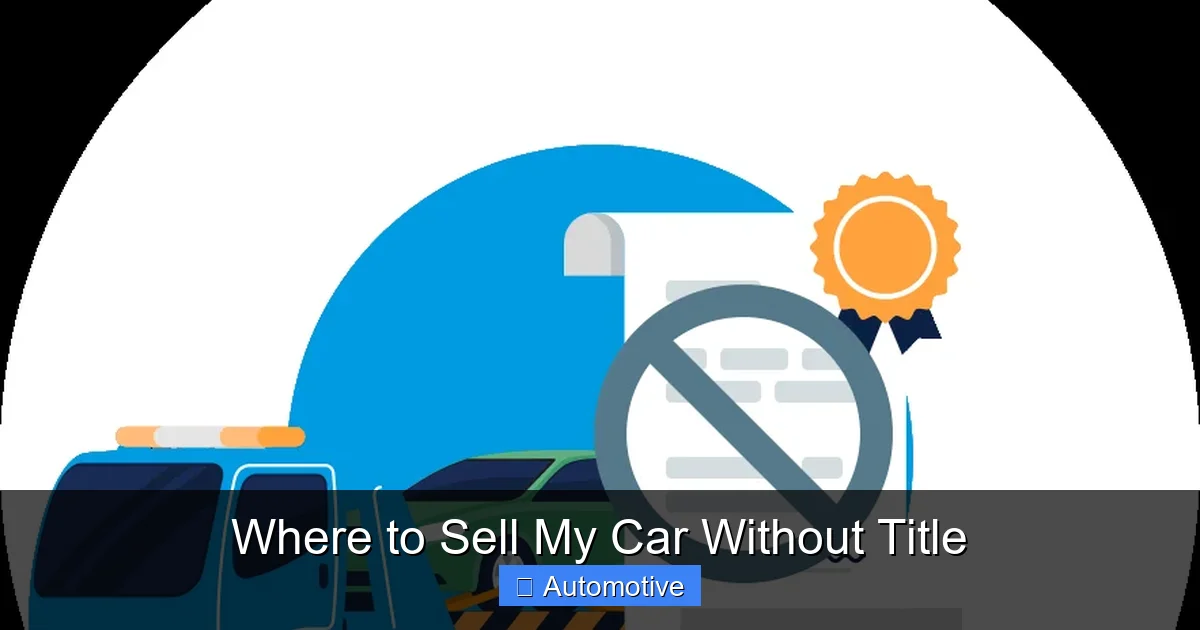
Visual guide about Where to Sell My Car Without Title
Image source: carbrain.s3-accelerate.amazonaws.com
Before diving into where to sell, it’s important to understand why the title matters so much. The title isn’t just a formality—it’s the legal backbone of vehicle ownership. It lists the owner’s name, vehicle identification number (VIN), lienholder (if any), and other critical details. When you sell a car, the title is signed over to the new owner, who then uses it to register the vehicle in their name.
Without a title, you can’t legally transfer ownership in most states. This creates a major hurdle for traditional buyers—like dealerships or private individuals—who need to register the car. That’s why most reputable buyers will walk away from a sale if the title is missing. But that doesn’t mean your car is worthless. It just means you’ll need to find buyers who don’t require a title or who are willing to work around the issue.
The Risks of Selling Without a Title
Selling a car without a title comes with risks—both legal and financial. If you’re not careful, you could end up in a messy situation. For example, if you sell a car without a title and the buyer later claims they never received proper ownership, you could be held liable. In some cases, the buyer might even report the car stolen if they can’t register it, which could lead to police involvement.
Another risk is selling to the wrong person. Scammers often target sellers with missing titles because they know the process is complicated. They might offer cash on the spot, pressure you to sign over the car quickly, or even use fake documents. That’s why it’s crucial to vet your buyer and understand your state’s laws before moving forward.
When It’s Okay to Sell Without a Title
There are legitimate scenarios where selling without a title makes sense. For instance, if your car is over 10 years old, not running, or heavily damaged, it may only be worth a few hundred dollars as scrap. In that case, junkyards and salvage buyers often don’t require a title—especially if the car is being crushed or recycled.
Similarly, if you’ve lost the title but have the registration and proof of ownership (like a notarized bill of sale), some private buyers may still be willing to purchase the vehicle. This is more common in states with lenient transfer laws, but it’s not guaranteed. Always check your local DMV rules before proceeding.
Top Places to Sell Your Car Without a Title
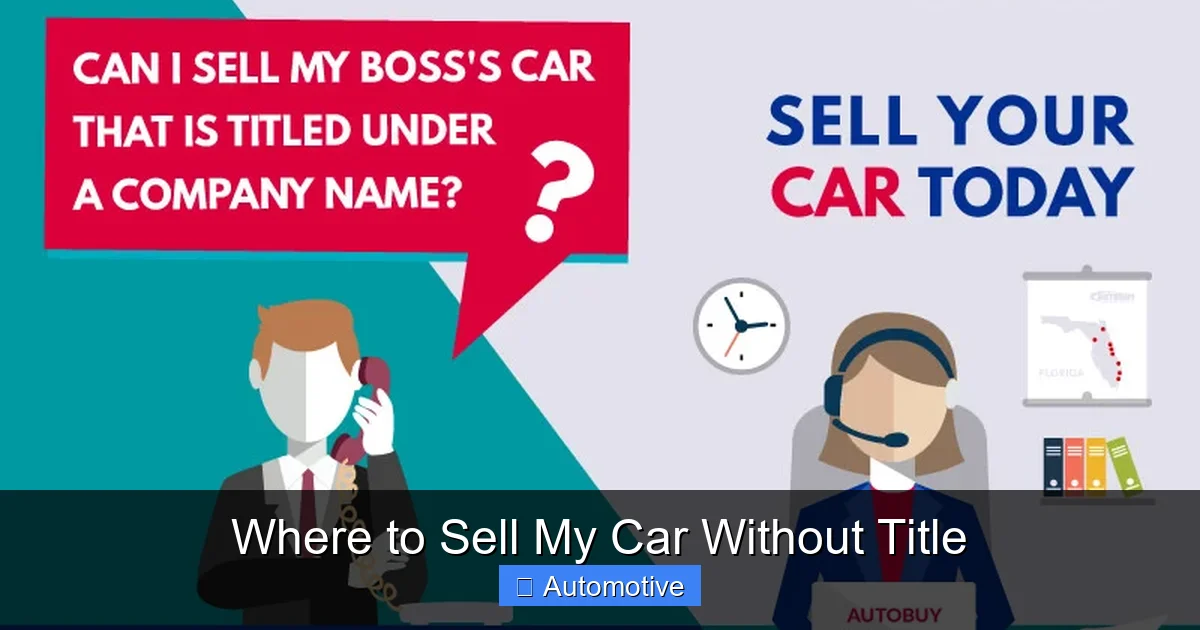
Visual guide about Where to Sell My Car Without Title
Image source: res.cloudinary.com
Now that you understand the basics, let’s explore the best places to sell your car without a title. Each option has its own requirements, benefits, and limitations. The right choice depends on your car’s condition, your location, and how quickly you need cash.
1. Junkyards and Salvage Yards
Junkyards are one of the most common places to sell a car without a title—especially if the vehicle is old, damaged, or non-running. These businesses specialize in buying end-of-life vehicles for parts or scrap metal. Since they don’t plan to resell the car on the road, they often don’t require a title.
Many junkyards will accept a car with just the registration and a valid ID. Some may even provide a bill of sale or release of liability form to protect you from future issues. The price you’ll get depends on the car’s weight, condition, and current scrap metal prices. On average, you can expect anywhere from $100 to $500 for a standard sedan, though larger vehicles like trucks or SUVs may fetch more.
To find a reputable junkyard, search online for “cash for cars” or “junk car buyers” in your area. Read reviews, ask about their title requirements, and get quotes from multiple locations. Some companies even offer free towing, which can save you time and money.
2. Scrap Metal Yards
Similar to junkyards, scrap metal yards buy cars based on their metal content. They’ll typically pay by the pound, so heavier vehicles are more valuable. Like junkyards, most scrap yards don’t require a title—especially if the car is clearly destined for recycling.
The process is straightforward: you bring the car (or have it towed), they weigh it, and you get paid. Some yards may ask for proof of ownership, like registration or a notarized letter, but this varies by location. Be sure to remove all personal items and license plates before dropping off the vehicle.
One downside is that scrap prices fluctuate based on the market. If metal prices are low, you might get less than expected. But if you’re not concerned about the car’s resale value and just want it gone, a scrap yard can be a quick and easy solution.
3. Online Cash-for-Cars Services
In recent years, online car-buying platforms have made it easier than ever to sell a vehicle—even without a title. Companies like CarMax, Carvana, and Vroom typically require a title, but others, such as Peddle, Copart, and U Pull & Pay, may accept cars without one.
These services often cater to damaged, non-running, or older vehicles. You can get an instant quote online by entering your car’s make, model, year, and condition. If they’re interested, they’ll schedule a pickup and pay you on the spot—usually in cash or via check.
The advantage of using an online service is convenience. You don’t have to negotiate with multiple buyers or deal with paperwork. However, be cautious. Some companies may lowball you or have hidden fees. Always read the fine print and check reviews on sites like Trustpilot or the Better Business Bureau.
4. Private Buyers (With Caution)
Selling to a private buyer without a title is riskier, but it’s possible in some cases. If your car is in decent condition and you have the registration, some buyers may be willing to take the risk—especially if they plan to fix it up or use it for parts.
In this scenario, you’ll need to provide a detailed bill of sale that includes both parties’ names, addresses, the VIN, sale price, and a statement that the title is missing. Some states allow this type of transfer, but others require a title for any sale. Check your DMV website or call them directly to confirm.
To protect yourself, meet in a public place, bring a friend, and avoid accepting cash unless you’re certain it’s real. You may also want to file a release of liability with your DMV after the sale to avoid future responsibility.
5. Dealerships (Rare, But Possible)
Most dealerships won’t buy a car without a title—especially if it’s not a trade-in. They need the title to resell the vehicle legally. However, some used car dealers or “as-is” buyers may make exceptions for older or damaged cars.
If you’re considering this route, call ahead and ask about their title policy. Be honest about the situation. Some dealers may agree to buy the car and help you obtain a duplicate title later, but this is uncommon. You’ll likely get a lower offer than from other buyers, but it could be worth it for the convenience.
How to Replace a Lost or Missing Title
Visual guide about Where to Sell My Car Without Title
Image source: sellmax.com
Before exploring no-title sales, consider whether replacing the title is a better option. In most cases, it’s faster, safer, and opens up more selling opportunities. The process is usually straightforward and can be completed through your state’s Department of Motor Vehicles (DMV).
Steps to Replace a Lost Title
1. **Visit Your Local DMV Website**
Every state has its own process, so start by checking your DMV’s official website. Look for “Replace Lost Title” or “Duplicate Title” information.
2. **Gather Required Documents**
You’ll typically need:
– A completed application form (often available online)
– Proof of identity (driver’s license, passport, etc.)
– Vehicle registration
– Payment for the duplicate title fee (usually $10–$30)
3. **Submit Your Application**
You can usually apply in person, by mail, or online—depending on your state. Some states require an inspection or notarized affidavit if the title was lost or stolen.
4. **Wait for Processing**
Processing times vary, but most states issue duplicate titles within 1–3 weeks. Some offer expedited services for an extra fee.
What If You Never Received the Title?
If you bought the car but never received the title, contact the seller or dealership immediately. They may have forgotten to send it or made an error during the transfer. If they’re unresponsive, you can still apply for a duplicate title through the DMV, but you may need to provide additional documentation, such as a bill of sale or registration.
In rare cases, if the car was inherited or gifted, you may need to go through probate or provide a notarized affidavit of inheritance. Again, your DMV can guide you through the process.
Cost and Time Considerations
Replacing a title is usually inexpensive—most states charge between $10 and $30. The bigger factor is time. If you need to sell your car quickly, waiting weeks for a duplicate title may not be practical. But if you can wait, it’s almost always the best option. A valid title increases your car’s value, attracts more buyers, and reduces the risk of legal issues.
Tips for Selling Your Car Without a Title Safely
Selling a car without a title requires extra caution. To protect yourself and get the best possible outcome, follow these practical tips:
1. Be Transparent with Buyers
Honesty is the best policy. Tell potential buyers upfront that you don’t have the title. Explain the situation—whether it’s lost, never received, or tied up in a lien. Most legitimate buyers will appreciate your honesty and may still be willing to work with you.
Avoid hiding the issue or hoping the buyer won’t notice. If they find out later, they could back out of the deal or report the sale as fraudulent.
2. Get Everything in Writing
Even without a title, you should still create a bill of sale. This document should include:
– Seller and buyer names and addresses
– Vehicle make, model, year, and VIN
– Sale price and date
– A statement that the title is missing
– Signatures from both parties
Some states provide free bill of sale templates online. You can also find them on legal websites or DMV portals. Having a written agreement protects both you and the buyer.
3. File a Release of Liability
After the sale, file a release of liability with your DMV. This form officially notifies the state that you’re no longer responsible for the vehicle. It’s a crucial step to avoid fines, tolls, or parking tickets that might be sent to you after the sale.
Most DMVs allow you to file this online or by mail. Keep a copy for your records.
4. Avoid Scams and Shady Buyers
Unfortunately, sellers without titles are prime targets for scams. Watch out for:
– Buyers who offer to pay with a cashier’s check and ask for a refund
– Requests to ship the car before payment clears
– Pressure to sell quickly or sign over the car immediately
– Buyers who refuse to meet in person
If something feels off, trust your instincts. Stick to reputable buyers and meet in safe, public locations.
5. Know Your State’s Laws
Laws vary widely by state. Some states allow titleless sales for junk cars, while others require a title for any transfer. A few states even have “bonded title” processes for vehicles with missing documentation.
Check your DMV website or call them directly to understand your rights and responsibilities. This knowledge can save you time, money, and legal trouble.
Final Thoughts: Is Selling Without a Title Worth It?
Selling a car without a title isn’t ideal—but it’s not impossible. Whether you choose a junkyard, scrap yard, online service, or private buyer, there are options available. The key is to weigh the pros and cons, understand your state’s laws, and prioritize safety and transparency.
If your car is old or damaged, selling without a title might be the most practical choice. But if the vehicle has value, replacing the title is almost always the better route. It opens doors to more buyers, increases your sale price, and reduces risk.
No matter which path you take, remember: you’re not alone. Millions of car owners have been in your shoes. With the right information and a cautious approach, you can sell your car—title or not—and walk away with cash in hand.
Frequently Asked Questions
Can I sell my car without a title in any state?
Most states allow you to sell a car without a title, but the rules vary. Some require a title for any sale, while others permit transfers with a bill of sale and registration. Always check your local DMV for specific requirements.
Will a junkyard buy my car without a title?
Yes, many junkyards and salvage yards will buy cars without a title, especially if the vehicle is damaged, non-running, or old. They typically require proof of ownership, like registration or a notarized letter.
How much can I get for a car sold without a title?
The amount depends on the car’s condition, age, and market demand. Junk cars may fetch $100–$500, while newer or running vehicles could sell for more—especially if you replace the title first.
What documents do I need to sell a car without a title?
You’ll usually need the vehicle registration, a valid ID, and a bill of sale. Some buyers may also require a notarized affidavit or release of liability form.
Can I get a duplicate title online?
Many states allow you to apply for a duplicate title online through the DMV website. You’ll need to provide personal information, vehicle details, and pay a small fee.
Is it safe to sell a car without a title to a private buyer?
It can be safe if you take precautions: meet in public, get everything in writing, and file a release of liability. However, private sales without a title carry more risk than selling to a licensed business.

![Window Tinting Laws in Virginia [Updated, 2023] What Every Driver Needs to Know Before Hitting the Road](https://aautomotives.com/wp-content/uploads/2025/10/Window-Tinting-Laws-in-Virginia-Updated-2023-What-Every-Driver-Needs-to-Know-Before-Hitting-the-Road-768x412.jpg "Window Tinting Laws in Virginia [Updated, 2023]: What Every Driver Needs to Know Before Hitting the Road 5")