
Best Way to Sell Used Car

Selling a used car doesn’t have to be stressful or time-consuming. With the right preparation, pricing, and marketing, you can attract serious buyers and close a fair deal fast. This guide reveals the best way to sell used car with real-world strategies that work.
Selling a used car can feel overwhelming—especially if you’ve never done it before. Between figuring out how much your car is worth, where to list it, and how to handle negotiations, it’s easy to get stuck. But here’s the good news: the best way to sell used car isn’t a mystery. It’s a process—one that, when followed step by step, leads to a smooth, profitable sale.
Whether you’re upgrading to a newer model, downsizing, or just ready to part ways with your current ride, selling your car yourself often means more money in your pocket than trading it in at a dealership. Dealerships need to make a profit when they resell your car, so they’ll offer you less. By selling privately, you cut out the middleman and deal directly with buyers who are willing to pay market value—or close to it.
But going it alone also means taking on more responsibility. You’ll need to market your car, respond to inquiries, schedule test drives, and handle the paperwork. That’s why knowing the best way to sell used car isn’t just about listing it online and waiting for calls. It’s about preparation, presentation, and persistence.
Key Takeaways
- Clean and detail your car thoroughly: A spotless interior and exterior make a strong first impression and can increase perceived value.
- Set a competitive price: Research similar listings and use pricing tools like Kelley Blue Book or Edmunds to avoid overpricing or underselling.
- Take high-quality photos: Clear, well-lit images from multiple angles help your listing stand out online.
- Choose the right selling platform: Options like Facebook Marketplace, Craigslist, and CarGurus each have pros and cons depending on your goals.
- Be honest about the car’s condition: Transparency builds trust and reduces the chance of disputes or failed sales.
- Prepare all necessary paperwork: Having your title, maintenance records, and bill of sale ready speeds up the process.
- Negotiate confidently: Know your bottom line and stay calm during price discussions to get the best possible deal.
📑 Table of Contents
Step 1: Prepare Your Car for Sale
Before you even think about pricing or posting ads, your car needs to be in the best possible condition. First impressions matter—especially when buyers can’t see the car in person right away. A clean, well-maintained vehicle signals that it’s been cared for, which builds trust and justifies a higher price.
Deep Clean Inside and Out
Start with a thorough wash. Use a car-specific soap and a microfiber cloth to avoid scratches. Don’t forget the wheels and tires—grime buildup can make even a nice car look neglected. For the interior, vacuum every corner, including under the seats and in the trunk. Wipe down dashboards, door panels, and cup holders with a gentle cleaner. If your car has fabric seats, consider using a fabric cleaner or renting a steam cleaner to remove stains and odors.
If you’re not confident in your cleaning skills, a professional detail can cost $100–$200 but can easily add $300–$500 to your sale price. It’s a smart investment. One seller in Austin, Texas, detailed her 2015 Honda Civic before listing it and sold it for $1,200 more than her initial asking price—just because it looked “like new.”
Address Minor Repairs
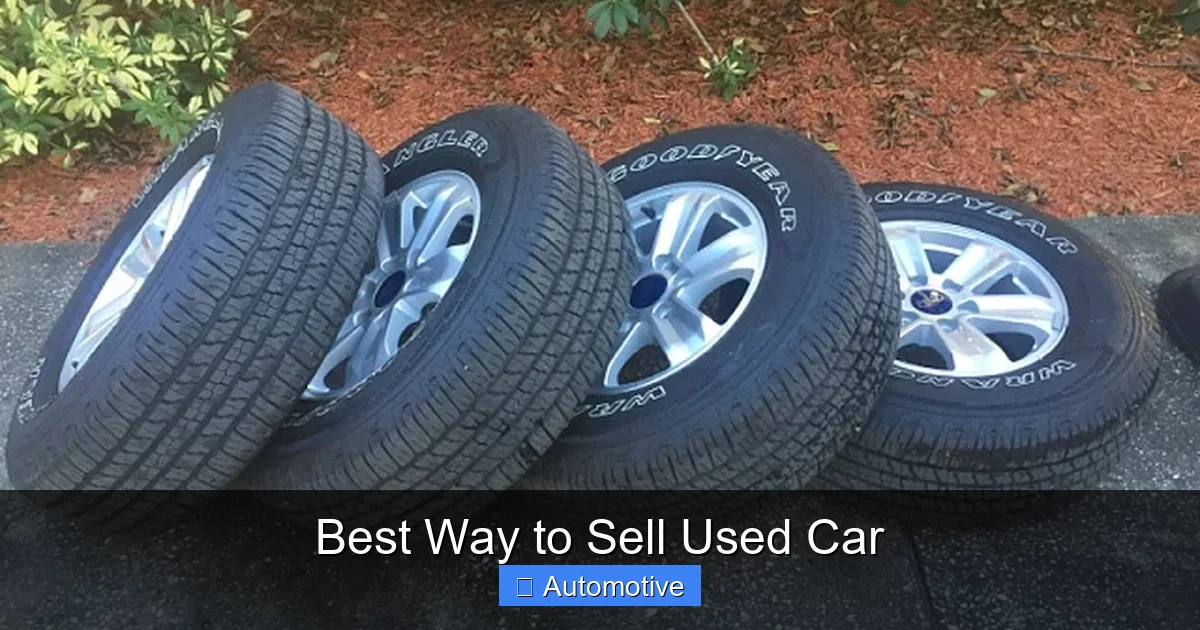
You don’t need to rebuild the engine, but fixing small issues can make a big difference. Replace burnt-out bulbs, fix cracked windshield wipers, and top off fluids. If your tires are worn, consider replacing them—especially if they’re close to the legal limit. Buyers will notice, and it could be a dealbreaker.
Even something as simple as replacing a missing gas cap or fixing a loose door handle shows attention to detail. These small fixes cost little but signal that the car has been well-maintained.
Gather Maintenance Records
Buyers love proof that a car has been serviced regularly. Collect all your maintenance records—oil changes, tire rotations, brake work, and any major repairs. If you’ve kept digital copies, print them out or save them to a USB drive. Organize them in a folder or binder to present during viewings.
One buyer in Denver said he paid $800 extra for a 2017 Toyota Camry because the seller had full service records dating back to the original purchase. “It gave me peace of mind,” he said. “I knew the car wasn’t neglected.”
Step 2: Determine the Right Price

Visual guide about Best Way to Sell Used Car
Image source: itsworthmore.com
Pricing your car correctly is one of the most important steps in the best way to sell used car. Overprice it, and it sits on the market for months. Underprice it, and you leave money on the table. The goal is to find that sweet spot where your car is competitive but still reflects its true value.
Research Comparable Listings
Start by looking at similar cars in your area. Use websites like Autotrader, Cars.com, and Craigslist to find vehicles with the same make, model, year, mileage, and condition. Pay attention to how long they’ve been listed—cars that have been up for weeks may be overpriced.
For example, if you’re selling a 2018 Ford Escape with 60,000 miles, search for other 2018 Escapes in your city with similar mileage. Note the asking prices and average them out. This gives you a realistic baseline.
Use Online Valuation Tools
Tools like Kelley Blue Book (KBB), Edmunds, and NADA Guides offer free estimates based on your car’s specifics. Enter your VIN, mileage, trim level, and condition to get a range. KBB, for instance, provides “Private Party Value,” which is what you can expect to get selling directly to a buyer.
Keep in mind that these tools are estimates. Local market conditions, demand, and even the time of year can affect pricing. Convertibles, for example, sell faster in spring and summer, so you might get more during those months.
Adjust for Condition and Extras
If your car has extra features—like a sunroof, leather seats, or a premium sound system—you can price it slightly higher. Similarly, if it’s in excellent condition with low mileage, you have room to ask for more.
But be honest. If your car has dents, scratches, or mechanical issues, adjust the price accordingly. Trying to hide problems will backfire when the buyer shows up for a test drive.
Step 3: Choose the Best Selling Platform

Visual guide about Best Way to Sell Used Car
Image source: endurancewarranty.com
Once your car is clean and priced, it’s time to list it. But where? There’s no one-size-fits-all answer. The best way to sell used car depends on your priorities—speed, price, convenience, or safety.
Online Marketplaces
Facebook Marketplace is one of the most popular platforms because it’s free, easy to use, and reaches a large local audience. You can post photos, describe the car, and message buyers directly. Plus, Facebook verifies user identities, which adds a layer of safety.
Craigslist is another option, especially in bigger cities. It’s been around for decades and still attracts serious buyers. However, it’s more prone to scams, so be cautious. Never accept cashier’s checks or wire transfers, and always meet in public places.
CarGurus and Autotrader are more professional platforms that attract serious buyers. They charge listing fees (usually $30–$50), but they also offer tools like price analysis and buyer leads. These sites are great if you want to reach buyers who are ready to purchase.
Specialized Car-Selling Services
If you want a faster sale with less hassle, consider services like CarMax, Carvana, or Vroom. These companies inspect your car and make an instant offer—usually online. You can accept the offer and schedule a pickup or drop-off.
The trade-off? You’ll likely get less than you would selling privately. CarMax, for example, might offer $15,000 for your car, while a private buyer could pay $16,500. But if you value convenience over maximum profit, these services are worth considering.
Local Classifieds and Word of Mouth
Don’t underestimate the power of old-school methods. Put a “For Sale” sign in your car window with your phone number. Tell friends, family, and coworkers you’re selling. You might be surprised how often cars sell through personal connections.
One seller in Portland sold her 2016 Subaru Outback to a neighbor who saw the sign and called the next day. “It was the easiest sale I’ve ever made,” she said.
Step 4: Create a Compelling Listing
Visual guide about Best Way to Sell Used Car
Image source: f150forum.com
Your listing is your car’s first impression. A great ad can attract dozens of inquiries; a weak one might get ignored. The best way to sell used car includes a listing that’s clear, honest, and visually appealing.
Write a Clear, Honest Description
Start with the basics: make, model, year, mileage, and trim. Then highlight key features—like fuel efficiency, safety ratings, or recent upgrades. Mention if it’s been garage-kept, non-smoker, or has a clean title.
Be upfront about any flaws. Saying “minor scratch on rear bumper” is better than hiding it. Buyers appreciate honesty, and it prevents frustration during test drives.
Use simple language. Avoid jargon like “OBO” (or best offer) unless you explain it. Instead, say “Price is firm” or “Open to reasonable offers.”
Take High-Quality Photos
Photos are everything. Most buyers decide whether to inquire based on the pictures alone. Take photos in daylight, preferably in a clean, uncluttered area. Avoid shadows and glare.
Shoot from multiple angles: front, back, sides, interior, trunk, and engine bay. Include close-ups of the dashboard, seats, and any unique features. If there’s a dent or scratch, photograph it—this builds trust.
One seller in Miami took 20 photos, including shots of the clean engine and spotless interior. His ad got over 100 views in one day, and he sold the car within 48 hours.
Include Key Details
List important info like:
– Title status (clean, salvage, etc.)
– Transmission type (automatic or manual)
– Fuel type (gas, hybrid, electric)
– Number of previous owners
– Any recent repairs or replacements
This helps buyers quickly decide if your car fits their needs.
Step 5: Handle Inquiries and Test Drives Safely
Once your listing goes live, inquiries will start coming in. How you respond can make or break the sale. The best way to sell used car includes being responsive, professional, and safety-conscious.
Respond Quickly and Politely
Reply to messages within a few hours if possible. Use a friendly tone and answer questions clearly. If someone asks about mileage, respond with the exact number and mention if it’s mostly highway or city driving.
Avoid vague answers like “It runs great.” Instead, say, “It starts smoothly, shifts well, and has no warning lights on the dashboard.”
Screen Buyers
Not everyone who messages is serious. Some are scammers, others are just curious. Ask questions like:
– “Are you looking to buy soon?”
– “Do you have financing ready?”
– “Have you seen similar cars in this price range?”
Serious buyers will answer directly. If someone avoids questions or asks for your Social Security number, walk away.
Schedule Safe Test Drives
Always meet in a public place—like a mall parking lot or police station. Bring a friend or family member with you. Never let a buyer drive alone with you in the car.
Ask to see their driver’s license and verify it matches their name. You can also ask for proof of insurance, though it’s not required in all states.
During the test drive, point out features and answer questions. But don’t feel pressured to sell on the spot. Let the buyer decide.
Step 6: Close the Sale and Transfer Ownership
When a buyer is ready to purchase, it’s time to finalize the deal. The best way to sell used car includes a smooth, legal transfer of ownership.
Accept the Right Payment
Cash is safest for small amounts, but for larger sums, use a cashier’s check from a local bank. Verify the check before handing over the keys. Avoid personal checks—they can bounce.
Some buyers may want to pay via wire transfer or Zelle. These are generally safe, but confirm the funds have cleared before completing the sale.
Complete the Paperwork
You’ll need to sign over the title. Make sure the buyer’s name is correct and fill out the odometer reading. In most states, you’ll also need to provide a bill of sale—a simple document stating the sale price, date, and vehicle details.
Keep a copy of everything for your records. Some states require you to notify the DMV of the sale to avoid liability if the car is later involved in an accident.
Remove License Plates and Cancel Insurance
In most states, you must remove your license plates before handing over the car. Keep them or transfer them to your new vehicle. Cancel your insurance as soon as the sale is complete to avoid unnecessary charges.
Final Tips for a Successful Sale
Selling a used car takes time and effort, but the payoff is worth it. Here are a few final tips to ensure success:
– Be patient. The right buyer may take a week or two to find.
– Stay flexible. If your car isn’t selling, consider lowering the price slightly or improving the photos.
– Keep your emotions in check. This is a business transaction, not a breakup.
– Celebrate when it’s done! You’ve just earned extra cash and made someone else happy.
The best way to sell used car isn’t about luck—it’s about preparation, honesty, and smart marketing. Follow these steps, and you’ll be driving away with a fair price and a clear conscience.
Frequently Asked Questions
How long does it take to sell a used car?
It typically takes 1–4 weeks to sell a used car, depending on price, condition, and market demand. Well-priced, clean cars in popular models often sell faster.
Should I trade in my car or sell it privately?
Selling privately usually gets you more money, but trading in is faster and more convenient. If you want top dollar and don’t mind the work, sell it yourself.
Can I sell my car if it has a loan on it?
Yes, but you’ll need to pay off the loan first or arrange for the buyer to pay the lender directly. Contact your lender for the payoff amount and process.
What documents do I need to sell my car?
You’ll need the car’s title, bill of sale, maintenance records, and possibly a release of liability form. Check your state’s DMV website for specific requirements.
Is it safe to sell my car online?
Yes, if you take precautions. Meet in public, verify the buyer’s identity, and use secure payment methods. Avoid sharing personal information like your home address.
How can I avoid scams when selling my car?
Never accept overpayments, wire transfers, or cashier’s checks from unknown banks. Be wary of buyers who want to ship the car or pay before seeing it. Stick to local, in-person transactions.