Where to Charge a Kia Niro Ev

Contents
- 1 Key Takeaways
- 2 📑 Table of Contents
- 3 Introduction: The Freedom of Driving Electric
- 4 Charging at Home: The Foundation of EV Ownership
- 5 Public Charging: Power on the Go
- 6 Fast Charging on Road Trips
- 7 Workplace and Destination Charging
- 8 Emergency and Portable Charging Options
- 9 Conclusion: Charge Anywhere, Anytime
- 10 Frequently Asked Questions



Charging your Kia Niro EV is easier than you think, whether at home, work, or on the road. With a growing network of public stations and smart home solutions, you’ll always find a convenient place to plug in and keep going.
Key Takeaways
- Home charging is the most convenient and cost-effective way to power your Kia Niro EV. Installing a Level 2 charger lets you wake up to a full battery every morning.
- Public charging stations are widely available through networks like Electrify America, ChargePoint, and EVgo. Use apps to locate nearby stations and check real-time availability.
- Fast DC charging can recharge your Niro EV from 10% to 80% in under an hour. Ideal for long trips, these stations are often found near highways and rest areas.
- Workplace charging is becoming more common and offers free or low-cost top-ups during the day. Check with your employer to see if they offer EV charging benefits.
- Portable chargers and adapters give you flexibility when standard outlets are your only option. Always carry your mobile charging cable for emergencies.
- Plan your routes using EV navigation tools to avoid range anxiety. Apps like A Better Routeplanner (ABRP) help you map out charging stops efficiently.
- Understanding charging speeds and connector types ensures you use the right station for your needs. The Kia Niro EV uses a CCS (Combo) connector for fast charging.
📑 Table of Contents
Introduction: The Freedom of Driving Electric
Switching to an electric vehicle like the Kia Niro EV is more than just a smart financial move—it’s a lifestyle upgrade. With zero emissions, lower maintenance costs, and the quiet hum of electric power, the Niro EV delivers a smooth, eco-friendly driving experience. But one of the biggest questions new EV owners ask is: Where do I charge this thing?
The good news? Charging your Kia Niro EV is simpler and more accessible than ever. Whether you’re commuting to work, running errands around town, or embarking on a cross-country road trip, there are plenty of ways to keep your battery topped up. From home setups to public fast chargers, the infrastructure is growing every day. In this guide, we’ll walk you through every option so you can charge with confidence—no matter where life takes you.
Charging at Home: The Foundation of EV Ownership
For most Kia Niro EV owners, home charging is the backbone of their electric lifestyle. There’s nothing quite like pulling into your driveway, plugging in, and waking up to a fully charged car the next morning. It’s convenient, reliable, and often the most affordable way to keep your EV ready to go.

Visual guide about Where to Charge a Kia Niro Ev
Image source: motortrend.com
Level 1 Charging: The Basics
Every Kia Niro EV comes with a portable Level 1 charging cable that plugs into a standard 120-volt household outlet. This is the slowest method—adding about 2–3 miles of range per hour—but it’s perfect for overnight top-ups or as a backup when you’re away from home. If you drive less than 30 miles a day, Level 1 might be enough, especially if you charge every night.
For example, if your daily commute is 20 miles round-trip, plugging in each evening will easily cover your needs. Just remember: Level 1 is best used as a supplement, not your primary charging method.
Level 2 Charging: The Gold Standard
For faster, more efficient charging, a Level 2 home charger is the way to go. These units run on 240 volts—like what your dryer or oven uses—and can add 20–30 miles of range per hour. That means a full charge from empty takes about 6–8 hours, depending on your battery size.
Installing a Level 2 charger requires a dedicated circuit and, in most cases, professional installation by a licensed electrician. But the investment pays off quickly. Many utility companies offer rebates or incentives for EV charger installations, and the convenience is unbeatable. Imagine coming home from work, plugging in, and having a full battery by morning—no more gas stations, no more waiting in line.
Popular home charging brands include ChargePoint Home, JuiceBox, and Grizzl-E. Most are Wi-Fi enabled, allowing you to monitor charging sessions, set schedules, and even integrate with solar panels if you’re going green at home.
Smart Charging and Energy Management
Modern Level 2 chargers often come with smart features that let you optimize your energy use. You can schedule charging during off-peak hours when electricity rates are lower, saving you money on your utility bill. Some systems even sync with your home’s solar panels, so you can charge your Niro EV with clean, renewable energy.
For instance, if your utility offers time-of-use (TOU) rates, you can set your charger to run only between 11 p.m. and 6 a.m., when electricity is cheapest. Over time, this can add up to significant savings—especially if you drive a lot.
Public Charging: Power on the Go
While home charging covers most of your needs, public charging stations are essential for longer trips, unexpected detours, or when you’re away from home for extended periods. The good news is that the public charging network in the U.S. and beyond is expanding rapidly, with thousands of new stations coming online each year.
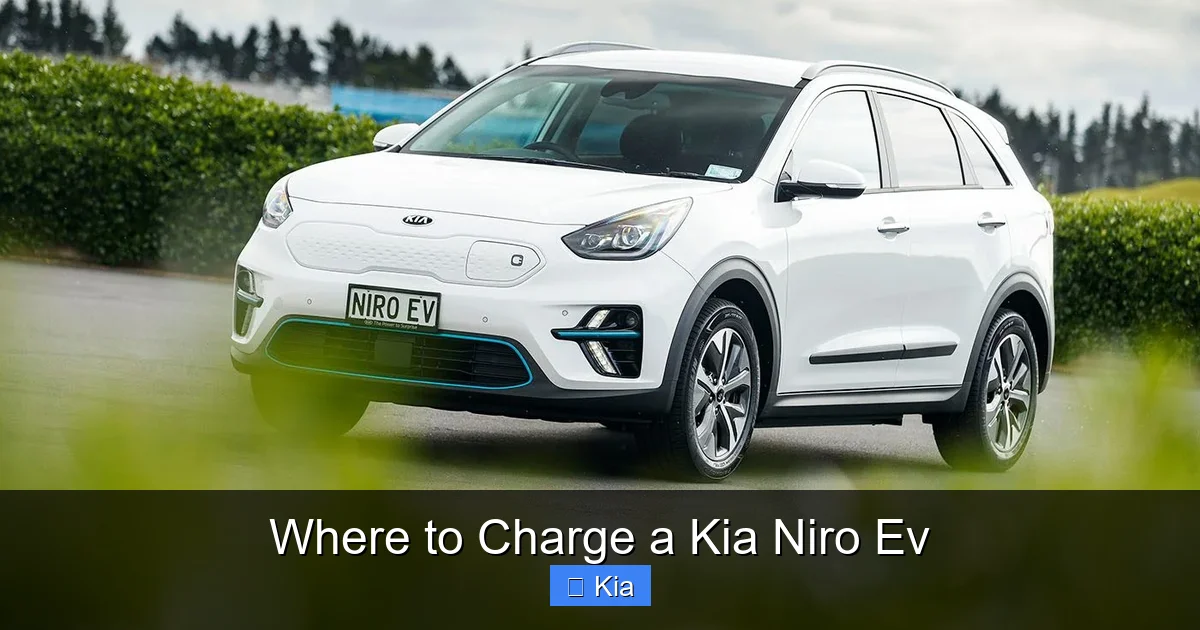
Visual guide about Where to Charge a Kia Niro Ev
Image source: autocar.co.nz
Finding Public Chargers Near You
Thanks to apps and in-car navigation systems, locating a public charger is easier than ever. The Kia Niro EV comes with built-in navigation that shows nearby charging stations, including real-time availability and pricing. You can also use third-party apps like PlugShare, ChargePoint, and A Better Routeplanner (ABRP) to find stations, read reviews, and filter by connector type and speed.
For example, if you’re driving from Los Angeles to San Francisco, you can plan your route using ABRP, which will suggest optimal charging stops along Highway 101 or I-5. The app considers your current battery level, elevation changes, and even weather conditions to give you the most accurate range estimate.
Types of Public Chargers
Public chargers come in two main types: Level 2 and DC fast chargers (DCFC). Level 2 stations are common at shopping centers, hotels, and workplaces. They’re great for topping up while you’re out running errands or grabbing lunch. A 30-minute stop at a mall with a Level 2 charger can add 10–15 miles of range—enough to get you home or to your next destination.
DC fast chargers, on the other hand, are designed for speed. These high-powered stations can recharge your Kia Niro EV from 10% to 80% in about 45–60 minutes. They’re typically found along highways, near rest areas, and in urban centers. Networks like Electrify America, EVgo, and Electrify Canada operate large fleets of fast chargers, many of which are compatible with the Niro EV’s CCS (Combined Charging System) connector.
It’s worth noting that not all fast chargers are created equal. Some deliver up to 150 kW of power, while others max out at 50 kW. The Kia Niro EV can accept up to 77 kW, so you’ll get the fastest possible charge at stations that support it. Always check the charger’s power output before plugging in.
Paying for Public Charging
Most public charging stations require payment, either through a membership, app, or credit card. Many networks offer subscription plans that reduce per-kWh costs or provide free charging sessions. For example, Electrify America offers a Pass+ membership for $4/month, which lowers the charging rate and gives you access to reserved parking at some locations.
Some employers and shopping centers offer free charging as a perk. Tesla Superchargers are not compatible with the Kia Niro EV, but Tesla is opening some of its network to non-Tesla vehicles via adapters—so keep an eye on future developments.
Fast Charging on Road Trips
One of the biggest concerns for new EV owners is range anxiety—the fear of running out of charge before reaching a charging station. But with proper planning, long-distance travel in a Kia Niro EV is not only possible but enjoyable.
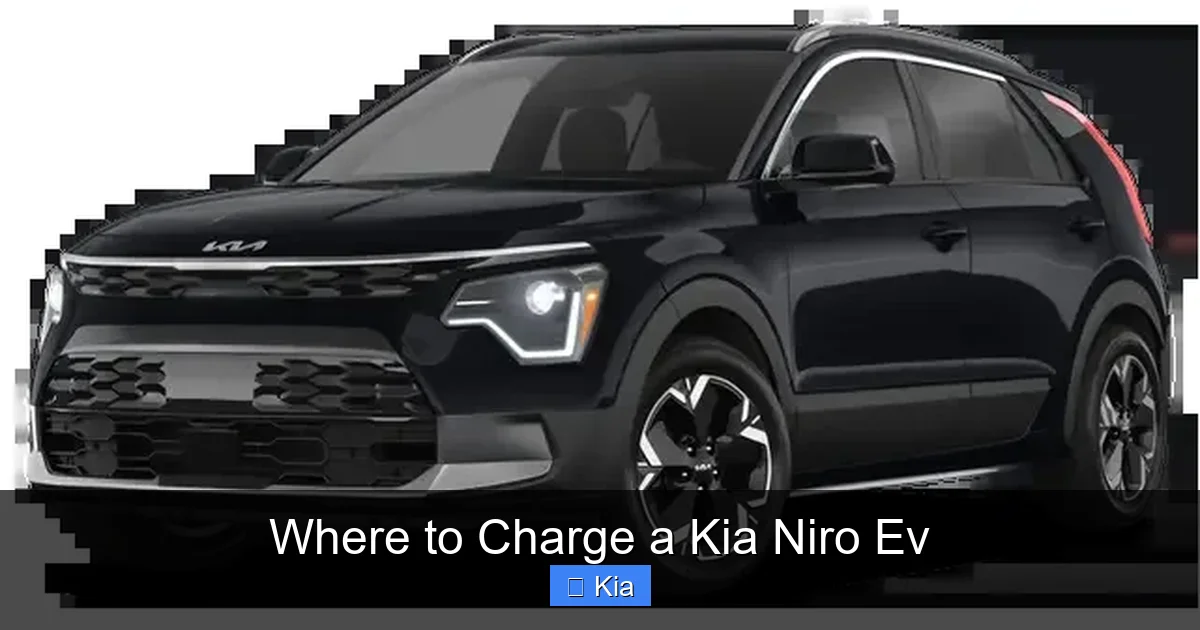
Visual guide about Where to Charge a Kia Niro Ev
Image source: platform.cstatic-images.com
Planning Your Route
The key to a successful road trip is route planning. Use apps like A Better Routeplanner (ABRP) or the built-in Kia navigation system to map out your journey. These tools factor in your vehicle’s range, charging speed, and real-time traffic to suggest the best stops.
For example, if you’re driving from Seattle to Portland (about 180 miles), your Niro EV’s 239-mile EPA range means you can make the trip on a single charge—but it’s smart to stop at a fast charger in Olympia or Tacoma just to be safe. ABRP will show you the nearest Electrify America station, estimate your arrival battery level, and even suggest how long to charge to reach your next stop.
What to Expect at a Fast Charger
When you arrive at a DC fast charging station, the process is simple. Park in the designated spot, open the charging port on your Niro EV (located on the front fender), and plug in the CCS connector. The station will authenticate your payment method—either via app, RFID card, or credit card—and begin charging.
Most fast chargers have displays that show your current battery percentage, charging speed, and estimated time to 80%. It’s common to see charging speeds peak around 50–60 kW and then taper off as the battery fills up. This is normal and helps protect the battery’s long-term health.
While you wait, take the opportunity to stretch your legs, grab a coffee, or use the restroom. Many fast-charging stations are located near convenience stores, fast food outlets, or rest areas, making the wait more comfortable.
Tips for Efficient Fast Charging
- Charge to 80%, not 100%. Charging slows significantly above 80%, so it’s more efficient to stop there and continue driving.
- Precondition your battery. If your Niro EV has battery preconditioning (available in some trims), use it before arriving at a fast charger. A warm battery charges faster.
- Check for station reliability. Use PlugShare to read user reviews and avoid stations that are frequently out of service.
- Bring snacks and entertainment. Charging takes time, so pack a book, download a podcast, or enjoy a meal while you wait.
Workplace and Destination Charging
More and more employers are installing EV chargers in their parking lots, offering employees a convenient way to top up during the workday. If your company offers this benefit, it can significantly extend your Niro EV’s range without costing you extra.
How Workplace Charging Works
Workplace chargers are typically Level 2 units, providing 4–6 hours of charging during an average work shift. That’s enough to add 80–120 miles of range—perfect for commuters who drive longer distances or have unpredictable schedules.
Some companies partner with charging networks like ChargePoint or EVgo to manage access and billing. Employees may need to register for a membership or use a company-issued RFID card to activate the charger.
Destination Charging: Hotels, Restaurants, and More
Many hotels, restaurants, and tourist attractions now offer EV charging as a guest amenity. These “destination chargers” are usually Level 2 and often free to use. For example, if you’re staying at a hotel for the night, you can plug in when you arrive and wake up with a full battery—no need to hunt for a public station the next morning.
Popular chains like Marriott, Hilton, and IHG have installed chargers at select locations. Apps like PlugShare let you filter by “destination charging” to find hotels and attractions with available stations.
Emergency and Portable Charging Options
Even with the best planning, emergencies happen. Maybe you forgot to charge overnight, or you’re in an area with limited infrastructure. That’s where portable charging solutions come in.
Portable EV Chargers
Portable Level 2 chargers, like the Mustart or Lectron models, plug into a 240-volt outlet (like a dryer plug) and deliver faster charging than a standard 120-volt outlet. They’re compact, easy to store in your trunk, and ideal for roadside assistance or unexpected detours.
While not as fast as a fixed home charger, a portable unit can add 15–20 miles of range in an hour—enough to get you to the nearest public station or back home.
Adapters and Compatibility
The Kia Niro EV uses a CCS (Combo) connector for fast charging and a J1772 connector for Level 1 and Level 2 charging. Most public stations support both, but it’s always good to carry a J1772-to-CSA adapter if you’re traveling in Canada or using older equipment.
Never use extension cords with your EV charger unless they’re specifically rated for EV use. Standard household extension cords can overheat and pose a fire risk.
Conclusion: Charge Anywhere, Anytime
Charging your Kia Niro EV doesn’t have to be complicated. With a solid home setup, access to a growing public network, and smart planning tools, you can keep your battery full no matter where you are. Whether you’re commuting to work, exploring national parks, or just running errands, the infrastructure is there to support your electric journey.
The key is to understand your options and use them wisely. Invest in a Level 2 home charger for daily convenience, download a few charging apps for on-the-go navigation, and always carry your portable cable just in case. With a little preparation, you’ll find that charging your Niro EV is not just easy—it’s one of the best parts of owning an electric car.
Frequently Asked Questions
Can I charge my Kia Niro EV at a Tesla Supercharger?
Currently, Tesla Superchargers are not directly compatible with the Kia Niro EV, which uses a CCS connector. However, Tesla is gradually opening some of its network to non-Tesla vehicles via adapters, so this may change in the future.
How long does it take to fully charge a Kia Niro EV at home?
With a Level 2 home charger, a full charge from empty takes about 6–8 hours. Level 1 charging using a standard outlet takes significantly longer—up to 40 hours for a full charge.
Is it safe to charge my Kia Niro EV in the rain?
Yes, it’s completely safe. EV charging systems are designed to be weather-resistant, and the connectors are built to prevent electric shock even in wet conditions.
Can I charge my Kia Niro EV using a regular wall outlet?
Yes, the Niro EV comes with a portable Level 1 charger that plugs into a standard 120-volt outlet. It’s slow but works in a pinch or for overnight top-ups.
What happens if I run out of charge while driving?
If your battery reaches zero, your Niro EV will stop. You’ll need to call roadside assistance for a tow to the nearest charging station. To avoid this, always monitor your range and plan charging stops in advance.
Do I need a special license or certification to use public chargers?
No, anyone can use public EV chargers. Most require payment via app, credit card, or membership, but no special license or training is needed.