When to Replace Bike Tire
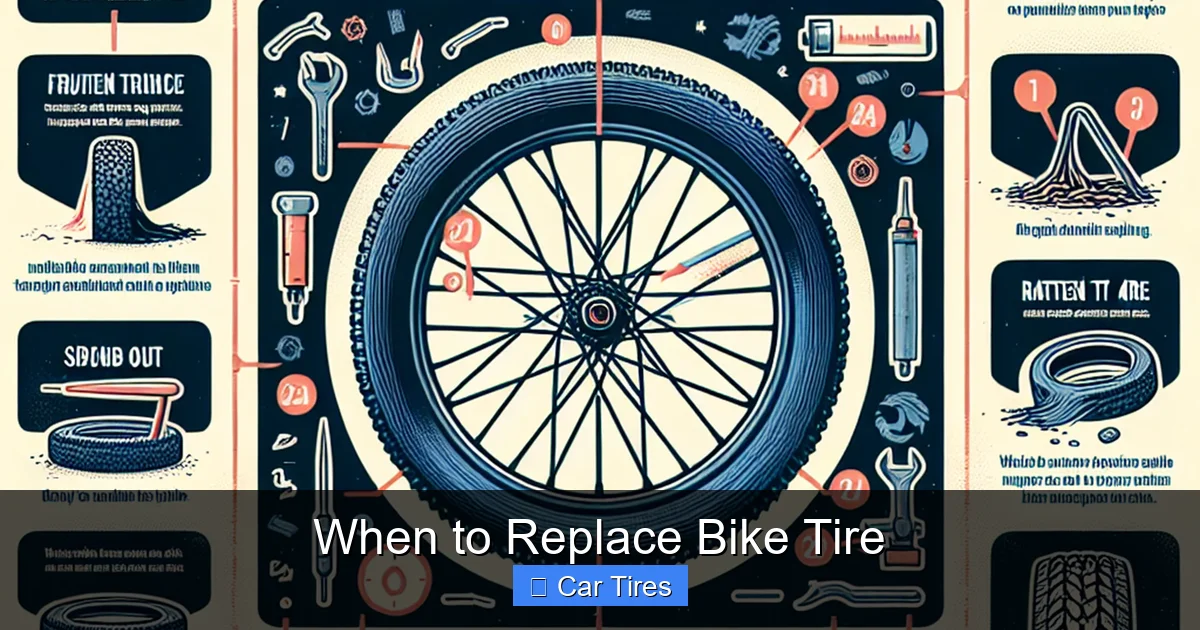
Replacing your bike tires at the right time prevents flats, improves grip, and enhances overall safety. This guide covers visual signs, wear indicators, performance issues, and maintenance tips to help you decide when it’s time for new tires—so you can ride with confidence.
In This Article
- 1 Key Takeaways
- 2 📑 Table of Contents
- 3 Why Knowing When to Replace Bike Tires Matters
- 4 Visual Signs It’s Time to Replace Your Bike Tires
- 5 Performance Clues That Your Tires Need Replacing
- 6 How Long Do Bike Tires Last? Mileage and Age Factors
- 7 Different Types of Bike Tires and Their Lifespans
- 8 How to Inspect Your Bike Tires Like a Pro
- 9 When to Replace vs. When to Repair
- 10 Tips to Extend the Life of Your Bike Tires
- 11 Conclusion: Stay Safe, Ride Smart
- 12 Frequently Asked Questions
- 12.1 How often should I check my bike tires?
- 12.2 Can I ride with a small cut on my tire?
- 12.3 Do bike tires expire even if I don’t use them?
- 12.4 What’s the difference between tire wear and tire damage?
- 12.5 Can I replace just one tire if the other is still good?
- 12.6 How do I know the correct tire pressure?
Key Takeaways
- Check tread depth regularly: Worn-down tread reduces traction, especially on wet or loose surfaces.
- Look for visible damage: Cracks, cuts, bulges, or exposed casing fibers mean immediate replacement is needed.
- Monitor flat frequency: Frequent punctures may indicate the tire is no longer protecting the inner tube effectively.
- Consider age, not just mileage: Even unused tires degrade over time due to rubber aging—replace every 5–7 years.
- Pay attention to ride quality: A rough, bumpy, or noisy ride can signal tire wear or dry rot.
- Match tire type to your riding style: Road, mountain, hybrid, and commuter bikes need different tire lifespans and care.
- Perform monthly inspections: A quick visual and tactile check can catch problems before they ruin your ride.
📑 Table of Contents
- Why Knowing When to Replace Bike Tires Matters
- Visual Signs It’s Time to Replace Your Bike Tires
- Performance Clues That Your Tires Need Replacing
- How Long Do Bike Tires Last? Mileage and Age Factors
- Different Types of Bike Tires and Their Lifespans
- How to Inspect Your Bike Tires Like a Pro
- When to Replace vs. When to Repair
- Tips to Extend the Life of Your Bike Tires
- Conclusion: Stay Safe, Ride Smart
Why Knowing When to Replace Bike Tires Matters
Riding a bike should feel smooth, safe, and responsive—but when your tires are worn out, that experience quickly turns stressful. Whether you’re commuting to work, hitting mountain trails, or enjoying weekend rides, your tires are the only part of your bike that touches the ground. That makes them one of the most critical components for safety, performance, and comfort.
Ignoring worn tires might seem harmless at first. After all, they still roll, right? But the truth is, compromised tires increase your risk of flats, reduce braking efficiency, and can even lead to dangerous blowouts—especially at high speeds or on rough terrain. Think of it like driving a car with bald tires: you wouldn’t do it, so why risk it on your bike?
Knowing when to replace bike tires isn’t just about avoiding inconvenience. It’s about protecting yourself, your bike, and your ride quality. With regular checks and a little awareness, you can spot the signs early and replace tires before they become a hazard. In this guide, we’ll walk you through everything you need to know—from visual cues to performance changes—so you can make smart, timely decisions about tire replacement.
Visual Signs It’s Time to Replace Your Bike Tires
Visual guide about When to Replace Bike Tire
Image source: cdn.shopify.com
One of the easiest ways to determine when to replace bike tires is by looking at them. Your eyes can tell you a lot—if you know what to look for. Start by giving your tires a thorough visual inspection at least once a month, or before long rides.
Worn Tread Patterns
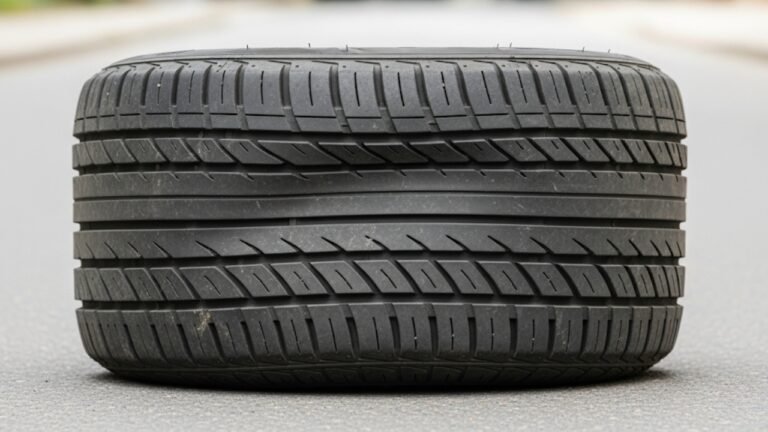
Tread isn’t just for cars and trucks—bike tires rely on their tread design to grip the road or trail. Over time, the raised patterns wear down from friction with the ground. On road bikes, you’ll notice the smooth center strip becoming even flatter. On mountain bikes, the knobs may appear rounded or shorter than when new.
A good rule of thumb: if the tread looks smooth or shiny in spots, especially in the center, it’s likely time for a replacement. For example, a road tire with a completely flat center and no visible grooves has lost much of its ability to channel water away, increasing the risk of hydroplaning in wet conditions.
Cracks and Dry Rot
Rubber naturally degrades over time, especially when exposed to sunlight, heat, and ozone. This process, known as dry rot, causes small cracks to appear on the tire’s surface—particularly along the sidewalls and between tread blocks.
These cracks might start small, but they grow over time and weaken the tire’s structure. If you see a network of fine lines or deep fissures, don’t wait—replace the tire immediately. Dry rot is especially common on bikes stored outdoors or in garages with temperature swings.
Cuts, Gashes, and Punctures
Sharp objects like glass, thorns, or metal shards can leave cuts in your tire. Small punctures might seal on their own, but deep gashes are a red flag. If a cut exposes the internal casing (the fabric layer beneath the rubber), moisture and debris can enter, leading to inner tube damage or sudden failure.
Even if the tire hasn’t gone flat yet, a deep cut compromises its integrity. For instance, a 1/4-inch gash on the sidewall is a serious issue—sidewalls endure the most stress during turns and impacts, so damage here is especially dangerous.
Bulges or Blisters
If you notice a soft spot or bulge on the tire, it means the internal structure has been compromised. This often happens after hitting a pothole, curb, or rock at speed. The casing may have separated, creating a weak point that can burst under pressure.
Bulges are not something to ignore. They indicate that the tire’s strength is failing, and a blowout could occur without warning. If you spot a bulge, replace the tire right away—no exceptions.
Performance Clues That Your Tires Need Replacing
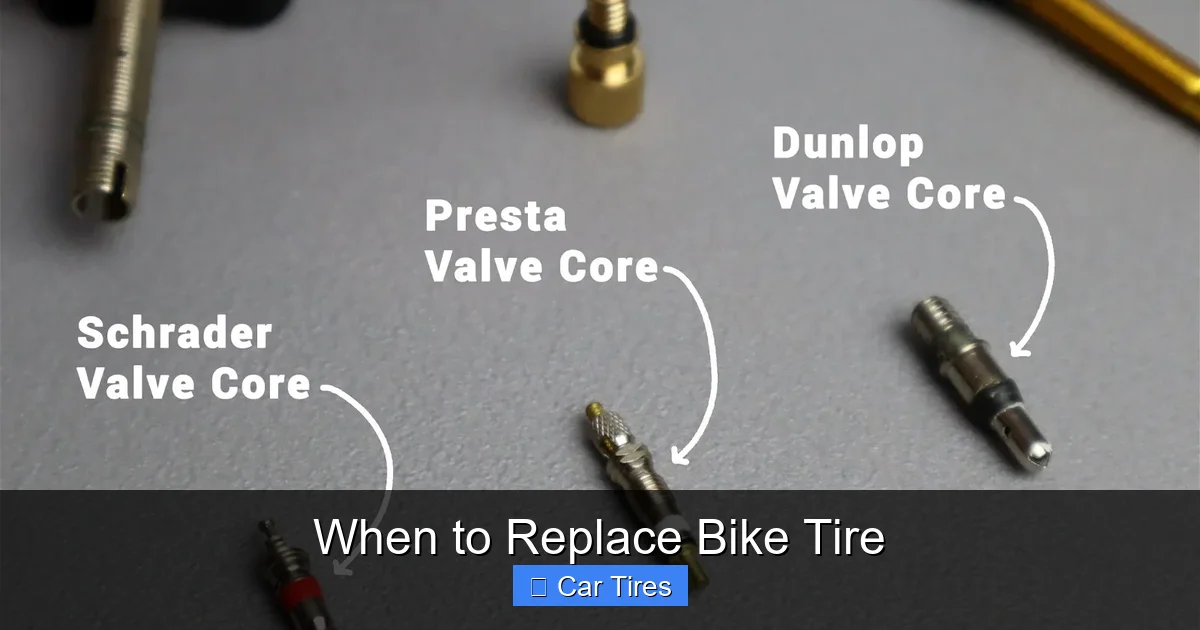
Visual guide about When to Replace Bike Tire
Image source: cdn.bikelockwiki.com
Sometimes, your bike will tell you it’s time for new tires before you even see visible damage. Pay attention to how your bike feels and behaves during rides. Subtle changes in performance can be early warning signs.
Increased Rolling Resistance
If your bike feels harder to pedal than usual, your tires might be the culprit. Worn tires often have reduced flexibility and increased friction, making them less efficient. You might notice you’re working harder to maintain the same speed, especially on flat roads.
This is especially noticeable on road bikes, where even a small increase in resistance can slow you down. For example, if you used to cruise at 18 mph with ease but now struggle to hit 15, it could be due to tire wear—not just fitness.
Poor Grip and Slippery Handling
Traction is everything when it comes to safety. Worn tires lose their ability to grip the road, especially in wet or loose conditions. You might feel the bike sliding slightly during turns or when braking hard.
Mountain bikers often notice this first on muddy or rocky trails. A tire with rounded knobs won’t dig into soft soil or grip loose gravel like a fresh one. Road cyclists may skid slightly when braking in the rain—a clear sign the tread is no longer channeling water effectively.
Frequent Flats
If you’re getting more punctures than usual, your tires might not be protecting your inner tubes anymore. As tires wear down, the rubber layer thins, making it easier for sharp objects to penetrate.
For example, a thorn that once bounced off might now pierce through a worn patch. Similarly, small pieces of glass can slice through thin spots, especially near the sidewalls. If you’ve patched three tubes in a month, it’s time to inspect—and likely replace—your tires.
Unusual Vibrations or Noise
A healthy tire should roll smoothly and quietly. But if you start hearing a thumping sound or feeling vibrations through the handlebars, something’s off. This could be due to a separated tread, uneven wear, or internal damage.
Imagine riding over a speed bump—except the bump is always there. That rhythmic thud could mean the tire’s layers are coming apart. Don’t ignore it. Vibrations can also indicate a warped rim, but always check the tires first.
How Long Do Bike Tires Last? Mileage and Age Factors
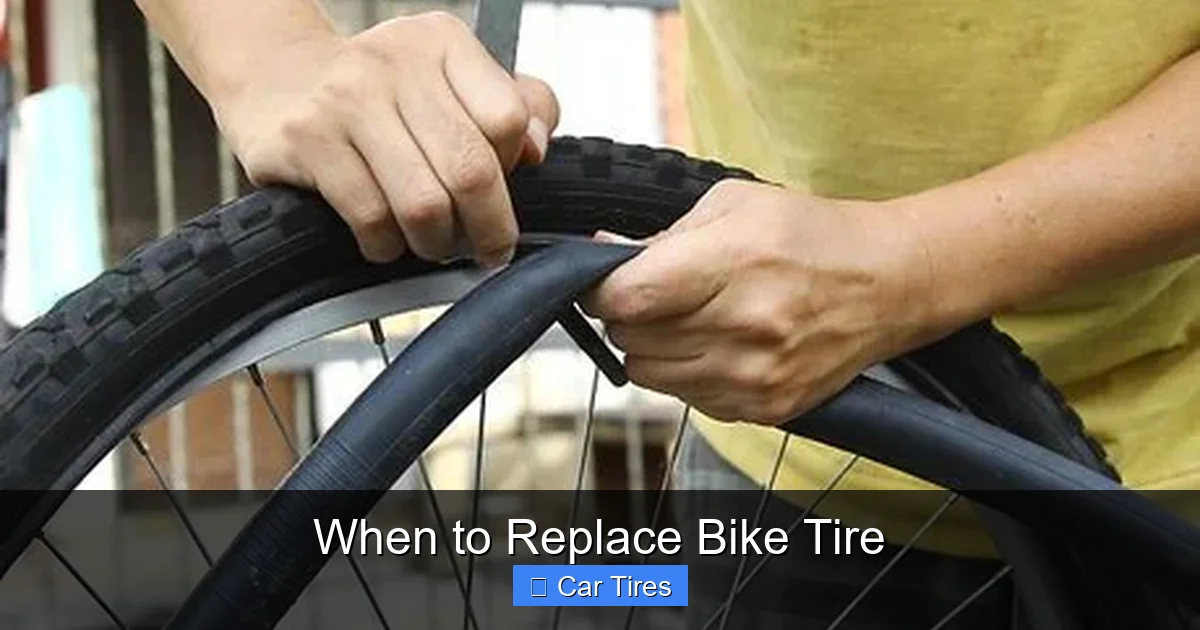
Visual guide about When to Replace Bike Tire
Image source: wikihow.com
One of the most common questions cyclists ask is: “How long do bike tires last?” The answer isn’t simple—it depends on several factors, including usage, terrain, storage, and tire quality.
Mileage Estimates by Bike Type
On average, road bike tires last between 1,500 and 3,000 miles. This range accounts for regular commuting, weekend rides, and occasional long-distance trips. High-performance road tires may wear faster due to softer rubber compounds designed for grip.
Mountain bike tires typically last 500 to 1,500 miles, depending on trail conditions. Rough terrain with rocks, roots, and mud accelerates wear. Aggressive tread patterns also wear down faster, especially if you ride hard and fast.
Hybrid and commuter bikes fall somewhere in between—usually 1,000 to 2,500 miles. These tires are built for durability and puncture resistance, so they often outlast road tires in terms of mileage.
But remember: these are estimates. Your actual mileage may vary based on riding style, tire pressure, and maintenance.
The Role of Age in Tire Degradation
Here’s a fact many riders overlook: bike tires don’t last forever—even if they’ve never been ridden. Rubber ages over time, losing elasticity and strength. Most manufacturers recommend replacing tires every 5 to 7 years, regardless of wear.
For example, a bike stored in a garage for three years might have tires that look fine but are actually brittle and prone to cracking. Sunlight, heat, and humidity speed up this process. If your bike has been sitting unused for a while, inspect the tires carefully before your next ride.
Check the manufacture date if possible. Many tires have a DOT code or date stamp on the sidewall (e.g., “2319” means the 23rd week of 2019). If you can’t find it, estimate based on when you bought the bike or last replaced the tires.
Environmental and Storage Impact
Where and how you store your bike affects tire lifespan. Bikes kept indoors in a cool, dry place will have longer-lasting tires than those left outside or in hot garages.
UV rays from sunlight break down rubber polymers, leading to dry rot. Extreme heat softens rubber, making it more prone to cuts and punctures. Cold temperatures can make rubber stiff and brittle.
If you live in a sunny or humid climate, inspect your tires more frequently. Consider using tire covers or storing your bike in a shaded area to extend tire life.
Different Types of Bike Tires and Their Lifespans
Not all bike tires are created equal. The type of tire you use—and how you ride—plays a big role in how long it lasts. Understanding the differences can help you choose the right tire and know when to replace it.
Road Bike Tires
Designed for speed and efficiency on paved surfaces, road tires are typically narrow and smooth. They prioritize low rolling resistance and lightweight construction.
Because they’re made with thinner rubber, they wear faster than other types. High-mileage riders may need to replace them every 1,500 miles, while casual riders might get 3,000 miles or more.
Look for signs like flattened tread, sidewall cracks, or frequent pinch flats. Road tires are especially vulnerable to cuts from glass and debris on city streets.
Mountain Bike Tires
Mountain bike tires are built for traction and durability. They feature deep, aggressive tread patterns and reinforced casings to handle rough terrain.
These tires last longer in terms of mileage but wear faster due to harsh conditions. Rocks, roots, and mud can tear up tread and damage sidewalls.
Check for chunked knobs, sidewall tears, or exposed casing. A tire with missing or broken knobs won’t grip well on technical trails.
Hybrid and Commuter Tires
Hybrid tires combine features of road and mountain bike tires—moderate width, semi-smooth tread, and good puncture resistance. They’re ideal for city riding, bike paths, and light trails.
These tires often last the longest—up to 2,500 miles or more—thanks to thicker rubber and durable construction. However, they’re not immune to wear.
Inspect for cuts from curbs, embedded debris, or sidewall cracks. Commuter tires are often exposed to road hazards like broken glass and metal, so regular checks are essential.
Fat Bike Tires
Fat bike tires are massive—typically 3.8 inches or wider—and designed for snow, sand, and soft ground. Their large surface area distributes weight, preventing sinking.
Because they’re used in extreme conditions, they can wear unevenly or suffer cuts from sharp rocks. However, their thick rubber means they often last longer than expected.
Still, check for sidewall damage, tread separation, or embedded objects. A fat tire with a slow leak might have a hidden cut that’s hard to spot.
How to Inspect Your Bike Tires Like a Pro
Regular inspections are the best way to catch tire problems early. You don’t need special tools—just your eyes, hands, and a few minutes of your time.
Monthly Visual Check
Set a reminder to inspect your tires once a month. Look for:
– Flattened or shiny tread
– Cracks, especially on sidewalls
– Cuts, gashes, or embedded objects
– Bulges or soft spots
– Uneven wear patterns
Rotate the wheel slowly and examine the entire surface. Use a flashlight if needed to spot fine cracks.
Tactile Inspection
Run your fingers over the tire surface. Feel for:
– Rough or gritty patches (signs of embedded debris)
– Soft or spongy areas (possible internal damage)
– Hard or brittle spots (indicating dry rot)
Press gently on the sidewalls. If they feel stiff or crack under pressure, the rubber is aging.
Check Tire Pressure
Underinflated tires wear faster and are more prone to pinch flats. Use a pressure gauge to ensure your tires are inflated to the recommended PSI (found on the sidewall).
Low pressure also causes the tire to flex more, generating heat and accelerating wear. Overinflation can lead to blowouts, especially on hot days.
Look for Wear Indicators
Some tires have built-in wear indicators—small raised bars or dots that disappear as the tread wears down. If these are gone, it’s time for new tires.
Even if your tires don’t have indicators, you can create your own. Use a permanent marker to draw a small line on the tread. When it wears away, you’ll know it’s time to replace.
Test Ride Assessment
After your inspection, take a short test ride. Pay attention to:
– Smoothness of ride
– Braking performance
– Handling in turns
– Any unusual noises or vibrations
If something feels off, recheck the tires before riding long distances.
When to Replace vs. When to Repair
Not every tire issue requires a full replacement. Sometimes, a simple repair can extend the life of your tire—but only if it’s safe to do so.
Repairable Issues
Small punctures in the tread area can often be patched or plugged, especially on tubeless setups. If the cut is less than 1/8 inch and doesn’t expose the casing, a repair might work.
For tubed tires, replacing the inner tube is usually enough—unless the tire itself is damaged.
When Replacement Is Necessary
Replace your tire if:
– There’s a cut longer than 1/4 inch
– The casing is exposed or frayed
– There’s a bulge or blister
– Sidewall damage is present
– The tire is more than 5–7 years old
Repairing a severely damaged tire is risky. It might hold air temporarily, but it could fail at high speed or under load.
Cost Considerations
A new tire costs $20 to $100, depending on type and brand. A tube replacement is $5 to $15. While replacing a tire is more expensive upfront, it’s cheaper than replacing a ruined rim or dealing with an accident.
Think of it as an investment in safety. A $50 tire is a small price to pay for peace of mind.
Tips to Extend the Life of Your Bike Tires
You can’t stop tires from wearing out, but you can slow the process with smart habits and maintenance.
Maintain Proper Tire Pressure
Check pressure weekly and inflate to the recommended PSI. Use a quality floor pump with a gauge for accuracy.
Proper pressure reduces wear, improves efficiency, and prevents pinch flats.
Avoid Road Hazards
Steer clear of glass, metal debris, potholes, and sharp curbs. On trails, choose lines that minimize rock strikes.
If you must ride over debris, slow down and lift the front wheel slightly to reduce impact.
Clean Your Tires Regularly
Dirt, oil, and grime can degrade rubber over time. Wipe down your tires with a damp cloth after muddy or dirty rides.
Avoid using harsh chemicals or petroleum-based cleaners—they can dry out the rubber.
Rotate Tires (If Possible)
On some bikes, you can swap front and rear tires to even out wear. This works best on bikes with identical tire sizes.
Rotating every 500–1,000 miles can extend total tire life by 10–20%.
Store Your Bike Properly
Keep your bike indoors in a cool, dry place. Use a bike stand or hang it to avoid flat spots on the tires.
If storing long-term, slightly deflate the tires to reduce stress on the rubber.
Conclusion: Stay Safe, Ride Smart
Knowing when to replace bike tires is one of the simplest yet most important aspects of bike maintenance. It’s not just about avoiding flats—it’s about safety, performance, and enjoying every ride to the fullest.
By staying alert to visual signs, performance changes, and age-related wear, you can make informed decisions and replace tires before they become a problem. Regular inspections, proper inflation, and smart riding habits all contribute to longer tire life and a smoother ride.
Don’t wait for a blowout or a scary skid to take action. Make tire checks part of your routine, and you’ll save time, money, and stress in the long run. Whether you’re a daily commuter or a weekend warrior, your tires deserve your attention.
So the next time you hop on your bike, take a moment to look down. Your tires are working hard for you—make sure they’re up to the task.
Frequently Asked Questions
How often should I check my bike tires?
Inspect your tires at least once a month, or before long rides. Check for wear, damage, and proper inflation. Regular checks help you catch issues early and avoid unexpected flats.
Can I ride with a small cut on my tire?
It depends on the size and location. Small cuts in the tread may be safe if they don’t expose the casing. But any cut on the sidewall or longer than 1/4 inch should be replaced immediately for safety.
Do bike tires expire even if I don’t use them?
Yes. Rubber degrades over time due to exposure to heat, light, and oxygen. Most bike tires should be replaced every 5 to 7 years, even if they look fine and have low mileage.
What’s the difference between tire wear and tire damage?
Tire wear refers to gradual tread loss from normal use. Tire damage includes cuts, cracks, bulges, or punctures caused by impacts or debris. Both can require replacement, but damage is often more urgent.
Can I replace just one tire if the other is still good?
Yes, but it’s best to replace both if they’re the same age or model. Mismatched tires can affect handling and wear unevenly. If one is significantly newer, you can replace just the worn one.
How do I know the correct tire pressure?
Check the sidewall of your tire for the recommended PSI range. Use a pressure gauge to inflate accordingly. Proper pressure improves performance, reduces wear, and prevents flats.