
When Did Kia Start Selling Cars in the Us?

Kia began selling cars in the United States in 1994, marking the start of its journey from a niche import to a mainstream automotive brand. Despite a slow start, strategic investments in quality, design, and warranty offerings helped Kia earn trust and grow into one of the most popular car brands in America today.
Key Takeaways
- Kia entered the US market in 1994 with the launch of the Sephia sedan, targeting budget-conscious buyers.
- Early models faced reliability concerns, but Kia responded with major improvements in quality and engineering.
- The 10-year/100,000-mile warranty, introduced in 2009, became a game-changer for consumer confidence.
- Strategic design partnerships with figures like Peter Schreyer elevated Kia’s styling and brand image.
- Kia expanded its lineup to include SUVs, hybrids, and electric vehicles, meeting evolving American preferences.
- Sales growth has been dramatic, with Kia now ranking among the top-selling non-luxury brands in the US.
- Kia’s US success reflects broader trends in global automotive competition and consumer demand for value and innovation.
📑 Table of Contents
When Did Kia Start Selling Cars in the US?
If you’ve ever driven down an American highway or walked through a suburban parking lot, chances are you’ve seen a Kia. From the sleek Sportage SUV to the popular Forte sedan and the futuristic EV6 electric vehicle, Kia has become a familiar name across the country. But it wasn’t always this way. Just a few decades ago, Kia was virtually unknown in the United States. So, when did Kia start selling cars in the US, and how did it go from an obscure import to a household name?
The answer begins in 1994. That’s the year Kia Motors officially entered the American automotive market. At the time, the South Korean automaker was still a relatively small player on the global stage, best known for producing affordable vehicles for domestic and select international markets. Its entry into the US was a bold move, especially given the dominance of American brands like Ford, Chevrolet, and Dodge, as well as established imports from Japan such as Toyota and Honda.
Kia’s first offering in the US was the Sephia sedan—a compact, no-frills car designed to appeal to budget-conscious buyers. Priced competitively and marketed as a reliable daily driver, the Sephia aimed to carve out a niche in a market that was already crowded with well-known competitors. However, the early years were challenging. Kia struggled with brand recognition, limited dealer networks, and questions about long-term reliability. Many American consumers were skeptical of a new Korean brand, especially one with little track record in the demanding US market.
Despite these hurdles, Kia persisted. Over the next decade, the company made incremental improvements to its vehicles, expanded its product lineup, and began investing heavily in quality control and customer service. But it wasn’t until the late 2000s and early 2010s that Kia truly began to gain traction. A combination of bold design choices, industry-leading warranties, and a focus on value helped transform Kia from a fringe player into a serious contender in the American automotive landscape.
Today, Kia is one of the fastest-growing and most respected car brands in the US. With a diverse lineup that includes fuel-efficient sedans, rugged SUVs, and cutting-edge electric vehicles, Kia has successfully adapted to changing consumer preferences and technological advancements. Its journey from a little-known import in 1994 to a major force in the American auto industry is a testament to strategic planning, resilience, and a commitment to innovation.
The Early Years: Kia’s Humble Beginnings in America

Visual guide about When Did Kia Start Selling Cars in the Us?
Image source: acorninsure.co.uk
When Kia first arrived in the US in 1994, it did so with modest ambitions. The company’s initial strategy was simple: offer affordable, practical vehicles that could compete on price with other entry-level models. The Sephia sedan, launched that year, was the cornerstone of this effort. Built in South Korea and imported to the US, the Sephia was a compact four-door designed for city driving and daily commutes. It came with a 1.8-liter engine, manual or automatic transmission, and a basic interior—nothing fancy, but functional.
At the time, the US auto market was dominated by domestic brands and Japanese imports. American consumers were accustomed to vehicles from Ford, Chevrolet, and Chrysler, as well as reliable models from Toyota, Honda, and Nissan. For a new Korean brand to break into this space was a significant challenge. Kia had to overcome not only logistical hurdles—like building a dealer network and establishing parts distribution—but also deep-seated consumer skepticism.
One of the biggest obstacles Kia faced was perception. In the 1990s, South Korean automakers were not widely associated with high quality or innovation. Brands like Hyundai were just beginning to make inroads, but even they were still viewed with some suspicion. Kia, being less established, had an even steeper climb. Early reviews of the Sephia were mixed, with critics praising its affordability but noting issues with build quality, ride comfort, and long-term durability.
Despite these challenges, Kia remained committed to the US market. The company understood that building brand trust would take time and consistent effort. In the years that followed, Kia expanded its lineup to include the Sportage SUV in 1995, offering American buyers a compact crossover option at a time when SUVs were becoming increasingly popular. The Sportage was boxy and utilitarian, but it provided a low-cost entry point into the growing SUV segment.
Building a Dealer Network
One of the most critical factors in Kia’s early success was the development of a reliable dealer network. Unlike larger automakers that could rely on existing franchises, Kia had to recruit and train independent dealers willing to take a chance on a new brand. This process was slow and required significant investment in marketing, training, and support.
Kia worked closely with its dealers to ensure they had the tools and knowledge to sell and service its vehicles effectively. The company also offered incentives to attract top-tier dealerships, including marketing support and competitive financing options. Over time, this strategy paid off. As more dealers joined the network, Kia’s presence in key markets grew, making its vehicles more accessible to American consumers.
Early Challenges and Consumer Perception
Despite its efforts, Kia continued to face challenges in the early years. Consumer perception remained a major hurdle. Many Americans associated Korean cars with poor quality, especially compared to Japanese brands like Toyota and Honda, which had built strong reputations for reliability. Kia’s early models did little to dispel these notions. Issues with paint quality, interior materials, and mechanical reliability were common complaints in consumer reviews and automotive forums.
Additionally, Kia’s marketing efforts were limited. The company lacked the advertising budget of its competitors, which made it difficult to build brand awareness. While the Sephia and Sportage were affordable, they didn’t stand out in a crowded market. Without a strong brand identity or compelling messaging, Kia struggled to differentiate itself from other budget options.
It wasn’t until the early 2000s that Kia began to make meaningful progress. The company started investing more in research and development, focusing on improving vehicle quality and performance. It also began to align itself more closely with Hyundai, its sister company, which was gaining traction in the US with models like the Sonata and Elantra. This partnership allowed Kia to benefit from shared engineering resources and manufacturing expertise.
The Turning Point: Quality Improvements and Strategic Shifts

Visual guide about When Did Kia Start Selling Cars in the Us?
Image source: i.ytimg.com
The real turning point for Kia in the US came in the mid-2000s, as the company underwent a significant transformation. Under new leadership and with increased investment from its parent company, Hyundai Motor Group, Kia began to prioritize quality, design, and customer satisfaction. This shift was driven by a recognition that long-term success in the American market required more than just low prices—it required trust, reliability, and innovation.
One of the most important changes was the introduction of a comprehensive warranty program. In 2009, Kia launched its now-famous 10-year/100,000-mile powertrain warranty, one of the most generous in the industry. This bold move sent a clear message to consumers: Kia was confident in the durability and reliability of its vehicles. The warranty covered major components like the engine and transmission, giving buyers peace of mind and helping to overcome lingering doubts about Korean automotive quality.
The Role of Design and Brand Identity
Another key factor in Kia’s turnaround was a renewed focus on design. In 2006, Kia hired Peter Schreyer, a renowned automotive designer who had previously worked for Audi and Volkswagen. Schreyer brought a European sensibility to Kia’s styling, introducing the now-iconic “tiger nose” grille and a more cohesive design language across the lineup.
Under Schreyer’s leadership, Kia vehicles began to look more modern, sophisticated, and distinctive. Models like the 2011 Optima sedan and the 2011 Sportage SUV featured sleek lines, premium interiors, and attention to detail that rivaled much more expensive brands. This shift in design helped Kia shed its image as a budget brand and position itself as a maker of stylish, value-driven vehicles.
Expanding the Lineup
As Kia’s reputation improved, the company expanded its product range to meet the evolving needs of American drivers. The US market was shifting toward SUVs and crossovers, and Kia responded with models like the Sorento, Telluride, and Seltos. These vehicles offered spacious interiors, advanced safety features, and strong performance, appealing to families and outdoor enthusiasts alike.
Kia also embraced new technologies, introducing hybrid and electric models to compete in the growing green vehicle segment. The Niro hybrid and plug-in hybrid, launched in 2017, offered excellent fuel economy and low emissions, while the EV6, introduced in 2021, positioned Kia as a leader in the electric vehicle market.
Kia’s Growth in the 2010s and Beyond
Visual guide about When Did Kia Start Selling Cars in the Us?
Image source: motorbiscuit.com
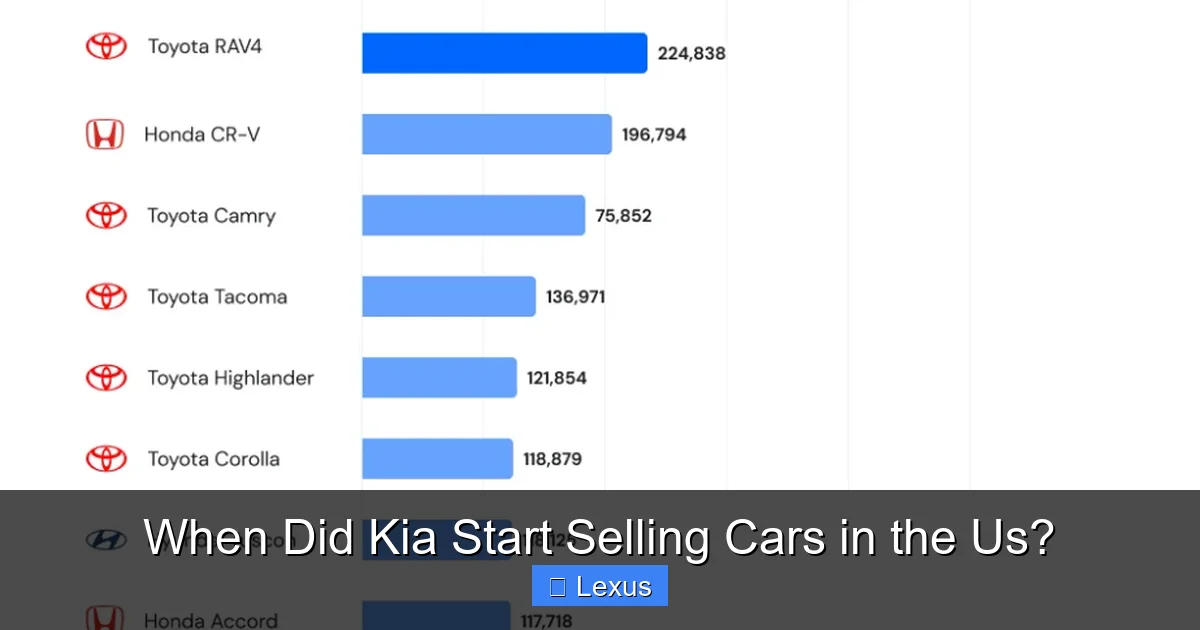
The 2010s were a decade of explosive growth for Kia in the US. Sales increased steadily, driven by a combination of improved quality, attractive designs, and competitive pricing. By 2015, Kia had become one of the top-selling non-luxury brands in the country, surpassing many established competitors.
One of the key drivers of this growth was the success of the Telluride SUV. Launched in 2019, the Telluride quickly became a sensation, earning praise from critics and consumers alike for its spacious interior, premium features, and rugged capability. It was named MotorTrend’s SUV of the Year in 2020 and became one of Kia’s best-selling models.
Marketing and Brand Perception
Kia also invested heavily in marketing during this period. The company launched high-profile advertising campaigns featuring celebrities and emotional storytelling, helping to build a stronger emotional connection with consumers. Its “Movement that Inspires” campaign, launched in 2021, emphasized innovation, sustainability, and human progress, aligning the brand with broader cultural values.
These efforts paid off. Kia’s brand perception improved dramatically, with surveys showing increased trust and satisfaction among owners. J.D. Power and other industry analysts began to rank Kia among the top brands for initial quality and long-term reliability.
Electric Vehicles and the Future
As the automotive industry shifts toward electrification, Kia has positioned itself as a leader in the transition. The EV6, based on Hyundai Motor Group’s E-GMP platform, offers impressive range, fast charging, and cutting-edge technology. It has been praised for its performance, design, and value, helping Kia compete with Tesla and other EV pioneers.
Kia has also announced plans to expand its electric lineup, with models like the EV9 three-row SUV and the upcoming EV3 compact crossover. The company aims to offer a full range of electric vehicles by 2027, supported by a growing network of charging stations and partnerships with other automakers.
Kia’s Impact on the US Automotive Market
Kia’s rise in the US has had a significant impact on the broader automotive industry. Its success has challenged traditional assumptions about brand loyalty and market segmentation. By offering high-quality vehicles at competitive prices, Kia has forced other automakers to rethink their strategies, particularly in the value and mid-range segments.
Moreover, Kia’s focus on design, technology, and sustainability has raised the bar for the entire industry. Its willingness to innovate—whether through bold styling, industry-leading warranties, or early adoption of electric powertrains—has inspired competitors to follow suit.
For consumers, Kia’s growth has meant more choices, better value, and increased competition. American drivers now have access to a wider range of reliable, stylish, and affordable vehicles than ever before.
Conclusion: From Obscurity to Mainstream Success
Kia’s journey in the US is a remarkable story of transformation and resilience. From its humble beginnings in 1994 with the Sephia sedan to its current status as a top-selling brand, Kia has overcome significant challenges to earn the trust and loyalty of American consumers. Its success is rooted in a commitment to quality, innovation, and customer satisfaction—values that have guided the company through decades of change.
Today, Kia is more than just a car manufacturer; it’s a symbol of how global brands can thrive in competitive markets by listening to customers, embracing change, and staying true to their vision. As the automotive industry continues to evolve, Kia is well-positioned to lead the way, offering vehicles that are not only affordable and reliable but also inspiring and forward-thinking.
Whether you’re considering a new SUV, a fuel-efficient hybrid, or a cutting-edge electric vehicle, Kia has something to offer. And knowing that this brand started selling cars in the US over 30 years ago makes its achievements all the more impressive.
Frequently Asked Questions
When did Kia start selling cars in the US?
Kia began selling cars in the United States in 1994 with the launch of the Sephia sedan. This marked the brand’s official entry into the American automotive market.
What was Kia’s first car sold in the US?
Kia’s first car sold in the US was the Sephia, a compact sedan designed for budget-conscious buyers. It was followed by the Sportage SUV in 1995.
Why did Kia struggle in the early years in the US?
Kia faced challenges due to low brand recognition, limited dealer networks, and consumer skepticism about the quality of Korean-made vehicles. Early models also had reliability issues that hurt the brand’s reputation.
How did Kia improve its reputation in the US?
Kia improved its reputation by investing in quality, introducing a 10-year/100,000-mile warranty, hiring top designers like Peter Schreyer, and expanding its lineup with stylish, reliable vehicles.
What is Kia’s best-selling model in the US?
The Kia Telluride SUV, launched in 2019, has become one of the brand’s best-selling and most acclaimed models, praised for its design, space, and value.
Is Kia planning to sell more electric vehicles in the US?
Yes, Kia is expanding its electric vehicle lineup with models like the EV6, EV9, and upcoming EV3, aiming to offer a full range of EVs by 2027.