
How to Charge a Kia Niro

Charging your Kia Niro is simple once you understand your model type and charging options. Whether you drive a hybrid, plug-in hybrid, or full electric version, this guide covers everything from home setups to public stations, ensuring you stay powered up and on the road.
Key Takeaways
- Know Your Model: The Kia Niro comes in hybrid (HEV), plug-in hybrid (PHEV), and electric (EV) versions—only the PHEV and EV require external charging.
- Home Charging Is Most Convenient: Installing a Level 2 home charger cuts charging time significantly and offers the best daily convenience.
- Use the Right Charging Equipment: Always use the manufacturer-recommended charging cable and avoid cheap, uncertified adapters.
- Public Charging Expands Range: Apps like PlugShare and ChargePoint help locate nearby stations and check availability in real time.
- Charge Smart, Not Just Often: Avoid frequent 100% charges; keeping the battery between 20% and 80% extends its lifespan.
- Plan Long Trips Ahead: Use route-planning tools to locate fast chargers and avoid range anxiety on road trips.
- Maintain Your Charging System: Regularly inspect cables, ports, and software updates to ensure safe and efficient charging.
📑 Table of Contents
- Introduction: Why Charging Your Kia Niro Matters
- Understanding Your Kia Niro Model
- Types of Charging: Level 1, Level 2, and DC Fast Charging
- How to Charge Your Kia Niro at Home
- Using Public Charging Stations
- Charging on the Road: Tips for Long Trips
- Maintaining Your Charging System
- Common Charging Mistakes to Avoid
- Conclusion: Charge Smart, Drive Happy
Introduction: Why Charging Your Kia Niro Matters
So, you’ve got a Kia Niro—congratulations! You’ve joined the ranks of drivers who value efficiency, style, and environmental responsibility. But if you’re new to hybrid or electric vehicles, you might be wondering: “How do I actually charge this thing?” Don’t worry, you’re not alone. Many new Niro owners feel a bit overwhelmed at first, especially when they realize that not all Niros need to be plugged in.
The Kia Niro lineup includes three main types: the standard hybrid (HEV), the plug-in hybrid (PHEV), and the fully electric (EV). Only the PHEV and EV models require external charging—the regular hybrid recharges its battery through regenerative braking and the gasoline engine. But even if you have a plug-in version, understanding how and when to charge can make a huge difference in your driving experience, cost savings, and battery longevity.
Charging your Kia Niro isn’t just about plugging in and walking away. It’s about knowing the right equipment, the best locations, and the smart habits that keep your car running smoothly for years. Whether you’re charging at home, at work, or on a cross-country road trip, this guide will walk you through everything you need to know—step by step, in plain English.
Understanding Your Kia Niro Model
Visual guide about How to Charge a Kia Niro
Image source: duevolt.com
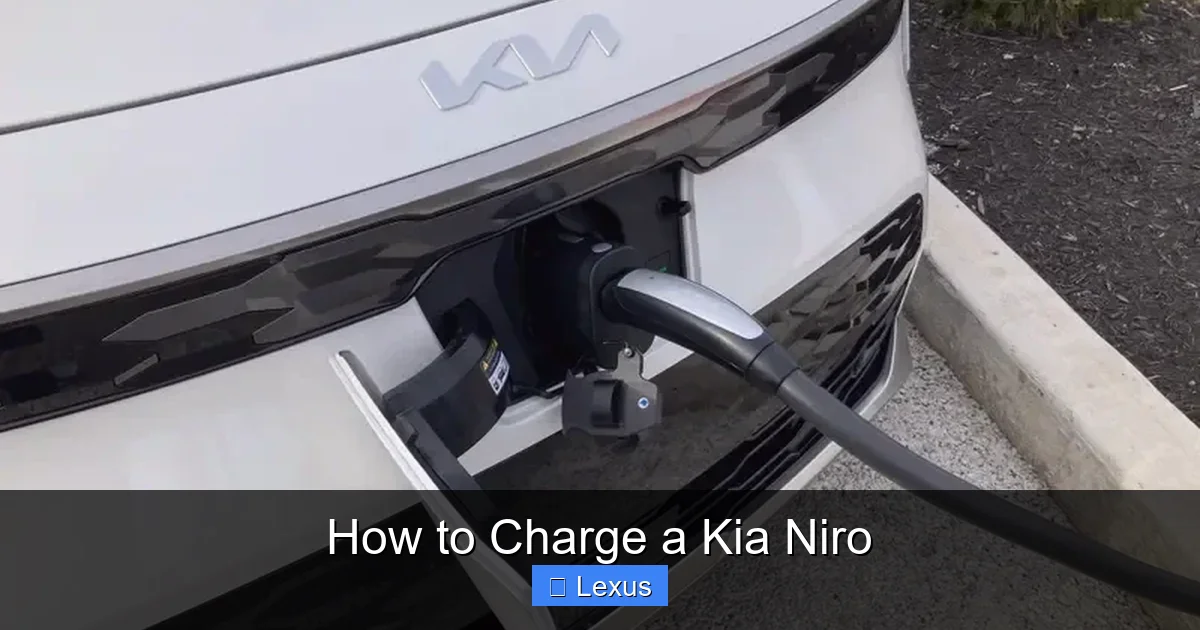
Before you even think about plugging in, it’s essential to know exactly which type of Kia Niro you own. This determines whether you need to charge at all, and if so, how often and in what way.
Kia Niro Hybrid (HEV)
The standard Kia Niro Hybrid uses a gasoline engine combined with a small electric motor and battery. This battery is charged automatically while you drive—through regenerative braking and the engine itself. There’s no plug, no charging cable, and no need to find a charging station. If you have this model, you can skip most of this guide—your car takes care of its own energy needs.
Kia Niro Plug-In Hybrid (PHEV)
The Niro PHEV is a step up. It has a larger battery than the regular hybrid and can run on electric power alone for about 26 miles (depending on the model year and driving conditions). Once that electric range is used up, it switches to hybrid mode, using both gas and electric power. To get the most out of your PHEV, you’ll want to plug it in regularly—ideally every night. This lets you start each day with a full electric charge, saving fuel and reducing emissions.
Kia Niro EV (Electric Vehicle)
The fully electric Niro EV has no gasoline engine at all. It runs entirely on battery power, with a range of around 239 miles on a full charge (again, depending on the model and conditions). This means charging is not optional—it’s essential. You’ll need to plan your charging routine carefully, especially for longer trips.
Knowing your model helps you set realistic expectations. For example, if you have a PHEV and only drive short distances, you might rarely use gas. But if you have the EV and take frequent road trips, you’ll need to master public charging networks.
Types of Charging: Level 1, Level 2, and DC Fast Charging
Visual guide about How to Charge a Kia Niro
Image source: duevolt.com
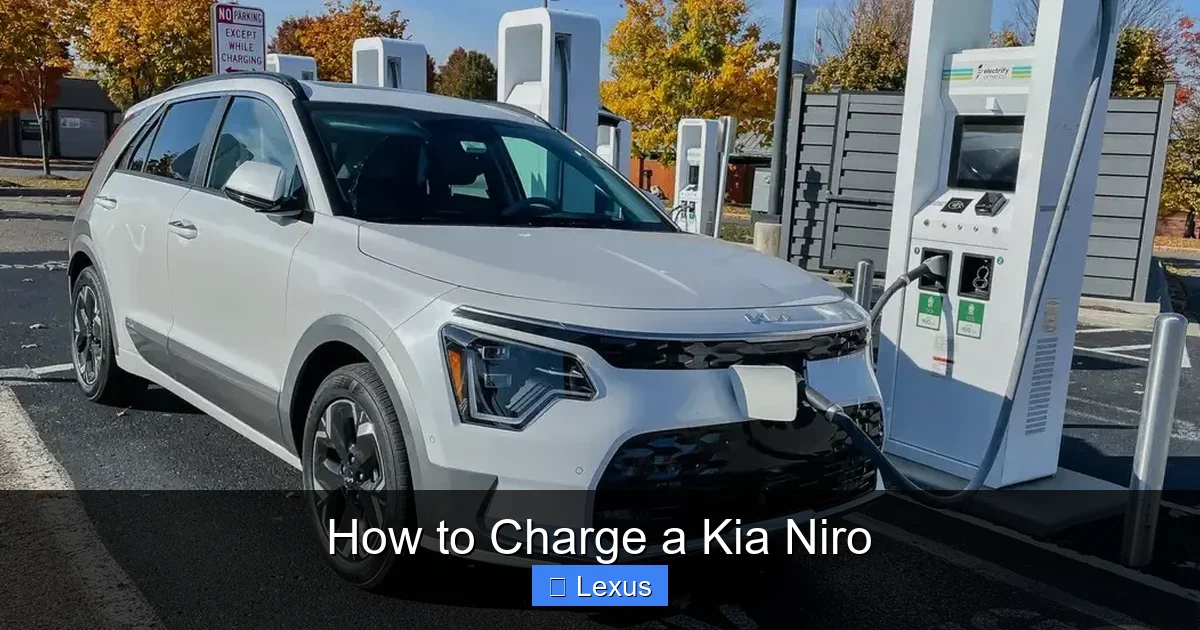
Not all charging is created equal. The speed and convenience depend on the type of charger you use. Let’s break down the three main levels of electric vehicle charging and how they apply to your Kia Niro.
Level 1 Charging: The Slowest but Simplest Option
Level 1 charging uses a standard 120-volt household outlet—the same kind you plug your lamp or phone charger into. It’s the slowest method, adding about 2–5 miles of range per hour. For a Niro EV, a full charge could take 20–30 hours. That’s not practical for daily use unless you only drive a few miles a day.
However, Level 1 can be a lifesaver in a pinch. If you’re visiting a friend or staying at a hotel without charging stations, you can still top up your battery overnight. Just make sure to use the charging cable that came with your Niro and avoid overloading the circuit.
Level 2 Charging: The Sweet Spot for Daily Use
Level 2 charging uses a 240-volt outlet—similar to what your dryer or oven uses. It’s much faster, adding about 20–30 miles of range per hour. For a Niro EV, a full charge takes roughly 6–8 hours. For a PHEV, it’s closer to 2–3 hours.
This is the most practical option for daily charging. Most Niro owners install a Level 2 charger at home. It’s more convenient, faster, and safer than relying on public stations. Many utility companies even offer rebates or incentives for installing home chargers, so it’s worth checking with your provider.
DC Fast Charging: For Long Trips and Quick Top-Ups
DC Fast Charging (also called Level 3) is the fastest option available. These stations use direct current (DC) and can charge your Niro EV from 10% to 80% in about 45–60 minutes. They’re typically found along highways and in urban centers.
Not all Niro models support DC fast charging. The Niro EV does, but the PHEV only supports Level 1 and Level 2. If you have the EV and plan to travel long distances, fast chargers are essential. Just remember: frequent fast charging can degrade your battery over time, so use it sparingly when possible.
How to Charge Your Kia Niro at Home
Visual guide about How to Charge a Kia Niro
Image source: autotijd.be
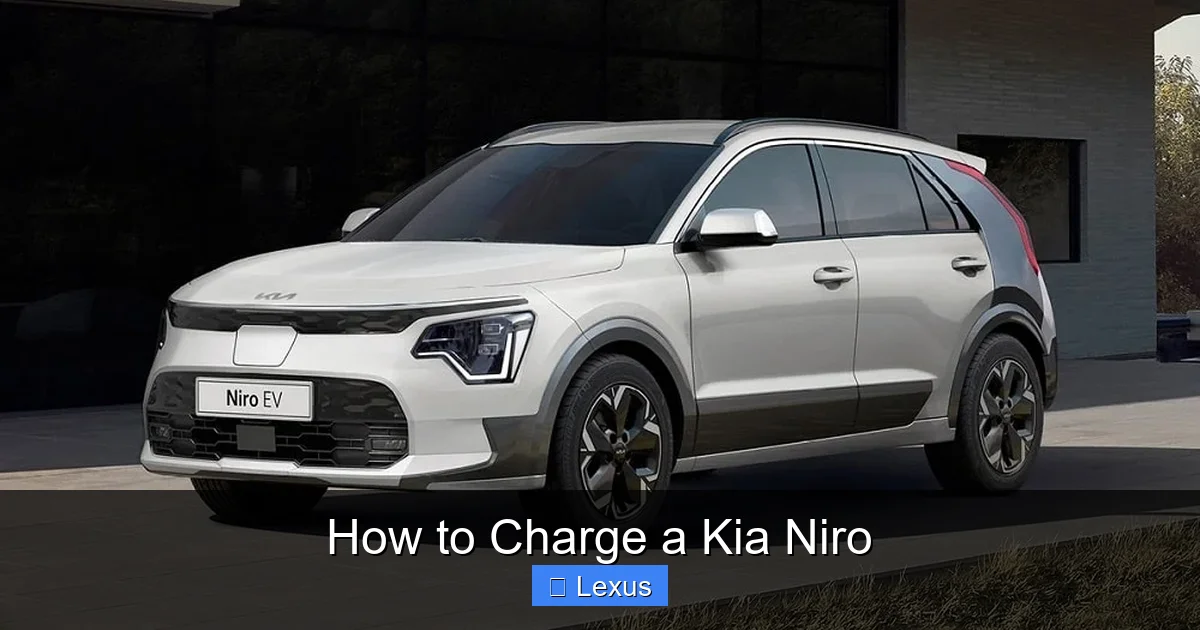
For most Niro owners, home charging is the most convenient and cost-effective option. Here’s how to set it up and make the most of it.
Choosing the Right Home Charger
You’ll need a Level 2 charging station, often called an Electric Vehicle Supply Equipment (EVSE). Popular brands include ChargePoint Home, JuiceBox, and Grizzl-E. Look for a unit with at least 32 amps of output and a 25-foot cable for flexibility.
When shopping, check compatibility with your Niro model and ensure it’s certified by a recognized safety organization like UL or ETL. Avoid cheap, uncertified chargers—they can be unsafe and may void your warranty.
Installation Tips
Installing a Level 2 charger usually requires a licensed electrician. You’ll need a 240-volt circuit and a dedicated breaker. If your home has an older electrical panel, you might need an upgrade.
Many homeowners install the charger in the garage or near the driveway. Make sure the location is dry, protected from the elements, and within reach of your car’s charging port. Some people even add a weatherproof enclosure for extra protection.
Charging Routine and Best Practices
Try to charge your Niro every night, especially if you have the EV. Set a routine: plug in when you get home, unplug in the morning. Most Level 2 chargers allow you to schedule charging during off-peak hours when electricity is cheaper.
Use the Kia Connect app (if available for your model) to monitor charging status, start or stop sessions remotely, and receive notifications when charging is complete. This helps you avoid overcharging and keeps your battery healthy.
Safety First
Always inspect your charging cable and port before plugging in. Look for frayed wires, bent pins, or signs of overheating. Never use a damaged cable.
Keep the charging area clear of clutter and flammable materials. And never charge your Niro in standing water or during a thunderstorm unless the charger is specifically rated for outdoor use.
Using Public Charging Stations
Even with a home charger, you’ll eventually need to use public stations—especially on road trips or when you’re away from home for extended periods.
Finding Charging Stations
Use apps like PlugShare, ChargePoint, or Electrify America to locate nearby stations. These apps show real-time availability, pricing, charger types, and user reviews. Filter by connector type (your Niro uses a J1772 for Level 2 and CCS for DC fast charging).
Many gas stations, shopping malls, hotels, and parking garages now offer charging. Some are free, while others require payment via app or RFID card.
How to Use a Public Charger
Start by parking close to the charger, with your charging port accessible. Open the charging port on your Niro (usually on the front fender or rear side). Uncoil the cable and plug it into your car first, then into the station.
Follow the on-screen instructions. Some stations require you to start the session via an app or tap a credit card. Once charging begins, you’ll see a light on your dashboard or charging port indicating the status.
Etiquette and Tips
Be mindful of other EV drivers. Don’t leave your car plugged in longer than necessary, especially at busy stations. Move your vehicle once charging is complete to free up the spot.
Avoid blocking charging spaces with non-EVs. And if you’re using a fast charger, plan your stop around meal breaks or restroom visits—charging takes time, so use it wisely.
Paying for Public Charging
Public charging costs vary. Some stations are free (often at hotels or workplaces), while others charge by the hour or per kilowatt-hour (kWh). Rates are usually higher during peak hours.
Many networks offer membership plans with discounted rates. For example, Electrify America has a Pass+ plan that reduces per-minute fees. Compare options and choose what fits your driving habits.
Charging on the Road: Tips for Long Trips
Taking your Kia Niro on a road trip? With a little planning, you can travel confidently—even in an EV.
Plan Your Route in Advance
Use route-planning tools like A Better Routeplanner (ABRP) or the built-in navigation in newer Niro models. These tools factor in your car’s range, charging speeds, and station locations to suggest optimal stops.
For example, if you’re driving from Los Angeles to San Francisco, the planner might recommend a fast charger in Santa Barbara or San Luis Obispo. It will estimate how long you need to charge at each stop to reach your destination.
Pack the Right Gear
Always carry your charging cable and any necessary adapters. While most public stations provide cables, it’s smart to have your own as a backup.
Bring a portable Level 1 charger for emergencies. It won’t charge quickly, but it can give you enough range to reach the next station.
Know Your Charging Options
On long trips, you’ll likely rely on DC fast chargers. These are usually located at rest stops, truck stops, or shopping centers. Look for stations with multiple chargers to reduce wait times.
Some automakers, including Kia, have partnered with charging networks to offer free or discounted charging for new EV owners. Check your owner’s manual or Kia’s website for current promotions.
Stay Flexible
Charging times can vary based on battery temperature, state of charge, and station load. A charger might deliver 150 kW when empty but slow down as the battery fills.
If a station is busy or out of service, have a backup plan. Apps like PlugShare often show alternative locations nearby.
Maintaining Your Charging System
Just like your car, your charging equipment needs regular care to stay in top shape.
Inspect Cables and Ports
Check your charging cable for wear and tear every few weeks. Look for cracks, exposed wires, or loose connectors. Clean the charging port on your Niro with a dry cloth to remove dirt and debris.
If you notice any damage, stop using the cable and contact Kia or the charger manufacturer. Never attempt to repair it yourself.
Keep Software Updated
Kia regularly releases software updates for its vehicles, including improvements to charging performance and battery management. Make sure your Niro is connected to Wi-Fi or visit a dealership for updates.
Some home chargers also receive firmware updates. Check the manufacturer’s website or app for notifications.
Monitor Battery Health
While modern EV batteries are designed to last, extreme temperatures and frequent fast charging can affect longevity. Try to park in a garage during hot summers and cold winters.
Use the Kia Connect app to track your battery’s state of health over time. If you notice a significant drop in range, consult a certified technician.
Store Your Charger Properly
If you’re not using your home charger for an extended period (like during a long vacation), unplug it and store it in a dry, cool place. Coil the cable neatly to avoid kinks or damage.
Common Charging Mistakes to Avoid
Even experienced EV drivers make mistakes. Here are a few to watch out for:
Overcharging or Charging to 100% Daily
Lithium-ion batteries last longer when kept between 20% and 80%. Charging to 100% every day can stress the battery over time. Only charge fully when you need the extra range—like before a long trip.
Using Uncertified Chargers
Cheap, uncertified chargers may not meet safety standards and can damage your car or cause electrical fires. Always use equipment recommended by Kia or certified by a reputable organization.
Ignoring Weather Conditions
Extreme cold reduces battery efficiency and charging speed. In winter, try to charge indoors or use a preconditioning feature (if available) to warm the battery before charging.
Leaving Your Car Plugged In Too Long
While modern EVs have safeguards, leaving your car plugged in for days at a time isn’t ideal. It’s better to unplug once charging is complete to reduce strain on the system.
Not Planning Ahead
Range anxiety is real, but it’s avoidable. Always check your battery level before leaving and plan your charging stops in advance—especially in rural areas with fewer stations.
Conclusion: Charge Smart, Drive Happy
Charging your Kia Niro doesn’t have to be complicated. Whether you drive a plug-in hybrid or a full electric model, the key is understanding your options and building smart habits. Home charging with a Level 2 station offers the best balance of speed and convenience, while public networks give you freedom on the road.
By choosing the right equipment, maintaining your system, and planning ahead, you’ll get the most out of your Niro’s battery—and enjoy a smoother, greener driving experience. Remember, every charge is a step toward lower emissions, fewer gas station visits, and more savings in your pocket.
So go ahead—plug in, power up, and hit the road with confidence. Your Kia Niro is ready. Are you?
Frequently Asked Questions
Can I charge a Kia Niro hybrid (HEV) by plugging it in?
No, the standard Kia Niro hybrid (HEV) does not have a plug and cannot be charged externally. It recharges its battery automatically through regenerative braking and the gasoline engine.
How long does it take to charge a Kia Niro EV at home?
With a Level 2 home charger, it takes about 6–8 hours to fully charge a Kia Niro EV from empty. A Level 1 charger can take 20–30 hours, making it less practical for daily use.
Can I use any charging cable for my Kia Niro?
Always use the charging cable that came with your vehicle or one recommended by Kia. Avoid uncertified or third-party cables, as they may not be safe or compatible.
Is it bad to charge my Kia Niro every night?
No, charging every night is actually recommended—especially for the EV and PHEV models. Just avoid charging to 100% daily; keeping the battery between 20% and 80% helps extend its lifespan.
Where can I find public charging stations for my Kia Niro?
Use apps like PlugShare, ChargePoint, or Electrify America to locate nearby stations. These apps show real-time availability, pricing, and charger types compatible with your Niro.
Can I charge my Kia Niro in the rain?
Yes, it’s safe to charge your Kia Niro in the rain. Both the vehicle and certified charging equipment are designed to handle wet conditions. Just ensure the charging port and cable are properly connected and not submerged in water.
