
What Years to Avoid for the Subaru Outback?

When shopping for a used Subaru Outback, knowing which model years to avoid can save you thousands in repairs and headaches. While the Outback is generally reliable, certain years—especially 2010–2014 and 2015–2019—have recurring problems like head gasket failures, CVT transmission issues, and excessive oil consumption. By steering clear of these problematic years, you’ll enjoy a smoother, more dependable ride.
Key Takeaways
- Avoid 2010–2014 Outbacks: These models are notorious for head gasket failures, which can cost over $1,500 to fix and often recur.
- Steer clear of 2015–2019 CVT transmissions: Many owners report jerky shifting, overheating, and premature failure in the continuously variable transmission.
- Watch for excessive oil consumption in 2013–2016 models: Some engines burn up to a quart of oil every 1,000 miles, leading to engine damage if unchecked.
- 2020 and newer models are generally safer bets: Subaru improved reliability, but still monitor for minor electrical and infotainment glitches.
- Always get a pre-purchase inspection: Even in good years, a professional mechanic can uncover hidden issues before you buy.
- Check service history and maintenance records: Well-maintained Outbacks—even from risky years—can be solid if properly cared for.
- Consider certified pre-owned (CPO) vehicles: CPO Outbacks come with extended warranties and thorough inspections, reducing risk.
📑 Table of Contents
Introduction: Why the Subaru Outback Is a Great Choice—But Not Always
The Subaru Outback has earned its reputation as one of the most dependable and versatile wagons on the market. With standard all-wheel drive, rugged styling, and a comfortable interior, it’s a favorite among outdoor enthusiasts, families, and commuters alike. Whether you’re navigating snowy mountain roads or hauling gear for a weekend camping trip, the Outback delivers confidence and capability.
But like any vehicle, not every model year is created equal. While Subaru has made significant improvements over the years, certain generations of the Outback have been plagued by recurring mechanical issues that can turn a great car into a money pit. If you’re shopping for a used Outback, it’s crucial to know which years to avoid—and why. This guide will walk you through the problematic model years, explain the most common issues, and help you make an informed decision so you can enjoy your Outback without constant trips to the mechanic.
Understanding Subaru Outback Generations and Their Weaknesses
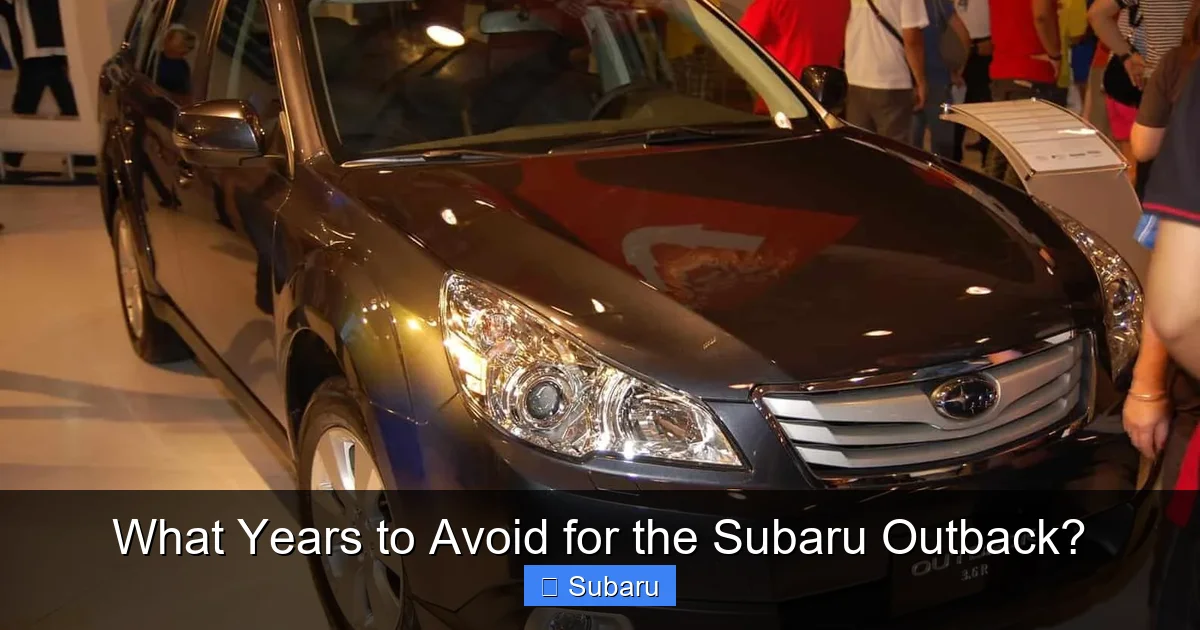
Visual guide about What Years to Avoid for the Subaru Outback?
Image source: autocareaids.com
To make sense of which years to avoid, it helps to understand how the Outback has evolved over time. Subaru has released several generations of the Outback since its debut in 1995, each with its own strengths and weaknesses. The most relevant generations for used buyers include:
– **Third Generation (2005–2009):** Known for solid build quality and reliable engines, though some early models had minor electrical issues.
– **Fourth Generation (2010–2014):** A major redesign brought modern styling and improved safety, but also introduced serious mechanical flaws.
– **Fifth Generation (2015–2019):** Sleeker design and better fuel economy, but plagued by transmission and engine concerns.
– **Sixth Generation (2020–present):** Significant improvements in reliability, technology, and safety, making these models the safest bet for used buyers.
While no car is perfect, the fourth and fifth generations stand out as the most problematic. Let’s dive deeper into the specific issues that make certain years risky.
Head Gasket Failures: The 2010–2014 Outback’s Achilles’ Heel
One of the most infamous problems with the 2010–2014 Subaru Outback is the head gasket failure. This issue isn’t new to Subaru—older models from the late 1990s and early 2000s also suffered from it—but it returned with a vengeance in the fourth generation.
The head gasket sits between the engine block and cylinder head, sealing combustion chambers and coolant passages. When it fails, coolant can leak into the engine oil or combustion chamber, leading to overheating, white smoke from the exhaust, and a milky appearance in the oil. In severe cases, the engine can seize or suffer catastrophic damage.
Why does this keep happening? Subaru used a multi-layer steel (MLS) head gasket in these years, which was supposed to be more durable than the older composite gaskets. However, the 2.5-liter naturally aspirated engine in the 2010–2014 Outback generates high cylinder pressures and heat, especially under load or in hot climates. Over time, the gasket can degrade, particularly if the cooling system isn’t properly maintained.
The repair cost for a head gasket replacement typically ranges from $1,500 to $2,500, depending on labor rates and whether other components (like the timing belt or water pump) need replacement at the same time. Even worse, many owners report that the problem returns after a few years, especially if Subaru’s updated gasket design isn’t used.
CVT Transmission Troubles in 2015–2019 Models
Subaru began phasing in the Continuously Variable Transmission (CVT) across its lineup in the mid-2010s, and the 2015–2019 Outback was one of the first models to fully adopt it. While CVTs offer smoother acceleration and better fuel economy in theory, many Outback owners found the real-world experience disappointing.
Common complaints include:
– **Jerky or delayed acceleration:** The transmission often hesitates when shifting from park to drive or when accelerating from a stop.
– **Overheating warnings:** Especially in hot weather or during towing, the CVT can overheat, triggering warning lights and forcing the vehicle into limp mode.
– **Whining or grinding noises:** Some drivers report a high-pitched whine or grinding sound, particularly during hard acceleration.
– **Premature failure:** In extreme cases, the CVT can fail entirely, requiring a full replacement that can cost $4,000 or more.
Subaru issued several technical service bulletins (TSBs) addressing CVT issues, including software updates and revised cooling systems. However, many owners say these fixes only provide temporary relief. The 2015–2019 Outback’s CVT remains one of the most common reasons people avoid these model years.
Excessive Oil Consumption: A Silent Engine Killer
Another major concern for 2013–2016 Outback owners is excessive oil consumption. Some vehicles burn up to a quart of oil every 1,000 miles—far beyond the acceptable range of one quart per 1,000 miles that Subaru considers “normal.”
This issue is most common in the 2.5-liter FB25 engine used in these years. The problem stems from piston ring design and cylinder wall machining, which allows oil to seep into the combustion chamber and burn off. Over time, low oil levels can lead to increased engine wear, reduced performance, and even engine failure.
Subaru acknowledged the issue and extended the powertrain warranty to 8 years or 100,000 miles for affected vehicles, covering repairs if oil consumption exceeds one quart per 1,250 miles. However, many owners report that dealerships are reluctant to perform repairs unless the problem is severe, and some vehicles still consume oil at high rates even after service.
If you’re considering a 2013–2016 Outback, it’s essential to check the oil level regularly and ask for maintenance records. A well-maintained vehicle with consistent oil top-offs may still be a good buy, but one with a history of oil neglect could be a ticking time bomb.
Electrical and Infotainment Glitches in 2020+ Models
While 2020 and newer Outbacks are generally more reliable, they’re not without their quirks. The sixth-generation Outback introduced a massive 11.6-inch touchscreen infotainment system, which looks sleek but has drawn criticism for being slow, glitchy, and difficult to use while driving.
Common issues include:
– **Screen freezing or rebooting:** The system may freeze during navigation or audio playback, requiring a restart.
– **Bluetooth connectivity problems:** Pairing phones can be inconsistent, and audio may drop during calls.
– **Backup camera lag:** Some owners report a delay in the backup camera feed, which can be dangerous when reversing.
– **Software bugs:** Updates are infrequent, and Subaru’s infotainment software lags behind competitors like Toyota and Honda.
These issues are mostly annoying rather than dangerous, but they can detract from the driving experience. Fortunately, many can be resolved with software updates from a dealership. Still, it’s worth test-driving a 2020+ Outback to see if the infotainment system meets your expectations.
Suspension and Steering Concerns in Older Models
Beyond engine and transmission problems, older Outbacks—especially those from 2010–2014—can develop suspension and steering issues as they age. Common complaints include:
– **Worn struts and shocks:** Leading to a bouncy or unstable ride, especially on rough roads.
– **Steering rack leaks:** Causing fluid loss and a loose or unresponsive steering feel.
– **Wheel bearing failures:** Resulting in humming or grinding noises, particularly at highway speeds.
These problems are typical of high-mileage vehicles and aren’t unique to the Outback, but they’re worth noting if you’re buying a used model with over 100,000 miles. Regular maintenance and timely replacements can extend the life of these components, but repair costs can add up quickly.
Safety and Recalls: What to Watch For
Subaru has a strong reputation for safety, and the Outback consistently earns top marks from the IIHS and NHTSA. However, several recalls have affected specific model years, so it’s important to check the vehicle’s history.
Notable recalls include:
– **2010–2012 Outbacks:** Recalled for potential fuel pump failure, which could cause the engine to stall.
– **2013–2015 Outbacks:** Recalled for brake line corrosion in cold-weather states, increasing the risk of brake failure.
– **2015–2017 Outbacks:** Recalled for faulty airbag sensors that could prevent deployment in a crash.
– **2020 Outbacks:** Recalled for a software glitch that could disable the electronic parking brake.
You can check for open recalls using the NHTSA website or Subaru’s VIN lookup tool. A clean recall history is a good sign, but it doesn’t guarantee the vehicle is problem-free.
How to Avoid Buying a Lemon: Tips for Used Outback Shoppers
Visual guide about What Years to Avoid for the Subaru Outback?
Image source: agtauto.com
Even if you avoid the worst years, buying a used car always carries some risk. Here are practical tips to help you find a reliable Outback:
Get a Pre-Purchase Inspection (PPI)
This is non-negotiable. A qualified mechanic—preferably one familiar with Subarus—can inspect the engine, transmission, suspension, and electrical systems for hidden issues. They’ll check for signs of head gasket leaks, oil consumption, transmission fluid condition, and more. A PPI typically costs $100–$150 but can save you thousands in repairs.
Review Maintenance and Service Records
A well-documented service history is a strong indicator of a cared-for vehicle. Look for regular oil changes (every 6,000–7,500 miles), timing belt replacements (every 105,000 miles), and coolant flushes. If the owner can’t provide records, assume the worst.
Check for Recurring Issues
Use resources like the NHTSA complaint database, Consumer Reports, and Subaru forums (like SubaruOutback.org) to research common problems for the specific year and engine you’re considering. Pay attention to patterns—if 50 owners report the same transmission issue, it’s likely a real problem.
Test Drive Thoroughly
Take the car on a variety of roads—highways, hills, and stop-and-go traffic. Listen for unusual noises, feel for transmission hesitation, and test the infotainment system. If anything feels off, walk away.
Consider Certified Pre-Owned (CPO)
Subaru’s CPO program includes a 152-point inspection, 7-year/100,000-mile powertrain warranty, and 24/7 roadside assistance. While CPO vehicles cost more, the peace of mind is worth it—especially for risky model years.
Negotiate Based on Known Issues
If the vehicle has a history of head gasket or transmission problems, use that as leverage to negotiate a lower price. Even if it’s been repaired, the risk of recurrence is real.
Which Subaru Outback Years Are Actually Safe to Buy?
Visual guide about What Years to Avoid for the Subaru Outback?
Image source: agtauto.com
Now that we’ve covered the red flags, let’s talk about the good years. If you’re looking for a reliable used Outback, consider these model years:
– **2005–2009 (Third Generation):** Known for durability and simpler mechanics. The 2.5-liter engine is robust, and head gasket issues are less common than in later years. Just watch for rust and suspension wear.
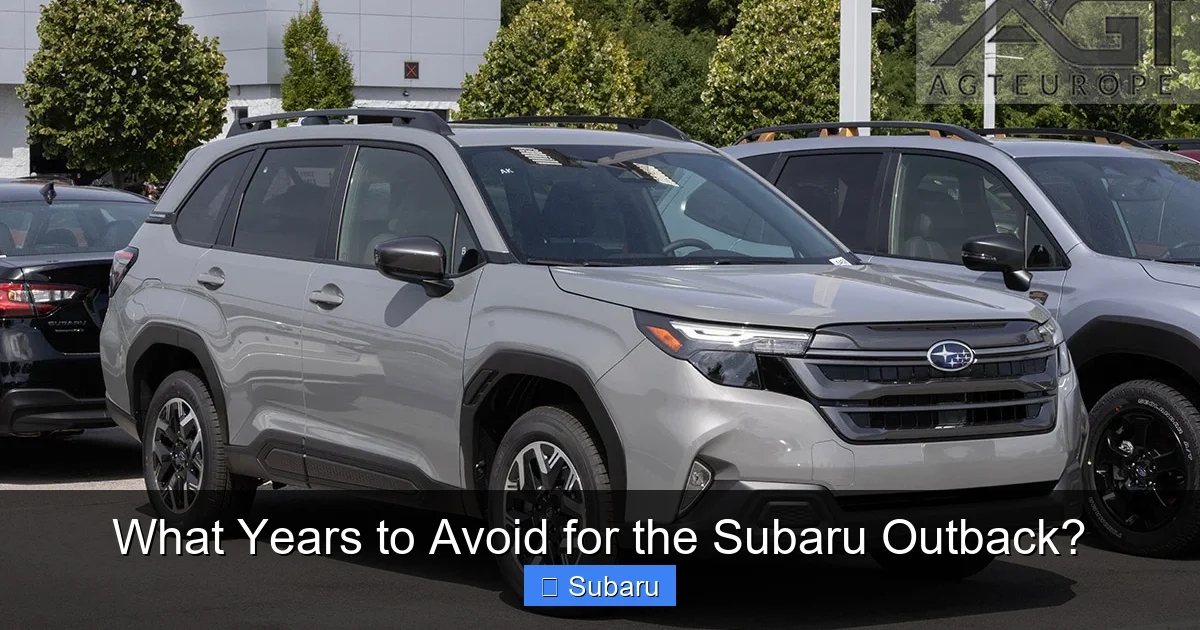
– **2020–2023 (Sixth Generation):** The most reliable Outbacks on the market today. Improved build quality, better infotainment (despite some glitches), and strong safety ratings. The 2.5-liter and turbocharged 2.4-liter engines are both solid choices.
– **2024 (Current Model):** The latest Outback benefits from refinements in software, ride comfort, and fuel efficiency. It’s the safest bet if your budget allows.
These years offer the best balance of reliability, features, and value. While no car is perfect, they’re far less likely to leave you stranded or buried in repair bills.
Final Thoughts: Make an Informed Decision
The Subaru Outback is a fantastic vehicle—when you choose the right year. By avoiding the problematic 2010–2014 and 2015–2019 models, you can sidestep some of the most expensive and frustrating issues that plague this otherwise dependable wagon. Instead, focus on well-maintained examples from safer years, and always do your due diligence before buying.
Remember, a used car is only as good as its maintenance history. Even a “bad” year Outback can be a great buy if it’s been properly cared for. Conversely, a “good” year can turn into a nightmare if it’s been neglected. Take your time, do your research, and don’t rush into a purchase.
With the right knowledge and preparation, you can find a Subaru Outback that delivers years of reliable, enjoyable driving—without the constant worry of what might break next.
Frequently Asked Questions
What is the most reliable Subaru Outback year?
The 2020–2023 Subaru Outback models are considered the most reliable, thanks to improved engineering, better build quality, and fewer reported mechanical issues. These years also come with modern safety features and updated infotainment systems.
Is the 2015 Subaru Outback a bad car?
The 2015 Outback has several known issues, including CVT transmission problems and excessive oil consumption in some 2.5-liter engines. While not all units are problematic, it’s one of the riskier years to buy used without a thorough inspection.
How much does it cost to fix a head gasket on a Subaru Outback?
Head gasket replacement typically costs between $1,500 and $2,500, depending on labor rates and whether other components like the timing belt or water pump are replaced at the same time. Some repairs may be covered under warranty if the vehicle is still eligible.
Do all 2010–2014 Outbacks have head gasket problems?
No, not all 2010–2014 Outbacks will experience head gasket failure, but the risk is significantly higher than in other years. Regular coolant changes and avoiding overheating can reduce the likelihood, but the issue remains a common concern.
Can I drive a Subaru Outback with oil consumption issues?
You can drive it, but you must check and top off the oil frequently—ideally every 1,000 miles. Ignoring low oil levels can lead to engine damage. If consumption exceeds one quart per 1,250 miles, Subaru may cover repairs under their extended warranty.
Should I buy a used Subaru Outback with high mileage?
It depends on the year, maintenance history, and condition. High-mileage Outbacks from 2020+ or well-maintained 2005–2009 models can be excellent buys. Avoid high-mileage 2010–2019 models unless they’ve had major repairs and come with a warranty.