
What Years to Avoid for the Subaru Forester

Not every Subaru Forester model year is created equal. While the Forester is known for its reliability, certain years have recurring mechanical problems that can lead to expensive repairs. This guide highlights the specific years to avoid and helps you make a smarter, safer purchase.
If you’re in the market for a used Subaru Forester, you’re likely drawn to its rugged design, standard all-wheel drive, and reputation for reliability. It’s a favorite among outdoor enthusiasts, families, and commuters alike. But here’s the truth: not every Forester model year is equally dependable. While Subaru has made great strides in quality over the years, certain model years have developed a reputation for recurring mechanical problems that can turn a great deal into a money pit.
Knowing what years to avoid for the Subaru Forester can save you thousands in repairs, countless hours of frustration, and the headache of unexpected breakdowns. This guide dives deep into the problematic model years, explains the most common issues, and offers practical tips to help you find a Forester that’s built to last. Whether you’re buying from a dealer or a private seller, arming yourself with this knowledge is your best defense against a bad purchase.
Key Takeaways
- 2014–2015 Subaru Foresters: Prone to excessive oil consumption due to faulty piston rings and PCV systems, leading to engine damage if not monitored.
- 2016–2017 CVT Transmission Issues: Many owners reported jerky acceleration, hesitation, and premature transmission failure in models with the continuously variable transmission.
- 2019 Head Gasket Failures: Despite improvements, some 2019 models still suffered from head gasket leaks, a notorious Subaru weakness in earlier generations.
- 2020 Electrical Glitches: Complaints about infotainment system crashes, backup camera malfunctions, and battery drain were common in early 2020 models.
- 2013 Timing Chain Tensioner Problems: Some 2013 Foresters experienced timing chain slippage due to defective tensioners, risking engine damage.
- Always Get a Pre-Purchase Inspection: Even in “safe” model years, a thorough inspection by a trusted mechanic can uncover hidden issues.
- Check Recalls and Service History: Use Subaru’s VIN lookup tool to verify if recalls were addressed and review maintenance records.
📑 Table of Contents
Why Model Year Matters When Buying a Used Subaru Forester
When shopping for a used car, the model year is one of the most critical factors to consider—especially with Subarus. Unlike some brands that make minor cosmetic updates each year, Subaru often introduces significant mechanical changes between generations. These changes can include new engines, transmissions, electronics, and suspension setups. While innovation is great, it sometimes comes with growing pains.
For example, the transition from the third-generation (2008–2012) to the fourth-generation (2013–2018) Forester brought a new 2.5L FB-series engine and a revised chassis. While these updates improved fuel efficiency and ride comfort, they also introduced new issues like oil consumption and CVT transmission quirks. Similarly, the fifth-generation Forester (2019–present) brought a more modern infotainment system and improved safety features—but not without some early electrical gremlins.
Understanding these generational shifts helps explain why some years are more problematic than others. It’s not just about age; it’s about what was happening under the hood and behind the dashboard during that specific production run. By identifying the years with the highest failure rates and most frequent complaints, you can focus your search on the most reliable options and avoid the ones that are more likely to give you trouble down the road.
Top Subaru Forester Years to Avoid (And Why)
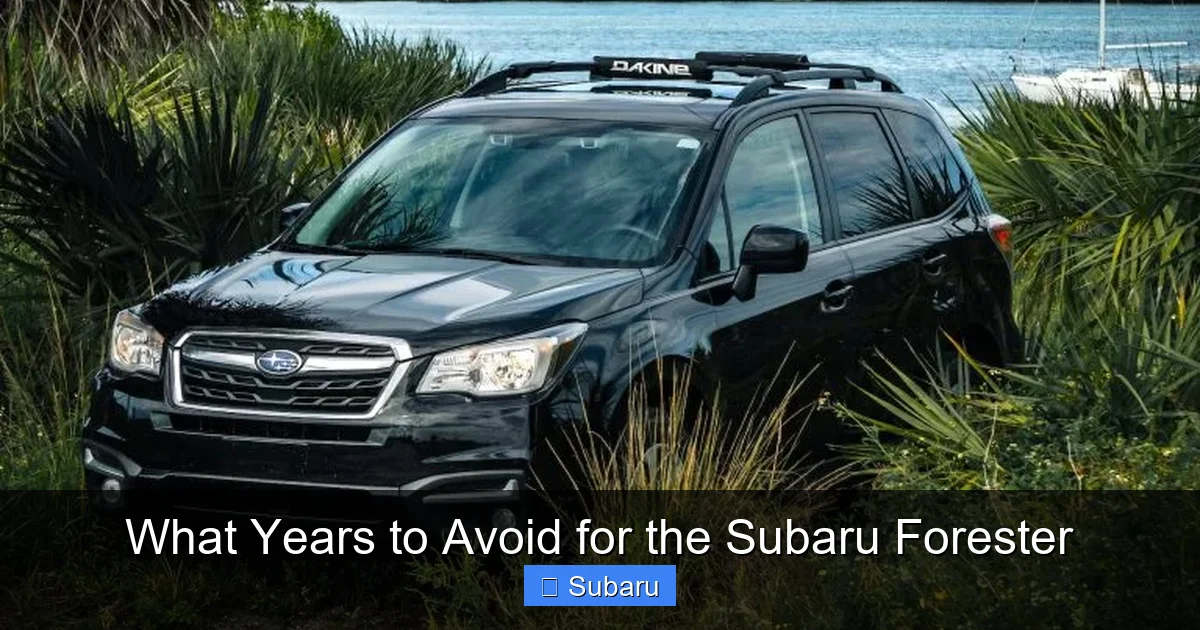
Visual guide about What Years to Avoid for the Subaru Forester
Image source: rerev.com
While the Subaru Forester has earned a solid reputation overall, a few model years stand out as particularly problematic. These are the ones you should approach with caution—or avoid altogether unless you’re prepared for potential repairs and close monitoring.
2014–2015: The Oil Consumption Nightmare
The 2014 and 2015 Subaru Forester models are perhaps the most notorious in the lineup due to a widespread issue with excessive oil consumption. Owners reported burning through a quart of oil every 1,000 to 1,500 miles—far beyond the acceptable range. This wasn’t just a minor annoyance; it could lead to low oil levels, engine knocking, and eventually, catastrophic engine failure if left unchecked.
The root cause was traced to faulty piston rings and a defective positive crankcase ventilation (PCV) system. The piston rings didn’t seal properly, allowing oil to seep into the combustion chamber and burn off. Subaru eventually issued a technical service bulletin (TSB) and extended the warranty for affected vehicles, but many owners still faced costly repairs out of pocket.
If you’re considering a 2014 or 2015 Forester, you must check the oil level frequently—ideally every time you fill up the gas tank. Look for signs of oil burning, such as blue smoke from the exhaust or a strong oil smell. Also, verify whether the vehicle has had the piston ring replacement or PCV system repair performed under warranty. Even then, some owners report that the fix didn’t fully resolve the issue.
2016–2017: CVT Transmission Troubles
The 2016 and 2017 Subaru Forester models introduced a newer version of the continuously variable transmission (CVT), which was supposed to offer smoother shifting and better fuel economy. Unfortunately, many owners found the opposite. Common complaints included jerky acceleration, hesitation when merging or climbing hills, and a “rubber band” feeling during throttle input.
In more severe cases, the CVT would fail prematurely, requiring a full replacement that could cost $4,000 or more. Subaru acknowledged the issue and issued software updates to improve shift logic, but some drivers still reported persistent problems. Additionally, the CVT’s reliance on a torque converter and belt system makes it more complex—and potentially less durable—than a traditional automatic transmission.
If you’re looking at a 2016 or 2017 Forester, pay close attention to how the transmission behaves during a test drive. Does it hesitate when you press the gas? Does it make unusual noises or shudder under load? Ask for maintenance records to see if the transmission fluid has been changed regularly—CVTs are sensitive to fluid condition. And consider having a Subaru specialist inspect the vehicle before buying.
2019: Head Gasket Woes Return
The head gasket issue is a well-known Achilles’ heel for older Subarus, particularly those with the EJ-series engines. While Subaru made significant improvements with the newer FB-series engines, some 2019 Forester owners still reported head gasket leaks. These leaks can lead to coolant loss, overheating, and engine damage if not addressed quickly.
The problem seems to be more prevalent in vehicles that were driven in hot climates or subjected to frequent towing. Symptoms include white smoke from the exhaust, a sweet smell from the engine bay, and low coolant levels with no visible leaks. In some cases, the leak occurs between the engine block and cylinder head, requiring a costly repair that involves removing the engine.
Subaru has not issued a formal recall for 2019 head gasket issues, but there are numerous reports on owner forums and repair databases. If you’re considering a 2019 Forester, inspect the engine bay for signs of coolant residue or oil mixing. Check the coolant reservoir and radiator for contamination. And again, a pre-purchase inspection is essential.
2020: Early Electrical and Infotainment Glitches
The 2020 Subaru Forester marked the second year of the fifth generation, bringing a refreshed interior, updated Starlink infotainment system, and advanced driver-assistance features like EyeSight. While these upgrades were welcome, early 2020 models suffered from a range of electrical issues.
Common problems included the infotainment screen freezing or rebooting randomly, the backup camera failing to display, and the vehicle’s battery draining overnight. Some owners also reported issues with the keyless entry system and automatic headlights not functioning properly. These glitches were often traced to software bugs or faulty control modules.
Subaru released several over-the-air updates and dealership software patches to address these issues, but not all vehicles received them. If you’re looking at a 2020 Forester, make sure the infotainment system is running the latest software version. Test all electronic features during your test drive, including the camera, Bluetooth, and climate controls. Also, check the battery health—parasitic drain can be a sign of deeper electrical problems.
2013: Timing Chain Tensioner Failures
While not as widely discussed as oil consumption or CVT issues, the 2013 Subaru Forester had its own share of problems—specifically with the timing chain tensioner. The tensioner is a critical component that keeps the timing chain tight and properly aligned. If it fails, the chain can slip, causing the engine’s valves to collide with the pistons—a catastrophic event known as “valve-to-piston interference.”
Symptoms of a failing tensioner include a rattling noise from the engine at startup, especially when cold. If you hear this sound, it’s a red flag. Subaru issued a TSB for this issue and extended the warranty on the timing chain components, but many owners were unaware of the problem until it was too late.
If you’re considering a 2013 Forester, listen carefully during startup. Ask the seller if the timing chain and tensioner have been inspected or replaced. And again, a professional inspection can help detect early signs of wear.
Reliable Subaru Forester Years to Consider Instead
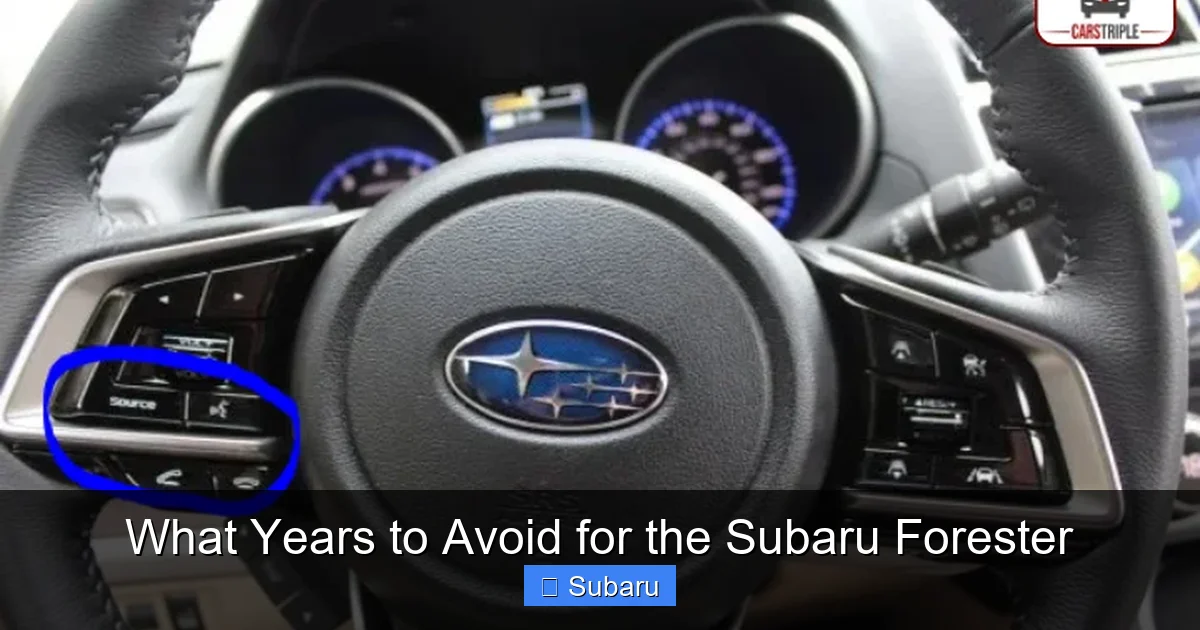
Visual guide about What Years to Avoid for the Subaru Forester
Image source: carstriple.com
Now that we’ve covered the years to avoid, let’s talk about the Forester models that have proven to be more reliable and trouble-free. These are the years where Subaru got it right—offering solid performance, good fuel economy, and fewer major issues.
2018: The Sweet Spot for Fourth-Gen Foresters
The 2018 Subaru Forester is widely regarded as one of the most reliable models in the fourth generation. By this year, Subaru had addressed many of the oil consumption and CVT issues that plagued earlier models. The 2.5L FB25 engine was refined, and the CVT received software updates that improved responsiveness and durability.
Owners report excellent fuel economy (around 26–28 mpg combined), smooth handling, and strong reliability. The 2018 model also comes with standard EyeSight safety features, including adaptive cruise control and lane departure warning. It’s a great choice for buyers who want a well-equipped, dependable SUV without breaking the bank.
2021–2023: Fifth-Gen Refinements
The 2021, 2022, and 2023 Subaru Forester models benefit from years of refinement in the fifth generation. Subaru has resolved most of the early electrical issues, and the infotainment system is now more stable and user-friendly. The 2.5L engine remains reliable, and the CVT continues to improve with each model year.
These newer Foresters also come with enhanced safety features, including automatic emergency braking, blind-spot monitoring, and rear cross-traffic alert. They’re ideal for buyers who want the latest technology and peace of mind. Just be sure to check for any open recalls and verify that all software updates have been applied.
2009–2012: Proven Durability (With Caveats)
If you’re open to older models, the 2009–2012 Subaru Forester (third generation) can be a solid choice—especially if you find one with a manual transmission. These models use the older EJ25 engine, which is known for its durability when properly maintained. However, they are more prone to head gasket failures, so regular coolant checks are a must.
Look for a well-maintained example with service records, and avoid high-mileage vehicles unless they’ve had the head gasket replaced. The manual transmission models are generally more reliable than the automatic ones, and they offer a more engaging driving experience.
How to Avoid Buying a Problematic Subaru Forester
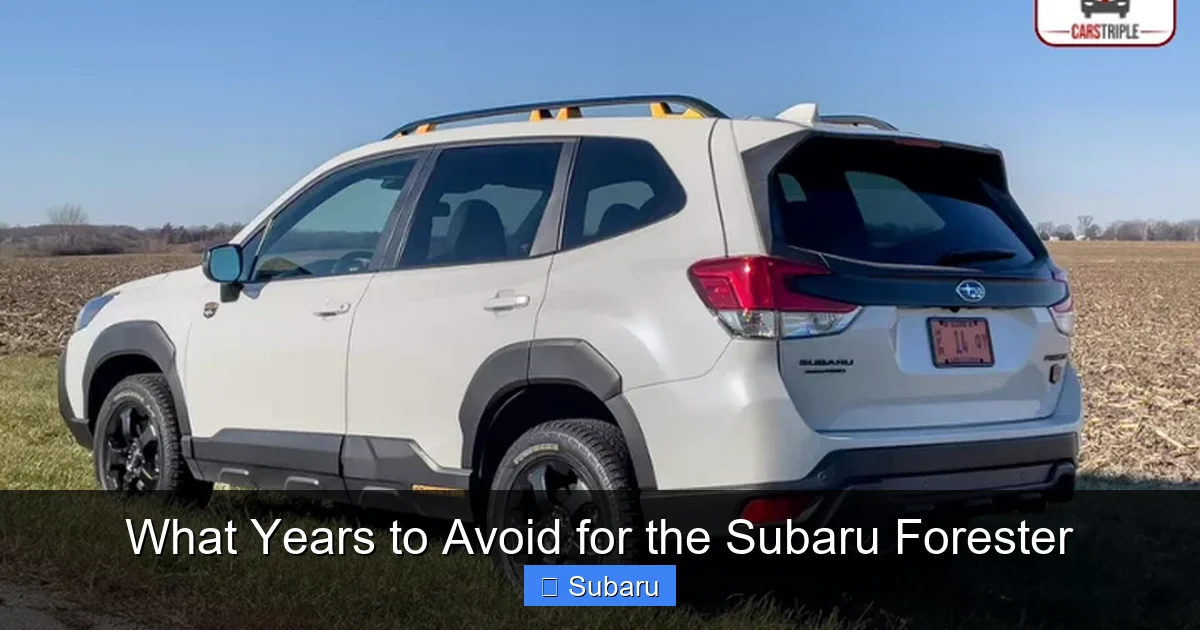
Visual guide about What Years to Avoid for the Subaru Forester
Image source: carstriple.com
Even if you steer clear of the worst model years, there’s still a chance you could end up with a lemon. Here are some practical tips to help you make a smart purchase:
Get a Pre-Purchase Inspection (PPI)
This is non-negotiable. A PPI by a trusted mechanic—preferably one familiar with Subarus—can uncover hidden issues that aren’t obvious during a test drive. The inspector will check the engine, transmission, suspension, brakes, and electrical systems. They’ll also look for signs of previous repairs, accident damage, or deferred maintenance.
Check the Vehicle History Report
Use services like Carfax or AutoCheck to get a detailed history of the vehicle. Look for accidents, flood damage, title issues, and odometer discrepancies. A clean report doesn’t guarantee a problem-free car, but it’s a good starting point.
Review Maintenance Records
A well-documented service history is a strong indicator of a well-cared-for vehicle. Look for regular oil changes, transmission fluid replacements, and brake inspections. If the seller can’t provide records, that’s a red flag.
Test Drive in Real-World Conditions
Don’t just drive around the block. Take the Forester on highways, hills, and stop-and-go traffic. Pay attention to how the engine responds, how the transmission shifts, and whether any warning lights come on. Listen for unusual noises and feel for vibrations or pulling.
Use Subaru’s VIN Lookup Tool
Subaru offers a free VIN lookup tool on its website that shows any open recalls, warranty claims, and service bulletins for the vehicle. Make sure all recalls have been addressed before you buy.
Final Thoughts: Making a Smart Forester Purchase
The Subaru Forester is a fantastic SUV with a lot to offer—great visibility, standard all-wheel drive, and a spacious interior. But like any vehicle, it’s not immune to design flaws and manufacturing hiccups. By knowing what years to avoid for the Subaru Forester, you can focus your search on the most reliable models and avoid the ones with a history of costly repairs.
Remember, even the “safe” years can have issues if the vehicle hasn’t been properly maintained. Always do your homework, get a professional inspection, and don’t rush into a purchase. A little extra effort upfront can save you a lot of money and stress down the road.
Whether you’re buying a 2018 Forester with low miles or a 2022 model with all the latest tech, the key is to be informed. With the right knowledge and a careful approach, you can find a Forester that will serve you well for years to come.
Frequently Asked Questions
What is the most reliable year for the Subaru Forester?
The 2018 Subaru Forester is often considered the most reliable model year in the fourth generation. It benefits from resolved oil consumption and CVT issues, making it a top pick for used buyers.
Do all Subaru Foresters have head gasket problems?
No, not all Foresters have head gasket issues. While older models (especially 1990s–2000s) were prone to leaks, newer FB-series engines have significantly improved reliability. However, some 2019 models still reported leaks.
How can I check if a Forester has had its oil consumption fixed?
Ask for service records and check if the vehicle had piston ring replacements or PCV system repairs under Subaru’s extended warranty. You can also use the VIN lookup tool on Subaru’s website.
Is the CVT transmission in Foresters reliable?
The CVT has improved over the years, but early 2016–2017 models had notable issues. Regular fluid changes and software updates can help, but some owners still report problems.
Should I avoid all used Subaru Foresters?
No. Many used Foresters are reliable and well-maintained. Focus on later model years (2018–2023) and always get a pre-purchase inspection to avoid hidden issues.
What should I look for during a test drive?
Listen for engine noises, check transmission smoothness, test all electronics, and drive in various conditions. Pay attention to hesitation, jerking, or warning lights.
