
What Year Subaru Outback to Avoid

Choosing the right Subaru Outback can save you thousands in repairs and headaches. While most models are reliable, certain years stand out for recurring mechanical problems. This guide reveals the worst years to avoid and helps you pick a dependable used Outback.
Key Takeaways
- Avoid 2013–2014 models: These years are notorious for excessive oil consumption, head gasket failures, and CVT transmission issues.
- 2010–2012 models have head gasket risks: While generally solid, these years still carry a higher-than-average risk of head gasket leaks.
- 2008–2009 models may suffer from CVT problems: Early CVT transmissions in these years were prone to overheating and premature failure.
- Check for rust on older models: Pre-2010 Outbacks, especially in snowy climates, often show underbody and wheel well corrosion.
- Always get a pre-purchase inspection: Even in good years, a professional inspection can uncover hidden issues.
- Look for maintenance records: A well-documented service history is a strong indicator of a healthy used Outback.
- Consider certified pre-owned (CPO): Subaru’s CPO program offers extended warranties and thorough inspections for added peace of mind.
📑 Table of Contents
Introduction: Why the Subaru Outback Is a Popular Choice
The Subaru Outback has long been a favorite among outdoor enthusiasts, families, and commuters alike. Known for its rugged capability, standard all-wheel drive, and spacious interior, the Outback blends the comfort of a sedan with the versatility of an SUV. Whether you’re navigating mountain trails or city streets, this vehicle has earned a reputation for reliability and practicality.
But like any car, not every model year is created equal. While Subaru has made significant improvements over the years, certain generations of the Outback have been plagued by recurring mechanical issues. If you’re shopping for a used Outback, knowing which years to avoid can save you from costly repairs, frustrating breakdowns, and sleepless nights worrying about your next tow truck call.
In this comprehensive guide, we’ll walk you through the worst years for the Subaru Outback, highlight the most common problems, and offer practical advice on how to find a dependable used model. Whether you’re a first-time buyer or upgrading from an older vehicle, this article will help you make a smart, informed decision.
Understanding Subaru Outback Generations and Model Years
To make sense of which years to avoid, it helps to understand how the Outback has evolved over time. The Subaru Outback was first introduced in 1994 as a trim level of the Legacy wagon. It became a standalone model in 1995 and has since gone through several major redesigns, each bringing new features, engines, and technologies.
Visual guide about What Year Subaru Outback to Avoid
Image source: fourwheeltrends.com
First Generation (1995–2000)
The original Outback was a rugged wagon with a lifted suspension and all-terrain styling. It used a 2.5L flat-four engine and offered solid reliability, though early models had some issues with rust and electrical gremlins. While not the most refined, these models are still respected for their durability if well maintained.
Second Generation (2000–2004)
This generation introduced a more modern design and improved interior materials. The 2.5L engine remained standard, but some models came with a 3.0L flat-six for more power. Head gasket failures began to appear in this era, especially in vehicles driven in hot climates or with poor maintenance.
Third Generation (2005–2009)
The third-gen Outback grew larger and more refined. It featured updated styling, better safety features, and a more comfortable ride. However, this generation introduced the first CVT (continuously variable transmission) in 2008, which would later become a source of problems in early versions.
Fourth Generation (2010–2014)
This is where things get tricky. The 2010 redesign brought a sleeker look, improved fuel economy, and more tech features. But it also introduced new engine and transmission technologies that, while innovative, came with growing pains. This generation is widely regarded as one of the most problematic in Outback history.
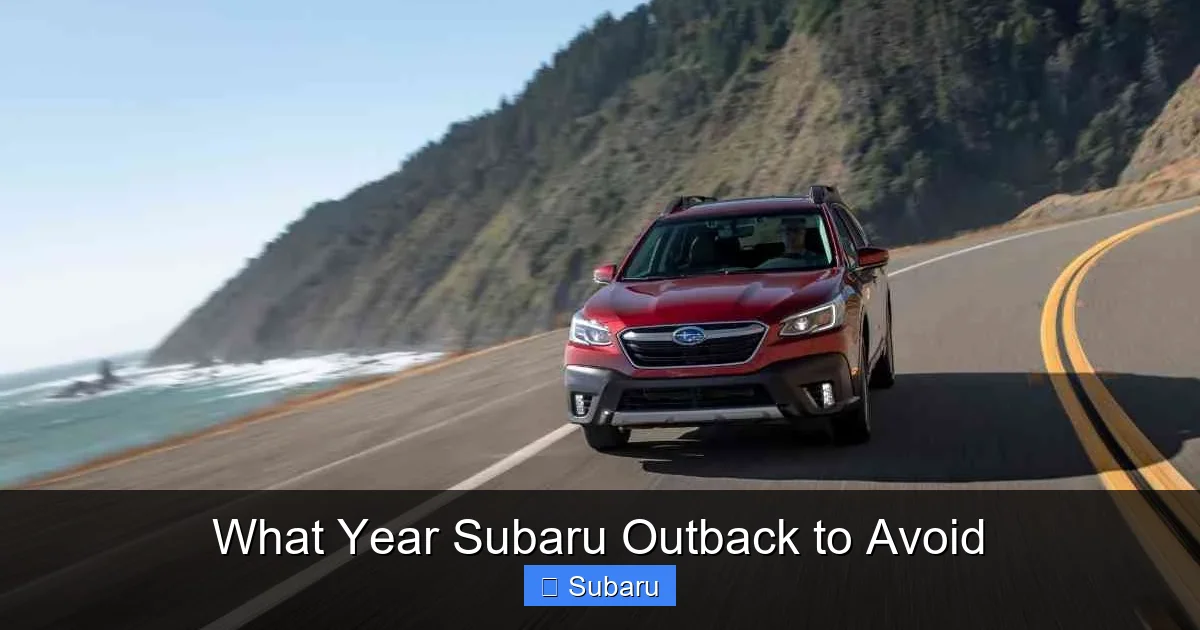
Fifth Generation (2015–2020)
Subaru addressed many of the previous issues with a complete redesign in 2015. The new platform improved safety, ride quality, and reliability. Engine and transmission problems were significantly reduced, making these years much safer bets for used buyers.
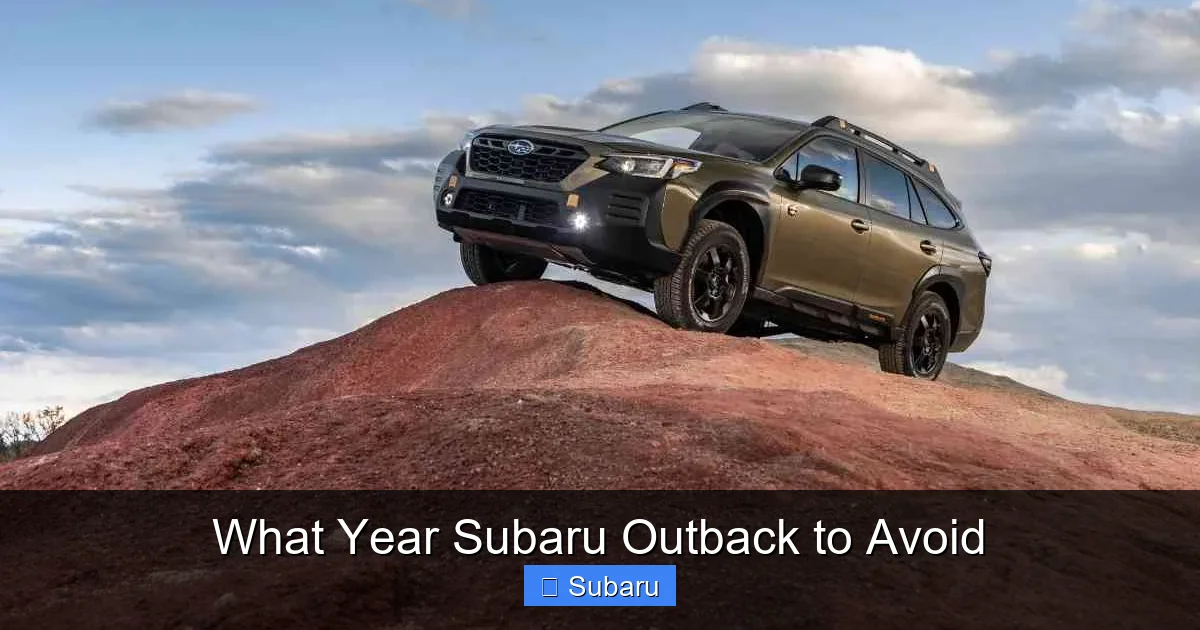
Sixth Generation (2021–Present)
The latest Outback features a modern interior, advanced driver-assistance systems, and a more powerful base engine. While still too new to judge long-term reliability, early reports are overwhelmingly positive. These models are among the best choices if you’re looking for a nearly new used Outback.
What Year Subaru Outback to Avoid: The Worst Models
Now that you understand the generational changes, let’s dive into the specific years you should think twice about buying. These models have the highest reported failure rates, customer complaints, and repair costs.
Visual guide about What Year Subaru Outback to Avoid
Image source: fourwheeltrends.com
2013–2014 Subaru Outback: The Most Problematic Years
If there’s one range of years you should avoid at all costs, it’s the 2013 and 2014 Subaru Outback. These models are plagued by a trifecta of serious issues: excessive oil consumption, head gasket failures, and CVT transmission problems.
One of the biggest red flags is oil consumption. Many owners reported their 2.5L four-cylinder engines burning through a quart of oil every 1,000 to 1,500 miles. Subaru eventually acknowledged the issue and extended the powertrain warranty to 8 years or 100,000 miles for affected vehicles, but only if you had documented oil consumption tests. Even then, the problem often returned after the warranty expired.
Head gasket failures are another common headache. The 2013–2014 models use a revised version of Subaru’s EJ25 engine, which still suffers from the same weak head gasket design that plagued earlier generations. Symptoms include coolant leaks, overheating, white smoke from the exhaust, and a sweet smell inside the cabin. Replacing a head gasket can cost $2,000 or more, and it’s not uncommon for the problem to recur.
The CVT transmission in these years also draws criticism. While CVTs are designed for smoother acceleration and better fuel economy, early versions in the Outback were prone to overheating, jerky shifting, and premature failure. Many owners reported transmission shuddering, especially during cold starts or when towing. Subaru issued several technical service bulletins (TSBs) to address the issue, but some problems persist.
Real-world example: A 2014 Outback owner in Colorado reported needing a full transmission replacement at 85,000 miles after experiencing constant shuddering and loss of power. The repair cost $4,200, and the dealer said it was a “known issue” but not covered under warranty.
2010–2012 Subaru Outback: Improved but Still Risky
The 2010–2012 models are a step up from the 2013–2014 years, but they’re not without their own set of problems. The biggest concern remains the head gasket. While Subaru made some improvements to the engine design, the EJ25 flat-four still uses a multi-layer steel (MLS) head gasket that can fail under stress.
Oil consumption is less severe than in the 2013–2014 models, but it’s still a concern. Some owners report needing to top off oil every few thousand miles, especially if the car is driven hard or in hot weather. Regular oil changes with high-quality synthetic oil can help, but it’s not a guarantee.
The CVT transmission in these years is more reliable than in the 2013–2014 models, but it’s not perfect. Early CVTs can develop software glitches or sensor issues that cause erratic shifting. Subaru released several software updates to improve performance, so make sure any used Outback you’re considering has had the latest updates installed.
Another issue to watch for is the rear differential. Some 2010–2012 Outbacks experience premature wear in the rear differential, leading to whining noises, vibration, and eventual failure. This is more common in vehicles that frequently tow or drive on rough roads. Replacing the differential can cost over $2,000.
Pro tip: If you’re considering a 2010–2012 Outback, ask for maintenance records and check for any signs of coolant leaks around the engine. A compression test can also help detect early head gasket issues.
2008–2009 Subaru Outback: Early CVT Troubles
The 2008–2009 models mark the first time Subaru offered a CVT in the Outback. While the idea was good—better fuel economy and smoother driving—the execution left much to be desired. These early CVTs were prone to overheating, especially in hot climates or when driving uphill.
Owners reported transmission shuddering, delayed acceleration, and warning lights on the dashboard. In some cases, the transmission would go into “limp mode,” limiting speed and power until it cooled down. Subaru issued several TSBs to address the issue, including software updates and improved cooling systems, but many problems persisted.
Another concern is the timing belt. The 2.5L engine uses a timing belt that must be replaced every 105,000 miles. If the belt fails, it can cause catastrophic engine damage. Always check the service history to confirm the timing belt has been replaced on time.
Rust is also a factor, especially in northern states with heavy road salt use. Inspect the undercarriage, wheel wells, and rocker panels for signs of corrosion. A little surface rust is normal, but structural rust can compromise safety.
Despite these issues, many 2008–2009 Outbacks are still on the road today, thanks to Subaru’s durable boxer engines and all-wheel-drive system. Just be prepared for potential transmission and maintenance costs.
2005–2007 Subaru Outback: Head Gasket Woes
The 2005–2007 models are generally reliable, but they’re not immune to head gasket problems. The EJ25 engine in these years uses a traditional composite head gasket that can fail after 80,000 to 120,000 miles, especially if the cooling system isn’t properly maintained.
Symptoms include coolant loss, overheating, and white smoke from the exhaust. Some owners also report a milky appearance in the engine oil, indicating coolant mixing with oil. Replacing the head gasket is a major job that requires removing the engine, so it’s not a DIY fix.
On the plus side, these models use a conventional 4-speed automatic or 5-speed manual transmission, which are more durable than the early CVTs. The 3.0L H6 engine, available in some trims, is also known for its smoothness and power.
Rust remains a concern, particularly on vehicles from the Midwest or Northeast. Always inspect the underbody and suspension components for corrosion.
Pre-2005 Models: Rust and Electrical Issues
While older Outbacks (1995–2004) can be great buys for the budget-conscious, they come with their own set of challenges. Rust is the biggest enemy, especially on the frame, floor pans, and suspension mounts. Salt-heavy climates accelerate corrosion, and once it sets in, it’s hard to stop.
Electrical problems are also common. Issues with the dashboard lights, power windows, and door locks can be traced to aging wiring harnesses and corroded connectors. The immobilizer system in some models can also fail, preventing the car from starting.
That said, many of these older Outbacks are still running strong with proper care. If you’re handy with tools and willing to do some maintenance, a well-kept 2003 or 2004 model can be a solid, affordable choice.
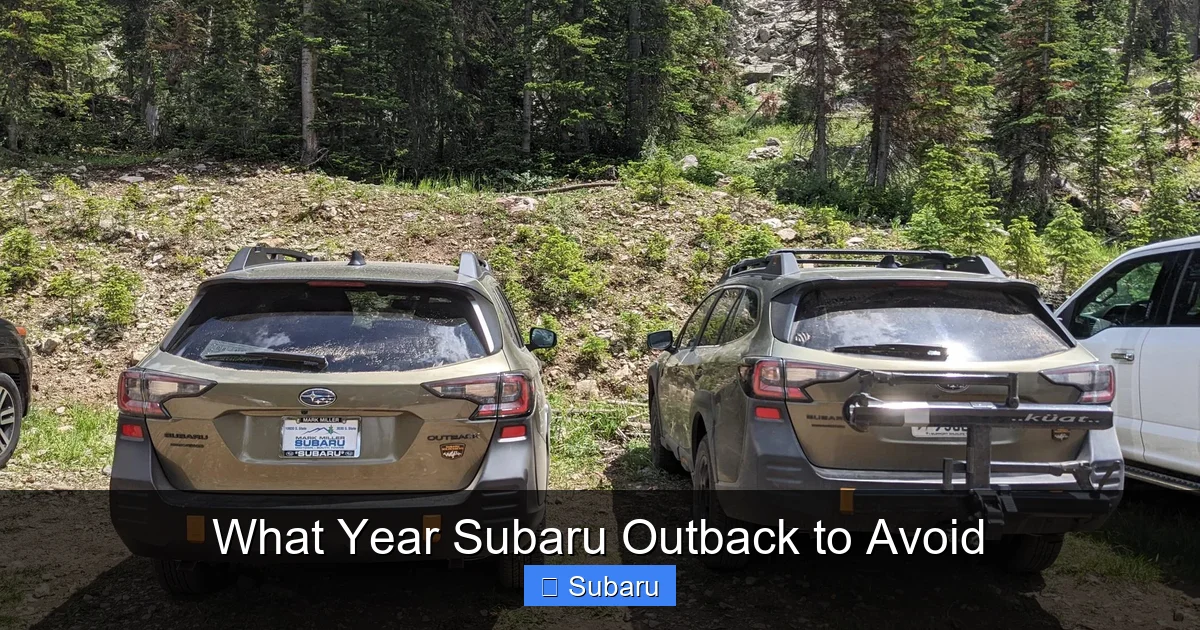
How to Spot a Healthy Used Subaru Outback
Even if you avoid the worst years, not every used Outback is created equal. Here’s how to find a reliable one, regardless of the model year.
Visual guide about What Year Subaru Outback to Avoid
Image source: i.imgur.com
Check the Maintenance History
A complete service record is one of the best indicators of a well-cared-for vehicle. Look for regular oil changes (every 5,000–7,500 miles), timing belt replacements (every 105,000 miles), and brake fluid flushes. Subaru recommends using synthetic oil, so make sure the previous owner followed that guideline.
Get a Pre-Purchase Inspection (PPI)
Never skip a PPI. A qualified mechanic can check for hidden issues like frame rust, suspension wear, and engine problems. They’ll also test the CVT (if equipped) for smooth operation and check for any TSBs or recalls.
Test Drive Thoroughly
Take the car on a variety of roads—highways, hills, and stop-and-go traffic. Listen for unusual noises, feel for vibrations, and pay attention to how the transmission shifts. A healthy Outback should accelerate smoothly and handle confidently.
Check for Recalls and TSBs
Visit the NHTSA website or Subaru’s official recall page to see if the vehicle has any open recalls. Also, ask the dealer or mechanic about any technical service bulletins (TSBs) related to the model year.
Consider Certified Pre-Owned (CPO)
Subaru’s CPO program includes a 152-point inspection, extended warranty, and roadside assistance. While CPO vehicles cost more, they offer peace of mind and protection against major repairs.
Best Years to Buy: Safe Bets for Used Outback Shoppers
If you’re looking for a used Outback that’s likely to give you years of trouble-free service, consider these model years:
- 2015–2017: The fifth-generation Outback fixed most of the previous issues. These models have a more reliable engine, improved CVT, and better build quality.
- 2018–2020: Even more refined, with updated infotainment, better fuel economy, and advanced safety features like EyeSight.
- 2021–2023: The latest generation offers a modern interior, turbocharged engine option, and top safety ratings. Still too new for long-term data, but early reliability is excellent.
These years strike a great balance between affordability, features, and reliability. Just remember to follow the same inspection steps—no car is 100% problem-free.
Conclusion: Make a Smart Choice
The Subaru Outback is a fantastic vehicle when you pick the right year. While it’s tempting to save money by buying an older or higher-mileage model, the wrong choice can lead to expensive repairs and constant stress. By avoiding the 2013–2014 models and being cautious with 2010–2012 and 2008–2009 years, you can dramatically reduce your risk of major issues.
Always do your homework, get a pre-purchase inspection, and look for a vehicle with a solid maintenance history. And if you’re unsure, consider a certified pre-owned model for added protection. With the right approach, you can enjoy all the benefits of the Outback—rugged capability, all-weather confidence, and long-term reliability—without the headaches.
Frequently Asked Questions
What is the most common problem with the Subaru Outback?
The most common issue across many model years is head gasket failure, especially in vehicles with the EJ25 engine. Symptoms include coolant leaks, overheating, and white exhaust smoke. Regular maintenance can help prevent this problem.
Is the 2013 Subaru Outback reliable?
The 2013 Subaru Outback is one of the least reliable years due to excessive oil consumption, head gasket failures, and CVT transmission problems. Many owners report needing major repairs before 100,000 miles.
Can a Subaru Outback last 200,000 miles?
Yes, many Subaru Outbacks reach 200,000 miles or more with proper maintenance. Key factors include timely oil changes, head gasket replacements, and avoiding the most problematic model years like 2013–2014.
What year Subaru Outback has the least problems?
The 2015–2020 models are considered the most reliable, with improved engines, transmissions, and build quality. These years have significantly fewer reported issues than earlier generations.
Should I avoid a used Subaru Outback with high mileage?
Not necessarily. A high-mileage Outback with a complete service history and no major repairs can still be a great buy. Focus on maintenance records and get a pre-purchase inspection to assess its condition.
Does the Subaru Outback have transmission problems?
Early CVT transmissions (2008–2014) had issues with overheating and shuddering. Later models (2015+) improved significantly. Always test drive the vehicle and check for software updates or TSBs related to the transmission.