What to Do If Your Jeep Gets Rained In

Contents
- 1 Key Takeaways
- 2 📑 Table of Contents
- 3 Oh No! Your Jeep Got Rained In—Now What?
- 4 Step 1: Immediate Actions—Don’t Panic, Prioritize
- 5 Step 2: Deep Interior Drying—Beyond the Surface
- 6 Step 3: Mechanical System Check—Oil, Fluids, and the Engine Bay
- 7 Step 4: Electrical System Scrutiny—Wires, Sensors, and Computers
- 8 Step 5: Prevention Strategies—Keep Future Rains Out
- 9 Step 6: When to Call a Professional—Red Flags You Shouldn’t Ignore
- 10 Conclusion: Your Jeep Can Weather the Storm
- 11 Frequently Asked Questions

Carburetor Cleaner

Car Dent Repair Kit

Engine Oil Additive

Rear View Camera
If your Jeep gets rained in, immediate action is crucial to avoid mold, corrosion, and mechanical damage. Start by removing standing water, drying all surfaces thoroughly, and checking critical fluids like oil and coolant for contamination. Don’t forget to inspect electrical components and consider professional help if you notice persistent issues or warning lights. Prompt, systematic handling can save your Jeep from long-term problems.
Key Takeaways
- Act Immediately: Water left sitting causes mold, mildew, and rust, escalating damage quickly.
- Dry Everything Thoroughly: Focus on carpets, seats, and hidden areas to prevent moisture traps.
- Check All Fluids: Rainwater can contaminate engine oil, transmission fluid, and differentials; look for milky discoloration.
- Inspect Electrical Systems: Water and electronics don’t mix; check wiring, sensors, and the battery for corrosion or shorts.
- Document for Insurance: Take photos and notes of the incident and damage for potential claims.
- Prevent Future Incidents: Use weatherproofing, sealants, and mindful parking habits to avoid repeat occurrences.
- Know When to Seek Help: If the engine ingested water or you see warning lights, consult a Jeep specialist immediately.
📑 Table of Contents
- Oh No! Your Jeep Got Rained In—Now What?
- Step 1: Immediate Actions—Don’t Panic, Prioritize
- Step 2: Deep Interior Drying—Beyond the Surface
- Step 3: Mechanical System Check—Oil, Fluids, and the Engine Bay
- Step 4: Electrical System Scrutiny—Wires, Sensors, and Computers
- Step 5: Prevention Strategies—Keep Future Rains Out
- Step 6: When to Call a Professional—Red Flags You Shouldn’t Ignore
- Conclusion: Your Jeep Can Weather the Storm
Oh No! Your Jeep Got Rained In—Now What?
So, you woke up to a surprise thunderstorm, or maybe you left your Jeep’s top or windows down during a sudden downpour. That sinking feeling in your stomach is real. Water inside a vehicle is never good, but in a Jeep—often used for off-road adventures and open-air fun—it’s a common worry. The good news? With quick, smart action, you can minimize damage and save yourself from expensive repairs. This isn’t just about drying seats; it’s about protecting your investment and ensuring your Jeep stays reliable for trails and streets alike.
Jeeps are built tough, but their interiors and sensitive systems aren’t designed to be aquariums. Water can seep into electronics, soak into insulation, and even find its way into the engine bay. Ignoring it leads to mold that smells like a wet dog forever, corroded wiring that causes ghost electrical gremlins, and mechanical failures that leave you stranded. We’ll walk through every step, from the first panicked moment to a full recovery, with practical tips you can do at home and signs that mean it’s time to call the pros.
Step 1: Immediate Actions—Don’t Panic, Prioritize
The first hour after discovering water inside your Jeep is the most critical. Your goal is to stop further absorption and start the drying process. Rushing can make things worse, so take a breath and follow these steps in order.

Visual guide about What to Do If Your Jeep Gets Rained In
Image source: koala.sh
Safety First: Assess and Secure
Before you dive in with towels, make sure the vehicle is safe. If the water level was high enough to reach the engine or electrical components, do not attempt to start the Jeep. Turning the key could short out systems or hydrolock the engine (more on that later). Instead, disconnect the negative battery terminal to cut power and prevent any accidental shorts. This is a crucial safety step that many overlook in their haste.
Next, document everything. Use your phone to take photos and videos of the interior, any standing water, and the surrounding area. This documentation is vital for insurance claims and will help a mechanic understand the extent of exposure later. Note the time it started raining and when you discovered the water.
Remove Standing Water and Wet Items
Now, physically remove as much water as possible. Start with the lowest points—floor mats, footwells, and the spare tire well if accessible. Pull out all removable floor mats and any cargo or personal items that got wet. Stuff wet clothing, towels, or bags into a separate plastic bag to prevent cross-contamination in your home or garage.
Use a wet/dry vacuum (shop vac) if you have one. It’s far more effective than a household vacuum for sucking up large volumes of water. Work slowly, moving the vacuum head in overlapping strokes to lift water from carpets and crevices. If you don’t have a shop vac, use thick towels or old blankets to soak up water by pressing down firmly and wringing them out repeatedly. For deeper water in wells or channels, a sponge or small bucket works.
Ventilate Aggressively
Once bulk water is gone, air circulation is your best friend. Open all doors and windows to create cross-ventilation. If it’s not raining anymore, let the Jeep air out in a covered, sunny spot if possible. Avoid direct, harsh sunlight on very wet surfaces initially, as it can cause rapid evaporation that traps moisture underneath; instead, aim for steady airflow. Consider using portable fans placed strategically inside to move air across seats and floorboards. If humidity is high, a dehumidifier in the garage with the Jeep can pull moisture from the air and materials.
Step 2: Deep Interior Drying—Beyond the Surface
Carpets and seats might feel dry to the touch, but moisture hides in padding, insulation, and behind panels. Incomplete drying is a one-way ticket to mold, mildew, and that persistent musty smell that seems impossible to eliminate. You need to be thorough.

Visual guide about What to Do If Your Jeep Gets Rained In
Image source: shunauto.com
Tackling Carpets and Padding
Jeep carpets are often thick and have padding underneath, which is a perfect sponge. After removing floor mats, lift the carpet if possible. In many Jeeps, the front carpets are held by clips or screws; consult your owner’s manual for removal tips. If you can’t remove it, you must dry it in place. Lift the edge and aim fans underneath. Use a moisture meter if you have one (affordable and handy for DIY) to check for dampness. Without one, press your hand firmly—if it feels cool or damp, it’s still wet.
For severe saturation, you may need to extract water from the padding. A carpet extraction machine (rentable from hardware stores) injects cleaning solution and then vacuums it out, pulling deep moisture. Alternatively, sprinkle a generous amount of baking soda over the carpet, let it sit for a few hours to absorb odors and moisture, then vacuum thoroughly. This helps but isn’t a substitute for proper drying.
Seats, Electronics, and Hidden Nooks
Remove the seats if you’re able. Jeep seats are usually bolted down; unbolt them to access the floor and seat tracks underneath. This allows air to circulate where it couldn’t before. Place seats in a dry, well-ventilated area. While seats are out, check the seatbelt mechanisms and tracks for water and dry them.
Electronic modules and wiring harnesses are often under the seats or in door panels. Inspect these areas for moisture. Use a soft, dry cloth to wipe away any droplets. Do not use heat guns or hair dryers on high, as they can melt components. A low-setting fan is safer. Pay special attention to the area under the dashboard and the center console, where water can pool around the HVAC controls and stereo.
The Long Wait: Patience is a Virtue
Drying can take days, even with fans. Keep the Jeep ventilated 24/7 for at least 48-72 hours. Replace wet towels with dry ones regularly. If you smell a musty odor after the first day, it’s a sign mold is starting; you may need an antimicrobial spray designed for automotive interiors (test on a hidden spot first). In extreme cases, replacing the carpet padding is the only sure fix, but that’s a last resort.
Step 3: Mechanical System Check—Oil, Fluids, and the Engine Bay
Water doesn’t just stay inside the cabin; it can get into the engine bay and vital lubricating systems. Checking these is non-negotiable after any significant water exposure, especially if the rain was heavy or the Jeep was driven through deep water.
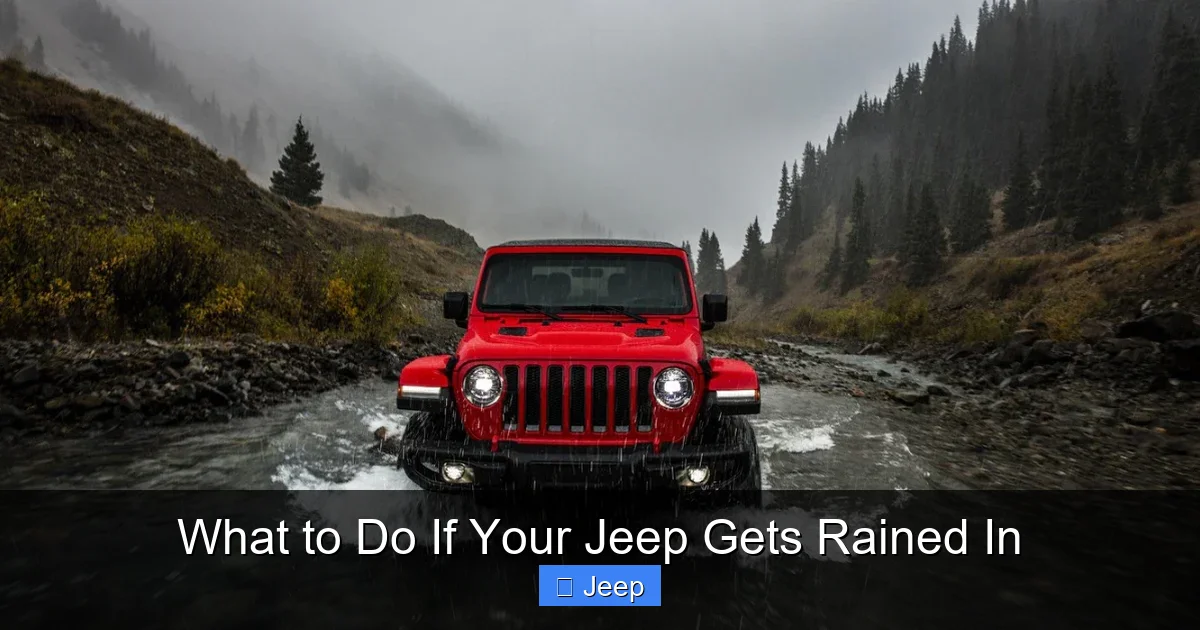
Visual guide about What to Do If Your Jeep Gets Rained In
Image source: suparee.com
Inspecting Engine Oil and Other Fluids
Water contamination in oil is a serious issue. It turns the oil a milky, frothy color, similar to a chocolate milkshake. This happens if water entered through the air intake (hydrolock risk) or via seals. Start by checking the engine oil dipstick. Pull it out, wipe it clean, reinsert fully, then pull again to check the color and level. If the oil looks anything other than clear amber (or black if it’s due for a change) and has a creamy texture, water has infiltrated. Do not start the engine.
Similarly, check the transmission fluid dipstick (if your Jeep has one; some automatics are sealed), differential fluid plugs, and coolant reservoir. Coolant should be bright green, orange, or pink, not cloudy or watery. If you suspect contamination in any fluid, it needs immediate flushing and replacement by a professional. Driving with watered-down oil or coolant leads to rapid wear and catastrophic failure. For more on fluid health, our guide on what to do if oil is low in your car covers checking procedures and risks, which is relevant because water can cause false low readings or dilution.
Examining the Engine Bay
Open the hood and look for standing water or mud in the engine bay. Water here isn’t automatically disastrous—Jeeps are designed to handle some splashing—but it depends on depth and duration. If water reached the air filter housing, it may have entered the intake. Check the air filter; if it’s wet, replace it immediately and have the intake system inspected. Look at spark plug wells; water here can cause misfires. If you see water, remove the coils and spark plugs (if comfortable) to dry them, or have a mechanic do it.
Inspect belts and pulleys for water or debris. While you’re there, check all electrical connectors in the bay for corrosion or moisture. A simple visual check can reveal problems before they cause a no-start condition.
The Hydrolock Hazard
This is the worst-case scenario: if your Jeep ingested a significant amount of water into the cylinders while running (like driving through deep water), it can hydrolock. Water doesn’t compress like air, so when the piston tries to compress it, it can bend connecting rods or crack blocks. Symptoms include a sudden, loud knock and the engine stalling immediately. If you suspect hydrolock, do not crank the engine. Have it towed to a shop for a compression test and possible rebuild.
Step 4: Electrical System Scrutiny—Wires, Sensors, and Computers
Modern Jeeps are packed with electronics: engine control units (ECUs), infotainment systems, sensors, and wiring harnesses. Water is their nemesis, causing shorts, corrosion, and erratic behavior. This section is often overlooked but can lead to months of frustration if not addressed.
Common Water-Related Electrical Issues
After drying the interior, test every electrical function. Turn on headlights, wipers, radio, HVAC, power windows, and locks. Do they work smoothly? Listen for unusual noises or see for warning lights on the dash. Intermittent failures are a red flag. For example, if the windows work sometimes and not others, a connector behind the door panel is likely corroded.
Check the battery terminals. If they’re wet or corroded (white, crusty residue), clean them with a battery terminal brush and a baking soda/water solution, then dry thoroughly. A wet battery can also drain faster or fail to hold a charge. If your Jeep won’t start after all this, the battery might be the culprit—our article on what to do if car battery is dead covers jump-starting, testing, and replacement tips that could save you a tow.
Hidden Water Traps and Corrosion
Water loves to hide behind door panels, under the dash, and in rocker panels. These areas can stay wet for weeks. Remove interior trim pieces if you’re comfortable; a trim removal tool set helps. Look for moisture, silt, or rust. If you find significant water or corrosion, it’s best to let a professional disassemble and treat those areas, as improper handling can break clips or damage wiring.
Pay attention to the vehicle’s computer modules. The main ECU is usually under the hood, but others exist inside (like for the HVAC or seats). If any module got wet, it might fail silently or cause multiple system errors. A dealership or specialist can scan for trouble codes that point to water-damaged sensors or modules.
Step 5: Prevention Strategies—Keep Future Rains Out
Once you’ve recovered from this incident, it’s time to prevent a repeat. A few simple habits and modifications can make your Jeep far more resistant to accidental water intrusion.
Seal and Weatherproof
Jeep soft tops and doors have seals that wear out. Regularly inspect the condition of door seals, window seals, and top seals. Look for cracks, gaps, or missing pieces. Clean them with mild soap and water, then apply a silicone-based spray sealant (like 303 Aerospace Protectant) to keep them supple and sealed. For hardtop Jeeps, check the roof panel seals and the windshield header seal.
Consider adding aftermarket drainage kits or improving existing drain tubes. Jeeps have drain holes for the floor, doors, and windshield cowl. These can clog with leaves and debris, causing water to back up inside. Clear them annually with a flexible wire or compressed air.
Mindful Parking and Habits
The simplest prevention is awareness. Never leave windows or the top down when rain is forecast. If you’re caught in a storm while driving, find safe shelter. Avoid driving through standing water deeper than the bottom of your Jeep’s doors—a general rule is no more than half the tire height. Water entering through the engine intake is a real risk at any depth if you drive through it.
Keep a “wet kit” in your Jeep: a small portable vacuum, microfiber towels, a zip-top bag for wet items, and a moisture absorber like DampRid. This lets you respond immediately if you get caught off-guard.
Step 6: When to Call a Professional—Red Flags You Shouldn’t Ignore
Not all water incidents require a mechanic, but some do. Ignoring serious issues can turn a $500 fix into a $5,000 engine replacement. Here are clear signs it’s time to pick up the phone.
Engine Starting Problems or Unusual Noises
If the engine cranks but won’t start, or if it starts but runs rough, shakes, or makes knocking sounds, stop trying. These indicate possible hydrolock or contaminated fuel/air systems. Have it towed. Similarly, if you see white smoke from the exhaust (steam) that doesn’t go away after warming up, it could mean water in the combustion chamber.
Persistent Electrical Gremlins
If, after drying, you experience multiple warning lights (ABS, ESP, check engine), erratic gauge behavior, or systems that fail intermittently, there’s likely corrosion in a major connector or module. A professional diagnostic scan is needed to pinpoint the source.
Mold and Odor That Won’t Quit
If you’ve dried everything thoroughly but still smell mildew, mold has taken root in inaccessible padding or insulation. This requires professional ozone treatment or, in severe cases, removal and replacement of affected components. Mold isn’t just smelly; it’s unhealthy.
For any situation where your Jeep becomes inoperable or you’re unsure of the extent, consult a Jeep specialist. They have tools to check for moisture in fluids, test electrical systems, and disassemble problem areas safely. And if you ever find yourself stranded due to a breakdown in bad weather, our roadside survival guide offers essential tips for staying safe while waiting for help.
Conclusion: Your Jeep Can Weather the Storm
Discovering your Jeep has been rained in is stressful, but it’s far from a death sentence for your vehicle. The key is swift, methodical action. By removing water quickly, drying every nook and cranny, checking fluids and electronics, and knowing when to seek help, you can prevent the vast majority of long-term damage. Remember, Jeeps are resilient—they’re built to handle trails, rocks, and mud. A little rainwater, when handled correctly, is just another obstacle you can overcome.
Make drying a priority, don’t cut corners, and stay vigilant for warning signs. With the steps outlined here, you’ll not only save your Jeep from this incident but also become better prepared for whatever weather comes next. Keep those seals maintained, park smart, and keep a wet kit handy. Your Jeep will thank you with years of reliable, open-air adventures.
Frequently Asked Questions
Will my Jeep be totaled if it gets rained in?
Unlikely. Total loss usually involves severe flooding where water reaches the engine, transmission, and electronics extensively. Minor interior rain is generally repairable, though extensive mold or hydrolock could be costly.
How long does it take to completely dry out a Jeep interior?
With aggressive ventilation and fans, surface drying takes 24-48 hours, but deep padding and insulation may require 3-7 days. Using dehumidifiers and removing seats speeds up the process significantly.
Can rainwater damage my Jeep’s engine if it gets in the air intake?
Yes. If enough water enters the intake while the engine is running, it can cause hydrolock, which bends parts and requires major repair. If you suspect this, do not start the engine and have it towed.
What’s the first thing I should check after finding water in my Jeep?
First, disconnect the battery to prevent electrical shorts. Then, remove all standing water and wet items, and begin drying. After initial drying, check engine oil for a milky color as a sign of water contamination.
Does car insurance cover interior water damage from rain?
It depends on your policy. Comprehensive coverage typically covers “acts of nature” like sudden rain through an open window, but not damage from negligence (like leaving windows down in a forecasted storm). Always check with your insurer and have documentation.
How can I prevent the musty smell after water exposure?
Thorough, complete drying is essential. Use fans, dehumidifiers, and moisture absorbers. Apply an antimicrobial interior spray after drying. If the smell persists, mold may be in the padding, requiring professional treatment or replacement.