Low Car Battery Here Is What To Do Now
A low or dead car battery is a common but solvable problem. Your immediate options are to jump-start the car using jumper cables and another vehicle, or a portable jump starter. Once running, you must drive to recharge the battery and diagnose the underlying cause, which could be anything from leaving lights on to a failing alternator, to prevent it from happening again.
In This Article
- 1 Key Takeaways
- 2 📑 Table of Contents
- 3 Low Car Battery? Here Is What To Do Now
- 4 Step 1: Confirm the Problem and Stay Safe
- 5 Step 2: Your Two Immediate Solutions: Jump-Starting
- 6 Step 3: After the Jump-Start – The Critical Next Steps
- 7 Step 4: Diagnose Why Your Car Battery Was Low
- 8 Step 5: Get a Professional Battery and System Test
- 9 Step 6: Prevent a Low Car Battery in the Future
- 10 Conclusion: Be Prepared, Not Scared
- 11 Frequently Asked Questions
- 11.1 Can I jump-start a completely dead car battery?
- 11.2 How long should I drive after a jump-start to recharge the battery?
- 11.3 What if my car dies again right after a successful jump-start?
- 11.4 Is it safe to jump-start a modern car with lots of electronics?
- 11.5 Can a car battery recharge itself by sitting?
- 11.6 How often should I replace my car battery?
Key Takeaways
- Safety First: Always wear protective gear, ensure vehicles are not touching, and connect jumper cables in the correct, specific order to avoid sparks, damage, or injury.
- Jump-Start is a Temporary Fix: Jump-starting gets your car running, but it does not fix a failing battery or charging system. You must drive to recharge the battery and get it tested.
- Identify the Root Cause: A low car battery is often a symptom. Common causes include parasitic drains, a faulty alternator, old age, or simply leaving accessories on.
- Invest in a Portable Jump Starter: A compact, lithium-ion jump pack is a wise investment for self-rescue, eliminating the need for a second vehicle and providing peace of mind.
- Professional Testing is Crucial: Have your battery and alternator tested for free at an auto parts store or by a mechanic to determine if replacement is needed.
- Prevent Future Issues: Regular short-trip drivers should use a battery maintainer, ensure terminals are clean and tight, and turn off all lights and accessories when exiting the vehicle.
📑 Table of Contents
- Low Car Battery? Here Is What To Do Now
- Step 1: Confirm the Problem and Stay Safe
- Step 2: Your Two Immediate Solutions: Jump-Starting
- Step 3: After the Jump-Start – The Critical Next Steps
- Step 4: Diagnose Why Your Car Battery Was Low
- Step 5: Get a Professional Battery and System Test
- Step 6: Prevent a Low Car Battery in the Future
- Conclusion: Be Prepared, Not Scared
Low Car Battery? Here Is What To Do Now
You turn the key. Or you push the start button. Instead of the happy roar of your engine, you hear a dreaded clicking sound. Maybe the dashboard lights flicker weakly. Perhaps there’s just silence. Your heart sinks. A low car battery has struck at the worst possible time.
Take a deep breath. This happens to almost everyone. A low or dead car battery is one of the most common car problems. The good news? You can almost always handle it yourself. This guide will walk you through exactly what to do, step-by-step. We will cover how to get moving again, how to figure out why it happened, and how to stop it from happening next time.
Think of this as your friendly roadside rescue manual. We will keep it simple, safe, and clear. Let’s get your car back on the road.
Step 1: Confirm the Problem and Stay Safe
Before you grab any cables, make sure the battery is the real issue. A few signs are classic for a low car battery. The engine cranks very slowly or makes a rapid clicking noise. The headlights are extremely dim. The interior dome light is weak. If you have a modern car, the electronic dash might go haywire or not light up at all.
Visual guide about Low Car Battery Here Is What To Do Now
Image source: support.nextbase.com
Quickly check for simple oversights. Is the headlight switch on? Is a door not fully closed, keeping the dome light on? Is a phone charger or other device plugged in? Sometimes the fix is that easy.
Prioritize Your Safety
Working with car batteries requires caution. Always put on safety glasses and gloves if you have them. Batteries contain sulfuric acid that can splash. They also produce hydrogen gas, which is flammable. No open flames or smoking nearby! Make sure the car is in “Park” (or gear for manual) with the parking brake on. This is your first and most important step.
Step 2: Your Two Immediate Solutions: Jump-Starting
Once you know the battery is low, you have two main paths to get the engine started: the classic jumper cable method or using a portable jump starter. We will detail both.

Visual guide about Low Car Battery Here Is What To Do Now
Image source: static.vecteezy.com
Method A: Jump-Start with Another Car and Jumper Cables
This is the traditional approach. You will need a set of jumper cables and a friend with a working vehicle. Here is the safe, correct sequence. Getting the order wrong can cause sparks or damage.
- Position the Cars: Park the working car close to yours, but do not let the vehicles touch. Ensure both cars are turned off.
- Connect RED to DEAD: Take the RED (positive +) clamp. Connect it to the positive terminal on your dead battery. It usually has a red cover or a “+” sign.
- Connect RED to GOOD: Connect the other RED clamp to the positive terminal on the good battery in the helper car.
- Connect BLACK to GOOD: Take the BLACK (negative -) clamp. Connect it to the negative terminal on the good battery.
- Connect BLACK to METAL: This is the critical safety step. DO NOT connect the final black clamp to your dead battery’s negative terminal. Instead, connect it to an unpainted, solid metal part of your car’s engine block or chassis. A bolt or bracket works perfectly. This provides a ground and minimizes sparking near the battery.
- Start the Helper Car: Start the engine of the working car and let it run for 2-3 minutes. This allows its alternator to begin charging your weak battery.
- Start Your Car: Now, try to start your car. It should crank and start. If it doesn’t, wait another minute or two and try again. Check cable connections if it fails.
- Disconnect in REVERSE Order: Once your car is running, carefully remove the cables in the exact opposite order: 1) Black clamp from your car’s metal ground, 2) Black clamp from the helper car’s battery, 3) Red clamp from the helper car’s battery, 4) Red clamp from your battery.
Method B: Jump-Start with a Portable Jump Starter
This is the modern, easier, and often safer solution. A portable jump starter is a compact lithium-ion battery pack with built-in smart cables. It’s a fantastic tool to keep in your trunk.
The process is similar but simpler. Turn off your car. Plug the clamps into the jump pack. Connect the red clamp to your battery’s positive terminal. Connect the black clamp to an unpainted metal ground on your car (just like before). Turn the jump pack on. Wait a moment for it to recognize the connection, then start your car. It should fire right up. Disconnect the clamps, and you’re done. No second car needed!
Step 3: After the Jump-Start – The Critical Next Steps
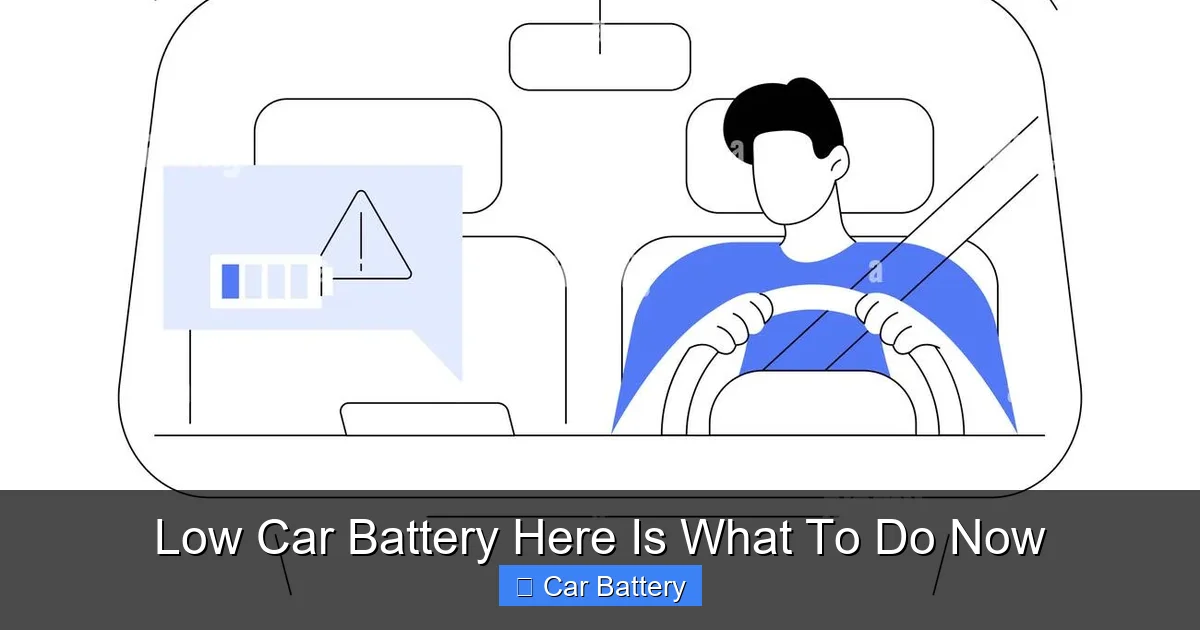
Congratulations, your engine is running! But your job is not finished. A jump-start is only a temporary boost. It is like giving a tired runner a quick energy drink. They can run now, but they need real food and rest soon.
Visual guide about Low Car Battery Here Is What To Do Now
Image source: c8.alamy.com
Do not turn your car off right away. You need to recharge the battery. The way to do this is by driving. Your car’s alternator generates electricity to power the car and refill the battery.
The Recharge Drive
You need to drive for a substantial amount of time. A quick 5-minute trip to the store will not cut it. Aim for at least 20-30 minutes of continuous driving on highways or open roads. This allows the alternator to run at a steady, higher RPM and effectively charge the battery. Avoid using heavy power accessories like the stereo, seat heaters, and rear defroster during this drive if you can.
This drive serves two purposes. It recharges the battery, and it tests the charging system. If your battery was low simply because you left a light on, this drive may fully restore it. If the problem is deeper, you will soon find out.
Step 4: Diagnose Why Your Car Battery Was Low
Batteries don’t just die for no reason. Finding the “why” is key to a permanent fix. Here are the most common culprits.
Common Cause 1: Human Error (The “Oops” Factor)
This is the most frequent reason for a single, sudden dead battery. You accidentally left something on. Interior lights, headlights (especially daytime running lights that don’t auto-off), trunk lights, or even a plugged-in dash cam can drain a battery overnight. Be vigilant when exiting your car.
Common Cause 2: An Old or Weak Battery
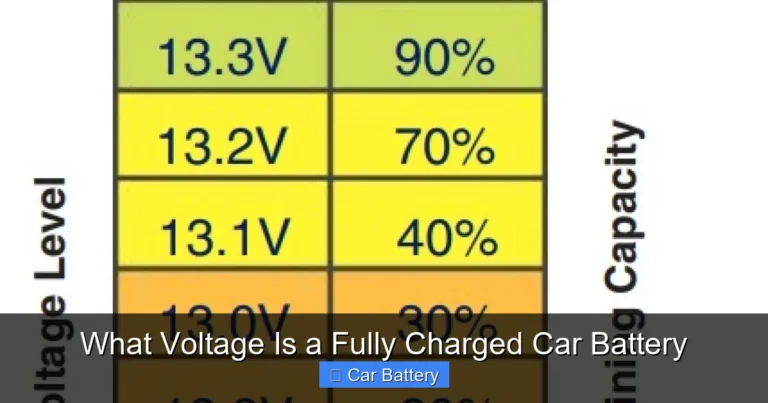
Car batteries have a finite lifespan, typically 3-5 years. As they age, their ability to hold a full charge diminishes. Extreme heat and cold accelerate this aging. An old battery might work fine in summer but fail on the first cold morning of winter. Age is a very common reason for a low car battery.
Common Cause 3: A Failing Alternator
The alternator is your battery’s charger while the engine runs. If it fails, it stops replenishing the battery. Even a brand-new battery will go dead if the alternator is bad. A telltale sign is the battery warning light on your dashboard staying on while driving. After a jump-start, if your car dies again while driving, the alternator is the prime suspect.
Common Cause 4: Parasitic Drain
This is a sneaky electrical draw that happens when the car is off. A faulty switch, a bad module, or an aftermarket accessory (like an alarm or stereo) can slowly suck power from the battery over hours or days. This is often the cause when a battery dies repeatedly for no apparent reason.
Common Cause 5: Short Trips and Inactivity
If you only drive short distances (under 15 minutes), the alternator doesn’t have enough time to fully recharge the battery used to start the car. Over time, this leads to a chronically undercharged battery. Similarly, letting a car sit unused for weeks will result in a low car battery due to natural self-discharge.
Step 5: Get a Professional Battery and System Test
You have jumped the car and driven it. Now you need answers. The best and easiest step is to get a free battery and charging system test.
Most major auto parts stores (like AutoZone, O’Reilly, Advance Auto Parts) offer this service for free. They will use a professional load tester to check your battery’s health and a meter to test the alternator’s output. This takes 5 minutes and tells you exactly what component has failed.
If the test shows a “bad battery,” you need a replacement. You can buy one on the spot and often have them install it for free. If the test shows a “bad alternator” or a parasitic drain, you will need to see a mechanic for repairs. This test removes all the guesswork.
Step 6: Prevent a Low Car Battery in the Future
An ounce of prevention is worth a pound of jump-starts. Here’s how to avoid this headache next time.
For All Drivers
- Be Mindful of Accessories: Make a habit of checking that lights, fans, and plugs are off when you exit.
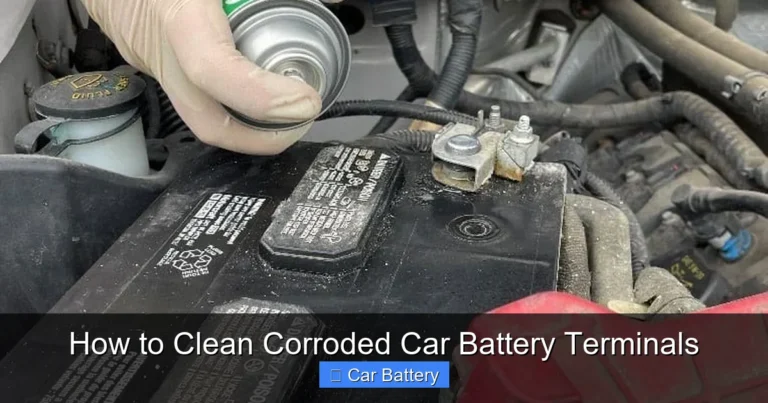
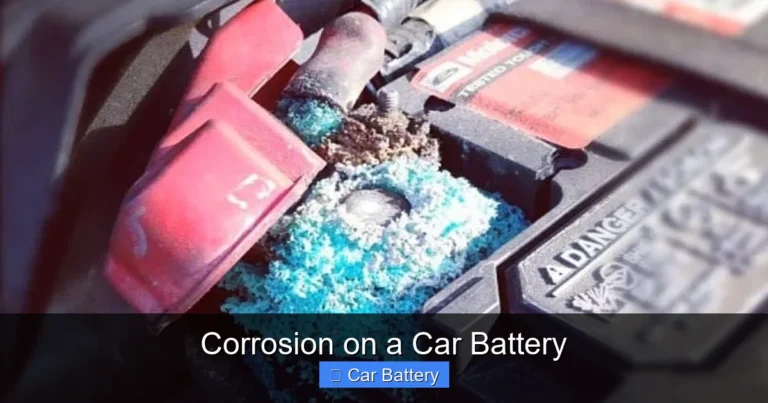
- Keep Terminals Clean: Periodically check battery terminals for white, blue, or green corrosion. Clean them with a wire brush and a baking soda/water solution for better connection.
- Know Your Battery’s Age: Check the date sticker on your battery. If it’s over 4 years old, start planning for a replacement, especially before winter.
For Short-Trip Drivers and Parked Cars
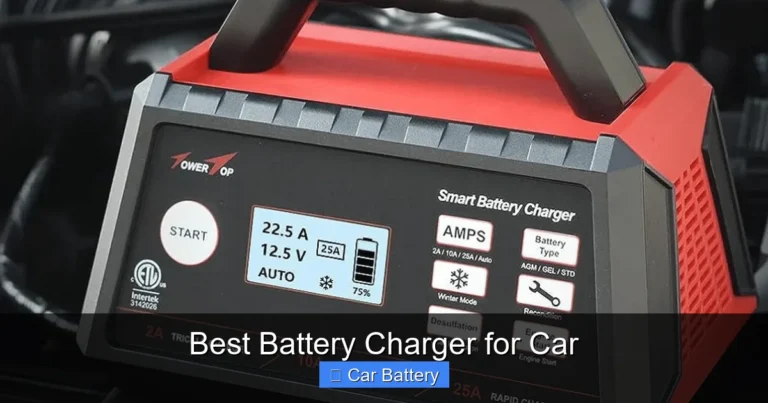
- Use a Battery Maintainer: Also called a “trickle charger,” this device plugs into a wall outlet and connects to your battery to keep it at 100% charge. It’s perfect for cars that sit for long periods or are only driven short distances.
- Take a Weekly Highway Drive: Make a conscious effort to take a 30-minute drive once a week to fully recharge the battery.
Essential Investment: A Portable Jump Starter
Buying a quality portable jump starter is one of the best investments for any driver. It gives you complete independence. You don’t need to flag down a stranger or wait for a friend. Many modern packs are small, affordable, and also serve as power banks for your phone and have built-in flashlights. Keep it charged in your glove box or trunk.
Conclusion: Be Prepared, Not Scared
A low car battery is an inconvenience, not a catastrophe. Now you know exactly what to do. Remember the core steps: stay safe, jump-start correctly, drive to recharge, diagnose the cause, and get a professional test. Understanding why your battery was low is the key to a lasting solution.
Equip yourself with a little knowledge and the right tool—a portable jump starter. Then, you can face that clicking sound with confidence, not dread. You have the power to handle this common problem quickly and get back to your day. Safe driving!
Frequently Asked Questions
Can I jump-start a completely dead car battery?
Yes, you can usually jump-start a completely dead battery, as long as it is not physically damaged (cracked or leaking). The process is the same. However, if the battery is very old or internally failed, it may not accept the charge and your car will not stay running after the jump-start cables are removed, indicating the battery needs replacement.
How long should I drive after a jump-start to recharge the battery?
You should drive for at least 20 to 30 minutes at highway speeds without stopping. This gives the alternator sufficient time at a high enough RPM to put a meaningful charge back into the battery. Short city driving with frequent stops is much less effective.
What if my car dies again right after a successful jump-start?
If your car starts with a jump but then stalls or dies once you remove the cables or while driving, the problem is almost certainly not the battery itself. The most likely cause is a failed alternator that is not generating power to run the car or recharge the battery. Have your charging system tested immediately.
Is it safe to jump-start a modern car with lots of electronics?
Yes, it is safe if you follow the correct procedure, especially the step of grounding the final black clamp to the chassis instead of the dead battery’s negative terminal. This minimizes voltage spikes. Using a modern “smart” portable jump starter is often considered safer, as they have built-in protections against reverse polarity and surges.
Can a car battery recharge itself by sitting?
No, a car battery cannot recharge itself. It requires an external charging source—either your car’s alternator while driving or a dedicated battery charger plugged into a wall outlet. Letting a dead battery sit will only cause it to discharge further and can lead to permanent sulfation damage.
How often should I replace my car battery?
Most car batteries last between 3 and 5 years. It’s a good practice to have your battery tested annually starting at the 3-year mark, especially before extreme weather seasons. Proactive replacement around the 4-year mark can prevent the inconvenience of an unexpected failure.