What Terminal to Connect First on Car Battery

Connecting the positive terminal first when working on a car battery is a critical safety step. This simple practice helps prevent sparks, short circuits, and potential injury. Whether you’re jump-starting or replacing a battery, following the right sequence keeps you and your vehicle safe.
In This Article
- 1 Key Takeaways
- 2 📑 Table of Contents
- 3 Why the Order Matters When Connecting Car Battery Terminals
- 4 Understanding Car Battery Basics
- 5 The Correct Sequence: Connecting the Battery Terminals
- 6 The Correct Sequence: Disconnecting the Battery Terminals
- 7 Safety Tips and Common Mistakes to Avoid
- 8 When to Replace Your Car Battery
- 9 Conclusion
- 10 Frequently Asked Questions
- 10.1 Why should I connect the positive terminal first?
- 10.2 What happens if I connect the negative terminal first?
- 10.3 Can I connect both terminals at the same time?
- 10.4 Is it safe to jump-start a car without following the correct order?
- 10.5 Do I need special tools to connect a car battery?
- 10.6 How often should I check my car battery?
Key Takeaways
- Always connect the positive terminal first: This reduces the risk of sparking near the battery, which can ignite flammable gases.
- Disconnect the negative terminal first when removing: This minimizes the chance of accidentally grounding tools and causing a short circuit.
- Use proper tools and safety gear: Insulated wrenches and gloves protect you from electrical shock and acid exposure.
- Follow manufacturer guidelines: Some vehicles have specific procedures—always check your owner’s manual.
- Clean terminals before connecting: Corrosion can interfere with conductivity and cause starting issues.
- Ensure the vehicle is off during installation: Prevents accidental short circuits and protects the electrical system.
- Double-check connections after installation: Loose terminals can lead to poor performance or battery failure.
📑 Table of Contents
Why the Order Matters When Connecting Car Battery Terminals
Working on a car battery might seem straightforward—after all, it’s just two cables and two terminals, right? But if you’ve ever seen a spark fly when connecting a battery, you know there’s more to it than meets the eye. The sequence in which you connect and disconnect battery terminals isn’t just a suggestion—it’s a safety protocol that can prevent accidents, damage to your vehicle, and even serious injury.
Car batteries store a lot of electrical energy. A typical 12-volt car battery can deliver hundreds of amps, especially when starting the engine. While that power is essential for getting your car running, it also poses risks if mishandled. One of the most common mistakes people make is connecting the negative terminal first, or worse, touching both terminals at the same time with a metal tool. This can create a short circuit, leading to sparks, heat, and even an explosion in rare cases due to hydrogen gas buildup around the battery.
So, what’s the right way? The golden rule is simple: always connect the positive terminal first and disconnect the negative terminal first. This sequence may seem counterintuitive at first—why not start with the ground?—but it’s rooted in electrical safety principles. By connecting the positive (red) cable first, you minimize the chance of creating a complete circuit through your tools or body. When the negative terminal is the last to be connected, there’s less risk of accidental grounding.
Let’s say you’re jump-starting a dead battery. If you connect the negative cable to the dead battery first and then touch the positive clamp to the positive terminal, a spark could occur right at the battery. That spark, in the presence of hydrogen gas—which batteries naturally emit—can ignite and cause an explosion. But if you connect the positive first, and only attach the negative last (especially to a grounded metal part of the engine block, not the battery terminal itself), you significantly reduce that risk.
This isn’t just theory. Mechanics and automotive experts have been following this protocol for decades. It’s taught in auto shop classes, included in vehicle manuals, and emphasized in safety training. Whether you’re replacing a battery, jump-starting a car, or performing routine maintenance, getting the order right is a small step that makes a big difference.
Understanding Car Battery Basics
Visual guide about What Terminal to Connect First on Car Battery
Image source: thedailyautomotive.com
Before diving into the “how” of connecting terminals, it helps to understand the “why” behind the design of a car battery. A car battery is essentially a rechargeable power source that provides the electrical energy needed to start the engine and run various components like lights, radio, and climate control when the engine is off.
Most modern vehicles use a 12-volt lead-acid battery. Inside, it contains six cells, each producing about 2 volts, connected in series. These cells are filled with a mixture of sulfuric acid and water (electrolyte) and contain lead plates. When the battery discharges, a chemical reaction occurs, releasing electrons that flow through the electrical system. When the alternator recharges the battery, the reaction reverses.
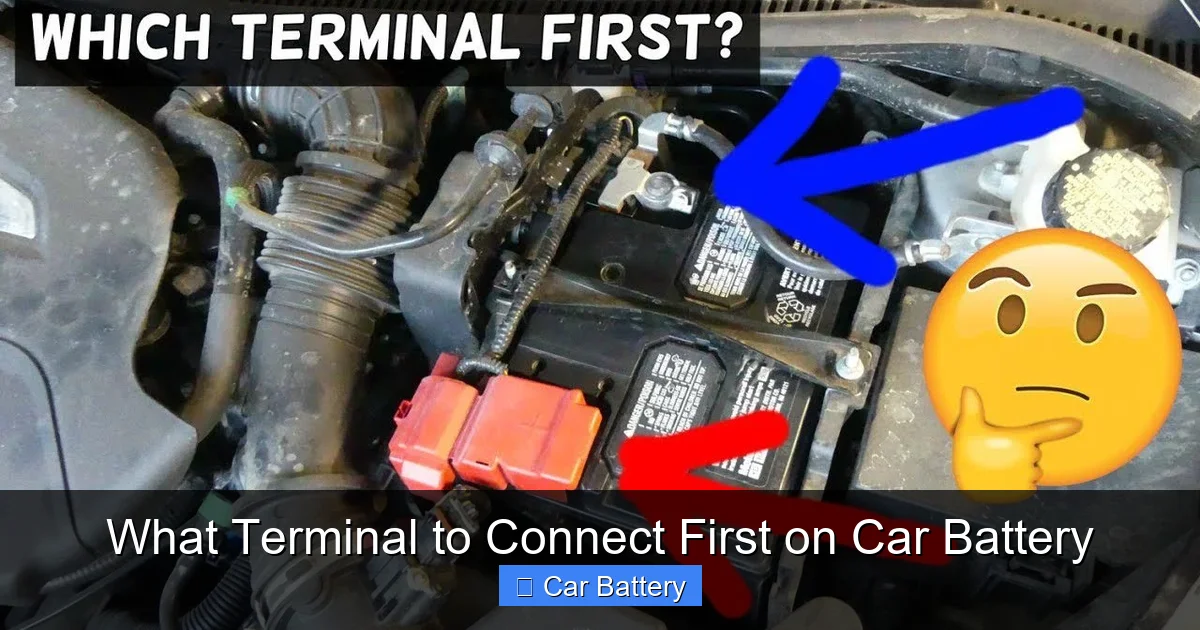
Each battery has two terminals: positive (+) and negative (−). The positive terminal is usually marked with a red cover or a “+” symbol and is connected to the red cable. The negative terminal is typically black or marked with a “−” and connects to the black cable. The negative terminal is also connected to the vehicle’s chassis, which acts as a ground—meaning electricity can flow through the metal frame back to the battery, completing the circuit.
This grounding system is why the order of connection matters so much. The chassis is always “live” in a sense when the battery is connected. If you touch a metal tool to the positive terminal while the negative is already connected, you create a direct path for current to flow—through the tool, through you, or through the vehicle’s frame. That’s how sparks fly and damage occurs.
Understanding this flow helps explain why connecting the positive first is safer. When only the positive terminal is connected, the circuit isn’t complete. There’s no path for current to flow back to the battery because the negative side isn’t attached yet. This reduces the risk of accidental short circuits.
It’s also worth noting that batteries can emit hydrogen gas, especially when charging or overheating. This gas is highly flammable. A small spark near the battery—like one caused by improper connection—can ignite it. That’s why working in a well-ventilated area and avoiding open flames or sparks is crucial.
The Correct Sequence: Connecting the Battery Terminals
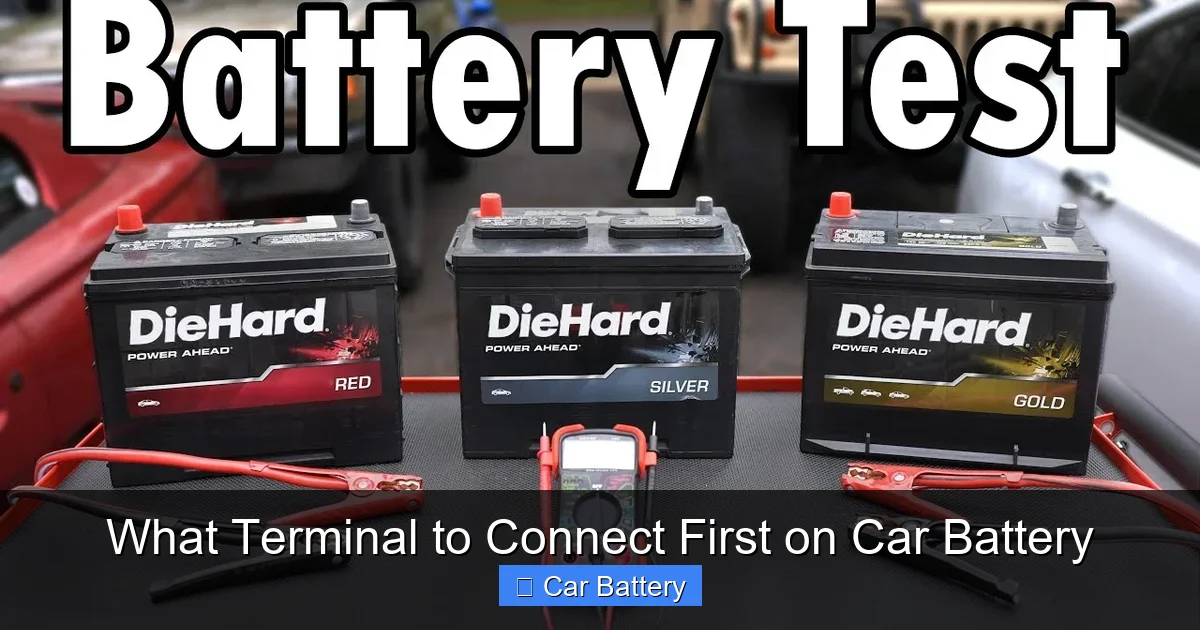
Visual guide about What Terminal to Connect First on Car Battery
Image source: revivalcar.com
Now that we’ve covered the basics, let’s walk through the correct sequence for connecting a car battery. Whether you’re installing a new battery or reconnecting after maintenance, following these steps will keep you safe and protect your vehicle.
Step 1: Prepare the Area and Tools
Before touching anything, make sure the vehicle is turned off. Remove the keys from the ignition and, if possible, disconnect any aftermarket electronics like dash cams or GPS units. Open the hood and locate the battery. Most batteries are under the hood, but some vehicles (like certain BMWs or Hondas) have them in the trunk or under a seat.
Gather your tools: a wrench or socket set (usually 10mm or 13mm), wire brush, baking soda and water (for cleaning corrosion), and safety gear like gloves and safety glasses. Insulated tools are ideal because they reduce the risk of accidental grounding.
Step 2: Clean the Terminals and Cables
Over time, battery terminals can accumulate corrosion—a white, green, or blue powdery substance. This buildup can interfere with electrical conductivity and cause starting problems. To clean it, mix a tablespoon of baking soda with a cup of water and apply it to the terminals with an old toothbrush. Scrub gently until the corrosion dissolves, then rinse with clean water and dry thoroughly.
Inspect the cables for fraying, cracks, or loose connections. Damaged cables should be replaced before reconnecting the battery.
Step 3: Connect the Positive Terminal First
Now it’s time to connect the battery. Start with the positive terminal. Place the red (positive) cable clamp over the positive terminal and tighten it securely with your wrench. Make sure it’s snug but don’t over-tighten, as this can damage the terminal.
Why positive first? Because at this point, the negative terminal is still disconnected. The circuit is incomplete, so there’s no path for current to flow. Even if your wrench touches the car’s frame or another metal part, nothing will happen because the circuit isn’t closed.
Step 4: Connect the Negative Terminal Last
Once the positive terminal is secure, move to the negative terminal. Place the black (negative) cable clamp over the negative terminal and tighten it. Again, ensure it’s secure but not over-tightened.
This step completes the circuit. Now electricity can flow from the battery, through the vehicle’s electrical system, and back through the chassis to the negative terminal. Because you connected the positive first, the risk of sparking at the battery is minimized.
Step 5: Double-Check Connections
After both terminals are connected, give each cable a gentle tug to make sure they’re secure. Loose connections can cause intermittent power issues, flickering lights, or failure to start.
You can also use a multimeter to check voltage if you want to be extra sure. A fully charged battery should read around 12.6 volts when the car is off.
Special Case: Jump-Starting a Dead Battery
Jump-starting follows a slightly different but related sequence. When using jumper cables and a donor vehicle:
1. Connect the red clamp to the positive terminal of the dead battery.
2. Connect the other red clamp to the positive terminal of the good battery.
3. Connect the black clamp to the negative terminal of the good battery.
4. Connect the final black clamp to an unpainted metal surface on the dead car’s engine block—not the negative terminal. This acts as a ground and reduces sparking near the battery.
Start the donor car, let it run for a few minutes, then try starting the dead car. Once running, disconnect in reverse order: black from ground, black from donor, red from donor, red from dead battery.
The Correct Sequence: Disconnecting the Battery Terminals

Visual guide about What Terminal to Connect First on Car Battery
Image source: cdn.shopify.com
Just as important as connecting in the right order is disconnecting safely. When removing a battery—whether for replacement, charging, or repair—the sequence is reversed: disconnect the negative terminal first, then the positive.
Why Disconnect Negative First?
Disconnecting the negative terminal first breaks the ground connection. This means that even if your wrench accidentally touches the car’s frame while loosening the positive terminal, there’s no complete circuit, so no spark will occur.
If you were to disconnect the positive first while the negative is still connected, and your tool touches the chassis, you’d create a short circuit. The current would flow from the positive terminal, through the tool, into the chassis, and back to the negative terminal—potentially causing a spark, damaging electronics, or even starting a fire.
Step-by-Step Disconnection
1. Turn off the vehicle and remove the keys.
2. Loosen the negative (black) cable clamp with your wrench and remove it from the terminal.
3. Move the cable aside so it can’t accidentally touch the terminal.
4. Repeat the process for the positive (red) cable.
5. Once both cables are disconnected, you can safely remove the battery.
Always store the battery in a secure, upright position. Lead-acid batteries contain corrosive acid, so avoid tipping or puncturing them.
Safety Tips and Common Mistakes to Avoid
Even with the right sequence, working on a car battery comes with risks. Here are some essential safety tips and common mistakes to avoid.
Wear Protective Gear
Always wear safety glasses and gloves. Battery acid can cause burns, and sparks can damage eyes. If acid gets on your skin, rinse immediately with plenty of water.
Work in a Well-Ventilated Area
Batteries emit hydrogen gas, which is flammable. Avoid working in enclosed spaces or near open flames, sparks, or cigarettes.
Use Insulated Tools
Insulated wrenches and pliers reduce the risk of accidental grounding. Avoid using tools with exposed metal handles.
Don’t Smoke or Use Open Flames
This might seem obvious, but it’s worth repeating: no smoking, lighters, or welding near a battery.
Avoid Metal Jewelry
Rings, watches, and bracelets can conduct electricity. Remove them before working on the battery.
Never Connect Cables Backwards
Reversing the polarity—connecting positive to negative and vice versa—can destroy the vehicle’s electrical system, including the alternator, computer, and fuses. Double-check cable colors and markings before connecting.
Don’t Over-Tighten Terminals
Over-tightening can crack the terminal or damage the battery post. Tighten just enough to secure the connection.
Check for Recalled Batteries
Some batteries are subject to recalls due to defects. Check the manufacturer’s website or the National Highway Traffic Safety Administration (NHTSA) database if you’re unsure.
When to Replace Your Car Battery
Even with proper handling, car batteries don’t last forever. Most last between 3 to 5 years, depending on climate, driving habits, and maintenance. Here are signs it might be time for a replacement:
– Slow engine crank: The engine turns over slowly or struggles to start.
– Check engine or battery warning light: This could indicate a charging system issue.
– Swollen battery case: Heat can cause the battery to expand.
– Corrosion buildup: Excessive corrosion may indicate internal damage.
– Age: If your battery is over 4 years old, consider testing it annually.
You can test your battery at home with a multimeter or visit an auto parts store for a free load test. If the voltage drops below 12.4 volts when the car is off, or if it fails the load test, it’s time for a new one.
Conclusion
Knowing what terminal to connect first on a car battery isn’t just about following a rule—it’s about safety, efficiency, and protecting your vehicle. By connecting the positive terminal first and disconnecting the negative first, you minimize the risk of sparks, short circuits, and potential injury. This simple habit, combined with proper tools, cleaning, and awareness, ensures that every battery-related task goes smoothly.
Whether you’re jump-starting a dead battery, replacing an old one, or performing routine maintenance, take the time to do it right. Your safety, your car, and your peace of mind are worth the extra few seconds it takes to follow the correct sequence. Remember: positive first, negative last—every time.
Frequently Asked Questions
Why should I connect the positive terminal first?
Connecting the positive terminal first reduces the risk of sparking near the battery. Since the negative terminal is disconnected, there’s no complete circuit, preventing accidental short circuits if tools touch metal parts.
What happens if I connect the negative terminal first?
Connecting the negative first increases the chance of sparking when the positive is connected. If a tool touches the car’s frame while handling the positive cable, it can create a short circuit, potentially damaging electronics or causing injury.
Can I connect both terminals at the same time?
No, you should never connect both terminals simultaneously. Always follow the sequence: positive first, then negative. This prevents sparks and ensures a safe, controlled connection.
Is it safe to jump-start a car without following the correct order?
No, skipping the proper sequence during a jump-start can cause sparks near the battery, which may ignite hydrogen gas. Always connect positive to positive, then negative to a grounded metal surface—not the dead battery’s negative terminal.
Do I need special tools to connect a car battery?
While basic wrenches work, insulated tools are safer because they reduce the risk of accidental grounding. Always wear gloves and safety glasses for added protection.
How often should I check my car battery?
Check your battery at least once a year, especially if it’s over 3 years old. Look for corrosion, loose connections, and test voltage with a multimeter. Many auto parts stores offer free battery testing.