What Size Are Toyota Lug Nuts?

Contents
- 1 Key Takeaways
- 2 📑 Table of Contents
- 3 What Size Are Toyota Lug Nuts? A Complete Guide
- 4 Understanding Lug Nut Basics
- 5 Standard Toyota Lug Nut Sizes
- 6 Model-Specific Lug Nut Sizes
- 7 Aftermarket Wheels and Lug Nut Compatibility
- 8 How to Identify Your Toyota’s Lug Nut Size
- 9 Replacing and Maintaining Toyota Lug Nuts
- 10 Conclusion
- 11 Frequently Asked Questions

Car Paint Touch Up Pen

Tire Pressure Monitoring System (TPMS)

Car Interior LED Light

Side Mirror Rain Guard
Toyota lug nuts vary by model and year, but most use a 12×1.5 thread pitch with a 21mm or 22mm hex size. Knowing the right size ensures safe wheel installation and prevents damage during maintenance.
Key Takeaways
- Standard Thread Pitch: Most Toyota vehicles use a 12×1.5 thread pitch, meaning the bolt has a 12mm diameter and 1.5mm thread spacing.
- Common Hex Sizes: The most frequent hex sizes are 21mm and 22mm, depending on the model and wheel type.
- Model-Specific Variations: Some models like the Toyota Tacoma or 4Runner may use different sizes, so always verify your vehicle’s specs.
- Aftermarket Wheels Matter: If you’ve installed aftermarket wheels, the lug nut size might differ—check the wheel manufacturer’s recommendations.
- Use the Right Tools: Always use a torque wrench and correct socket size to avoid over-tightening or stripping the lug nuts.
- Regular Inspection is Key: Check lug nuts periodically for wear, corrosion, or looseness, especially after tire rotations or winter driving.
- Replacement Tips: When replacing lug nuts, match the original specifications or consult a Toyota dealer for OEM parts.
📑 Table of Contents
What Size Are Toyota Lug Nuts? A Complete Guide
If you’ve ever changed a tire on your Toyota, rotated your wheels, or upgraded to aftermarket rims, you’ve probably wondered: “What size are Toyota lug nuts?” It’s a simple question, but the answer isn’t always straightforward. While many Toyota models share common lug nut specifications, there are important variations based on the year, model, and even the type of wheels installed.
Understanding the correct lug nut size isn’t just about convenience—it’s about safety. Using the wrong size socket or over-tightening with an incorrect tool can strip the threads, damage the wheel, or even lead to a wheel coming loose while driving. That’s why knowing your Toyota’s specific lug nut dimensions is essential for proper maintenance and peace of mind.
In this guide, we’ll break down everything you need to know about Toyota lug nut sizes. From standard measurements to model-specific differences, we’ll help you identify the right specs for your vehicle. Whether you’re a DIY mechanic or just want to be prepared for your next tire service, this article will give you the confidence to handle your Toyota’s wheels safely and correctly.
Understanding Lug Nut Basics
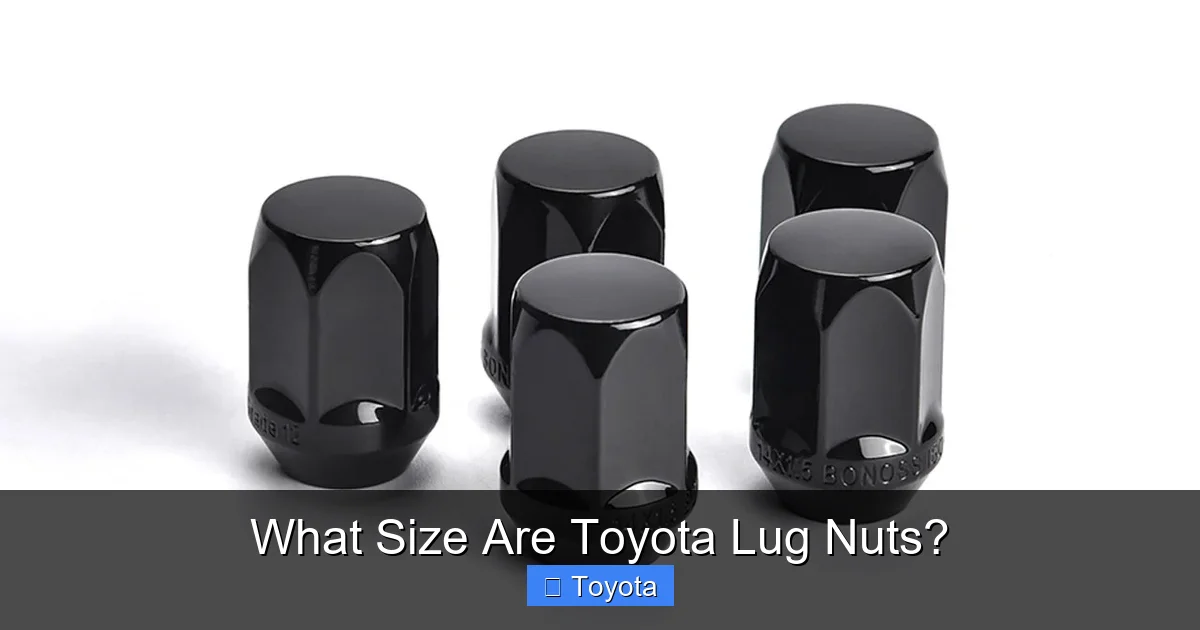
Visual guide about What Size Are Toyota Lug Nuts?
Image source: bonoss.com
Before diving into Toyota-specific details, let’s cover the basics of lug nuts. Lug nuts are the fasteners that secure your wheels to the hub. They thread onto the wheel studs and are tightened to a specific torque to ensure the wheel stays firmly in place. While they may seem small and simple, lug nuts play a critical role in vehicle safety.
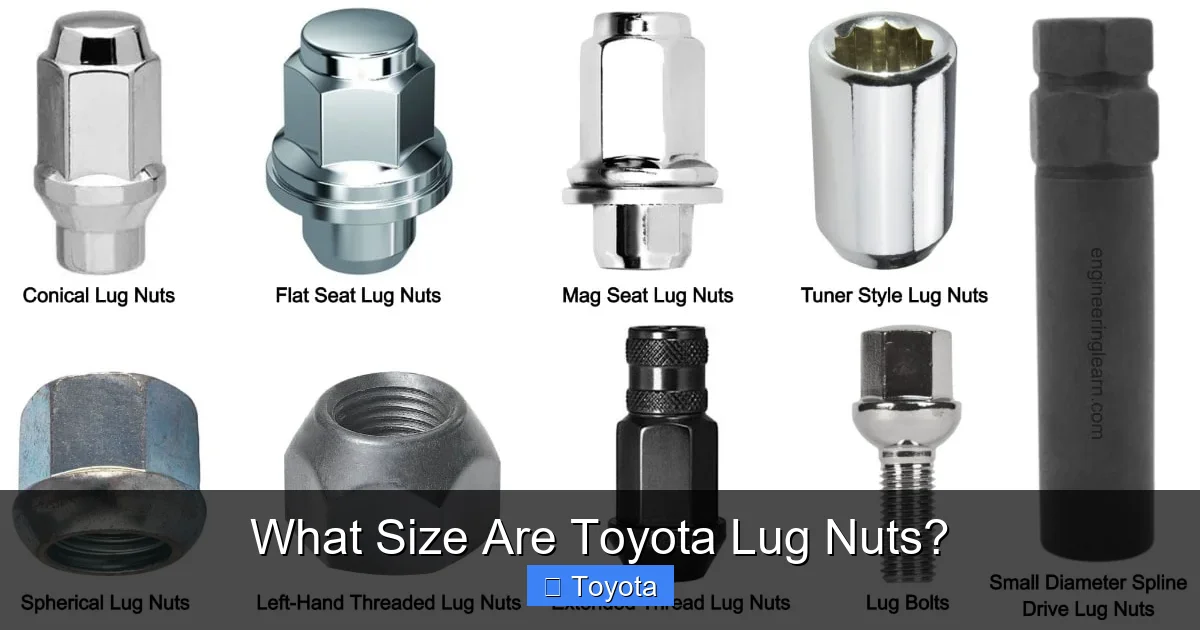
Lug nuts come in different sizes and styles, but the most important specifications are the thread pitch, hex size, and seat type. The thread pitch refers to the diameter and spacing of the threads—commonly expressed as “M12x1.5,” where “M12” is the diameter in millimeters and “1.5” is the distance between threads in millimeters. The hex size is the measurement across the flats of the nut, which determines what socket size you’ll need to tighten or loosen it.
Another key feature is the seat type, which is the part of the lug nut that contacts the wheel. Common seat types include conical (tapered), spherical (ball), and flat. Most Toyota vehicles use conical seat lug nuts, which provide a secure fit and help center the wheel properly.
Knowing these basics helps you understand why using the right lug nut size matters. A mismatch in thread pitch can prevent the nut from threading properly, while the wrong hex size can lead to stripped nuts or damaged sockets. And if the seat type doesn’t match your wheels, it can cause uneven pressure, vibration, or even wheel failure.
Why Lug Nut Size Matters
Using the correct lug nut size isn’t just about making the job easier—it’s about safety and performance. When lug nuts are the right size and properly torqued, they create a secure connection between the wheel and the hub. This ensures that the wheel stays aligned, reduces vibration, and prevents loosening over time.
On the other hand, using the wrong size can lead to serious problems. For example, if you use a socket that’s too large, you might round off the corners of the lug nut, making it nearly impossible to remove later. If the thread pitch is incorrect, the lug nut might not tighten properly, leaving the wheel loose. And if the seat type doesn’t match, the wheel may not sit flush against the hub, causing wobbling or uneven wear.
Even small mistakes can have big consequences. A loose wheel can detach while driving, leading to loss of control or an accident. That’s why it’s so important to use the right tools and follow manufacturer specifications.
Common Lug Nut Terminology
To help you navigate lug nut specs, here are a few key terms you should know:
– Thread Pitch: The diameter and spacing of the threads. For Toyota, this is usually 12×1.5.
– Hex Size: The width across the flats of the nut, measured in millimeters. Common sizes are 21mm and 22mm.
– Seat Type: The shape of the contact surface. Conical (60-degree taper) is most common on Toyota vehicles.
– Torque Specification: The amount of force needed to tighten the lug nut properly, usually measured in foot-pounds (ft-lbs) or Newton-meters (Nm).
– Stud Size: The diameter of the wheel stud, which must match the lug nut’s internal thread.
Understanding these terms will help you read parts catalogs, compare aftermarket options, and communicate effectively with mechanics or parts suppliers.
Standard Toyota Lug Nut Sizes

Visual guide about What Size Are Toyota Lug Nuts?
Image source: realtruck.com
Now that you know the basics, let’s look at the standard lug nut sizes used across Toyota’s lineup. While there are exceptions, most Toyota vehicles share common specifications that make it easier to identify the right parts.
The most common thread pitch for Toyota lug nuts is 12×1.5. This means the bolt has a 12mm diameter and 1.5mm between each thread. This size is used on a wide range of models, including the Camry, Corolla, RAV4, Highlander, and Sienna. It’s also the standard for many other Japanese automakers, which makes finding compatible parts relatively easy.
The hex size—the part you tighten with a wrench or socket—is typically 21mm or 22mm. The 21mm size is more common on smaller or older models, while 22mm is often found on larger SUVs and trucks like the 4Runner, Tacoma, and Tundra. However, there’s some overlap, so it’s always best to check your specific vehicle.
For example, a 2020 Toyota Camry usually uses 21mm hex lug nuts, while a 2022 Toyota Tacoma might use 22mm. But even within the same model year, there can be variations based on trim level or wheel package. That’s why it’s important not to assume—always verify.
Thread Pitch: The 12×1.5 Standard
The 12×1.5 thread pitch is the gold standard for Toyota vehicles. This measurement means the lug nut has a 12mm outer diameter and 1.5mm between each thread. It’s a robust size that provides strong clamping force without being overly large or heavy.
This thread pitch is used because it strikes a good balance between strength and ease of use. It’s strong enough to handle the weight and stress of a vehicle, yet small enough to allow for quick tightening and removal. It’s also compatible with a wide range of aftermarket wheels, making it a popular choice for enthusiasts.
One thing to note: while 12×1.5 is the most common, some older or specialty Toyota models may use different pitches. For instance, certain vintage Land Cruisers or imported models might have unique specifications. If you’re working on a classic Toyota, it’s worth double-checking the thread pitch before buying new lug nuts.
Hex Size: 21mm vs. 22mm
The hex size is what determines which socket you’ll need to remove or install the lug nuts. Most Toyota vehicles use either a 21mm or 22mm hex nut. The difference is small—just 1mm—but it’s enough to make a socket that fits one size too loose or too tight for the other.
The 21mm size is common on sedans and smaller SUVs like the Corolla, Camry, and RAV4. It’s a good fit for standard wheels and is widely available in toolkits. The 22mm size, on the other hand, is often used on trucks and larger SUVs like the Tacoma, 4Runner, and Tundra. These vehicles have heavier wheels and require more torque, so a larger hex provides better grip and reduces the risk of rounding.
If you’re unsure which size your Toyota uses, try both sockets. The correct one should fit snugly without forcing. If neither fits perfectly, you may have aftermarket lug nuts or a rare OEM specification.
Seat Type: Conical vs. Other Styles
Most Toyota vehicles use conical seat lug nuts with a 60-degree taper. This design helps center the wheel on the hub and provides a secure, even clamping force. The conical shape matches the tapered holes in most Toyota wheels, ensuring a tight fit.
Other seat types include spherical (ball seat) and flat seat. Spherical lug nuts have a rounded bottom and are often used on aftermarket wheels with ball seat hubs. Flat seat nuts have a flat bottom and are less common on modern Toyotas.
Using the wrong seat type can cause problems. For example, if you install conical lug nuts on a wheel designed for spherical seats, the nut won’t make full contact. This can lead to loosening, vibration, or even wheel separation.
Always match the seat type to your wheels. If you’re installing aftermarket rims, check the manufacturer’s specifications to ensure compatibility.
Model-Specific Lug Nut Sizes
Visual guide about What Size Are Toyota Lug Nuts?
Image source: engineeringlearn.com
While the 12×1.5 thread pitch and 21mm/22mm hex sizes cover most Toyota vehicles, there are important exceptions. Some models have unique specifications due to design changes, regional differences, or special trim packages.
For example, the Toyota Tacoma—a popular midsize truck—often uses 22mm hex lug nuts, especially on newer models or off-road trims. The 4Runner, another rugged SUV, also typically uses 22mm nuts. In contrast, the compact Corolla usually sticks with 21mm.
Even within the same model, there can be variations. A 2015 Toyota RAV4 might use 21mm nuts, while a 2023 RAV4 Hybrid with upgraded wheels could use 22mm. Trim levels like the TRD Off-Road or Limited packages may include different wheels and lug nuts.
Toyota Camry and Corolla
The Camry and Corolla are Toyota’s best-selling sedans, and both typically use 12×1.5 thread pitch with 21mm hex lug nuts. This size has been consistent across multiple generations, making it easy to find replacement parts.
For example, a 2018 Toyota Camry LE uses 21mm lug nuts, as does a 2020 Corolla SE. Even hybrid versions of these models usually follow the same standard. However, if you’ve upgraded to larger wheels or installed aftermarket rims, the lug nut size might differ.
Always check your owner’s manual or consult a Toyota parts diagram if you’re unsure. The manual often lists the correct torque specification and lug nut type.
Toyota RAV4 and Highlander
The RAV4 and Highlander are popular SUVs that generally use 12×1.5 thread pitch. The RAV4 typically uses 21mm hex nuts, especially on base and mid-level trims. However, higher trims with larger wheels—like the Adventure or TRD Off-Road—may use 22mm nuts.
The Highlander, being a larger three-row SUV, often uses 22mm lug nuts, particularly on models with 18-inch or larger wheels. Again, it’s best to verify based on your specific year and trim.
Toyota Tacoma and 4Runner
The Tacoma and 4Runner are built for off-road use and often have heavier-duty components. Both typically use 12×1.5 thread pitch, but the hex size is usually 22mm. This larger size provides better grip and reduces the risk of rounding when applying high torque.
For example, a 2021 Toyota Tacoma TRD Pro uses 22mm lug nuts, as does a 2022 4Runner Limited. These models are designed for rugged use, so the stronger lug nuts help ensure reliability in tough conditions.
Toyota Tundra and Sequoia
The Tundra and Sequoia are Toyota’s full-size trucks and SUVs. Both use 12×1.5 thread pitch, but the hex size is almost always 22mm. These vehicles have larger wheels and higher torque requirements, so the bigger nuts are necessary for safety.
If you’re working on a Tundra or Sequoia, expect to use a 22mm socket. Always torque the lug nuts to the manufacturer’s specification—usually around 100–110 ft-lbs—to avoid over-tightening.
Aftermarket Wheels and Lug Nut Compatibility
One of the most common reasons people get confused about lug nut size is aftermarket wheels. When you install new rims, the lug nut requirements can change—even if the vehicle is still a Toyota.
Aftermarket wheels often have different hub designs, seat types, or bolt patterns. For example, some performance wheels use spherical seat lug nuts instead of conical. Others may require extended thread lengths or unique finishes.
If you’ve upgraded your wheels, don’t assume the original lug nuts will work. Check the wheel manufacturer’s specifications before installing. Many aftermarket wheel companies provide a compatibility chart or recommend specific lug nut types.
Choosing the Right Lug Nuts for Aftermarket Wheels
When selecting lug nuts for aftermarket wheels, consider the following:
– Seat Type: Match the seat type to your wheels (conical, spherical, or flat).
– Thread Pitch: Ensure it matches your Toyota’s studs (usually 12×1.5).
– Hex Size: Confirm the correct socket size (21mm or 22mm).
– Length: Some wheels require longer or shorter lug nuts to avoid interference.
– Material: Choose high-quality steel or alloy nuts to prevent corrosion.
Using the wrong lug nuts can void your wheel warranty or lead to safety issues. When in doubt, consult a professional or contact the wheel manufacturer.
Common Mistakes with Aftermarket Lug Nuts
One common mistake is using OEM lug nuts on aftermarket wheels. Even if the thread pitch matches, the seat type might not. This can cause poor contact and loosening over time.
Another mistake is over-tightening. Aftermarket wheels may have different torque requirements. Always use a torque wrench and follow the recommended specs.
Finally, avoid cheap, low-quality lug nuts. They may look similar, but inferior materials can corrode, strip, or fail under stress. Invest in reputable brands for safety and longevity.
How to Identify Your Toyota’s Lug Nut Size
If you’re unsure about your Toyota’s lug nut size, there are several ways to find out. The easiest method is to check your owner’s manual. Most manuals include a section on wheel and tire specifications, including lug nut size and torque values.
If you don’t have the manual, you can look up your vehicle’s specs online. Toyota’s official website, parts catalogs, or forums like Toyota Nation can provide detailed information based on your VIN or model year.
Another option is to measure the lug nuts yourself. Use a caliper to measure the hex size and thread diameter. Compare your measurements to standard sizes to identify the correct specs.
Using a Socket to Test Fit
A quick way to determine hex size is to try different sockets. Start with a 21mm socket—if it fits snugly, that’s likely your size. If it’s too loose, try 22mm. If neither fits, you may have a rare or aftermarket size.
Be careful not to force the socket. Forcing can damage the lug nut or socket. If you’re unsure, stop and consult a professional.
Checking the Thread Pitch
To check the thread pitch, use a thread gauge or compare the lug nut to a known 12×1.5 sample. You can also count the number of threads per inch, but this is less accurate for metric threads.
If you’re replacing lug nuts, buy a set labeled “12×1.5” for Toyota compatibility. Most aftermarket sets will specify the thread pitch and seat type.
Replacing and Maintaining Toyota Lug Nuts
Over time, lug nuts can wear out, corrode, or become difficult to remove. Regular maintenance and timely replacement are important for safety.
Inspect your lug nuts during tire rotations or oil changes. Look for signs of rust, stripping, or damage. If a nut is rounded or won’t tighten properly, replace it immediately.
When replacing lug nuts, always use the correct size and torque specification. Over-tightening can stretch the studs or crack the wheel. Under-tightening can lead to loosening.
Proper Torque Specifications
Toyota recommends specific torque values for lug nuts, usually between 76 and 110 ft-lbs, depending on the model. For example:
– Camry: 76–80 ft-lbs
– RAV4: 80–85 ft-lbs
– Tacoma: 100–110 ft-lbs
Always use a torque wrench to ensure accuracy. Never rely on impact wrenches alone, as they can over-tighten.
Tips for Safe Lug Nut Maintenance
– Clean the threads regularly to prevent corrosion.
– Apply anti-seize compound sparingly to prevent galling.
– Replace all lug nuts at the same time for even wear.
– Store spare lug nuts in a dry, labeled container.
By following these tips, you’ll keep your Toyota’s wheels secure and extend the life of your lug nuts.
Conclusion
So, what size are Toyota lug nuts? In most cases, they’re 12×1.5 thread pitch with a 21mm or 22mm hex size. But the exact specs depend on your model, year, and wheel type. Always verify your vehicle’s requirements before buying or installing new lug nuts.
Understanding lug nut sizes isn’t just about convenience—it’s about safety. Using the right tools and following proper procedures ensures your wheels stay securely attached, no matter where the road takes you.
Whether you’re changing a tire, upgrading your wheels, or just doing routine maintenance, knowing your Toyota’s lug nut size gives you confidence and peace of mind. And now, with this guide, you’re fully equipped to handle it like a pro.
Frequently Asked Questions
What is the most common Toyota lug nut size?
The most common Toyota lug nut size is 12×1.5 thread pitch with a 21mm or 22mm hex size. This applies to models like the Camry, Corolla, RAV4, and Highlander.
Can I use 21mm lug nuts on a 22mm wheel?
No, using a 21mm socket on a 22mm lug nut can round the corners and damage the nut. Always use the correct socket size for a secure fit.
Do all Toyota models use the same lug nut size?
No, while most use 12×1.5 thread pitch, hex sizes vary. Smaller cars often use 21mm, while trucks and SUVs like the Tacoma use 22mm.
What happens if I use the wrong lug nut seat type?
Using the wrong seat type can cause poor contact, vibration, or wheel loosening. Always match the seat type to your wheels.
How often should I check my Toyota’s lug nuts?
Check lug nuts during tire rotations, oil changes, or after driving in harsh conditions. Look for looseness, corrosion, or damage.
Can I replace Toyota lug nuts with aftermarket ones?
Yes, but ensure they match the thread pitch, hex size, and seat type. Use high-quality aftermarket lug nuts for safety and durability.