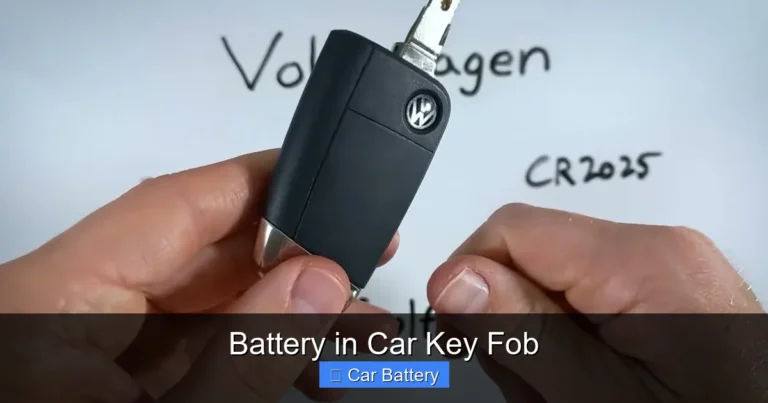
What’s the Best Car Battery
The best car battery depends on your vehicle’s needs, climate, and driving habits, but top performers like Optima, Interstate, and DieHard consistently deliver reliability and longevity. Look for high cold cranking amps (CCA), strong warranties, and maintenance-free designs to ensure peak performance in all conditions. Choosing the right battery isn’t just about power—it’s about peace of mind.
In This Article
- 1 Key Takeaways
- 2 📑 Table of Contents
- 3 What’s the Best Car Battery? A Real-World Guide to Picking the Right One
- 4 Understanding Car Batteries: What You Need to Know
- 5 Key Factors to Consider When Choosing a Car Battery
- 6 Top Car Battery Brands: Who Makes the Best?
- 7 Best Car Batteries by Category (2024)
- 8 How to Choose the Right Battery for Your Car
- 9 Maintaining Your Car Battery for Longer Life
- 10 Final Thoughts: What’s the Best Car Battery?
- 11 Frequently Asked Questions
- 11.1 What’s the best car battery for cold weather?
- 11.2 How do I choose the best car battery for my vehicle?
- 11.3 What’s the best car battery brand overall?
- 11.4 How long does the best car battery usually last?
- 11.5 What’s the best car battery for frequent short trips?
- 11.6 Can I install the best car battery myself?
Key Takeaways
- Choose the right size: Match your vehicle’s battery group size for a proper fit and function.
- Check cold cranking amps (CCA): Higher CCA ensures reliable starts in cold weather.
- Consider reserve capacity (RC): Longer RC means more power if the alternator fails.
- Opt for trusted brands: Reputable manufacturers offer better quality, warranty, and reliability.
- Replace every 3–5 years: Prevent unexpected failures with timely battery replacement.
- Test before replacing: Use a multimeter or professional test to confirm battery health.
📑 Table of Contents
- What’s the Best Car Battery? A Real-World Guide to Picking the Right One
- Understanding Car Batteries: What You Need to Know
- Key Factors to Consider When Choosing a Car Battery
- Top Car Battery Brands: Who Makes the Best?
- Best Car Batteries by Category (2024)
- How to Choose the Right Battery for Your Car
- Maintaining Your Car Battery for Longer Life
- Final Thoughts: What’s the Best Car Battery?
What’s the Best Car Battery? A Real-World Guide to Picking the Right One
Let’s be honest—car batteries aren’t exactly the most exciting part of owning a vehicle. You don’t brag about them at dinner parties, and they rarely make it into your weekend car care routine… until they fail. And when they do, it’s usually at the worst possible moment: early on a freezing Monday morning, halfway to the airport, or just as you’re about to pick up the kids from school.
I remember the first time my car wouldn’t start. I was rushing to a job interview, coffee in one hand, resume in the other, and my trusty sedan just… clicked. No crank, no roar—just silence. After a few panicked calls and a jump-start that felt like a miracle, I learned a hard lesson: your car battery is the unsung hero of your daily commute. It’s not flashy, but without it, you’re going nowhere. That experience made me dive deep into understanding what makes a great car battery, and now I want to share that knowledge with you. Because when it comes to reliability, peace of mind, and avoiding roadside panic, choosing the right battery matters more than you think.
Understanding Car Batteries: What You Need to Know
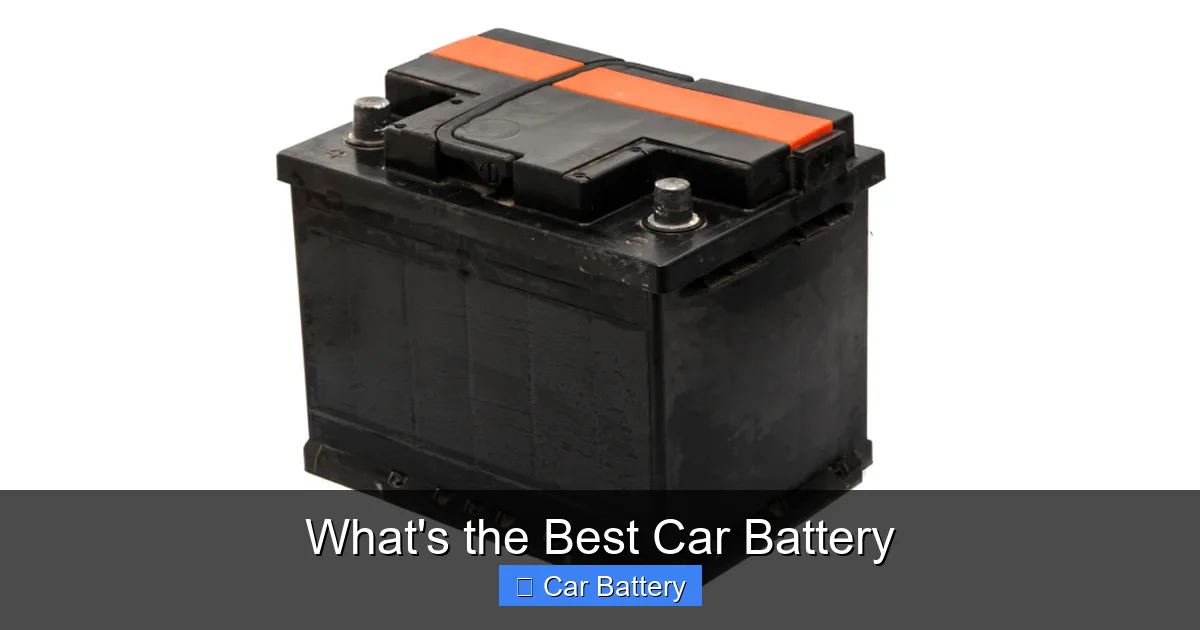
Before we talk about which battery is the best, let’s break down what a car battery actually does. At its core, your car battery is a rechargeable power source that starts your engine and powers electrical components when the engine is off. Think of it as the heart of your car’s electrical system—without it, nothing beats.
Visual guide about What’s the Best Car Battery
Image source: asfaautocare.com.au
How a Car Battery Works
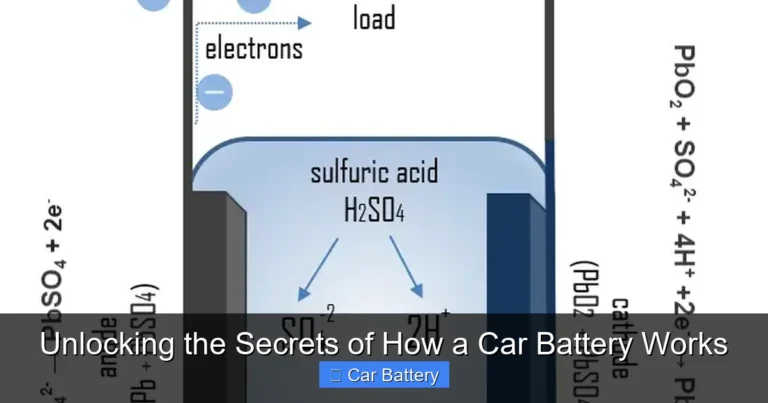
Car batteries are typically lead-acid batteries, meaning they use lead plates and sulfuric acid to generate electricity through a chemical reaction. When you turn the key (or push the start button), the battery sends a burst of power to the starter motor, which cranks the engine. Once the engine is running, the alternator takes over, recharging the battery and powering the car’s electronics.
But not all batteries are created equal. Some are built for extreme cold, others for high performance, and some for vehicles with lots of gadgets. Understanding your needs is the first step to finding the best car battery for your situation.
Types of Car Batteries
There are three main types of car batteries you’ll encounter:
- Flooded (Wet) Lead-Acid Batteries: The most common and affordable type. They require occasional maintenance (like checking water levels) and are great for standard vehicles.
- Absorbent Glass Mat (AGM) Batteries: More advanced and maintenance-free. AGM batteries are sealed, spill-proof, and better at handling high electrical demands—perfect for cars with start-stop technology, luxury features, or frequent short trips.
- Enhanced Flooded Batteries (EFB): A middle ground between flooded and AGM. They’re more durable than standard flooded batteries and often used in entry-level start-stop vehicles.
If you drive a modern car with lots of electronics—like heated seats, infotainment systems, or automatic climate control—an AGM battery is usually the best choice. But if you have an older vehicle and want to save money, a high-quality flooded battery might do the trick.
Key Factors to Consider When Choosing a Car Battery
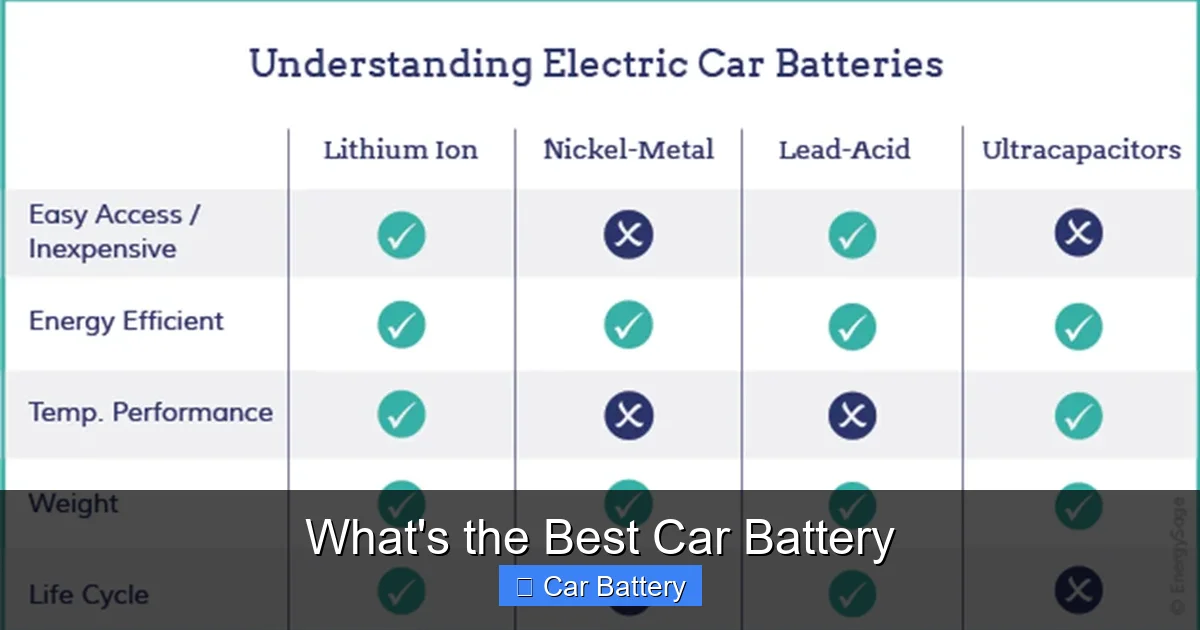
So, what makes one battery better than another? It’s not just about brand names or price tags. Several technical and practical factors determine whether a battery will serve you well over time. Let’s walk through the most important ones.
Visual guide about What’s the Best Car Battery
Image source: lh5.googleusercontent.com
1. Cold Cranking Amps (CCA)
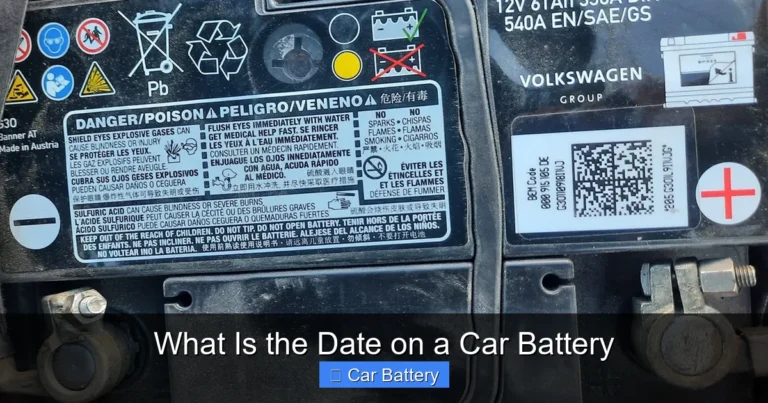
This is probably the most important number if you live in a cold climate. Cold Cranking Amps (CCA) measure how much power a battery can deliver at 0°F (-18°C) for 30 seconds while maintaining at least 7.2 volts. The higher the CCA, the better your battery will perform in freezing weather.
For example, if you live in Minnesota or Canada, you’ll want a battery with at least 600–800 CCA. In milder climates like Florida or Southern California, 400–600 CCA might be sufficient. Always check your owner’s manual for the recommended CCA rating—going too low can leave you stranded in winter.
2. Reserve Capacity (RC)
Reserve Capacity tells you how long your battery can power essential systems if the alternator fails. It’s measured in minutes—the time it takes for the battery to drop to 10.5 volts while supplying 25 amps at 80°F (27°C). A higher RC means more backup power, which is crucial if you rely on your car for long commutes or live in remote areas.
For most drivers, a reserve capacity of 90–120 minutes is ideal. If you frequently drive short distances or have a lot of aftermarket electronics (like a sound system or dash cam), aim for the higher end.
3. Battery Size and Compatibility
Not all batteries fit all cars. Batteries come in standard group sizes (like Group 24, Group 35, Group 48H, etc.), which determine their physical dimensions and terminal placement. Installing the wrong size can lead to poor connections, damage, or even safety hazards.
Always check your current battery’s group size or consult your vehicle’s manual. You can also use online tools from battery retailers (like AutoZone, Advance Auto Parts, or BatteryMart) to find the right fit based on your make, model, and year.
4. Warranty and Lifespan
A good battery should last 3–5 years, but some high-end models can go 6–7 years with proper care. Look for batteries with strong warranties—typically 36 to 60 months. Some brands even offer free replacement within the first few years if the battery fails.
Keep in mind: warranties often depend on proper installation and usage. If you frequently drain your battery (e.g., leaving lights on), the warranty might not cover failure. Always follow manufacturer guidelines.
Top Car Battery Brands: Who Makes the Best?
Now that you know what to look for, let’s talk about the brands that consistently deliver quality. These aren’t just the ones with the flashiest ads—they’re the ones mechanics and everyday drivers trust.
Visual guide about What’s the Best Car Battery
Image source: m.media-amazon.com
Optima Batteries
Optima is legendary for its spiral-wound AGM technology. Their RedTop, YellowTop, and BlueTop batteries are built for performance, durability, and deep-cycle use. The RedTop is great for standard starting, while the YellowTop excels in vehicles with high electrical loads (like RVs or off-road rigs). The BlueTop is designed for marine use but also works well in extreme conditions.
Pros: Long lifespan, vibration-resistant, excellent cold-weather performance.
Cons: Higher price point, overkill for basic commuter cars.
Interstate Batteries
Interstate is a favorite among DIYers and professionals alike. They offer a wide range of flooded and AGM batteries, with strong warranties and solid performance across climates. Their MTP series is particularly popular for everyday drivers.
Pros: Great value, reliable performance, widely available.
Cons: Not as high-performance as Optima or Odyssey for extreme use.
Odyssey Batteries
Odyssey makes some of the most durable batteries on the market. Their Extreme Series batteries are known for deep-cycle capability and can handle repeated discharges better than most. They’re ideal for trucks, RVs, and performance vehicles.
Pros: Exceptional lifespan (up to 10 years), high CCA, great for high-drain applications.
Cons: Expensive, may be overkill for small sedans.
DieHard
DieHard has been a household name for decades. Owned by Advance Auto Parts, they offer everything from budget-friendly flooded batteries to premium AGM models. The DieHard Gold AGM is a top pick for modern vehicles with start-stop systems.
Pros: Trusted brand, good warranty, strong performance in various conditions.
Cons: Some models may not last as long as premium competitors.
ACDelco
If you drive a GM vehicle, ACDelco is a natural choice. They make OEM (original equipment manufacturer) batteries for many General Motors cars and trucks. Their Professional series offers reliable performance and good value.
Pros: Perfect fit for GM vehicles, solid build quality, decent warranty.
Cons: Limited appeal for non-GM drivers.
Best Car Batteries by Category (2024)
Let’s cut to the chase: which battery is actually the best? The answer depends on your needs. Here’s a breakdown of top picks across different categories.
Best Overall: Optima RedTop 34/78
The Optima RedTop 34/78 is a powerhouse for everyday drivers. With 800 CCA, a 15-month free replacement warranty, and a spiral AGM design, it delivers reliable starts in all weather. It’s a favorite among mechanics and works well in most sedans, SUVs, and light trucks.
Why it wins: Combines durability, performance, and cold-weather reliability in one package.
Best for Cold Weather: Odyssey 31-PC2150S
If you live where winter means sub-zero temperatures, the Odyssey 31-PC2150S is your best bet. With a massive 1,000 CCA and a 7-year lifespan, it’s built to handle the harshest conditions. It’s also great for diesel trucks and heavy-duty vehicles.
Why it wins: Unmatched cold-weather performance and longevity.
Best Value: Interstate MTP-35
For drivers who want reliability without breaking the bank, the Interstate MTP-35 offers excellent performance at a fair price. With 640 CCA and a 36-month warranty, it’s a solid choice for compact cars and midsize sedans.
Why it wins: Great balance of price, performance, and availability.
Best for Start-Stop Vehicles: DieHard Gold AGM 34
Modern cars with start-stop technology need batteries that can handle frequent engine restarts. The DieHard Gold AGM 34 is designed specifically for this, with enhanced cycling capability and 750 CCA.
Why it wins: Optimized for start-stop systems and high electrical demands.
Best for Trucks and RVs: Odyssey 31-PC2150T
For heavy-duty use, the Odyssey 31-PC2150T is a beast. It’s built for deep cycling, meaning it can be drained and recharged repeatedly without losing performance. Perfect for RVs, boats, and work trucks.
Why it wins: Exceptional deep-cycle performance and durability.
How to Choose the Right Battery for Your Car
Even with all this info, picking the right battery can still feel overwhelming. Here’s a simple step-by-step guide to make it easier.
Step 1: Check Your Owner’s Manual
Your car’s manual will tell you the recommended battery group size, CCA, and type (flooded vs. AGM). This is your starting point. Don’t skip this—using the wrong specs can damage your vehicle.
Step 2: Consider Your Climate
If you live in a cold region, prioritize high CCA. In hot climates, look for batteries with good heat resistance and longer lifespans. Extreme temperatures—both hot and cold—can shorten battery life.
Step 3: Think About Your Driving Habits
Do you take short trips? Use a lot of electronics? Have a start-stop system? These factors affect battery wear. Short trips don’t give the alternator enough time to recharge the battery, so AGM or EFB batteries are better suited.
Step 4: Set a Budget
Batteries range from $100 to $300+. While it’s tempting to go cheap, remember: a good battery is an investment. Spending a little more upfront can save you from being stranded later.
Step 5: Buy from a Reputable Retailer
Stick with trusted stores like AutoZone, O’Reilly, Advance Auto Parts, or online retailers like Amazon (sold by the brand or authorized dealer). Avoid no-name brands from sketchy websites—they often fail early.
Step 6: Get It Installed Properly
Even the best battery won’t last if it’s installed incorrectly. If you’re not confident doing it yourself, have a professional install it. Many retailers offer free installation with purchase.
Maintaining Your Car Battery for Longer Life
Buying the best car battery is only half the battle. Keeping it in good shape ensures it lasts as long as possible. Here are some simple maintenance tips.
Keep It Clean
Dirt and corrosion on the terminals can interfere with electrical connections. Every few months, disconnect the battery (negative first, then positive) and clean the terminals with a wire brush and baking soda solution. Rinse with water and dry thoroughly.
Check the Charge
Use a multimeter to check your battery’s voltage. A fully charged battery should read 12.6 volts or higher. If it’s below 12.4 volts, it may need charging or replacement.
Avoid Deep Discharges
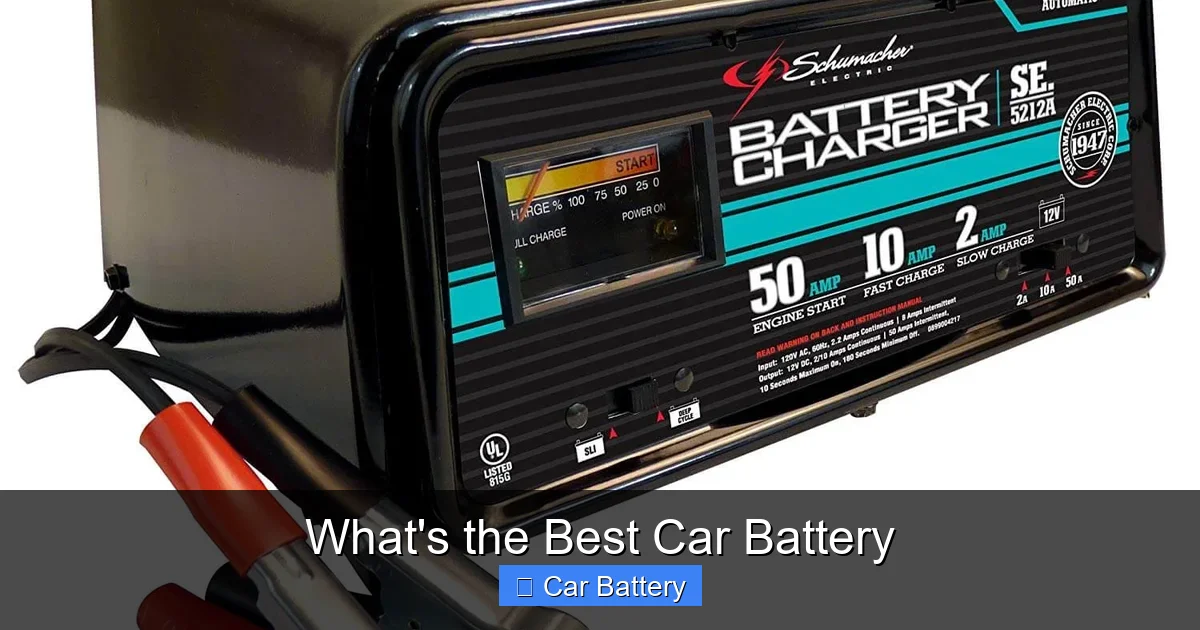
Leaving lights on, using electronics with the engine off, or frequent short trips can drain your battery. Try to minimize these habits. If you don’t drive often, consider a battery maintainer or trickle charger.
Inspect Regularly
Look for signs of wear: bulging case, leaks, or a sulfur (rotten egg) smell. These are signs of failure. Also, listen for slow cranking—it’s often the first sign your battery is dying.
Replace Before It Fails
Don’t wait for a no-start situation. Most batteries last 3–5 years. If yours is approaching that age, consider replacing it proactively—especially before winter.
Final Thoughts: What’s the Best Car Battery?
So, what’s the best car battery? There’s no single answer—it depends on your vehicle, climate, driving habits, and budget. But if you’re looking for a reliable, high-performing option that balances cost and durability, the Optima RedTop 34/78 is a standout choice for most drivers. For extreme cold, go with the Odyssey 31-PC2150S. For start-stop cars, the DieHard Gold AGM is hard to beat. And if you’re on a budget, the Interstate MTP-35 delivers solid value.
Remember, your car battery is more than just a piece of hardware—it’s your ticket to getting where you need to go, safely and on time. Investing in a quality battery and maintaining it properly can save you stress, money, and a whole lot of roadside trouble. So don’t wait until it’s too late. Check your battery today, and give your car the power it deserves.
And the next time you turn the key and your engine roars to life without hesitation? That’s the sound of a great battery doing its job.
Frequently Asked Questions
What’s the best car battery for cold weather?
The best car battery for cold weather typically has a high cold cranking amps (CCA) rating, such as the Optima RedTop or Interstate MT-75. These batteries deliver strong starting power in freezing temperatures, ensuring reliable performance during winter months.
How do I choose the best car battery for my vehicle?
To choose the best car battery, check your owner’s manual for the recommended group size, CCA, and reserve capacity. Consider reputable brands like DieHard, ACDelco, or Bosch, and ensure compatibility with your car’s make and model.
What’s the best car battery brand overall?
Brands like Optima, Interstate, and Bosch are consistently rated among the best car battery options due to their durability, performance, and warranty coverage. Optima’s AGM technology, for example, offers longer life and better vibration resistance.
How long does the best car battery usually last?
The best car battery typically lasts between 3 to 5 years, depending on climate, driving habits, and maintenance. Extreme heat or cold can shorten lifespan, so regular testing and timely replacement are important.
What’s the best car battery for frequent short trips?
For frequent short trips, consider an AGM (absorbent glass mat) battery like the Odyssey Extreme or Bosch S6. These batteries handle repeated charging cycles better and recharge faster, making them ideal for stop-and-go driving.
Can I install the best car battery myself?
Yes, many car owners can install a new battery themselves with basic tools and safety precautions. Always disconnect the negative terminal first, follow the correct sequence, and ensure the new battery is securely mounted and properly connected.