What Is Trac on a Toyota

Contents
- 1 Key Takeaways
- 2 📑 Table of Contents
- 3 What Is TRAC on a Toyota?
- 4 How Does TRAC Work?
- 5 TRAC vs. Other Toyota Safety Systems
- 6 When Should You Turn TRAC Off?
- 7 TRAC Light On? What It Means and What to Do
- 8 Maintaining TRAC for Optimal Performance
- 9 TRAC in Different Toyota Models
- 10 Why TRAC Matters for Every Toyota Driver
- 11 Conclusion
- 12 Frequently Asked Questions

Windshield Washer Fluid

Tire Repair Kit

Radiator Coolant

Tool Roll Bag
TRAC (Traction Control) on a Toyota is a safety system that prevents wheel spin during acceleration, especially on slippery surfaces. It works by automatically reducing engine power or applying brakes to specific wheels, helping you maintain control and stability.
Key Takeaways
- TRAC stands for Traction Control: It’s a standard safety feature in most modern Toyotas designed to improve grip and prevent skidding.
- Works automatically: The system activates without driver input when it detects wheel slip, especially during acceleration on wet, icy, or loose surfaces.
- Uses sensors and brakes: TRAC monitors wheel speed and applies braking or reduces engine power to regain traction.
- Improves safety in poor conditions: It’s most effective in rain, snow, mud, or gravel, helping prevent loss of control.
- Can be turned off (in some models): Drivers may disable TRAC for specific situations like deep snow or off-roading, but it’s recommended to keep it on for daily driving.
- Often paired with other systems: TRAC is part of Toyota’s broader Vehicle Stability Control (VSC) system, enhancing overall vehicle safety.
- Maintenance matters: Ensure wheel speed sensors and brakes are in good condition for TRAC to function properly.
📑 Table of Contents
What Is TRAC on a Toyota?
If you’ve ever driven a Toyota—especially in the rain, snow, or on gravel—you’ve probably noticed that your car feels stable and responsive, even when the road gets tricky. That’s not just good engineering; it’s thanks to a smart safety system called TRAC. But what exactly is TRAC on a Toyota, and how does it keep you safe?
TRAC stands for **Traction Control**, and it’s a technology built into most modern Toyota vehicles to help prevent wheel spin during acceleration. Whether you’re pulling out of a driveway on a rainy morning or accelerating on a snowy highway, TRAC steps in quietly behind the scenes to keep your tires gripping the road. It’s one of those features you might not think about—until you really need it.
Unlike older cars that might lurch or skid when you hit the gas too hard, Toyotas with TRAC maintain better control. The system uses sensors to monitor how fast each wheel is spinning. If one wheel starts to slip—like when it hits a patch of ice or wet pavement—TRAC automatically intervenes. It might reduce engine power or gently apply the brakes to the slipping wheel, helping the tire regain traction. The result? A smoother, safer drive, even in less-than-ideal conditions.
How Does TRAC Work?

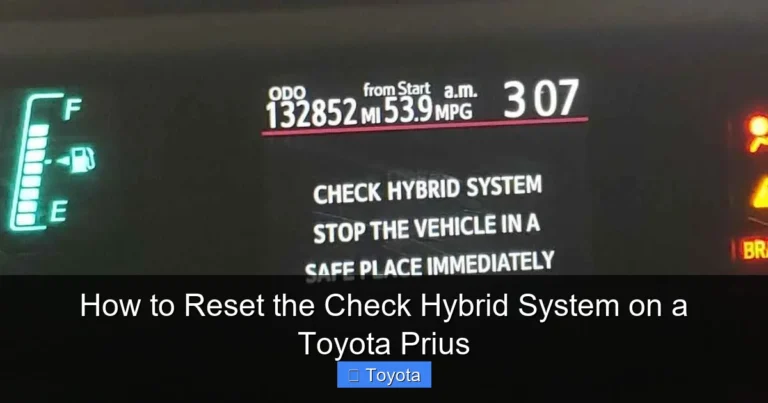
Visual guide about What Is Trac on a Toyota
Image source: i913.photobucket.com
So, how does this invisible helper actually do its job? Let’s break it down in simple terms.
TRAC is part of Toyota’s broader suite of electronic safety systems, often working hand-in-hand with Vehicle Stability Control (VSC) and Anti-lock Braking System (ABS). At its core, TRAC relies on a network of **wheel speed sensors** located at each wheel. These sensors constantly monitor how fast each tire is rotating. Under normal conditions, all four wheels spin at roughly the same speed. But when one wheel starts spinning faster than the others—indicating it’s losing grip—the system detects this imbalance.
Once TRAC senses wheel slip, it takes action in two main ways:
1. **Reducing engine power:** The system communicates with the engine control unit (ECU) to temporarily reduce throttle input or fuel delivery. This lowers the amount of power sent to the wheels, giving the slipping tire a chance to catch up and regain traction.
2. **Applying individual brakes:** If reducing power isn’t enough, TRAC can apply the brake to the spinning wheel. This creates resistance, slowing that wheel down and allowing the others to maintain forward momentum. It’s like giving a gentle tap on the brake to keep things balanced.
For example, imagine you’re driving up a snowy hill. You press the accelerator, but the front wheels start to spin because the snow reduces grip. Without TRAC, your car might struggle to move forward or even slide sideways. But with TRAC, the system detects the slip and either eases off the gas or brakes the spinning wheel. This helps the tire bite into the snow, allowing you to continue moving safely.
Real-World Example: Driving in the Rain
Let’s say you’re driving your Toyota Camry on a wet road after a heavy downpour. You approach a green light and accelerate quickly. Normally, this could cause the drive wheels (usually the front wheels in a Camry) to spin briefly, especially if the road has standing water. This is known as **hydroplaning**, where a layer of water builds up between the tire and the road, reducing contact.
With TRAC active, the system detects that one or both front wheels are spinning faster than the rear ones. It immediately reduces engine power and may apply a slight brake to the slipping wheel. You might not even notice it happening—your car just feels smooth and stable. Without TRAC, you could lose control, especially if you’re not used to driving in wet conditions.
TRAC and Off-Road Driving
TRAC isn’t just for city streets and highways. It’s also useful in off-road situations, like driving on dirt trails or muddy paths. In these environments, one wheel might lift off the ground or lose grip due to loose terrain. TRAC helps by sending power to the wheels that still have traction, improving your ability to keep moving.
For instance, if you’re in a Toyota 4Runner climbing a rocky incline and one rear wheel starts spinning in the air, TRAC will detect the slip and apply the brake to that wheel. This forces torque to be redirected to the other rear wheel that’s still on the ground, helping you maintain forward progress. It’s a subtle but powerful advantage when navigating tough terrain.
TRAC vs. Other Toyota Safety Systems
Visual guide about What Is Trac on a Toyota
Image source: i.ytimg.com
Now that you know what TRAC does, you might be wondering how it fits into Toyota’s larger safety ecosystem. After all, modern Toyotas come packed with features like ABS, VSC, and even Toyota Safety Sense (TSS). So how does TRAC differ from these?
Let’s compare:
– **ABS (Anti-lock Braking System):** Prevents wheels from locking up during hard braking, allowing you to steer while stopping. TRAC, on the other hand, prevents wheel spin during acceleration.
– **VSC (Vehicle Stability Control):** Helps prevent skidding or sliding during sharp turns or sudden maneuvers. It works by applying brakes to individual wheels and reducing engine power. TRAC is actually a component of VSC—think of TRAC as the “acceleration stability” part, while VSC handles overall directional control.
– **Toyota Safety Sense (TSS):** This is a suite of advanced driver-assistance features like automatic emergency braking, lane departure warning, and adaptive cruise control. While TSS focuses on preventing collisions, TRAC focuses on maintaining traction and control during driving.
In short, TRAC is a foundational system that supports other safety technologies. It’s not as flashy as automatic braking or lane-keeping assist, but it’s just as important—especially in everyday driving conditions.
How TRAC Enhances VSC
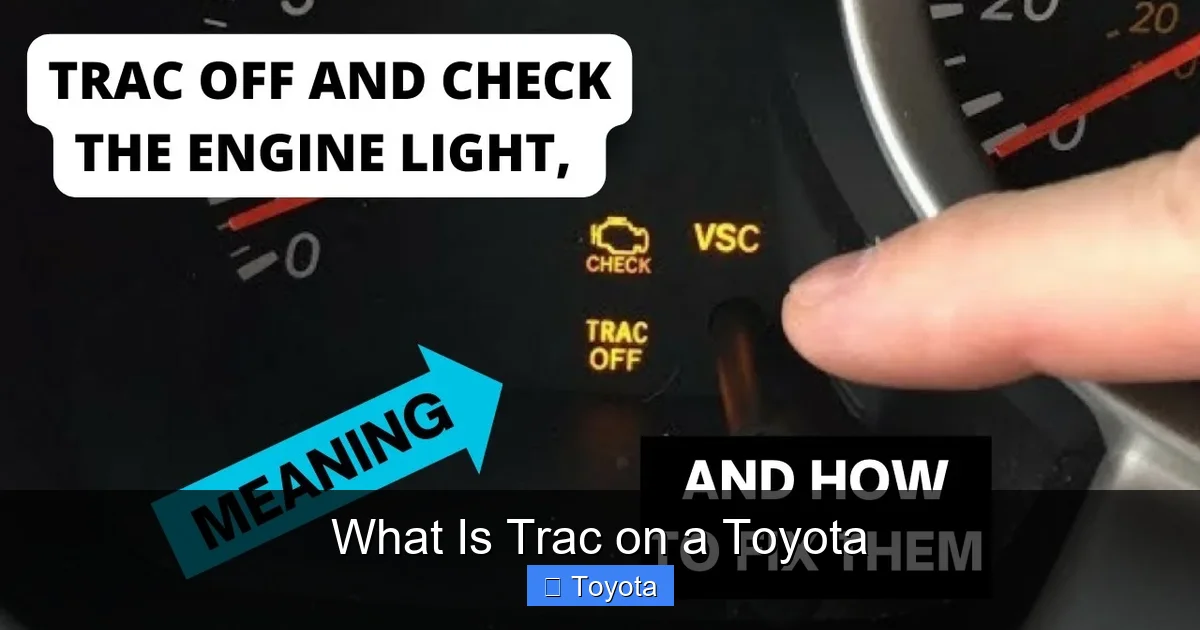
You might see a warning light on your dashboard labeled “VSC OFF” or “TRAC OFF.” These lights are related because TRAC and VSC are closely linked. When you turn off VSC, TRAC is usually disabled too. That’s because VSC uses TRAC’s traction control capabilities as part of its overall stability management.
For example, if your car starts to understeer (pushing wide in a turn), VSC might apply the brake to the inner rear wheel and reduce engine power. TRAC helps by ensuring that the wheels don’t spin during this correction, maintaining grip and control. Together, they create a more stable and predictable driving experience.
When Should You Turn TRAC Off?

Visual guide about What Is Trac on a Toyota
Image source: oldmotors.net
Here’s a common question: Can you turn TRAC off, and should you?
Yes, in most Toyota models, you can disable TRAC—usually by pressing a button labeled “VSC OFF” or “TRAC OFF” near the gear shifter or dashboard. But just because you *can* doesn’t mean you *should*.
TRAC is designed to enhance safety, so it’s best to keep it on during normal driving. However, there are a few specific situations where turning it off might be helpful:
– **Driving in deep snow or mud:** If your wheels are spinning because they’re stuck, TRAC might keep reducing power, making it harder to get unstuck. Turning it off allows the wheels to spin more freely, which can help you rock the car out of a rut.
– **Off-roading on loose terrain:** In some off-road scenarios, like driving on sand or deep gravel, a little wheel spin can actually help you gain momentum. Disabling TRAC gives you more control over throttle input.
– **Using snow chains or tire socks:** These traction aids can sometimes confuse the wheel speed sensors, causing TRAC to activate unnecessarily. Turning it off can prevent false interventions.
How to Turn TRAC Off (and On Again)
To disable TRAC on most Toyotas:
1. Locate the “VSC OFF” or “TRAC OFF” button (usually near the center console).
2. Press and hold it for a few seconds until the warning light appears on the dashboard.
3. The system is now off—TRAC and often VSC are disabled.
To reactivate, simply press the button again. It’s a good idea to turn TRAC back on as soon as you’re out of the tricky situation. Remember, it’s there to protect you.
A Word of Caution
While turning off TRAC can be useful in rare cases, doing so increases the risk of losing control, especially on slippery roads. Always assess the situation carefully. If you’re unsure, it’s safer to leave TRAC on.
TRAC Light On? What It Means and What to Do
Have you ever seen a warning light on your dashboard that looks like a car with squiggly lines under it? That’s the TRAC or VSC warning light. If it comes on and stays on, it means the system has detected a problem.
Here’s what it could mean:
– **Temporary activation:** If the light flashes briefly when you accelerate on a slippery surface, that’s normal. It means TRAC is working to maintain traction.
– **System malfunction:** If the light stays on, there may be an issue with the wheel speed sensors, ABS module, or related components. This could reduce the effectiveness of TRAC and VSC.
– **TRAC/VSC manually turned off:** If you recently pressed the “VSC OFF” button, the light will stay on to remind you the system is disabled.
What to Do If the Light Stays On
If the TRAC light remains illuminated, here’s what you should do:
1. **Check if it was manually turned off:** Press the “VSC OFF” button to see if it turns back on.
2. **Restart the vehicle:** Sometimes, a simple restart can reset the system.
3. **Inspect tire pressure and condition:** Uneven or low tire pressure can affect wheel speed readings.
4. **Visit a Toyota service center:** If the light persists, have a technician diagnose the issue. It could be a faulty sensor, wiring problem, or ABS issue.
Ignoring a persistent TRAC light can compromise your vehicle’s safety systems. It’s best to get it checked promptly.
Maintaining TRAC for Optimal Performance
Like any safety system, TRAC works best when your vehicle is well-maintained. Here are a few tips to keep it functioning properly:
– **Keep tires in good condition:** Worn or unevenly worn tires can cause inconsistent wheel speeds, confusing the system. Rotate and balance your tires regularly.
– **Check tire pressure:** Underinflated tires can lead to inaccurate sensor readings. Use the recommended pressure listed on your door jamb.
– **Clean wheel speed sensors:** Dirt, mud, or rust can interfere with sensor function. If you drive off-road or in harsh conditions, have them inspected.
– **Service brakes regularly:** Since TRAC uses the braking system, worn brake pads or rotors can affect performance.
– **Use quality parts:** If you need repairs, use OEM (Original Equipment Manufacturer) or high-quality aftermarket parts to ensure compatibility.
DIY Tip: Resetting the System
If your TRAC light comes on after a repair or battery change, you might be able to reset it yourself:
1. Turn the ignition to “ON” (don’t start the engine).
2. Press and hold the “VSC OFF” button for 3–5 seconds.
3. The light should turn off. If not, try driving a short distance to allow the system to recalibrate.
This won’t fix a mechanical issue, but it can clear minor glitches.
TRAC in Different Toyota Models
TRAC is standard on most modern Toyotas, but its implementation can vary slightly depending on the model and drivetrain.
– **Front-Wheel Drive (FWD) Models (e.g., Camry, Corolla):** TRAC primarily manages the front wheels, which handle both steering and propulsion. It’s especially useful in wet or snowy conditions.
– **All-Wheel Drive (AWD) Models (e.g., RAV4, Highlander):** These vehicles have more complex traction systems. TRAC works with the AWD system to distribute power between front and rear axles, improving grip on all surfaces.
– **Hybrid Models (e.g., Prius, RAV4 Hybrid):** TRAC is fully integrated with the hybrid powertrain. It can adjust both engine and electric motor output to maintain traction, often with even greater precision.
– **Off-Road Models (e.g., Tacoma, 4Runner):** These trucks often have enhanced TRAC systems with additional modes like “4WD Low” or “Crawl Control,” which work alongside TRAC for maximum traction.
Example: TRAC in the Toyota RAV4
The RAV4 is a great example of how TRAC enhances everyday driving. With standard AWD and TRAC, it handles rain, snow, and light off-roading with confidence. If you accelerate on a snowy road, TRAC ensures the wheels don’t spin excessively. If you take a sharp turn on a wet surface, VSC and TRAC work together to keep the vehicle stable.
Many RAV4 drivers report feeling more secure in winter conditions, thanks in part to these systems. It’s a perfect blend of practicality and safety.
Why TRAC Matters for Every Toyota Driver
At the end of the day, TRAC is more than just a technical feature—it’s a safety net. It helps prevent accidents before they happen by keeping your tires in contact with the road. Whether you’re commuting to work, driving kids to school, or heading out on a weekend adventure, TRAC is working silently to protect you.
It’s especially valuable for new drivers or those who aren’t used to driving in challenging conditions. You don’t need to be an expert to benefit from TRAC—it does the thinking for you.
And while no system can replace safe driving habits, TRAC adds an extra layer of confidence. It’s one of the reasons Toyota vehicles are known for their reliability and safety.
Conclusion
So, what is TRAC on a Toyota? It’s your vehicle’s built-in traction control system—a smart, responsive technology that prevents wheel spin and helps you maintain control in slippery or challenging conditions. From rainy city streets to snowy mountain passes, TRAC is there to keep you safe.
It works automatically, uses sensors and brakes to manage traction, and is often part of a larger safety network including VSC and ABS. While you can turn it off in rare situations, it’s best to keep it on for everyday driving.
By understanding how TRAC works and keeping your vehicle well-maintained, you can get the most out of this essential safety feature. Whether you drive a Corolla, Camry, RAV4, or Tacoma, TRAC is quietly doing its job—so you can focus on the road ahead.
Frequently Asked Questions
What does TRAC stand for in a Toyota?
TRAC stands for Traction Control. It’s a safety system that prevents wheel spin during acceleration, especially on slippery surfaces like rain, snow, or gravel.
Is TRAC the same as VSC?
No, but they’re related. TRAC (Traction Control) is a component of VSC (Vehicle Stability Control). TRAC manages wheel spin during acceleration, while VSC helps prevent skidding during turns or sudden maneuvers.
Can I drive with the TRAC light on?
You can drive, but it’s not recommended if the light stays on. A persistent TRAC light may indicate a malfunction in the traction or stability system, which could reduce safety. Have it checked by a technician.
Should I turn TRAC off in snow?
Only in specific cases, like when your wheels are stuck in deep snow. Turning it off allows more wheel spin, which can help you get unstuck. But for normal snow driving, keep TRAC on for better control.
Does TRAC work in all weather conditions?
Yes, TRAC is designed to work in rain, snow, ice, mud, and gravel. It’s most effective when traction is low, helping maintain grip and prevent skidding.
How do I know if TRAC is working?
You might not notice it directly, but if your car accelerates smoothly on wet or slippery roads without wheel spin, TRAC is likely active. A flashing TRAC light during acceleration also indicates it’s working.