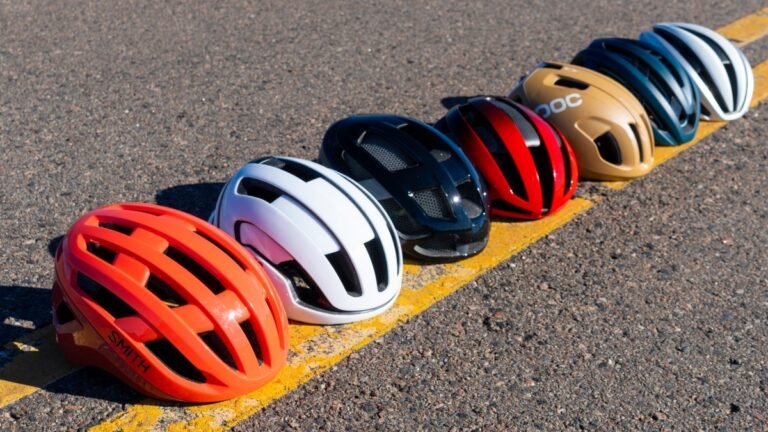
What Is The Lightest Road Bike Helmet: Top Picks & Tips

Contents
- 1 What is the lightest road bike helmet? Definitions and realistic ranges
- 2 How helmet weight is measured and why that matters
- 3 Benefits and trade-offs of choosing the lightest road bike helmet
- 4 How to choose the lightest helmet that fits your needs
- 5 My experience testing light road helmets and lessons learned
- 6 Top features to look for in ultra-light road helmets
- 7 Quick PAA-style questions
- 8 Frequently Asked Questions of what is the lightest road bike helmet
- 9 Conclusion


The lightest road bike helmets typically weigh about 160–220 grams for a size M.
As a rider and helmet tester with years of experience fitting, riding, and comparing helmets, I’ll walk you through what is the lightest road bike helmet, what "light" really means, and how to choose one without sacrificing safety or comfort. This guide digs into weight ranges, design trade-offs, certification basics, and real-world tips so you can pick the right ultra-light road helmet for your rides.
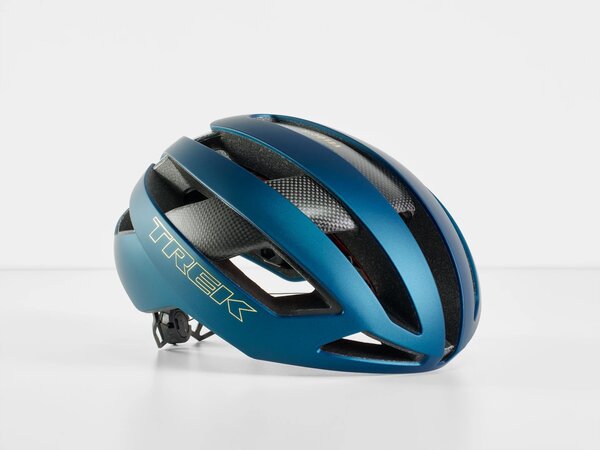
What is the lightest road bike helmet? Definitions and realistic ranges
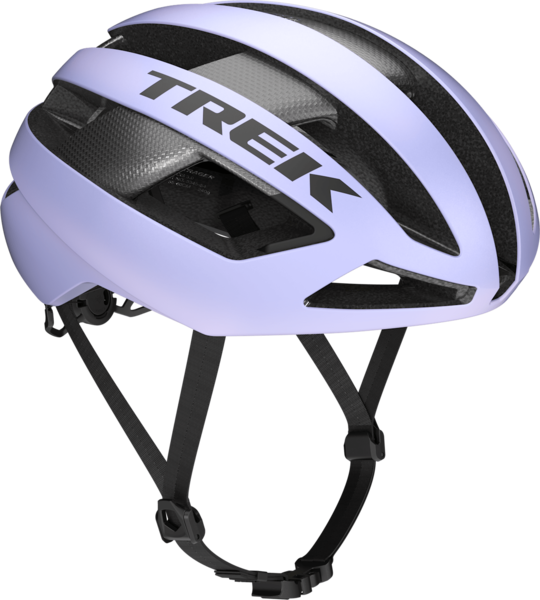
When people ask what is the lightest road bike helmet, they usually mean the lightest commercially available road helmet that still meets safety standards. Most true road helmets that riders buy fall in a weight range rather than a single number. For a size M, expect ultra-light road bike helmets to sit between 160 and 220 grams, with some models slightly lighter or heavier depending on size and features.
Weight alone does not define a helmet. How the helmet is built matters: thin shells, dense EPS liners, minimalist padding, and cutaway vents all cut grams. A helmet marketed as the lightest might trim padding or simplify features to save weight, so checking certifications and fit is essential before assuming safety is equal.
If you want to know what is the lightest road bike helmet for serious climbs or all-day rides, look for models that balance low mass with proven crash performance and good fit systems. I’ll break down how weight is measured and what to watch for next.
How helmet weight is measured and why that matters
Helmet weight is usually reported in grams and measured on a lab scale with a specific size specified, commonly medium. Brands may list the weight of the smallest size or the size most commonly purchased, so comparing like-for-like matters. When you search what is the lightest road bike helmet, ensure you compare the same size for fair results.
Three design areas affect weight
- Shell construction: thinner or composite shells reduce grams but change impact behavior.
- Liner density and shape: EPS foam thickness and geometry impact both protection and weight.
- Accessories and fit: MIPS, extra pads, large fit systems, and visors add weight.
Standards matter. A light helmet should meet regional safety rules such as CPSC, EN1078, or other recognized certifications. Independent lab tests and certification records tell you that a low-weight helmet still provides baseline protection. When asking what is the lightest road bike helmet, prioritize certified models that post lab results or test summaries.
Benefits and trade-offs of choosing the lightest road bike helmet
Choosing an ultra-light helmet gives clear perks for many riders. Reduced neck strain, less perceived effort on long climbs, and a cool, airy feel on long summer rides are key benefits. For racers and climbers, shaving 50–100 grams can feel significant over hours in the saddle.
Trade-offs to watch
- Durability: very light helmets sometimes use thinner shells that can scuff or crack easier in minor knocks.
- Ventilation vs protection: some designs trade vent wall for weight, altering cooling or impact paths.
- Features: light helmets may omit integrated mounts, heavy fit mechanisms, or thicker pad sets.
From my testing, a lighter helmet improves comfort on long climbs but can feel less sturdy when handling or carrying it in a pack. If you prioritize what is the lightest road bike helmet, accept small compromises in extras and be ready to treat the helmet with a bit more care.

How to choose the lightest helmet that fits your needs
Choosing the lightest road bike helmet is more than picking the lowest gram number. Follow a simple process to make the best choice:
- Define your priority: climbing, racing, long endurance rides, or daily commuting.
- Check safety certification: confirm the helmet meets local standards.
- Compare size-weight apples to apples: ask manufacturers which size was weighed.
- Test fit in person: the best helmet will lock to your head with minimal movement.
- Consider features you need: MIPS or similar rotational systems add grams but improve safety.
Fit tips that matter
- Measure head circumference above the eyebrows and compare to size charts.
- Try the helmet with your usual sunglasses and hair setup.
- Shake your head to ensure the helmet does not shift; the harness should cradle your head, not squeeze.
When you ask what is the lightest road bike helmet for your needs, try several models. I recommend bringing an action camera or mount if you plan to use one, as mounts can add weight or interfere with fit.

My experience testing light road helmets and lessons learned
I have fitted and ridden many light helmets over multi-hour rides and test loops. In real use, small weight savings are most noticeable on long climbs and hot days. The lightest road bike helmet I’ve worn felt almost invisible on an 80-mile ride up rolling terrain, but I took care to avoid rough transport and tossed it gently into a bag when needed.
Lessons I learned
- Always check how a light helmet behaves after a minor drop. Some models show micro-cracks or shell distortion more than heavier alternatives.
- Replace any helmet after a hard impact, regardless of weight or outward damage.
- Pair a light helmet with simple accessories to avoid negating the weight savings.
If you value comfort and low mass, a well-fitting light helmet is a real upgrade. If you want the single lightest model, be ready to accept fewer bells and whistles.
Top features to look for in ultra-light road helmets
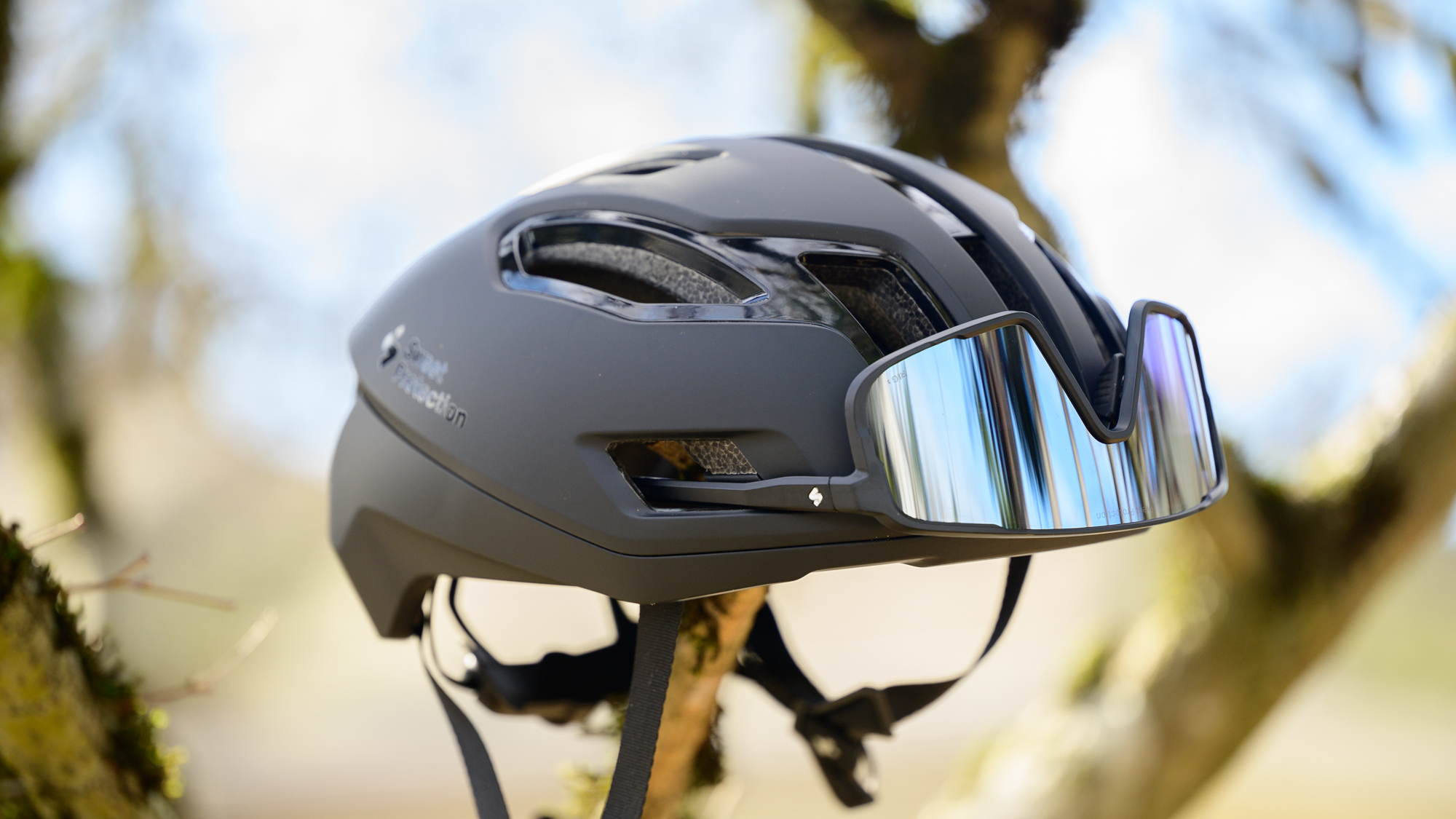
When hunting for what is the lightest road bike helmet, prioritize these features to balance lightness with function:
- Certified safety: CPSC, EN1078, or other local standards.
- Efficient ventilation channels: for cooling without added structure.
- Low-profile fit system: minimal yet secure retention helps save grams.
- Removable pads: allow you to swap thicker pads for comfort without bulk.
- Optional rotational protection: a slim MIPS or similar system adds a little weight but improves crash outcomes.
A helmet that balances these features gives you the best real-world value while staying near the top of lists for what is the lightest road bike helmet.

Quick PAA-style questions
Is a lighter helmet always safer?
No. Lighter helmets can be safe if they meet certification standards. Safety depends on design, materials, and crash test performance, not weight alone.
How much weight difference will I actually feel?
You may notice differences above about 40–50 grams on long climbs or multi-hour rides. Perception varies by rider and ride type.
Do light helmets last as long as heavier ones?
They can, but light helmets often use thinner materials that may show wear sooner. Inspect them regularly and replace after impacts.

Frequently Asked Questions of what is the lightest road bike helmet
What is the lightest road bike helmet currently available?
The lightest road bike helmet models typically fall in the 160–220 gram range for a medium size. Exact "lightest" models vary by year and size, so compare manufacturer specs for the size you need.
Will a lighter helmet compromise safety?
Not necessarily. Many ultra-light helmets meet strict safety standards. Check for certification labels and independent test data to confirm protection.
How should I compare weights between brands?
Compare the weight for the same size (usually medium) and check if listed weights include extras like MIPS. Ask retailers which size was weighed if unsure.
Does adding MIPS or similar systems make a big weight difference?
MIPS and similar rotational protection systems add a small amount of weight, typically 10–30 grams, but they can improve safety in certain impact scenarios.
How often should I replace a light road helmet?
Replace a helmet after any moderate to severe impact. If no impact occurs, follow manufacturer guidance, commonly every 3–5 years, depending on use and wear.
Conclusion
If you want to know what is the lightest road bike helmet, aim for certified helmets in the roughly 160–220 gram range for a medium size and prioritize fit and safety over raw grams. Test helmets in person, compare like-for-like weights, and accept that the lightest option may trade some features for weight savings. Choose a model that feels secure, ventilates well, and fits your riding style.
Take action: measure your head, try two to three ultra-light helmets, and pick the one that balances weight and safety for your rides. If you found this guide helpful, leave a comment with your helmet experiences or subscribe to get more gear-tested tips.