
What Is Car Paint Protection Film (ppf)?

Car Paint Protection Film (PPF) is a transparent, durable layer applied to your vehicle’s exterior to shield it from scratches, chips, and environmental damage. It’s a smart investment for maintaining your car’s appearance and long-term value.
Key Takeaways
- What PPF Is: A clear, thermoplastic urethane film applied to car paint to protect against physical and environmental damage.
- How It Works: PPF absorbs impacts from road debris, UV rays, and contaminants, preventing them from harming the paint underneath.
- Durability: High-quality PPF can last 5–10 years with proper care and often includes self-healing properties for minor scratches.
- Installation Matters: Professional installation ensures seamless coverage, no bubbles, and maximum protection—DIY kits often fall short.
- Cost vs. Value: While PPF is an upfront investment, it saves money long-term by reducing paint correction and preserving resale value.
- Maintenance: PPF requires minimal upkeep—regular washing and occasional waxing keep it looking new.
- Not Just for Luxury Cars: PPF benefits all vehicles, from daily drivers to family SUVs, especially in harsh climates or high-traffic areas.
📑 Table of Contents
What Is Car Paint Protection Film (PPF)?
So, you’ve just driven your shiny new car off the lot—or maybe you’ve owned it for a few years and still love how it looks. But let’s be real: the road isn’t always kind. Pebbles kicked up by tires, bird droppings, tree sap, UV rays, and even automatic car washes can slowly wear down your car’s paint. Over time, this leads to scratches, swirl marks, and dullness that no amount of waxing can fully fix. That’s where car paint protection film (PPF) comes in.
Car Paint Protection Film, commonly known as PPF, is a thin, transparent layer of thermoplastic urethane that’s professionally applied to your vehicle’s exterior surfaces. Think of it like a superhero cape for your car’s paint—invisible to the eye but incredibly strong when it comes to protection. Originally developed for military use to protect helicopter rotor blades from debris, PPF has evolved into one of the most effective ways to preserve a vehicle’s finish.
Unlike wax or sealants that sit on top of the paint and wear off quickly, PPF bonds directly to the surface, forming a durable barrier. It’s designed to absorb impacts, resist staining, and even self-heal minor scratches when exposed to heat. Whether you’re driving through a construction zone, parking under trees, or just want to keep your car looking showroom-fresh, PPF offers peace of mind.
How Does Paint Protection Film Work?
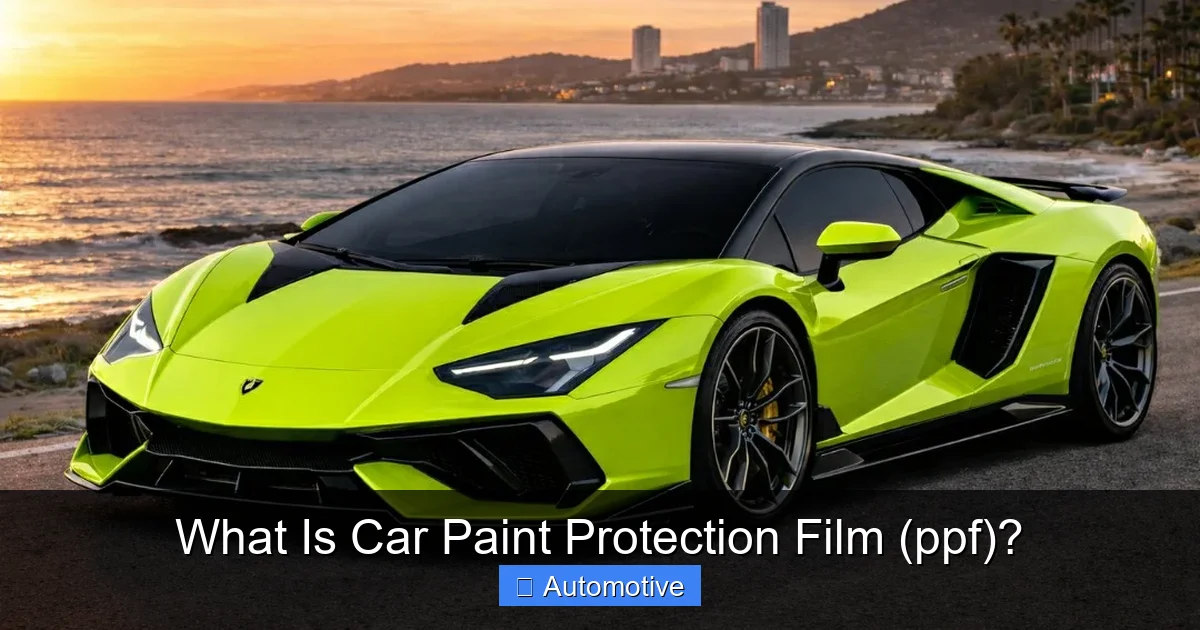
Visual guide about What Is Car Paint Protection Film (ppf)?
Image source: srikrungbroker.co.th
At its core, PPF works by acting as a sacrificial layer. Instead of your car’s paint taking the hit from road debris, acid rain, or UV exposure, the film takes the damage. But it’s not just about being tough—modern PPF is engineered with advanced technology to go beyond basic protection.
The Science Behind the Film
PPF is made from a high-grade urethane material that’s both flexible and resilient. This allows it to conform perfectly to curved surfaces like fenders, hoods, and mirrors without peeling or cracking. The film is typically 6 to 8 mils thick (about the width of a business card), which might not sound like much, but it’s enough to stop small rocks, bugs, and other contaminants from reaching your paint.
One of the most impressive features of premium PPF is its self-healing capability. The top layer contains a special elastomeric polymer that can “heal” light surface scratches and swirl marks when exposed to heat—like sunlight or hot water. For example, if you accidentally brush against a shopping cart and leave a fine scratch, simply parking your car in the sun for a few hours might make it disappear.
Protection Against Common Threats
Let’s break down what PPF actually protects against:
- Rock chips and road debris: These are the #1 enemy of front-end paint. PPF absorbs the impact, preventing chips on the hood, bumper, and fenders.
- UV rays: Prolonged sun exposure causes paint to fade and oxidize. PPF blocks up to 99% of harmful UV radiation.
- Acid rain and bird droppings: These acidic substances can etch into paint over time. PPF creates a non-porous barrier that resists chemical damage.
- Tree sap and bug splatter: Sticky residues are easier to remove from PPF than from bare paint, reducing the risk of scratching during cleaning.
- Automatic car washes: Brushes and harsh detergents can cause micro-scratches. PPF shields the paint from mechanical abrasion.
Real-World Example: A Daily Driver’s Experience
Take Sarah, a mom of two who drives a mid-size SUV to work and school drop-offs. Her route includes a gravel road and frequent highway driving. Within six months, she noticed chips on her hood and bumper. After installing PPF on the front end, she hasn’t seen a single new chip in over two years—even after a road trip through the mountains. “It’s like my car has an invisible shield,” she says. “I don’t worry about parking near shopping carts or driving behind trucks anymore.”
Types of Paint Protection Film
Visual guide about What Is Car Paint Protection Film (ppf)?
Image source: toppng.com
Not all PPF is created equal. The market offers a range of options, from budget-friendly films to premium, high-performance versions. Understanding the differences helps you choose the right one for your needs and budget.
Standard vs. Premium PPF
Standard PPF is thinner, less expensive, and may lack self-healing properties. It still offers decent protection but may yellow over time or require more frequent replacement. These are often found in DIY kits or lower-tier professional installations.
Premium PPF, on the other hand, is thicker, clearer, and packed with advanced features. Brands like XPEL, SunTek, and 3M offer top-tier films with:
- Self-healing top coats
- Hydrophobic (water-repelling) surfaces
- Enhanced UV resistance
- Longer warranties (up to 10 years)
For example, XPEL Ultimate Plus is known for its near-invisible finish and excellent clarity, while 3M Pro Series offers strong chemical resistance and durability.
Matte vs. Gloss Finish Films
If you own a matte-finish vehicle or want to customize your look, matte PPF is available. It preserves the flat, non-reflective appearance while offering the same protection as gloss films. Some owners even use matte PPF on gloss cars to create a unique aesthetic—just be aware that matte surfaces require special care to avoid shine.
Custom vs. Full Coverage
PPF can be applied in different coverage levels:
- Partial coverage: Protects high-impact areas like the front bumper, hood, fenders, and mirrors. Ideal for budget-conscious owners.
- Full front coverage: Covers the entire front end, including headlights and side mirrors. A popular choice for daily drivers.
- Full vehicle coverage: Every painted surface is protected. Best for luxury cars, show vehicles, or those in extreme environments.
While full coverage offers the most protection, it’s also the most expensive. Most people opt for full front coverage, which protects about 60–70% of the areas most prone to damage.
Benefits of Installing PPF
Visual guide about What Is Car Paint Protection Film (ppf)?
Image source: club.shannons.com.au
Investing in PPF isn’t just about keeping your car looking nice—it’s a smart financial and practical decision. Here’s why more car owners are choosing PPF.
Preserves Resale Value
A well-maintained exterior significantly boosts your car’s resale value. Buyers pay attention to paint condition, and a vehicle with a flawless finish can command a higher price. PPF helps maintain that “like-new” appearance, making your car more attractive on the market.
According to industry experts, a car with PPF can retain up to 5–10% more of its value compared to a similar model without protection. That means if your car is worth $30,000, PPF could help you get an extra $1,500–$3,000 when it’s time to sell.
Reduces Long-Term Maintenance Costs
Paint correction—removing swirls, scratches, and oxidation—can cost hundreds of dollars per session. Over time, these expenses add up. PPF minimizes the need for frequent detailing by preventing damage in the first place.
For example, instead of spending $200 every six months on paint correction, you could invest $2,000 in PPF and enjoy years of protection with minimal upkeep.
Enhances Daily Driving Confidence
Knowing your car is protected allows you to drive without constant worry. You can park in tight spots, drive on gravel roads, or travel long distances without stressing about paint damage. It’s especially valuable for parents, commuters, and frequent travelers.
Self-Healing Magic
One of the coolest features of premium PPF is its ability to heal itself. Light scratches from car washes, brushes, or light contact disappear with heat. Simply park in the sun or use a hair dryer to activate the healing process. This keeps your car looking flawless with zero effort.
Easy to Maintain
Contrary to popular belief, PPF doesn’t require special care. Regular hand washing with mild soap and water is usually enough. Avoid abrasive cleaners or stiff brushes. Many owners use ceramic coatings on top of PPF for added shine and hydrophobic properties, but it’s not necessary.
Professional Installation vs. DIY
You might be tempted to save money with a DIY PPF kit, but here’s why professional installation is worth the investment.
Why DIY Often Fails
DIY kits are cheaper, but they come with risks:
- Bubbles and dust particles: Even a tiny speck of dust can ruin the finish.
- Misalignment: Cutting and applying film on curved surfaces is extremely difficult without experience.
- Poor adhesion: Low-quality adhesives may cause peeling or yellowing.
- Wasted material: Mistakes mean starting over, which increases cost.
A botched DIY job can end up costing more in the long run if you need to remove and reapply the film.
The Professional Advantage
Professional installers use precision-cut patterns (often digital templates), clean rooms, and specialized tools to ensure a flawless application. They also offer warranties—many covering 5–10 years against yellowing, cracking, or peeling.
For example, a certified XPEL installer will use a plotter to cut the film to exact dimensions, minimizing seams and ensuring full coverage. The process typically takes 1–3 days, depending on coverage level.
What to Look for in an Installer
- Certification from reputable brands (XPEL, 3M, SunTek)
- Positive customer reviews and before/after photos
- Clean, climate-controlled workspace
- Transparent pricing and warranty details
Don’t just go for the cheapest option—quality matters.
Cost of Paint Protection Film
PPF isn’t cheap, but it’s an investment that pays off. Prices vary based on coverage, film quality, and installer expertise.
Average Pricing Breakdown
- Partial coverage (bumper, hood, fenders): $800–$1,500
- Full front coverage: $1,500–$2,500
- Full vehicle coverage: $3,000–$6,000+
Luxury vehicles with complex curves may cost more due to labor intensity.
Factors That Affect Cost
- Film brand: Premium brands cost more but offer better performance.
- Vehicle size and shape: Larger or more intricate vehicles require more material and time.
- Installer location: Urban areas with high demand may charge more.
- Additional services: Ceramic coating, paint correction, or trim protection add to the total.
Is It Worth It?
For most owners, yes. If you plan to keep your car for several years or want to maximize resale value, PPF is one of the best protective investments you can make. Compare it to the cost of repainting a bumper ($500–$1,000) or correcting paint damage ($200–$500 per session)—PPF quickly pays for itself.
Maintenance and Care Tips
Once PPF is installed, keeping it in top condition is simple—but there are a few best practices to follow.
Washing Your PPF-Protected Car
- Wash every 1–2 weeks to prevent buildup.
- Use pH-neutral car shampoo and a soft microfiber mitt.
- Rinse thoroughly to remove soap residue.
- Avoid high-pressure washers directly on edges to prevent lifting.
Drying and Detailing
- Dry with a clean microfiber towel to prevent water spots.
- Use a spray detailer for quick touch-ups between washes.
- Avoid waxing over PPF unless using a PPF-safe product—some waxes can cause hazing.
What to Avoid
- Automatic car washes with brushes (use touchless instead).
- Harsh chemicals like ammonia-based cleaners.
- Aggressive scrubbing or abrasive pads.
Inspecting for Damage
Check your PPF regularly for lifting edges, bubbles, or discoloration. Most issues can be fixed if caught early. If your film starts to yellow or crack, contact your installer—many offer free inspections under warranty.
Common Misconceptions About PPF
Despite its growing popularity, PPF is still misunderstood. Let’s clear up some myths.
Myth 1: PPF Is Only for Expensive Cars
False. While luxury car owners often use PPF, it benefits any vehicle. Daily drivers, family cars, and even used vehicles can benefit from protection. It’s about preserving value and appearance, not just status.
Myth 2: PPF Changes the Look of Your Car
High-quality PPF is virtually invisible. You won’t notice it unless you look closely. In fact, many owners say their car looks better after installation because the film enhances clarity and depth.
Myth 3: PPF Prevents All Damage
PPF is tough, but not indestructible. It can’t stop major impacts like a collision or deep gouges. However, it excels at preventing the everyday wear and tear that dulls a car’s finish.
Myth 4: You Can’t Wax a Car with PPF
You can—just use the right products. Look for waxes labeled “PPF-safe” or “film-friendly.” Many ceramic coatings are also compatible and add extra protection.
Myth 5: PPF Is Permanent
No, it’s removable. When you’re ready to sell or replace it, a professional can safely remove PPF without damaging the paint underneath.
Conclusion: Is PPF Right for You?
Car Paint Protection Film is more than just a trend—it’s a proven solution for preserving your vehicle’s appearance and value. Whether you drive a brand-new sedan, a rugged SUV, or a classic sports car, PPF offers real-world benefits that go beyond aesthetics.
From preventing rock chips to self-healing minor scratches, PPF gives you peace of mind on every drive. While the upfront cost may seem high, the long-term savings on paint correction, increased resale value, and reduced stress make it a smart investment.
If you’re serious about protecting your car, don’t wait until the first chip appears. Talk to a certified PPF installer, get a quote, and explore your options. Your car—and your wallet—will thank you down the road.
Frequently Asked Questions
How long does paint protection film last?
High-quality PPF typically lasts 5 to 10 years, depending on the brand, installation quality, and maintenance. Many premium films come with a 10-year warranty against yellowing, cracking, or peeling.
Can PPF be removed without damaging the paint?
Yes, when done by a professional, PPF can be safely removed without harming the original paint. The adhesive is designed to release cleanly when heated properly.
Does PPF affect the car’s appearance?
Premium PPF is nearly invisible and enhances the clarity of your paint. It does not alter the color or finish when applied correctly.
Can I apply PPF myself?
While DIY kits exist, professional installation is strongly recommended. Improper application can lead to bubbles, misalignment, and reduced effectiveness.
Is PPF worth it for a used car?
Yes, especially if the car has minor paint flaws. PPF can protect existing paint and prevent further damage, improving both appearance and resale value.
Can PPF be applied over existing scratches or swirls?
It’s best to correct paint imperfections before installation. PPF will seal in scratches, making them more visible. A professional detailer can polish the surface first for optimal results.
