What Happens When a Toyota Highlander Hybrid Runs Out of Gas?

Contents
- 1 Key Takeaways
- 2 📑 Table of Contents
- 3 Understanding Your Hybrid: It’s Not Just a Car That Sometimes Uses Electricity
- 4 The Moment of Truth: What Actually Happens When the Pump Runs Dry
- 5 The Stark Reality of Emergency EV Mode: Limited Power and Range
- 6 What You Should Do (And Absolutely Shouldn’t Do) When It Happens
- 7 Prevention: Your Best Defense Against a Stranded Hybrid
- 8 The Bigger Picture: Comparing Fluid Emergencies in Your Vehicle
- 9 Frequently Asked Questions

Emergency First Aid Kit

Dash Cam

Bluetooth FM Transmitter
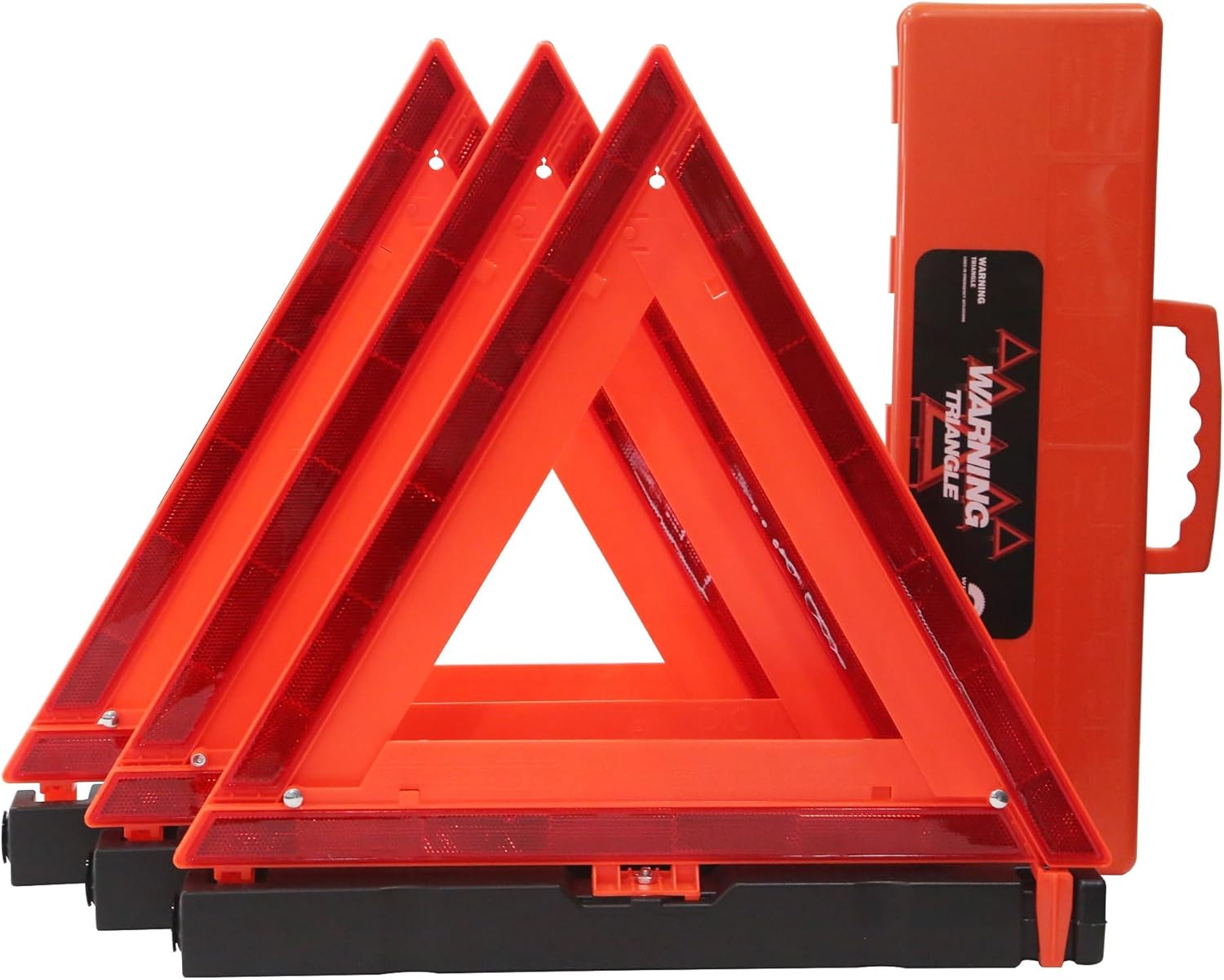
Reflective Safety Triangle
When a Toyota Highlander Hybrid runs out of gasoline, its hybrid system automatically transitions into a very restricted electric-vehicle (EV) mode. This allows you to move a short distance at low speed to find safety, but it is not designed for normal driving. The gasoline engine is essential for full power, acceleration, and operating systems like the air conditioning. Ignoring low-fuel warnings will eventually lead to a complete stop, and attempting to restart or drive extensively in this limited mode can cause damage. Understanding this behavior is crucial for safe and responsible ownership of any hybrid vehicle.
Key Takeaways
- Automatic Transition to EV Mode: The Highlander Hybrid will silently switch to battery-only power when it detects no fuel, enabling slow movement for emergency situations only.
- Severely Limited Performance: In this mode, speed is capped (typically below 25 mph), acceleration is very sluggish, and accessory use (like A/C) will drain the battery rapidly.
- Dashboard Warnings Are Clear: Multiple warning lights and messages (like “Check Hybrid System” or a blinking fuel icon) will appear long before you completely run out, signaling an urgent need for fuel.
- It’s Not Designed for Regular Driving: The EV mode after running out of gas is a “limp-home” feature, not a substitute for fuel. Prolonged use can overheat the hybrid battery or cause other system errors.
- Immediate Safe Action Required: You must pull over safely, turn off the engine, and call for roadside assistance or fuel delivery. Do not attempt to restart or drive further.
- Prevention is the Best Strategy: Regularly monitor your fuel gauge, heed the low-fuel warning light, and avoid pushing your luck. Knowing your Highlander’s fuel capacity helps set realistic expectations.
- Different from an Electric Vehicle: Unlike a pure EV that can drive until its battery is empty, a hybrid’s small battery is meant for辅助 assistance, not primary propulsion without gasoline.
[FEATURED_IMAGE_PLACEHOLDER]
📑 Table of Contents
- Understanding Your Hybrid: It’s Not Just a Car That Sometimes Uses Electricity
- The Moment of Truth: What Actually Happens When the Pump Runs Dry
- The Stark Reality of Emergency EV Mode: Limited Power and Range
- What You Should Do (And Absolutely Shouldn’t Do) When It Happens
- Prevention: Your Best Defense Against a Stranded Hybrid
- The Bigger Picture: Comparing Fluid Emergencies in Your Vehicle
Understanding Your Hybrid: It’s Not Just a Car That Sometimes Uses Electricity
Owning a Toyota Highlander Hybrid comes with fantastic benefits: outstanding fuel economy, smooth acceleration, and a reputation for reliability. But its genius lies in its dual-power system—a gasoline engine working seamlessly with electric motors. This partnership is so smooth that you might occasionally forget you’re driving a hybrid. That’s why the moment it runs out of gas can feel both surprising and confusing. It’s critical to understand that your Highlander Hybrid is not an electric vehicle with a gas generator as a backup. It is a gasoline-powered vehicle that uses electricity to make it more efficient. The gasoline engine is the primary, long-range power source. The electric battery is a helper, not the main event.
When your fuel gauge hits empty, the vehicle’s computer doesn’t just shut down. Instead, it activates a fail-safe protocol. Think of it like a submarine using its emergency ballast tanks to surface—it’s a controlled maneuver for one purpose: to get you to safety, not to continue your journey. This system is designed to prevent you from being stranded in a dangerous location, like the middle of a busy highway. However, it comes with significant, non-negotiable limitations. Pushing this emergency mode beyond its intended purpose is a surefire way to cause expensive damage. To truly grasp what happens, we need to look under the hood at how this sophisticated powertrain works.
The Gasoline Engine: The Unseen Workhorse
In the Toyota Hybrid Synergy Drive system used in the Highlander, the gasoline engine does the heavy lifting for highway cruising, rapid acceleration, and charging the hybrid battery. It’s connected to the drivetrain and spins a generator that produces electricity. When you’re driving normally, the computer constantly decides the most efficient blend of gas and electric power. This engine is not just for moving the car; it also powers the air conditioning compressor and the power steering in most models. Without it running, these systems either become ineffective or draw excessive power from the small high-voltage battery.
This is a key distinction from questions like what happens if your electric car runs out of battery. An EV’s entire propulsion system is electric. Its battery is massive and designed to power the car for hundreds of miles. Running it empty simply means you’re done. In your Highlander Hybrid, the small battery (typically around 1.6 kWh) has a tiny range—maybe 1-2 miles at most—and is not built to sustain the car’s full electrical load for long. The gas engine is the primary source for recharging it during normal operation.
The Moment of Truth: What Actually Happens When the Pump Runs Dry
So, you’ve ignored the low-fuel warning light, the dash chime, and the decreasing estimated range. The needle is firmly on E. What’s the sequence of events? It’s not an instant stall. The transition is methodical and deliberate, guided by the vehicle’s computer.

Visual guide about What Happens When a Toyota Highlander Hybrid Runs Out of Gas?
Image source: motortrend.com
First, as fuel pressure drops critically low, the gasoline engine will begin to starve. You might feel a slight shudder or a momentary loss of power as the engine struggles. The hybrid system’s diagnostic software detects this instability. Within seconds, it makes a decision: it will attempt to keep you moving using only the electric motor (MG2) powered by the hybrid battery. The gasoline engine will shut off completely. The familiar hum of the hybrid powertrain will change to a near-silent whir of the electric motor. This is your cue that you are now in an emergency, limited-operations mode.
Dashboard Alerts: Your Final Warnings
Before the engine actually quits, your dashboard will become a concert of warnings. The most common sequence includes:
- A brightly illuminated, often blinking, low fuel indicator (a gas pump icon).
- A warning message in the multi-information display that reads “REFUEL” or “FUEL LEVEL LOW.”
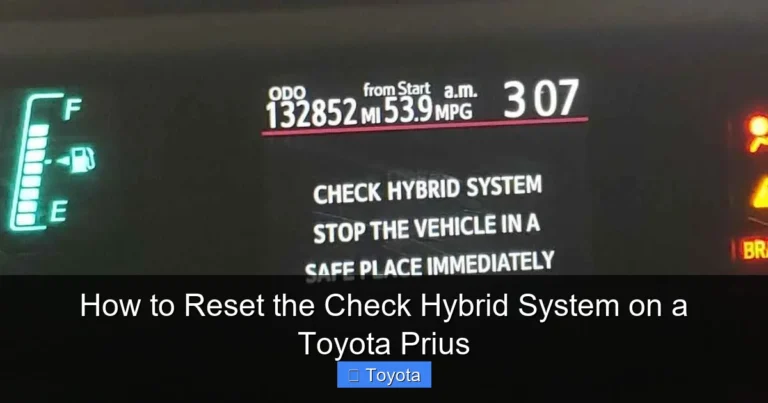
- Possibly a “Check Hybrid System” warning light, which in this context is the car’s way of saying the hybrid system is operating abnormally due to lack of fuel.
- In some models, a tone will sound continuously until you refuel or shut off the car.
These warnings are not suggestions; they are urgent pleas. Once the gasoline engine fully shuts down and you are in EV-only mode, the warnings will intensify. The “Check Hybrid System” light may remain on, and you may see a message indicating you are in “EV Mode Only” or similar. At this point, your driving envelope has shrunk dramatically.
The Stark Reality of Emergency EV Mode: Limited Power and Range
This is the most important section to understand. Your Highlander Hybrid’s emergency EV mode is a stripped-down, low-power state. It is engineered for one thing: moving you a short distance (think a mile or two, maximum) at a very cautious speed to a safe location off the roadway. It is not for driving to the next gas station.

Visual guide about What Happens When a Toyota Highlander Hybrid Runs Out of Gas?
Image source: di-sitebuilder-assets.dealerinspire.com
Speed and Acceleration: Expect a Crawl
In this mode, the vehicle’s speed is electronically limited, usually to about 25 mph (40 km/h). You will not be able to accelerate onto a highway or keep up with traffic on a main road. The accelerator pedal will feel unresponsive. The car will move, but it will be a slow, deliberate crawl. Merging is impossible. This is a safety feature to prevent you from causing an accident due to sudden power loss or your own misjudgment of the car’s capabilities.
The Climate Control Compromise
Here’s where comfort becomes a casualty. The gasoline engine typically powers the air conditioning compressor. With the engine off, the A/C will either stop working entirely or will operate in a minimal, inefficient mode by drawing power directly from the hybrid battery. If you turn the A/C on, you will drain the small battery in a matter of minutes, and the car will then come to a complete stop. The same often applies to the heater, which uses engine heat. Without the engine running, you will get no heat. In cold weather, this becomes a serious safety issue very quickly. Your priority must be to move the car to safety before considering comfort.
Battery Drain and System Shutdown
The hybrid battery has a very small reserve for this emergency mode. Every second you spend driving in it, and every accessory you use (radio, lights, wipers), drains that reserve. Once the battery reaches a critically low state of charge, the system will perform a final, complete shutdown to protect the battery’s health. The car will slow to a stop and will not move again until it is refueled and potentially reset by a dealer. At this point, you are truly stranded and will require a tow.
What You Should Do (And Absolutely Shouldn’t Do) When It Happens
Finding yourself in this situation is stressful. Your actions in the next few minutes are critical for your safety and your car’s well-being.

Visual guide about What Happens When a Toyota Highlander Hybrid Runs Out of Gas?
Image source: i0.wp.com
Step 1: Assess and Move to Safety Immediately
As soon as you feel the engine cut out or see the severe warnings, your only goal is to get the vehicle out of active traffic. Use the slow, electric-powered momentum to steer the car onto the shoulder, a side street, a parking lot, or any area away from moving vehicles. Use your hazard lights. Do not continue driving on the main road, even at 25 mph, as you are a hazard to others and yourself.
Step 2: Shut Down and Call for Help
Once you are safely off the road, turn off the ignition. Shift to Park. Do not try to restart the engine—it will fail because there is no fuel. Do not try to “make it” to the gas station by driving slowly; you will drain the battery and stop closer to the problem. Call roadside assistance or a friend with a gas can. If you are on a highway, it is often safer to stay in your vehicle with seatbelts on while waiting for help, especially at night or in bad weather.
Step 3: Refuel Properly
When help arrives with fuel, add a few gallons. You should then be able to start the gasoline engine normally. It may take a moment for the fuel to prime the system. Drive immediately to the nearest gas station and fill the tank completely. After refueling, the “Check Hybrid System” light may stay on for a short drive. This is often a residual warning from the low-fuel event. If it persists after a fill-up and a restart, a dealer may need to clear the code, but often it will go away on its own after the car completes a few drive cycles.
What NOT To Do
- Do not try to push the car. Hybrid systems are not designed to be push-started and it can cause damage.
- Do not attempt to tow it with all four wheels on the ground. This can severely damage the hybrid transmission and electrical components. It must be flat-bedded or towed with a dolly.
- Do not keep driving once you are in the limited EV mode “limp home” state. You are actively depleting the hybrid battery’s emergency reserve.
- Do not ignore the initial low-fuel warnings. The transition to EV mode is a last resort, not a feature to be used regularly.
Prevention: Your Best Defense Against a Stranded Hybrid
The old rule of thumb for conventional cars—you can drive 30-50 miles after the light comes on—does not apply to your Highlander Hybrid in the same way. While you might have a similar physical range in the tank, the functional range after the warning is much shorter because you must stop before the engine shuts down. Understanding your vehicle’s specific fuel capacity is the first step. For example, knowing how many gallons of gas a Toyota Highlander holds (typically around 17.9 gallons for recent models) helps you calculate a more accurate “safe” remaining range based on your average MPG.
Heed the Warnings Like a Check Engine Light
Treat the low-fuel chime and light with the same urgency as a “Check Engine” light. They are not there to annoy you; they are your car’s last line of communication before it disables primary functions. When the light comes on, your mission is to find fuel within the next 10-15 miles, ideally. Use your navigation system or phone to locate the nearest gas station. Do not wait until you are on a remote stretch of road with no exits.
Develop Good Habits
Make a habit of refueling when your tank reaches the 1/4 mark, not the 1/8 mark. This gives you a comfortable buffer and prevents you from ever being in a panic situation. If you frequently drive in areas with few gas stations, consider keeping a certified, proper container of fuel in your vehicle (where legal) for emergencies. Also, remember that seasonal changes and driving style (aggressive acceleration, using A/C constantly) can drastically reduce your real-world MPG from the EPA estimate, shrinking your safe range.
The Bigger Picture: Comparing Fluid Emergencies in Your Vehicle
Running out of fuel is just one of several critical fluid-related emergencies. It shares a common theme with others: the vehicle’s systems are designed to protect themselves when a vital resource is depleted, often by shutting down or entering a crippled state. For instance, what happens when oil runs out in a car is a far more catastrophic event. Without oil, the engine’s metal components weld together within minutes, causing total and irreversible engine failure. The hybrid system’s shutdown when out of gas is a gentle, reversible precaution compared to the grinding destruction of an oil-starved engine.
Similarly, what happens if your car runs out of oil involves a complete loss of lubrication, leading to overheating and seizing. The fuel emergency is about loss of primary energy, not loss of lubrication. The vehicle’s response is to conserve the limited energy it has left (the hybrid battery) rather than to prevent physical destruction. This is why you can usually recover from running out of gas simply by adding fuel, but running out of oil often means a new engine. Both situations, however, underscore one universal truth: your vehicle’s gauges and warnings exist for a reason. Respecting them is the cornerstone of reliable and safe car ownership.
Frequently Asked Questions
Can a Toyota Highlander Hybrid drive on electricity alone without gas?
Yes, but only under very specific, low-speed conditions for a few miles when the battery has a charge. It cannot drive indefinitely on battery alone. If it runs completely out of gas, it enters a crippled EV mode for emergency movement only, not normal operation.
How far can I drive in the emergency EV mode after running out of gas?
You should expect to drive only 1-2 miles at most, and at speeds no greater than 25 mph. The range is highly dependent on terrain, battery state, and whether you use accessories like headlights or wipers. The goal is to reach the shoulder, not a gas station.
Will running out of gas damage my Highlander Hybrid’s battery or engine?
Occasional, brief use of the emergency EV mode is designed into the system and should not cause damage. However, repeatedly running the car out of gas, or attempting to drive extensively in that mode, can over-stress the hybrid battery and cause the system to log fault codes. It is hard on the vehicle and should be avoided.
What does the “Check Hybrid System” warning mean when I run out of gas?
This warning appears because the hybrid system is no longer operating within its normal, designed parameters (i.e., the gas engine is off). It alerts you to the abnormal state. It will often clear itself after you refuel and drive normally for a short period, but if it persists, a dealer should scan for codes.
If I run out of gas, can I push-start or bump-start the hybrid?
No. The Toyota Hybrid system cannot be push-started. The high-voltage hybrid battery and complex electronics require the proper startup sequence initiated by the ignition system with fuel present. Attempting to push it may cause damage. You must call for roadside assistance with fuel or a tow.
What is the safest thing to do if my Highlander Hybrid stops on the highway because of no fuel?
If you have any momentum in the emergency EV mode, carefully steer onto the shoulder or an exit ramp. Turn on your hazard lights. If the car stops in a lane, stay in the vehicle with your seatbelt fastened if it is unsafe to exit, and call emergency roadside assistance. Do not try to push the car into traffic.