What Does the 285 Mean on a Tire
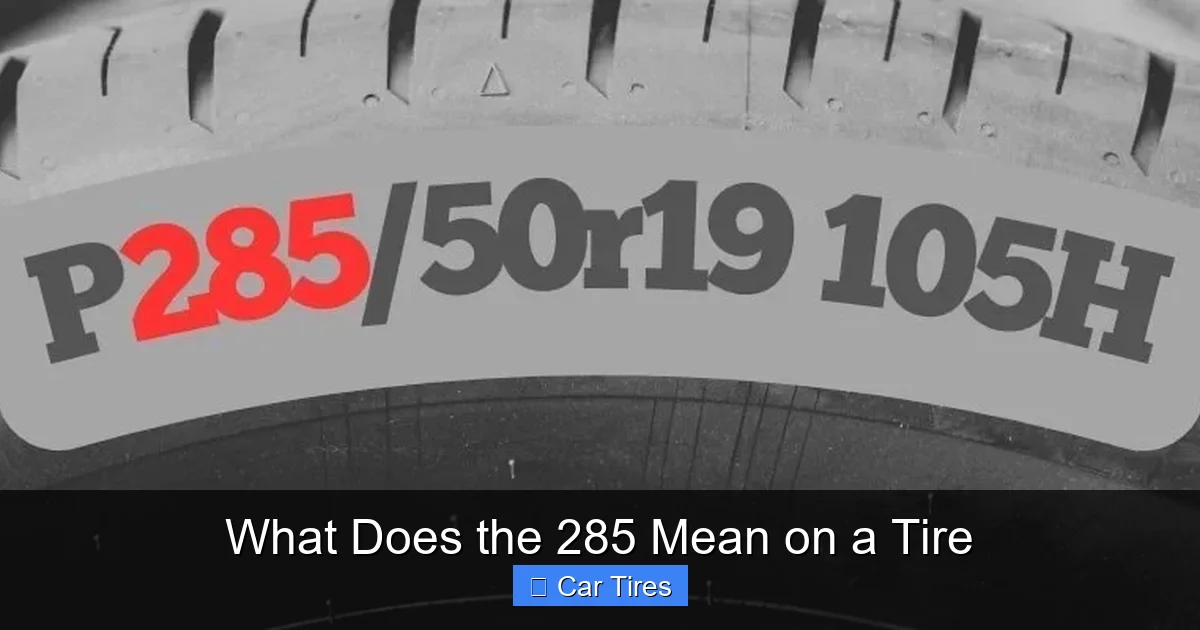
The number 285 on a tire refers to its tread width in millimeters—specifically, 285 mm from sidewall to sidewall. This measurement is part of a standardized tire size code that helps drivers choose the right tires for their vehicle, ensuring proper fit, handling, and safety.
In This Article
- 1 Key Takeaways
- 2 📑 Table of Contents
- 3 What Does the 285 Mean on a Tire? A Complete Guide
- 4 Breaking Down the Tire Size Code
- 5 Why Tire Width Matters: The Impact of 285 mm
- 6 Common Vehicles That Use 285 Tires
- 7 How to Choose the Right 285 Tire for Your Vehicle
- 8 Installation and Maintenance Tips for 285 Tires
- 9 Conclusion: Understanding the 285 on a Tire
- 10 Frequently Asked Questions
Key Takeaways
- 285 indicates tread width: The number 285 represents the tire’s width in millimeters, measured from one sidewall to the other.
- Part of a larger size code: 285 is just one component of a full tire size like 285/70R17, which includes aspect ratio and wheel diameter.
- Affects vehicle performance: Wider tires like 285s can improve traction and stability but may reduce fuel efficiency.
- Common on trucks and SUVs: 285-width tires are popular on larger vehicles due to their load capacity and off-road capability.
- Must match rim width: Installing a 285 tire requires a compatible wheel width to ensure safety and optimal performance.
- Inflation and load matter: Always check the tire’s load index and maintain proper air pressure for longevity and safety.
- Consult a professional: When upgrading or replacing tires, seek expert advice to avoid fitment or handling issues.
📑 Table of Contents
- What Does the 285 Mean on a Tire? A Complete Guide
- Breaking Down the Tire Size Code
- Why Tire Width Matters: The Impact of 285 mm
- Common Vehicles That Use 285 Tires
- How to Choose the Right 285 Tire for Your Vehicle
- Installation and Maintenance Tips for 285 Tires
- Conclusion: Understanding the 285 on a Tire
What Does the 285 Mean on a Tire? A Complete Guide
If you’ve ever looked at the side of a tire and seen a string of numbers like “285/70R17” or “285/65R18,” you might have wondered what that first number—285—actually means. It’s not just a random digit. In fact, it’s a crucial part of the tire’s size specification, and understanding it can help you make smarter decisions when buying, replacing, or upgrading your tires.
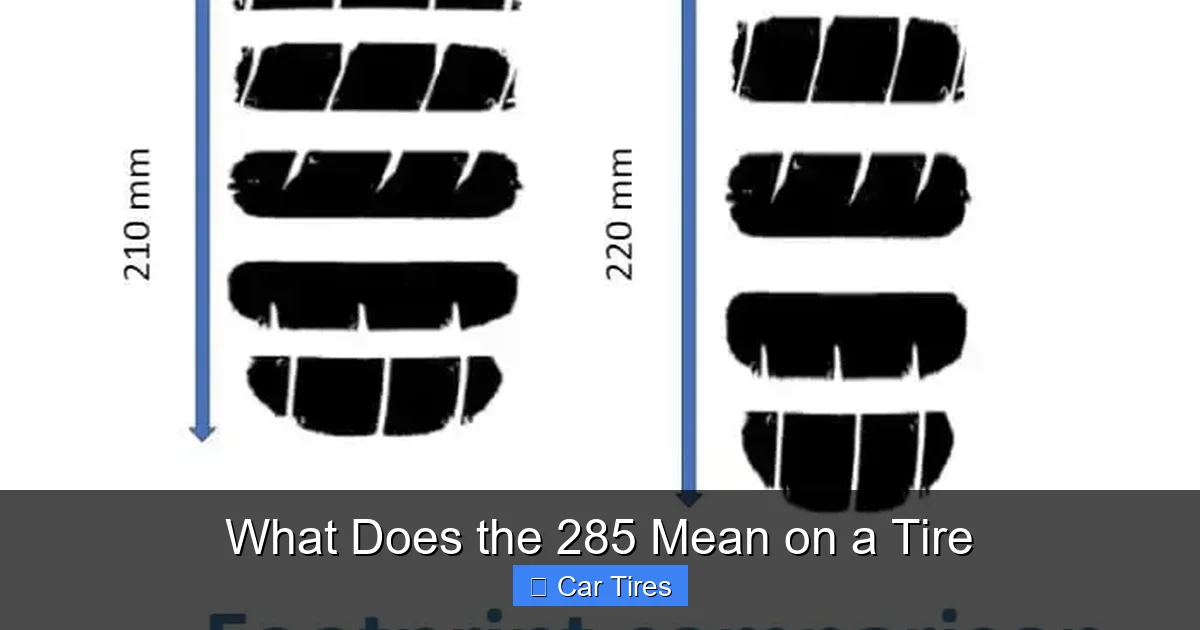
The number 285 refers to the tire’s **section width**, which is the distance from one sidewall to the other, measured in millimeters. So, a tire labeled 285 is 285 millimeters wide—roughly 11.2 inches. This measurement is taken when the tire is mounted on the correct rim and inflated to the recommended pressure. It’s one of the first things manufacturers and mechanics look at when determining if a tire will fit your vehicle and perform as expected.
But why does this number matter so much? Because tire width directly affects how your vehicle handles, grips the road, and even how much fuel it uses. A wider tire like a 285 can offer better traction, especially in off-road or high-performance situations, but it might also increase rolling resistance and reduce gas mileage. Knowing what 285 means helps you balance performance, safety, and efficiency based on your driving needs.
Breaking Down the Tire Size Code
Visual guide about What Does the 285 Mean on a Tire
Image source: ansvers.com
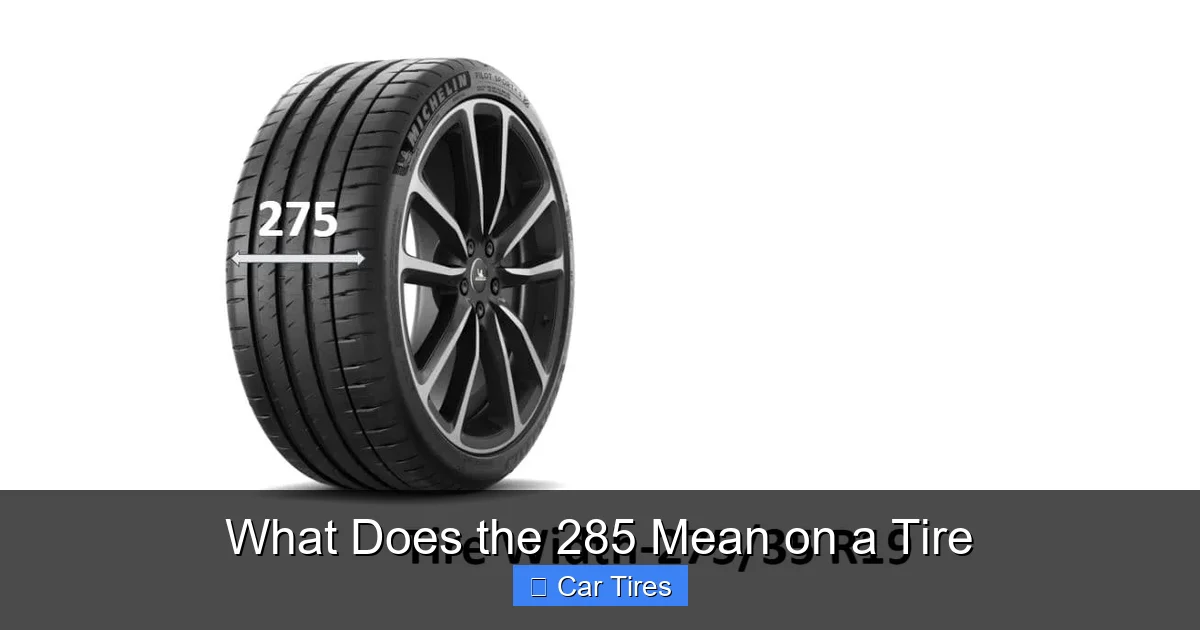
Tire sizes aren’t just random numbers—they follow a standardized format set by organizations like the Tire and Rim Association (TRA) and the International Organization for Standardization (ISO). The full size code gives you a complete picture of the tire’s dimensions and capabilities. Let’s use “285/70R17” as an example to break it down.
Section Width: The 285
As mentioned, the first number—285—is the **section width** in millimeters. This is the width of the tire’s tread, not including the sidewalls. It’s measured across the widest point of the tire when it’s properly mounted and inflated. For context, a typical passenger car tire might be 205 or 225 mm wide, while a 285 is significantly broader, often found on trucks, SUVs, and performance vehicles.
Wider tires like the 285 provide a larger contact patch with the road. That means more rubber touching the pavement, which can improve grip during acceleration, braking, and cornering. This is especially useful for heavy vehicles or those used for towing, off-roading, or high-speed driving.
Aspect Ratio: The 70
The second number in the sequence—70 in this case—is the **aspect ratio**. This is the height of the tire’s sidewall expressed as a percentage of the section width. So, a 70 aspect ratio means the sidewall height is 70% of 285 mm, which equals 199.5 mm (or about 7.85 inches).
A lower aspect ratio (like 50 or 60) means a shorter, stiffer sidewall, which is common on performance tires for better handling. A higher ratio (like 70 or 75) means a taller sidewall, which can offer a more comfortable ride and better shock absorption—ideal for off-road or rough terrain driving.
Construction Type: The “R”
The letter “R” stands for **radial construction**, which is the most common type of tire today. Radial tires have layers of fabric and steel belts running radially across the tire, from bead to bead. This design offers better fuel efficiency, longer tread life, and improved handling compared to older bias-ply tires (marked with a “D”).
Wheel Diameter: The 17
The final number—17—is the **wheel diameter** in inches. This tells you what size rim the tire is designed to fit. In this case, a 285/70R17 tire fits a 17-inch wheel. It’s important to match this number exactly when replacing tires, as a tire made for a 17-inch rim won’t fit a 16-inch or 18-inch wheel.
Why Tire Width Matters: The Impact of 285 mm
Visual guide about What Does the 285 Mean on a Tire
Image source: i0.wp.com
Now that we know what 285 means, let’s explore why it matters. Tire width isn’t just about looks—it plays a major role in how your vehicle performs in real-world conditions.
Improved Traction and Stability
One of the biggest advantages of a wider tire like the 285 is **increased traction**. With more surface area in contact with the road, these tires can grip better, especially on dry pavement or loose surfaces like gravel and dirt. This is why you’ll often see 285-width tires on pickup trucks, SUVs, and off-road vehicles.
For example, if you drive a Ford F-150 or a Toyota Tacoma and frequently haul heavy loads or tow trailers, a 285 tire can provide the extra grip and stability you need. The wider footprint helps distribute weight more evenly, reducing the risk of slipping or losing control.
Enhanced Off-Road Performance
Off-road enthusiasts love wider tires because they perform better on uneven terrain. A 285 tire can roll over rocks, mud, and sand more easily than a narrower tire. The larger contact patch helps maintain traction when one wheel loses grip, which is common in rugged environments.
Additionally, wider tires can be run at lower pressures for off-roading, increasing their “floatation” over soft ground. This reduces the chance of getting stuck in mud or sand. Just remember to reinflate them when returning to paved roads to avoid uneven wear or damage.
Potential Drawbacks: Fuel Economy and Handling
While wider tires offer benefits, they’re not perfect for every situation. One common downside is **reduced fuel efficiency**. Wider tires create more rolling resistance, meaning your engine has to work harder to move the vehicle. This can lead to a drop in miles per gallon (MPG), especially on long highway drives.
Also, while wider tires can improve straight-line stability, they may make the steering feel heavier or less responsive. This is because there’s more rubber interacting with the road, which can slow down turn-in response. Some drivers notice this when switching from a 265 to a 285 tire on a performance car.
Noise and Ride Comfort
Another factor to consider is **road noise**. Wider tires, especially those with aggressive tread patterns, can be louder on the highway. The increased surface area means more interaction with the road, which can translate to more noise inside the cabin.
Additionally, while taller sidewalls (higher aspect ratio) can improve ride comfort, very wide tires with low profiles (low aspect ratio) may transmit more bumps and vibrations. If comfort is a priority, you might want to balance width with sidewall height.
Common Vehicles That Use 285 Tires

Visual guide about What Does the 285 Mean on a Tire
Image source: tireblogger.com
You’ll typically find 285-width tires on larger, heavier vehicles that need extra grip and load capacity. Here are some common applications:
Pickup Trucks
Full-size and heavy-duty pickup trucks like the Ford F-150, Chevrolet Silverado, Ram 1500, and Toyota Tundra often come with or can be upgraded to 285 tires. These trucks are used for towing, hauling, and off-roading, so the added width provides the necessary stability and traction.
For example, a Ram 2500 equipped with 285/70R17 tires can handle heavy payloads and rough terrain with confidence. The wider stance also improves high-speed stability, which is important when towing a trailer at highway speeds.
SUVs and Crossovers
Large SUVs like the Jeep Grand Cherokee, Toyota 4Runner, and Ford Expedition frequently use 285 tires, especially in off-road or performance trims. The Jeep Grand Cherokee SRT, for instance, uses 285/45R20 tires to deliver sports car-like handling while maintaining SUV practicality.
Even some luxury SUVs, like the Mercedes-Benz GLE or BMW X5, offer 285-width tires as an option for enhanced performance and a more aggressive stance.
Off-Road and Overland Vehicles
Overlanding and off-road builds often upgrade to 285 or even wider tires for better capability. Vehicles like the Toyota Land Cruiser, Ford Bronco, and modified Jeeps benefit from the increased ground clearance and traction that wider tires provide.
These tires are often paired with lifted suspensions and all-terrain or mud-terrain tread patterns to maximize off-road performance. However, such modifications may require adjustments to the fender wells or suspension to prevent rubbing.
How to Choose the Right 285 Tire for Your Vehicle
If you’re considering 285 tires for your vehicle, it’s important to choose the right type based on your driving habits, vehicle specifications, and performance goals.
Check Your Owner’s Manual
Always start by consulting your vehicle’s owner’s manual or the tire information placard (usually located on the driver’s door jamb). This will tell you the recommended tire size, load index, and speed rating. While you can often go up or down one size, going too far outside the recommended range can affect speedometer accuracy, ABS performance, and even cause tire rub.
Match the Rim Width
Tire width must be compatible with rim width. A 285 tire typically requires a rim between 8.5 and 10.5 inches wide. Installing it on a rim that’s too narrow or too wide can lead to poor handling, uneven wear, or even tire failure.
For example, a 285/70R17 tire is best suited for a 9-inch wide rim. If your wheels are only 8 inches wide, you might want to consider a slightly narrower tire like a 265 or 275.
Consider the Load Index and Speed Rating
The load index tells you how much weight the tire can safely carry. A higher number means greater capacity. For a 285 tire, the load index might range from 115 to 125, supporting 2,679 to 3,638 pounds per tire.
The speed rating (like S, T, H, V, or W) indicates the maximum speed the tire can sustain. For most trucks and SUVs, an “S” (112 mph) or “T” (118 mph) rating is sufficient, but performance vehicles may require “H” (130 mph) or higher.
Choose the Right Tread Pattern
The tread design affects performance in different conditions:
– **All-season tires** offer a balance of wet, dry, and light snow traction.
– **All-terrain tires** are great for mixed on- and off-road use.
– **Mud-terrain tires** provide maximum grip in mud, rocks, and sand but can be noisy on pavement.
– **High-performance tires** focus on dry handling and braking but may wear faster.
For example, if you drive mostly on highways but occasionally go off-road, an all-terrain 285 tire like the BFGoodrich All-Terrain T/A KO2 is a solid choice.
Factor in Cost and Longevity
Wider tires like the 285 often cost more than narrower ones, both upfront and over time. They may also wear faster due to increased friction and heat buildup. Look for tires with a high treadwear rating (e.g., 600 or above) for longer life.
Also, consider the cost of installation, alignment, and potential modifications (like fender trimming or suspension upgrades) if you’re making a significant change.
Installation and Maintenance Tips for 285 Tires
Once you’ve chosen the right 285 tires, proper installation and maintenance are key to getting the most out of them.
Professional Installation
Always have your tires installed by a certified technician. They’ll ensure the tires are mounted correctly, balanced, and aligned. Improper installation can lead to vibration, uneven wear, or even tire separation at high speeds.
Regular Rotation and Alignment
Rotate your tires every 5,000 to 7,500 miles to promote even wear. Front and rear tires wear differently, especially on rear-wheel-drive or all-wheel-drive vehicles. Regular alignment checks (at least once a year or after hitting a pothole) help prevent uneven tread wear and steering issues.
Maintain Proper Inflation
Check tire pressure monthly and before long trips. Underinflated tires can overheat, wear unevenly, and reduce fuel economy. Overinflated tires may wear in the center and offer a harsher ride. Use the pressure recommended in your owner’s manual—not the max pressure listed on the tire sidewall.
For a 285 tire, typical inflation might be around 35–45 PSI, but this varies by vehicle and load.
Inspect for Damage
Regularly inspect your tires for cuts, bulges, cracks, or embedded objects. Sidewall damage is especially dangerous and can lead to blowouts. If you notice any issues, have them checked by a professional immediately.
Seasonal Considerations
If you live in an area with harsh winters, consider switching to winter tires when temperatures drop below 45°F (7°C). Winter tires are made with softer rubber compounds that stay flexible in cold weather, providing better grip than all-season or all-terrain tires.
Conclusion: Understanding the 285 on a Tire
So, what does the 285 mean on a tire? Simply put, it’s the width of the tire in millimeters—285 mm, or about 11.2 inches. This number is a critical part of the tire size code and has a big impact on your vehicle’s performance, safety, and efficiency.
Wider tires like the 285 offer advantages in traction, stability, and off-road capability, making them ideal for trucks, SUVs, and performance vehicles. However, they may reduce fuel economy, increase road noise, and require compatible rims and proper maintenance.
When choosing 285 tires, always consider your vehicle’s specifications, driving habits, and performance needs. Consult your owner’s manual, match the rim width, and select the right tread pattern and load rating. And don’t forget regular maintenance—proper inflation, rotation, and alignment will keep your tires performing at their best.
Whether you’re upgrading for better off-road adventures or simply replacing worn-out tires, understanding what 285 means helps you make informed decisions. With the right knowledge and care, your 285 tires can deliver years of reliable, safe, and enjoyable driving.
Frequently Asked Questions
What does 285 mean on a tire?
The number 285 refers to the tire’s section width in millimeters—the distance from one sidewall to the other. It’s part of the full tire size code and helps determine fit and performance.
Can I put 285 tires on my car?
It depends on your vehicle’s specifications and wheel well clearance. Most cars aren’t designed for 285-width tires, but trucks and SUVs often are. Always check your owner’s manual or consult a tire professional.
Are 285 tires good for off-roading?
Yes, 285 tires are excellent for off-roading due to their wide footprint and ability to maintain traction on loose or uneven terrain. They’re commonly used on trucks and SUVs built for rugged conditions.
Do wider tires like 285 reduce gas mileage?
Generally, yes. Wider tires increase rolling resistance, which can reduce fuel efficiency. However, the impact varies by vehicle, driving style, and tire type.
What rim width is needed for a 285 tire?
A 285 tire typically fits best on rims between 8.5 and 10.5 inches wide. Using a rim outside this range can affect handling, wear, and safety.
Can I mix 285 tires with different sizes?
No, it’s not recommended. Mixing tire sizes can affect handling, ABS, traction control, and speedometer accuracy. Always use matching tires on all four wheels.