What Does Hold Mean on a Toyota Rav4?

Contents

Car USB Charger

Car Bumper Protector

Tire Pressure Monitoring System (TPMS)
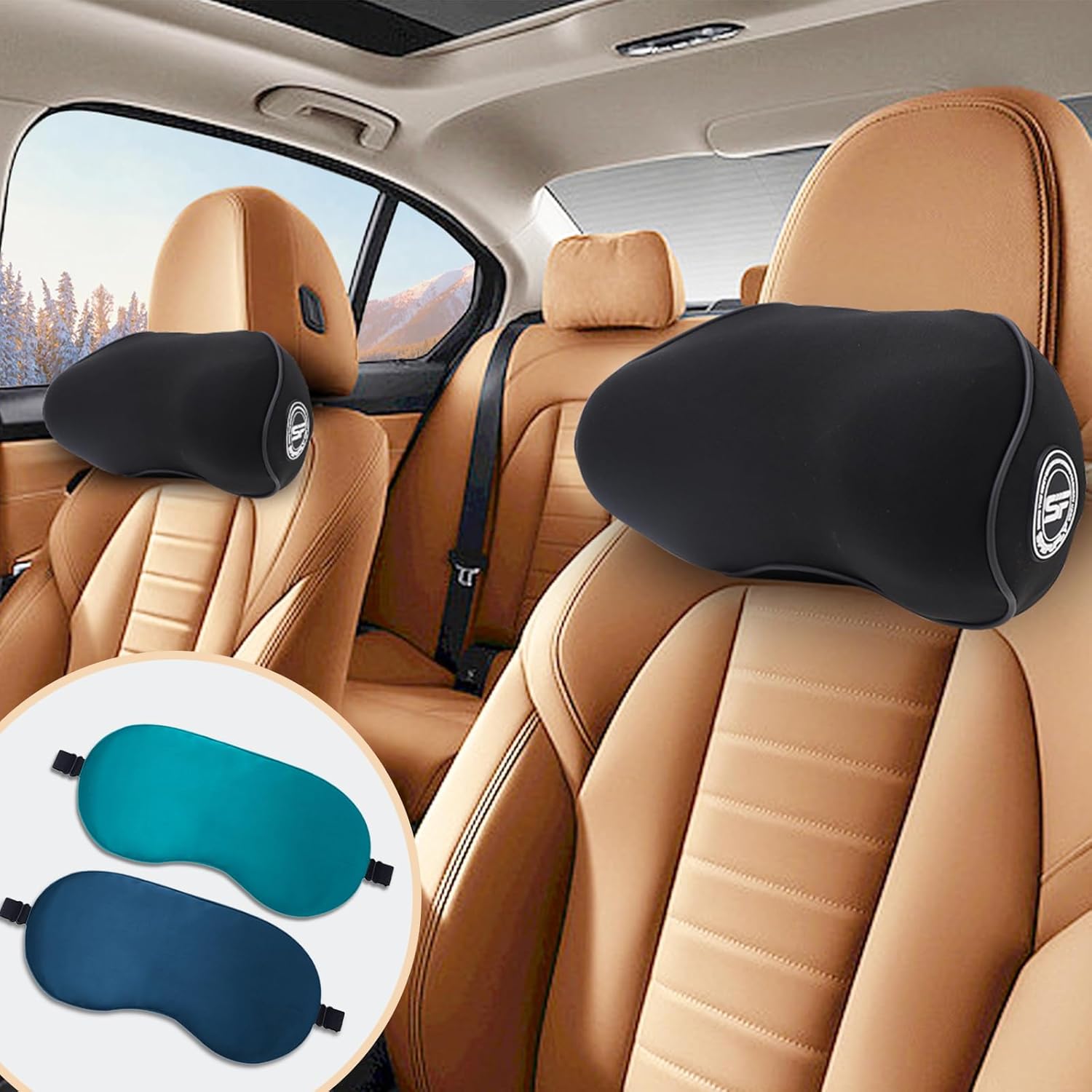
Car Neck Pillow
The “Hold” button on a Toyota RAV4 is a smart driving feature designed to improve control, reduce gear shifting, and enhance fuel efficiency in specific driving conditions. It’s especially useful in stop-and-go traffic, steep hills, or when towing, helping drivers maintain smoother performance and safer handling.
Key Takeaways
- Hold Mode Prevents Unwanted Gear Shifts: It locks the transmission in a lower gear, reducing frequent upshifting and downshifting in traffic or on hills.
- Improves Traction and Control: Especially helpful on slippery roads or steep inclines, Hold mode gives you more engine braking and stability.
- Enhances Fuel Efficiency in City Driving: By minimizing unnecessary gear changes, it can help reduce fuel consumption during stop-and-go commutes.
- Easy to Activate and Deactivate: Simply press the “Hold” button on the center console—no complex setup required.
- Not for Highway Use: Hold mode is best used in low-speed situations; it’s not recommended for highway cruising.
- Works with Automatic Transmissions: Found on most modern RAV4 models with automatic or continuously variable transmissions (CVT).
- Can Help When Towing or Carrying Heavy Loads: Provides better power delivery and reduces strain on the transmission.
📑 Table of Contents
What Does Hold Mean on a Toyota RAV4?
If you’ve ever driven a Toyota RAV4—especially a newer model—you may have noticed a small button on the center console labeled “Hold.” At first glance, it might seem mysterious. What does it do? When should you use it? Is it safe to press? These are common questions among RAV4 owners, especially those new to the vehicle or upgrading from an older model.
The “Hold” feature on a Toyota RAV4 is a transmission control function designed to give drivers more command over gear selection in specific driving scenarios. It’s not a performance mode like “Sport” or “Eco,” nor is it related to parking or braking. Instead, Hold mode modifies how the automatic transmission behaves, particularly in low-speed or challenging conditions. Think of it as a smart assistant that helps your RAV4 make better decisions about when to shift gears—keeping you in control and your ride smoother.
Understanding what Hold does—and when to use it—can make a real difference in your driving experience. Whether you’re navigating city traffic, climbing a steep driveway, or towing a small trailer, this feature can enhance safety, comfort, and efficiency. In this guide, we’ll break down everything you need to know about the Hold button on your Toyota RAV4, from how it works to real-world applications and tips for getting the most out of it.
How Does the Hold Button Work?

Visual guide about What Does Hold Mean on a Toyota Rav4?
Image source: vehiclefreak.com
At its core, the Hold button on a Toyota RAV4 modifies the behavior of the vehicle’s automatic transmission. When activated, it prevents the transmission from automatically shifting into higher gears under certain conditions. Instead, it holds the transmission in a lower gear, which has several benefits depending on the driving situation.
Most modern RAV4 models come equipped with a Continuously Variable Transmission (CVT) or a traditional automatic transmission. Both systems are designed to shift gears smoothly and efficiently, but they can sometimes be too eager to upshift in an effort to save fuel. While that’s great on the highway, it can be a problem in stop-and-go traffic or on steep hills, where frequent shifting can lead to jerky movements, reduced engine braking, and even overheating in extreme cases.
When you press the Hold button, the vehicle’s computer (the Transmission Control Module, or TCM) receives a signal to delay upshifting. This means the engine stays in a lower gear longer, maintaining higher RPMs and providing more immediate power when you need it. It also increases engine braking, which is especially useful when going downhill.
For example, imagine you’re driving in heavy city traffic. Without Hold mode, your RAV4 might shift up to a higher gear as soon as you accelerate slightly, only to downshift again when you slow down. This constant shifting can feel jerky and may even cause the transmission to overheat over time. With Hold mode activated, the transmission stays in a lower gear, reducing the number of shifts and giving you smoother, more predictable performance.
It’s important to note that Hold mode doesn’t lock the transmission into a single gear permanently. Instead, it sets a limit on how high the transmission can shift under normal conditions. The system still allows for some flexibility—especially if you press the accelerator hard—but it prioritizes lower gears for better control.
When Is Hold Mode Activated?
The Hold button is typically located on the center console, near the gear shifter. It’s a simple push-button switch, often illuminated when active. Pressing it once activates Hold mode, and pressing it again turns it off. Some models may display a “HOLD” indicator on the instrument cluster when the feature is engaged.
Activation is instant and requires no special steps. You don’t need to be stopped or in a specific gear—just press the button while driving, and the system adjusts accordingly. However, it’s most effective at lower speeds, typically under 40 mph (64 km/h). At higher speeds, the benefits of Hold mode diminish, and the system may automatically deactivate or ignore the command to maintain efficiency and safety.
What Happens When Hold Is On?
When Hold mode is active, you’ll notice a few key changes in how your RAV4 drives:
– The engine may rev slightly higher than usual at low speeds, since it’s staying in a lower gear.
– Acceleration feels more responsive, especially from a stop or when merging into traffic.
– Downhill driving feels more controlled, with stronger engine braking reducing the need to ride the brakes.
– The transmission shifts less frequently, leading to a smoother ride in stop-and-go conditions.
These effects are subtle but noticeable, especially if you’re used to driving without Hold mode. Over time, you’ll likely appreciate the added control and comfort it provides in the right situations.
When Should You Use the Hold Button?

Visual guide about What Does Hold Mean on a Toyota Rav4?
Image source: vehiclefreak.com
Now that you know how Hold mode works, the next question is: when should you actually use it? While it’s not something you’ll need every day, there are several scenarios where activating Hold can make a big difference.
1. Stop-and-Go Traffic
One of the most common uses for Hold mode is in heavy city traffic. If you’re stuck in a traffic jam or navigating a busy downtown area, your RAV4’s transmission may constantly shift between gears as you accelerate and brake. This not only feels jerky but can also put extra strain on the transmission.
By turning on Hold mode, you reduce the frequency of gear changes. The transmission stays in a lower gear, providing smoother acceleration and deceleration. This makes your ride more comfortable and can even help prevent transmission overheating during prolonged idling or slow driving.
For example, if you’re driving in rush hour and constantly stopping at red lights, Hold mode can help your RAV4 respond more predictably. Instead of lurching forward when the light turns green, the vehicle accelerates more smoothly, reducing wear on the transmission and improving fuel efficiency over time.
2. Driving on Steep Hills or Mountain Roads
If you live in a hilly area or frequently drive on mountain roads, Hold mode can be a lifesaver—especially when going downhill. On steep descents, your brakes can overheat if you rely on them too much, leading to reduced stopping power (a condition known as brake fade).
Hold mode helps by increasing engine braking. When the transmission is held in a lower gear, the engine slows the vehicle more effectively, reducing the workload on your brakes. This is especially useful on long downhill stretches, where you might otherwise need to ride the brakes continuously.
Similarly, when climbing a steep hill, Hold mode ensures your RAV4 stays in a lower gear, providing maximum torque and power. This prevents the transmission from “hunting” between gears, which can happen when the vehicle struggles to maintain speed on an incline.
Imagine driving up a steep driveway or a winding mountain road. Without Hold mode, your RAV4 might shift up and down repeatedly as it tries to find the right gear. With Hold mode on, it stays in a lower gear, delivering consistent power and a smoother ride.
3. Towing or Carrying Heavy Loads
If you use your RAV4 for towing a small trailer, boat, or carrying heavy cargo, Hold mode can improve performance and safety. Towing puts extra strain on the engine and transmission, and the vehicle may struggle to maintain speed or shift smoothly under load.
Activating Hold mode keeps the transmission in a lower gear, providing more torque and reducing the risk of overheating. It also helps prevent the transmission from shifting up too soon, which can cause lugging or stalling when towing uphill.
For instance, if you’re pulling a small camper up a hill, Hold mode ensures your RAV4 delivers steady power without constantly shifting gears. This not only improves performance but also extends the life of your transmission.
4. Slippery or Icy Road Conditions
In winter weather or on wet, slippery roads, Hold mode can enhance traction and control. By keeping the transmission in a lower gear, the engine provides more consistent power delivery, reducing the chance of wheel spin during acceleration.
This is especially helpful when starting from a stop on ice or snow. Without Hold mode, the transmission might shift up too quickly, causing the wheels to lose grip. With Hold mode, the lower gear helps maintain traction, giving you better control in challenging conditions.
Additionally, the increased engine braking can help you slow down more gradually, reducing the risk of skidding.
5. Driving in Snow or Off-Road Conditions
If you take your RAV4 off the beaten path—whether on snowy trails, gravel roads, or muddy paths—Hold mode can be a valuable tool. Off-road driving often requires precise control over speed and power, and frequent gear shifts can make the vehicle feel unstable.
By using Hold mode, you maintain a steady gear, which helps with traction and reduces the chance of getting stuck. It’s particularly useful when crawling over rocks or navigating deep snow, where smooth, controlled movement is key.
Benefits of Using Hold Mode

Visual guide about What Does Hold Mean on a Toyota Rav4?
Image source: cozyhomehq.com
Now that we’ve covered when to use Hold mode, let’s look at the broader benefits it offers. While it may seem like a small feature, the Hold button can have a meaningful impact on your driving experience, vehicle performance, and even long-term maintenance.
Improved Fuel Efficiency in City Driving
One of the most surprising benefits of Hold mode is its potential to improve fuel economy—especially in urban environments. While it might seem counterintuitive (since the engine runs at higher RPMs), reducing unnecessary gear shifts can actually save fuel.
In stop-and-go traffic, frequent shifting forces the transmission to work harder, consuming more energy. By minimizing these shifts, Hold mode allows the engine to operate more efficiently. Over time, this can lead to noticeable fuel savings, particularly if you spend a lot of time in city driving.
Of course, Hold mode is not designed for highway use, where higher gears are more efficient. But for daily commutes, errands, or traffic-heavy routes, it can be a smart choice.
Enhanced Driving Comfort and Control
Nobody likes a jerky, unpredictable ride. Hold mode helps eliminate the “hunting” behavior that some automatic transmissions exhibit in low-speed conditions. Instead of constantly shifting up and down, your RAV4 maintains a steady gear, resulting in smoother acceleration and deceleration.
This is especially helpful for passengers who are sensitive to motion or for drivers who prefer a more relaxed driving style. Whether you’re picking up kids from school or navigating a busy parking lot, Hold mode can make the experience more comfortable.
Reduced Wear and Tear on the Transmission
Frequent gear shifting doesn’t just feel annoying—it can also wear out your transmission over time. Every shift puts stress on the internal components, and in extreme cases, it can lead to overheating or premature failure.
By reducing the number of shifts, Hold mode helps extend the life of your transmission. This is particularly important for RAV4 models with CVTs, which can be more sensitive to overheating and excessive use.
While no driving mode can completely prevent wear, using Hold mode wisely can help you get more miles out of your vehicle.
Better Safety in Challenging Conditions
Safety is always a top priority, and Hold mode contributes to it in several ways. On steep hills, it reduces reliance on brakes, lowering the risk of brake fade. On slippery roads, it improves traction and control. And in traffic, it provides more predictable handling.
These benefits may seem small, but they can make a big difference in emergency situations. For example, if you need to accelerate quickly to avoid a hazard, Hold mode ensures your RAV4 responds immediately, without delay from gear shifts.
Common Misconceptions About Hold Mode
Despite its usefulness, the Hold button is often misunderstood. Let’s clear up some of the most common myths and misconceptions.
Myth 1: Hold Mode Locks the Transmission in First Gear
This is a frequent misunderstanding. Hold mode does not lock the transmission into first gear or any single gear. Instead, it sets a limit on how high the transmission can shift under normal conditions. The system still allows for some flexibility—especially if you press the accelerator hard—but it prioritizes lower gears.
In other words, your RAV4 can still shift up, but it will do so more gradually and only when necessary. This ensures you get the benefits of Hold mode without sacrificing performance.
Myth 2: Hold Mode Is Only for Towing
While Hold mode is helpful when towing, it’s not limited to that use case. As we’ve seen, it’s also valuable in traffic, on hills, in bad weather, and during off-road driving. It’s a versatile feature that enhances control in many low-speed situations.
Myth 3: Hold Mode Drains the Battery or Harms the Engine
Some drivers worry that using Hold mode will strain the engine or drain the battery. This is not true. Hold mode is a normal function of the transmission system and is designed to be used regularly. It doesn’t draw extra power from the battery or put undue stress on the engine.
In fact, by reducing transmission strain, it may actually help protect your vehicle in the long run.
Myth 4: You Should Always Use Hold Mode in the City
While Hold mode is great for city driving, it’s not always the best choice. If you’re driving at consistent speeds—say, on a suburban road with minimal traffic—you may not need it. In those cases, letting the transmission shift normally can be more efficient.
The key is to use Hold mode when it provides a clear benefit, not as a default setting.
Tips for Using Hold Mode Effectively
To get the most out of the Hold button on your Toyota RAV4, keep these practical tips in mind:
– Use Hold mode in stop-and-go traffic, on hills, or when towing—don’t rely on it for highway driving.
– Activate it before you need it. For example, turn it on before entering a steep downhill stretch or a busy intersection.
– Pay attention to your driving conditions. If the road is clear and you’re cruising at a steady speed, Hold mode may not be necessary.
– Don’t forget to turn it off when you no longer need it. Leaving it on during highway driving can reduce fuel efficiency.
– Combine Hold mode with other driving aids, like traction control or downhill assist, for maximum safety in challenging conditions.
– If you’re unsure whether to use it, try it out in a safe, low-traffic area to see how your RAV4 responds.
Conclusion
The “Hold” button on a Toyota RAV4 is more than just a mysterious switch—it’s a smart, practical feature that enhances control, comfort, and efficiency in specific driving situations. Whether you’re stuck in traffic, climbing a hill, or driving in the snow, Hold mode helps your RAV4 perform at its best.
By understanding how it works and when to use it, you can make your driving experience smoother, safer, and more enjoyable. It’s not a feature you’ll need every day, but when you do, you’ll be glad it’s there.
So the next time you’re behind the wheel of your RAV4, don’t ignore that little “Hold” button. Give it a try—you might just discover a new favorite feature.
Frequently Asked Questions
What does the Hold button do on a Toyota RAV4?
The Hold button modifies the transmission behavior by preventing unnecessary upshifts, keeping the vehicle in a lower gear for better control, engine braking, and smoother performance in low-speed conditions.
Can I use Hold mode on the highway?
No, Hold mode is not recommended for highway driving. It’s designed for low-speed situations like traffic, hills, or towing. Using it at high speeds can reduce fuel efficiency and is unnecessary.
Does Hold mode save fuel?
Yes, in city driving. By reducing frequent gear shifts, Hold mode can improve fuel efficiency in stop-and-go traffic, though it’s less effective on highways.
Is it safe to use Hold mode in the rain or snow?
Yes, Hold mode can improve traction and control in slippery conditions by maintaining a steady gear and providing better engine braking, reducing the risk of wheel spin.
Will using Hold mode damage my transmission?
No, Hold mode is a factory-designed feature and safe to use. In fact, it can reduce wear by minimizing unnecessary shifting and overheating.
How do I know if Hold mode is active?
When Hold mode is on, a “HOLD” indicator usually appears on the instrument cluster, and you may notice the engine staying in a lower gear at low speeds.