
What Does Full Coverage Car Insurance Cover?

Full coverage car insurance combines liability, collision, and comprehensive coverage to offer broad protection for your vehicle and others. It helps pay for damages from accidents, theft, weather, and more—giving you peace of mind on every drive.
[FEATURED_IMAGE_PLACEOLDER]
Key Takeaways
- Full coverage includes liability, collision, and comprehensive insurance: This trio forms the core of most full coverage policies, protecting you financially in a wide range of situations.
- It covers damage to your own vehicle: Unlike basic liability insurance, full coverage pays for repairs or replacement of your car after accidents, theft, or natural disasters.
- It’s often required by lenders: If you’re financing or leasing a car, your lender will typically require full coverage to protect their investment.
- Coverage limits and deductibles vary: You can customize your policy by choosing higher coverage limits and lower deductibles, but this affects your premium.
- It does not cover everything: Mechanical breakdowns, regular wear and tear, and personal items in the car are usually not included.
- Optional add-ons enhance protection: Consider adding rental reimbursement, roadside assistance, or gap insurance for extra security.
- Shop around for the best value: Compare quotes from multiple insurers to find a policy that fits your needs and budget.
📑 Table of Contents
- What Does Full Coverage Car Insurance Cover?
- Understanding the Core Components of Full Coverage
- What Full Coverage Does NOT Cover
- Optional Add-Ons That Enhance Full Coverage
- Why Full Coverage Is Often Required by Lenders
- How to Choose the Right Full Coverage Policy
- Real-Life Examples of Full Coverage in Action
- Conclusion
What Does Full Coverage Car Insurance Cover?
When you’re behind the wheel, accidents can happen in the blink of an eye. A sudden stop, a distracted driver, or even a falling tree branch can turn your day upside down. That’s where full coverage car insurance comes in—it’s designed to protect you, your vehicle, and others on the road. But what exactly does “full coverage” mean? Despite the name, it doesn’t cover every possible scenario, but it does offer a much broader safety net than basic liability insurance.
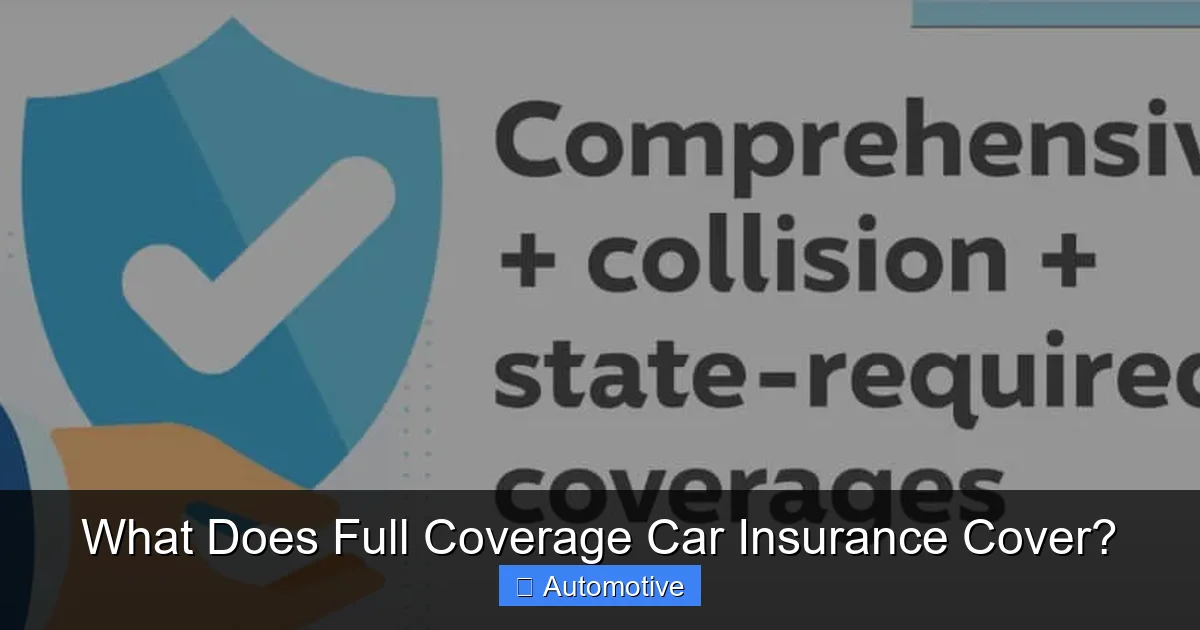
Full coverage car insurance is actually a combination of several types of coverage bundled together. Most commonly, it includes liability insurance (which covers damage you cause to others), collision coverage (for damage to your car from accidents), and comprehensive coverage (for non-collision events like theft or weather damage). Depending on your needs and insurer, you might also add extras like uninsured motorist protection, medical payments, or roadside assistance.
Think of full coverage as your financial backup plan. Whether you’re in a fender bender, your car gets stolen, or a hailstorm dents your roof, this type of policy helps you avoid paying out of pocket for costly repairs or replacements. It’s especially important if you drive a newer or more valuable vehicle, or if you’re still making loan or lease payments.
Understanding the Core Components of Full Coverage
Visual guide about What Does Full Coverage Car Insurance Cover?
Image source: 20milesnorth.com
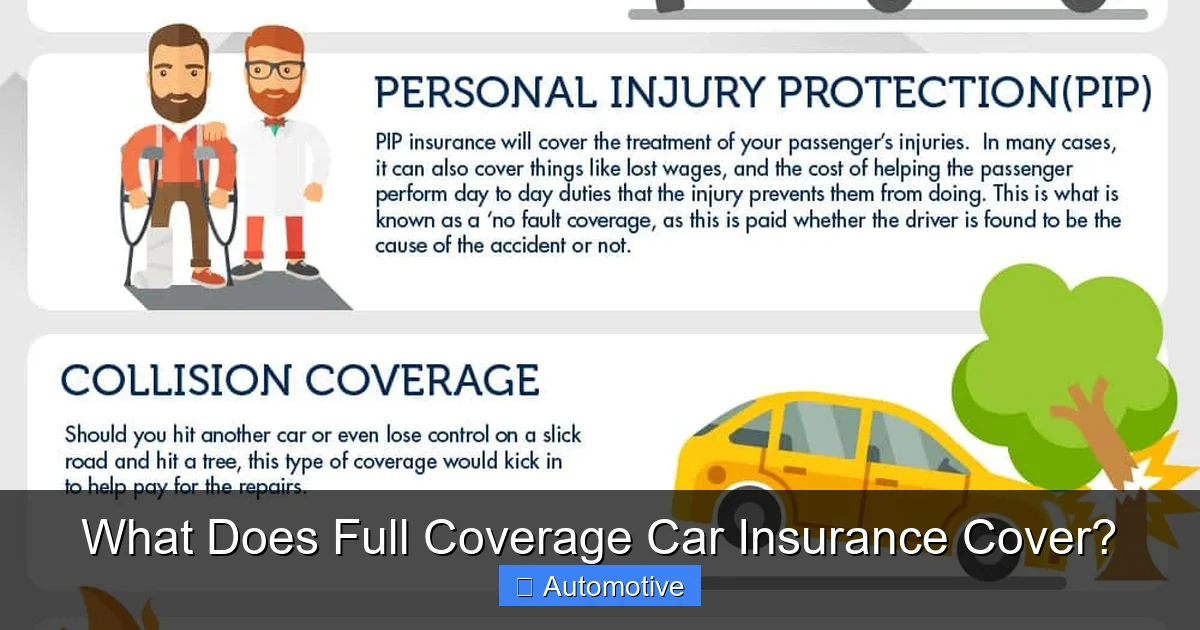
To truly understand what full coverage car insurance covers, it helps to break it down into its main parts. While the exact details can vary by insurer and state, most full coverage policies include three essential types of insurance: liability, collision, and comprehensive. Let’s take a closer look at each.
Liability Insurance: Protecting Others
Liability insurance is the foundation of any car insurance policy—and it’s required by law in almost every state. It covers the costs if you’re at fault in an accident that causes injury to another person or damage to their property. There are two main parts to liability coverage:
– Bodily Injury Liability: This pays for medical expenses, lost wages, and even legal fees if someone is injured in an accident you caused. For example, if you rear-end another driver and they need surgery, your bodily injury liability helps cover those costs.
– Property Damage Liability: This covers the cost of repairing or replacing another person’s vehicle or property. If you crash into someone’s fence or damage a storefront, this part of your policy steps in.
Liability insurance does not cover your own injuries or vehicle damage—that’s where the other parts of full coverage come in.
Collision Coverage: Repairing Your Vehicle After an Accident
Collision coverage pays to repair or replace your car if it’s damaged in a collision with another vehicle or object—regardless of who’s at fault. This includes accidents like hitting a pole, rolling your car, or crashing into another driver.
For instance, imagine you’re driving home during a rainstorm and hydroplane into a guardrail. Your car’s front end is smashed, and the airbags deployed. With collision coverage, your insurer will pay for the repairs (minus your deductible). Without it, you’d be stuck paying thousands out of pocket.
One important thing to remember: collision coverage only applies to physical damage from accidents. It doesn’t cover mechanical failures, wear and tear, or damage from non-collision events like theft or flooding.
Comprehensive Coverage: Protection Beyond Collisions
Comprehensive coverage is sometimes called “other than collision” coverage because it handles a wide range of non-accident-related incidents. This is where full coverage really shines, offering protection against things that are out of your control.
Comprehensive coverage typically includes:
– Theft: If your car is stolen, comprehensive insurance can help cover the cost of a replacement (up to the car’s actual cash value).
– Vandalism: If someone breaks your windows or spray-paints your car, this coverage pays for repairs.
– Weather damage: Hail, floods, hurricanes, and even falling trees can damage your vehicle. Comprehensive coverage handles these events.
– Animal collisions: Hitting a deer, moose, or other large animal can cause serious damage. Comprehensive covers this, unlike collision, which usually applies to man-made objects.
– Fire and explosions: Whether it’s a house fire that spreads to your garage or a spontaneous engine fire, comprehensive steps in.
For example, if a severe thunderstorm brings golf-ball-sized hail that dents your hood and shatters your windshield, comprehensive coverage will pay for the repairs. Similarly, if your car is stolen from a parking lot and later found damaged, your insurer will cover the losses.
What Full Coverage Does NOT Cover
Visual guide about What Does Full Coverage Car Insurance Cover?
Image source: i.ytimg.com
While full coverage car insurance offers extensive protection, it’s not a magic shield that covers every possible problem. Understanding its limits is just as important as knowing what it includes.
Mechanical Breakdowns and Wear and Tear
Full coverage does not pay for routine maintenance or mechanical failures. If your transmission fails because of age or lack of oil changes, your insurer won’t cover the repair. These are considered normal wear and tear—part of owning a vehicle.
However, if a mechanical failure leads to an accident (like brakes failing and causing a crash), your collision coverage may still apply to the resulting damage. But the repair of the broken part itself? That’s on you.
Personal Items Inside the Vehicle
If your laptop, phone, or purse is stolen from your car, comprehensive coverage won’t reimburse you. These items are considered personal property, not part of the vehicle. You’d need to file a claim under your homeowner’s or renter’s insurance policy for such losses.
Some insurers offer optional add-ons for personal property, but it’s not standard. Always check your policy details.
Rental Cars and Ride-Sharing
Standard full coverage policies typically don’t cover damage to rental cars or vehicles used for ride-sharing (like Uber or Lyft). If you rent a car frequently, consider adding rental reimbursement coverage. For ride-sharing drivers, you’ll need a specialized commercial policy or a ride-share endorsement.
Intentional Damage or Illegal Activity
If you intentionally damage your own car or use it in a crime, your insurer will deny the claim. Insurance is meant to cover accidental or unforeseen events—not deliberate actions.
Business Use of Your Vehicle
Using your personal car for business deliveries or transporting clients usually voids coverage under a standard policy. If you’re using your vehicle for work, talk to your insurer about commercial auto insurance.
Optional Add-Ons That Enhance Full Coverage
Visual guide about What Does Full Coverage Car Insurance Cover?
Image source: images.contentstack.io
While the core components of full coverage provide strong protection, many drivers choose to add optional coverages for extra peace of mind. These extras can fill gaps and offer support in specific situations.
Rental Reimbursement
If your car is in the shop after an accident, rental reimbursement coverage pays for a rental car while yours is being repaired. This is especially helpful if you rely on your vehicle for commuting or family trips. Policies usually have daily and total limits (e.g., $30 per day, up to $900 total).
Roadside Assistance
Flat tire? Dead battery? Locked out of your car? Roadside assistance covers towing, jump-starts, tire changes, and lockout services. It’s a small add-on that can save you time, stress, and money in emergencies.
Gap Insurance
If you’re financing or leasing a car, gap insurance is a smart addition. It covers the “gap” between what your car is worth and what you still owe on your loan if the vehicle is totaled or stolen. For example, if your car is worth $15,000 but you owe $20,000, gap insurance pays the $5,000 difference.
This is especially useful for new cars, which depreciate quickly in the first few years.
New Car Replacement
Some insurers offer new car replacement coverage, which pays for a brand-new vehicle of the same make and model if your car is totaled within the first year or two of ownership. This protects you from depreciation losses.
Uninsured/Underinsured Motorist Coverage
If you’re hit by a driver with no insurance or insufficient coverage, this add-on pays for your medical bills and vehicle repairs. It’s required in some states and highly recommended in others.
Why Full Coverage Is Often Required by Lenders
If you’re financing or leasing a car, your lender will almost always require full coverage insurance. Why? Because they have a financial stake in the vehicle until the loan is paid off. If the car is damaged or stolen, they want to ensure it can be repaired or replaced so the loan can continue.
Lenders typically specify minimum coverage amounts for collision and comprehensive insurance. They may also require you to list them as a “loss payee” on your policy, meaning any claim checks are made out to both you and the lender.
This protects their investment and gives you peace of mind knowing your asset is covered. Once the loan is paid off, you can choose to drop collision and comprehensive coverage—but only if you own the car outright and are comfortable assuming the financial risk.
How to Choose the Right Full Coverage Policy
Not all full coverage policies are created equal. To get the best protection at a fair price, consider these tips:
Assess Your Vehicle’s Value
If you drive an older car with low market value, the cost of full coverage might exceed the car’s worth. In that case, liability-only insurance might make more financial sense. But for newer or high-value vehicles, full coverage is usually worth it.
Compare Deductibles
Your deductible is the amount you pay out of pocket before insurance kicks in. A higher deductible lowers your premium, but increases your upfront cost if you file a claim. Choose a deductible you can comfortably afford—common options are $250, $500, or $1,000.
Review Coverage Limits
Make sure your liability limits are high enough to protect your assets. Minimum state requirements are often too low. Consider increasing your bodily injury and property damage limits to $100,000/$300,000 or higher.
Shop Around Annually
Insurance rates change frequently. Compare quotes from at least three insurers each year to ensure you’re getting the best deal. Use online comparison tools or work with an independent agent.
Ask About Discounts
Many insurers offer discounts for safe driving, bundling home and auto policies, having anti-theft devices, or maintaining a good credit score. Ask about available savings to lower your premium.
Real-Life Examples of Full Coverage in Action
Let’s look at a few scenarios to see how full coverage car insurance works in real life.
Example 1: Rear-End Collision
Sarah is stopped at a red light when another driver slams into her from behind. Her car’s bumper is damaged, and the airbags deployed. The other driver is at fault, but their insurance is slow to respond.
With full coverage, Sarah files a claim under her collision coverage. Her insurer pays for the repairs (minus her $500 deductible), and she gets her car back quickly. She also uses her rental reimbursement to drive a loaner while her car is in the shop.
Example 2: Hailstorm Damage
During a spring storm, baseball-sized hail falls in Tom’s neighborhood. His car, parked outside, is dented and the windshield is cracked. He has comprehensive coverage with a $250 deductible.
Tom files a claim, and his insurer sends an adjuster to assess the damage. After paying his deductible, Tom gets a check to cover the full repair cost. Without comprehensive coverage, he’d have paid over $2,000 out of pocket.
Example 3: Car Theft
Maria’s car is stolen from a parking garage. She reports it to the police and her insurance company. After a 30-day waiting period (standard for theft claims), the car is not recovered.
Her comprehensive coverage pays her the actual cash value of the vehicle—$18,000—minus her $500 deductible. She uses the money to buy a new car. If she had gap insurance, it would also cover the remaining $3,000 on her loan.
Conclusion
Full coverage car insurance is one of the smartest investments you can make as a driver. It combines liability, collision, and comprehensive coverage to protect you from a wide range of risks—from accidents and theft to weather damage and vandalism. While it doesn’t cover everything, it offers a strong financial safety net that can save you thousands in unexpected costs.
Whether you’re financing a new car, driving a valuable vehicle, or simply want peace of mind on the road, full coverage is worth considering. Take the time to understand what’s included, compare policies, and customize your coverage to fit your needs. With the right policy in place, you can drive confidently, knowing you’re protected no matter what comes your way.
Frequently Asked Questions
Is full coverage car insurance required by law?
No, full coverage is not legally required in most states. However, if you’re financing or leasing a vehicle, your lender will typically require it to protect their investment.
Does full coverage include roadside assistance?
Not automatically. Roadside assistance is usually an optional add-on. You can purchase it separately or as part of a premium package from your insurer.
Can I drop full coverage on an older car?
Yes, once you own your car outright, you can choose to drop collision and comprehensive coverage. However, consider the risk—if your car is damaged, you’ll pay for repairs yourself.
Does full coverage pay for rental cars?
Only if you have rental reimbursement coverage. This optional add-on pays for a rental while your car is being repaired after a covered claim.
What happens if I don’t have full coverage and my car is totaled?
If you only have liability insurance, you won’t receive any payment for your totaled vehicle. You’d have to cover the cost of a replacement car out of pocket.
How much does full coverage car insurance cost?
Costs vary based on your location, driving record, vehicle, and coverage limits. On average, full coverage costs $1,500 to $2,000 per year, but shopping around can help you find better rates.