What Does Check Gauges Mean on a Dodge Ram

Contents
- 1 Key Takeaways
- 2 📑 Table of Contents
- 3 Understanding the “Check Gauges” Warning on Your Dodge Ram
- 4 What Gauges Should You Check When the Message Appears?
- 5 Common Causes of the “Check Gauges” Warning
- 6 How to Respond When You See “Check Gauges”
- 7 Preventing the “Check Gauges” Warning
- 8 When to See a Mechanic
- 9 Conclusion
- 10 Frequently Asked Questions



Seeing “Check Gauges” on your Dodge Ram dashboard? It’s a warning to inspect critical systems like oil pressure, temperature, or battery voltage. Ignoring it can lead to serious engine damage—don’t panic, but act quickly.
Key Takeaways
- Dashboard Warning Signal: “Check Gauges” alerts you to monitor key instrument readings like oil pressure, coolant temperature, or battery voltage.
- Not a Single Fault: This message doesn’t point to one specific issue—it’s a general prompt to review all critical gauges for abnormalities.
- Common Causes: Low oil pressure, overheating, charging system failure, or faulty sensors often trigger this warning.
- Immediate Action Required: Pull over safely and inspect gauges; continuing to drive can cause severe engine damage.
- Sensor or Wiring Issues: Sometimes the warning appears due to electrical glitches, not actual mechanical problems.
- Professional Diagnosis Recommended: Use an OBD-II scanner and consult a mechanic for accurate troubleshooting.
- Preventive Maintenance Helps: Regular oil changes, coolant checks, and battery inspections reduce the risk of triggering this alert.
📑 Table of Contents
Understanding the “Check Gauges” Warning on Your Dodge Ram
If you’re driving your Dodge Ram and suddenly see the words “Check Gauges” flash across your dashboard, your first reaction might be panic. Don’t worry—you’re not alone. Many Ram owners have encountered this message, and while it’s definitely a cause for attention, it doesn’t always mean disaster. Still, it’s not something you should ignore.
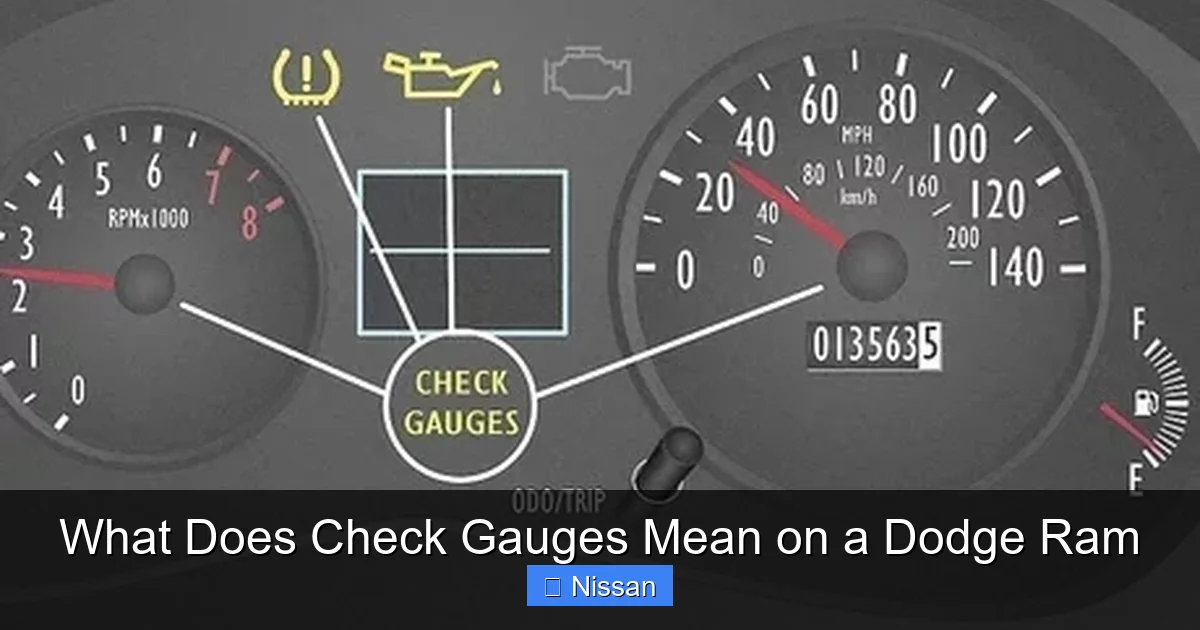
The “Check Gauges” message is a general warning from your truck’s onboard computer system. It’s essentially saying, “Hey, something might be off with one or more of your critical systems—please take a look at your gauges.” Unlike specific trouble codes that pinpoint a single issue (like a misfire or oxygen sensor failure), this alert is broader. It’s like your truck’s way of saying, “I’m not feeling quite right—check everything important.”
This warning typically appears on the instrument cluster, often accompanied by a chime or flashing light. It’s most common in Dodge Ram models from the early 2000s through the mid-2010s, especially those with the 5.7L HEMI V8 or 6.7L Cummins diesel engines. While modern Rams have more advanced diagnostics, the “Check Gauges” message still pops up when the system detects anomalies in key areas.
Why Does the Message Appear?
The “Check Gauges” alert is triggered when the vehicle’s Powertrain Control Module (PCM) detects that one or more critical systems are operating outside normal parameters. These systems include engine oil pressure, coolant temperature, battery voltage, and transmission temperature. The PCM monitors data from various sensors and compares it to expected values. If something seems off—like oil pressure dropping below safe levels or the engine overheating—the system will display this message to prompt the driver to investigate.
It’s important to understand that this warning isn’t diagnosing a specific problem. Instead, it’s a heads-up to manually check the gauges on your dashboard. For example, you might see the oil pressure gauge dipping into the red zone, or the temperature gauge climbing toward “H.” The message is your truck’s way of saying, “Don’t just keep driving—look at what’s happening under the hood.”
Common Scenarios When “Check Gauges” Shows Up
Let’s walk through a few real-life situations where this message might appear. Imagine you’re driving on the highway, and suddenly the “Check Gauges” light comes on. You glance at your dashboard and notice the engine temperature gauge is rising. That’s a red flag—your engine could be overheating. In this case, the message is urging you to pull over, turn off the engine, and check coolant levels.
Another scenario: you’re idling at a stoplight, and the message appears. You check the oil pressure gauge and see it’s lower than usual. This could indicate low oil levels, a failing oil pump, or a clogged oil filter. Continuing to drive in this state could lead to engine seizure.
Or maybe you’re towing a heavy trailer up a hill, and the message pops up. You notice the transmission temperature gauge is in the red. That’s a sign your transmission is overheating, possibly due to low fluid or excessive load. Again, the “Check Gauges” message is your early warning system.
In all these cases, the message isn’t the problem—it’s the solution. It’s giving you a chance to act before serious damage occurs.
What Gauges Should You Check When the Message Appears?
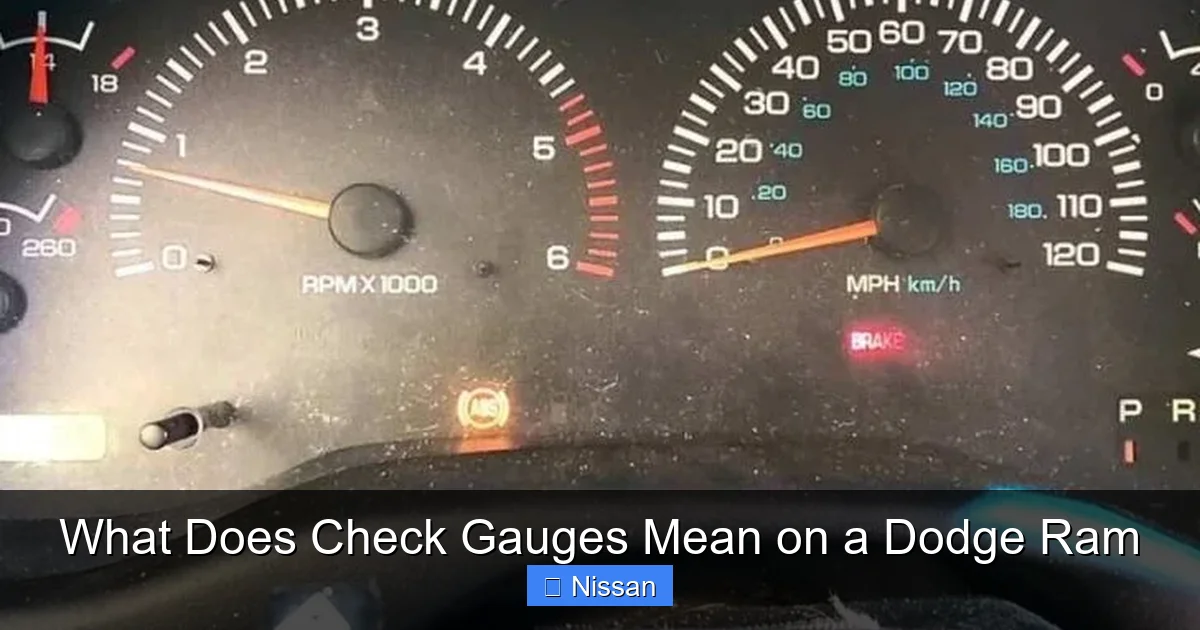
Visual guide about What Does Check Gauges Mean on a Dodge Ram
Image source: trucksauthority.com
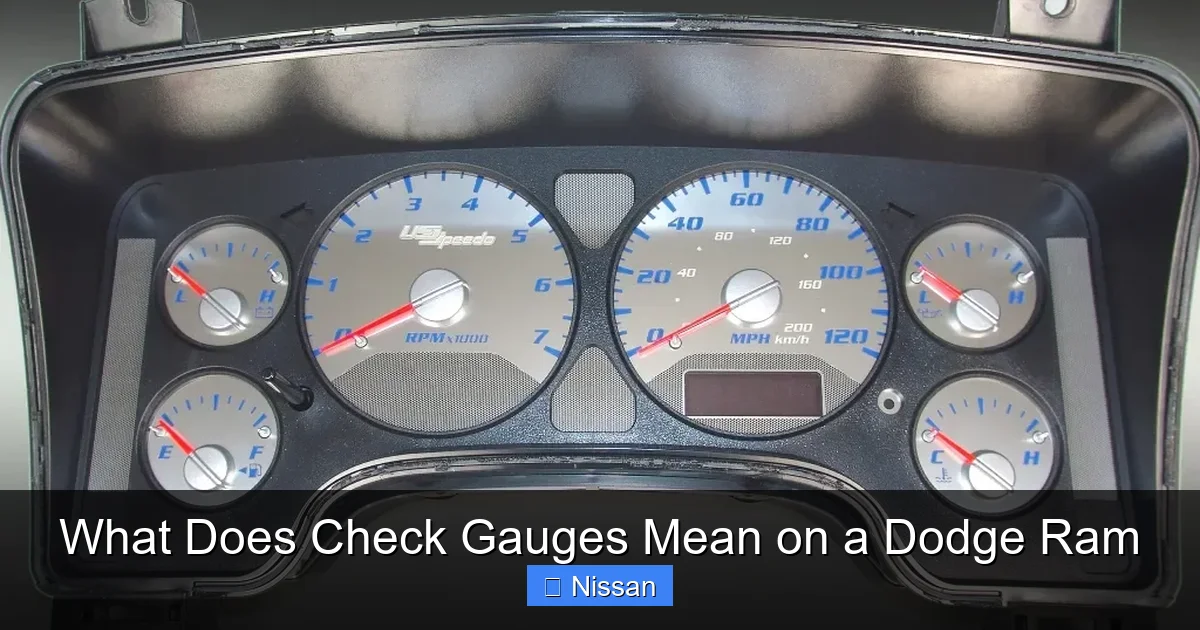
When “Check Gauges” appears, your first step should be to safely pull over and inspect the key instruments on your dashboard. Here’s a breakdown of the most critical gauges to monitor and what they tell you.
Engine Oil Pressure Gauge
Oil pressure is one of the most vital readings in any vehicle. It tells you whether your engine is getting the lubrication it needs to function properly. Low oil pressure can lead to increased friction, overheating, and eventual engine failure.
If the oil pressure gauge is in the red or showing abnormally low readings, stop driving immediately. Causes can include low oil levels, a failing oil pump, a clogged oil filter, or worn engine bearings. Check your oil dipstick—if the level is low, top it off with the correct type of oil. If the level is fine but pressure is still low, there may be a mechanical issue requiring professional attention.
Coolant Temperature Gauge
The temperature gauge shows how hot your engine is running. Normal operating temperature is usually in the middle of the gauge. If it climbs toward the “H” (hot) side, your engine is overheating.
Overheating can be caused by low coolant levels, a faulty thermostat, a broken water pump, a clogged radiator, or a blown head gasket. If you see the temperature rising, pull over, turn off the engine, and let it cool. Never open the radiator cap while the engine is hot—steam and boiling coolant can cause severe burns. Once cooled, check coolant levels and look for leaks.
Battery Voltage Gauge
This gauge shows the electrical system’s voltage, typically ranging from 12 to 14.4 volts when the engine is running. If the voltage drops below 12 volts, your battery may not be charging properly. If it spikes above 15 volts, the alternator might be overcharging, which can damage electronics.
A failing alternator, loose serpentine belt, or corroded battery terminals can cause voltage issues. If the gauge shows low voltage, have your charging system inspected. A dead battery or alternator failure can leave you stranded.
Transmission Temperature Gauge (if equipped)
Many Dodge Rams, especially those used for towing, come with a transmission temperature gauge. This is crucial because automatic transmissions generate a lot of heat, and overheating can destroy internal components.
If the transmission temp gauge is in the red, it could mean low fluid, a clogged cooler, or excessive load. Pull over, let the transmission cool, and check fluid levels. Use the dipstick (if equipped) and ensure the fluid is clean and at the correct level. Dark, burnt-smelling fluid indicates overheating and potential damage.
Fuel Gauge and Other Indicators
While not always directly related to the “Check Gauges” message, it’s smart to glance at your fuel gauge and other warning lights (like the check engine light or ABS light). Sometimes multiple issues occur at once, and the “Check Gauges” message is just the first alert.
Common Causes of the “Check Gauges” Warning
Visual guide about What Does Check Gauges Mean on a Dodge Ram
Image source: i2.wp.com
Now that you know what to check, let’s explore the most common reasons this warning appears. Understanding the root causes can help you respond quickly and prevent further damage.
Low Engine Oil Level or Pressure
Low oil is one of the top culprits. If your oil level is low—due to leaks, burning oil, or infrequent changes—the oil pressure drops. The PCM detects this and triggers the warning.
For example, a Ram owner might skip oil changes for too long, leading to sludge buildup and reduced oil flow. Or a small leak from the oil pan or valve cover gasket slowly drains the oil over time. When the level gets too low, pressure drops, and the “Check Gauges” message appears.
Engine Overheating
Overheating is another frequent cause. It can stem from a variety of issues: low coolant, a stuck thermostat, a failing water pump, or a clogged radiator. In extreme cases, a blown head gasket can allow combustion gases into the cooling system, causing rapid overheating.
Imagine driving in heavy traffic on a hot summer day. The radiator fan isn’t kicking on, and the coolant level is low. The engine starts to overheat, and the PCM sees the temperature spike. Cue the “Check Gauges” warning.
Charging System Failure
Your truck’s alternator charges the battery while the engine runs. If it fails, the battery voltage drops, and electrical systems begin to falter. The PCM detects low voltage and may display the warning.
A common sign is dimming headlights, slow cranking, or dashboard lights flickering. If the alternator belt is loose or broken, or the alternator itself is faulty, the battery won’t charge. This can lead to a dead battery and stalling.
Faulty Sensors or Wiring Issues
Sometimes, the “Check Gauges” message appears not because of a real problem, but because of a sensor glitch. Modern vehicles rely on dozens of sensors to monitor engine performance. If one sends incorrect data—say, a coolant temperature sensor reporting 250°F when the engine is actually cool—the PCM may trigger the warning.
Wiring problems, corrosion, or loose connections can also cause false readings. For instance, a corroded connector on the oil pressure sensor might send erratic signals, making the system think oil pressure is low when it’s actually fine.
Transmission Overheating
For Ram owners who tow trailers or haul heavy loads, transmission overheating is a real concern. The transmission fluid can overheat if the cooler is clogged, the fluid is old, or the load is too heavy.
The PCM monitors transmission temperature and will alert you if it gets too high. Ignoring this can lead to slipping gears, burnt fluid, or complete transmission failure.
How to Respond When You See “Check Gauges”
Visual guide about What Does Check Gauges Mean on a Dodge Ram
Image source: wikihow.com
Seeing this warning can be stressful, but knowing how to respond can save your truck—and your wallet. Here’s a step-by-step guide to handling the situation safely and effectively.
Step 1: Stay Calm and Pull Over Safely
Don’t panic. The message is a warning, not a death sentence for your engine. But do not ignore it. Find a safe place to pull over—preferably off the road, like a parking lot or rest area. Turn on your hazard lights to alert other drivers.
Step 2: Turn Off the Engine (If Necessary)
If you see the temperature gauge in the red or the oil pressure is critically low, turn off the engine immediately. Continuing to run the engine in these conditions can cause irreversible damage.
For example, driving with low oil pressure can lead to seized pistons or scored cylinder walls. Overheating can warp cylinder heads or blow head gaskets. It’s better to be safe than sorry.
Step 3: Inspect the Gauges
Once stopped, look at your dashboard gauges. Check oil pressure, temperature, voltage, and transmission temp (if equipped). Note which ones are out of range.
If the oil pressure is low, check the oil level with the dipstick. If it’s low, add oil. If it’s full but pressure is still low, there may be a mechanical issue.
If the temperature is high, let the engine cool before checking coolant levels. Look for leaks under the truck or white smoke from the exhaust (a sign of a blown head gasket).
Step 4: Check Fluid Levels and Belts
Pop the hood and inspect key components. Check oil, coolant, transmission fluid, and power steering fluid levels. Look for leaks, cracks, or loose hoses.
Also, inspect the serpentine belt. If it’s cracked, frayed, or missing, it could be causing alternator or water pump failure.
Step 5: Restart and Monitor
After addressing any obvious issues (like adding oil or coolant), restart the engine. Watch the gauges closely. If the warning disappears and all readings return to normal, you may be able to continue driving—but keep an eye on things.
If the message returns or gauges remain abnormal, do not drive further. Call a tow truck and have the truck inspected by a mechanic.
Step 6: Use an OBD-II Scanner
Modern Dodge Rams store diagnostic trouble codes (DTCs) when issues occur. Even if the “Check Gauges” message is general, there may be specific codes related to oil pressure, temperature, or voltage.
Use an OBD-II scanner (available at auto parts stores or from a mechanic) to read the codes. This can help pinpoint the exact problem, such as a faulty coolant temperature sensor or low charging voltage.
Preventing the “Check Gauges” Warning
The best way to deal with this warning is to avoid it altogether. Regular maintenance and proactive checks can keep your Dodge Ram running smoothly and reduce the risk of sudden failures.
Follow the Maintenance Schedule
Dodge provides a recommended maintenance schedule in your owner’s manual. Stick to it. Regular oil changes (every 3,000 to 5,000 miles for older models, or as recommended for newer ones), coolant flushes, and transmission services are essential.
For example, changing the oil every 5,000 miles with the correct viscosity (like 5W-20 or 10W-30) helps maintain proper oil pressure. Flushing the coolant every 30,000 to 50,000 miles prevents corrosion and overheating.
Check Fluids Monthly
Make it a habit to check your oil, coolant, transmission fluid, and brake fluid once a month. Look for low levels, discoloration, or contamination. Dark, sludgy oil or burnt-smelling transmission fluid are signs of trouble.
Inspect Belts and Hoses
Look under the hood regularly. Check the serpentine belt for cracks or wear. Inspect coolant hoses for bulges, leaks, or soft spots. Replace them before they fail.
Monitor Dashboard Lights
Pay attention to all warning lights, not just “Check Gauges.” The check engine light, ABS light, or battery light can give early clues about developing issues.
Use Quality Parts and Fluids
Don’t skimp on maintenance. Use OEM (original equipment manufacturer) or high-quality aftermarket parts. Use the correct type of oil, coolant, and transmission fluid specified in your owner’s manual.
Address Issues Promptly
If you notice unusual noises, smells, or performance issues, don’t wait. Get them checked out. A small problem today can become a big expense tomorrow.
When to See a Mechanic
While some issues can be resolved with basic checks, others require professional diagnosis and repair. Here’s when you should call a mechanic.
If the Warning Persists After Basic Checks
If you’ve checked fluids, belts, and gauges, but the “Check Gauges” message keeps appearing, it’s time for a professional. There may be an internal engine problem, sensor failure, or electrical issue.
If You Smell Burning or See Smoke
Burning oil, coolant, or electrical smells are serious. White smoke from the exhaust could mean a blown head gasket. Blue smoke indicates burning oil. Black smoke suggests a rich fuel mixture. Any of these require immediate attention.
If the Engine Makes Unusual Noises
Knocking, ticking, or grinding sounds can signal low oil pressure, worn bearings, or timing chain issues. Don’t ignore these sounds.
If You’re Not Comfortable Diagnosing the Problem
If you’re unsure what to check or how to fix it, don’t guess. A certified mechanic with experience in Dodge Rams can diagnose the issue quickly and safely.
For Transmission or Electrical Problems
Transmission and electrical systems are complex. If the issue involves the transmission, alternator, or wiring, it’s best left to professionals with the right tools and expertise.
Conclusion
The “Check Gauges” message on your Dodge Ram is a vital warning that shouldn’t be ignored. It’s your truck’s way of saying, “Something’s not right—please check the important stuff.” While it can be triggered by serious issues like low oil pressure or overheating, it can also result from sensor glitches or minor maintenance oversights.
The key is to stay calm, pull over safely, and inspect your gauges. Check oil, coolant, voltage, and transmission temperature. Address any obvious problems, and if the issue persists, seek professional help. Regular maintenance is your best defense against this warning—keeping fluids fresh, belts tight, and sensors functioning properly.
By understanding what “Check Gauges” means and how to respond, you can protect your Dodge Ram from costly repairs and keep it running strong for years to come. Remember: it’s not just a warning—it’s a chance to act before it’s too late.
Frequently Asked Questions
What does “Check Gauges” mean on a Dodge Ram?
The “Check Gauges” message is a dashboard warning that prompts you to inspect critical systems like oil pressure, engine temperature, battery voltage, or transmission temperature. It indicates that one or more gauges may be showing abnormal readings.
Is it safe to drive when “Check Gauges” appears?
It depends on the gauge readings. If oil pressure is low or the engine is overheating, stop driving immediately. If all gauges appear normal, you may drive cautiously to a repair shop, but have the truck inspected as soon as possible.
Can a bad sensor cause the “Check Gauges” warning?
Yes. Faulty sensors, such as a coolant temperature sensor or oil pressure sensor, can send incorrect data to the PCM, triggering the warning even if no real problem exists.
How do I reset the “Check Gauges” message?
The message will usually clear once the underlying issue is fixed and the gauges return to normal. In some cases, disconnecting the battery for 10–15 minutes may reset the system, but this won’t fix mechanical problems.
Why does my Dodge Ram say “Check Gauges” when I start it?
This can happen if a sensor sends a false reading during startup. It may also appear briefly if the engine is cold and oil pressure is slow to build. If it stays on, investigate further.
Can low battery voltage trigger “Check Gauges”?
Yes. If the alternator isn’t charging properly or the battery is weak, voltage drops can cause the PCM to display the warning. Check the battery and charging system if voltage is low.