
What Coolant Temperature Is Too High?

Understanding what coolant temperature is too high is critical for maintaining your Bentley’s performance and longevity. While normal operating temperatures typically range between 195°F and 220°F, sustained readings above 230°F signal danger and potential engine damage.
When you slip behind the wheel of a Bentley, you’re not just driving a car—you’re commanding a masterpiece of engineering, luxury, and precision. These vehicles are built to deliver smooth, powerful performance, whether you’re cruising through city streets or accelerating on an open highway. But even the most refined machines have their limits, especially when it comes to engine temperature. One of the most critical yet often overlooked aspects of Bentley ownership is understanding what coolant temperature is too high—and why it matters.
Coolant, also known as antifreeze, plays a vital role in regulating your engine’s temperature. It circulates through the engine block, absorbing heat, and then flows to the radiator where that heat is dissipated. This cycle keeps your engine running within a safe thermal range. However, when something disrupts this process—like a leak, a malfunctioning part, or poor maintenance—the coolant temperature can rise to dangerous levels. And in a high-performance vehicle like a Bentley, where engines operate under greater stress and precision, even a small temperature spike can lead to serious consequences.
So, how do you know when things are getting too hot? What coolant temperature is too high? The answer isn’t one-size-fits-all, but there are clear thresholds and warning signs every Bentley owner should recognize. In this guide, we’ll walk you through the normal operating range, identify the danger zones, explore common causes of overheating, and share practical tips to keep your Bentley running cool and confident. Whether you drive a Continental GT, a Flying Spur, or a Bentayga, this information is essential for protecting your investment and ensuring a smooth, reliable ride.
Key Takeaways
- Normal Coolant Temperature Range: For most Bentley models, the ideal coolant temperature sits between 195°F and 220°F during normal driving conditions.
- Danger Zone Begins at 230°F: Consistently reading above 230°F indicates overheating, which can lead to warped cylinder heads, blown gaskets, or engine seizure.
- Dashboard Warnings Are Critical: The coolant temperature warning light or gauge in the red zone means immediate action is required—pull over safely and shut off the engine.
- Common Causes of Overheating: Low coolant levels, faulty thermostats, clogged radiators, failing water pumps, or cooling fan issues are frequent culprits in luxury vehicles like Bentleys.
- Regular Maintenance Prevents Problems: Scheduled servicing, coolant flushes, and system inspections help avoid overheating and ensure optimal performance.
- Don’t Ignore Intermittent Overheating: Even occasional high temperatures can indicate underlying issues that worsen over time if left unaddressed.
- Use Only Manufacturer-Approved Coolant: Bentley engines require specific coolant formulations—using the wrong type can reduce efficiency and cause corrosion.
📑 Table of Contents
- Understanding Normal Coolant Temperature in Bentley Vehicles
- When Coolant Temperature Becomes Dangerous
- Common Causes of High Coolant Temperature in Bentleys
- How to Monitor and Respond to High Coolant Temperature
- Preventing Overheating in Your Bentley
- The Cost of Ignoring High Coolant Temperature
- Conclusion
Understanding Normal Coolant Temperature in Bentley Vehicles
Before we dive into what coolant temperature is too high, it’s important to understand what’s considered normal. Most modern Bentley models, including the Continental, Mulsanne, and Bentayga, are designed to operate efficiently within a specific temperature range. Under typical driving conditions—whether you’re idling in traffic or cruising at highway speeds—the coolant temperature should stabilize between 195°F and 220°F (90°C to 104°C). This range allows the engine to reach optimal operating efficiency while minimizing wear and emissions.
Why this range? Engines are engineered to perform best when they’re warm but not hot. At around 200°F, the oil flows smoothly, fuel burns efficiently, and emissions are kept in check. Bentley’s advanced engine management systems constantly monitor coolant temperature using sensors and adjust fuel injection, ignition timing, and cooling fan operation accordingly. This ensures the engine stays within the ideal window, even under varying loads.
You can usually monitor this temperature via the digital dashboard display. Many Bentley models feature a real-time coolant temperature gauge or a digital readout in the instrument cluster. Some even provide color-coded indicators—green for normal, yellow for caution, and red for danger. If your gauge consistently hovers around 200°F during normal driving, that’s a good sign your cooling system is functioning properly.
However, it’s worth noting that short-term fluctuations are normal. For example, if you’ve been idling for a long time on a hot day, the temperature might climb slightly above 220°F before the cooling fans kick in. Similarly, aggressive driving or towing can temporarily increase engine load and heat output. But these spikes should be brief and return to normal once conditions stabilize.
The key is consistency. If your Bentley’s coolant temperature frequently exceeds 220°F—even without heavy use—it’s a red flag. This could indicate a developing issue in the cooling system, such as low coolant levels, a failing thermostat, or restricted airflow. Catching these signs early can prevent more serious problems down the road.
When Coolant Temperature Becomes Dangerous
Visual guide about What Coolant Temperature Is Too High?
Image source: cimg4.ibsrv.net
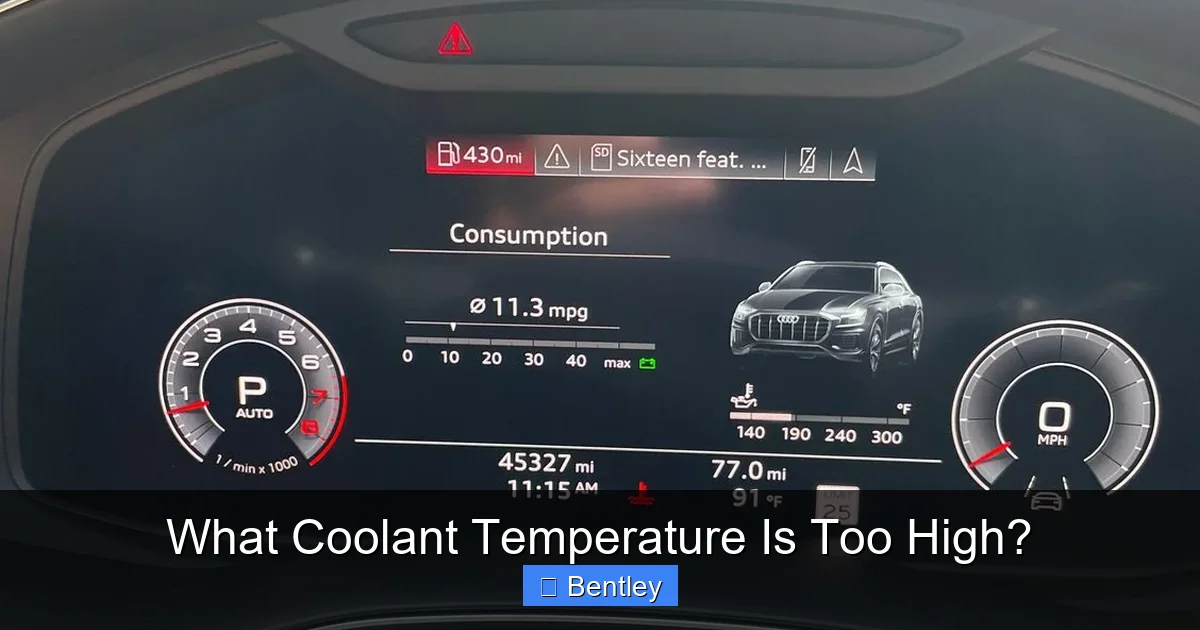
So, what coolant temperature is too high? The short answer: anything consistently above 230°F (110°C) is entering the danger zone. While brief spikes may not cause immediate damage, sustained high temperatures can lead to catastrophic engine failure. In Bentley vehicles, where engines are finely tuned and built for performance, the margin for error is slim.
At 230°F and above, several critical components begin to suffer. The engine oil starts to break down, losing its ability to lubricate moving parts effectively. This increases friction and wear, which can lead to premature engine damage. Additionally, the increased heat causes metal parts to expand. In extreme cases, this can result in warped cylinder heads, cracked engine blocks, or blown head gaskets—repairs that can cost thousands of dollars and require extensive disassembly.
One of the most common symptoms of overheating is the illumination of the coolant temperature warning light on your dashboard. This is your Bentley’s way of saying, “Stop now.” If you see this light—or if the temperature gauge enters the red zone—pull over safely as soon as possible and turn off the engine. Continuing to drive can cause irreversible damage.
Another warning sign is steam or smoke coming from under the hood. This usually indicates that coolant is boiling and escaping as vapor. You might also notice a sweet, syrupy smell, which is characteristic of leaking coolant. In some cases, the engine may start to run rough, lose power, or stall altogether.
It’s also important to recognize that overheating doesn’t always happen suddenly. Sometimes, the temperature creeps up gradually over time. You might notice the gauge inching higher than usual during your daily commute, or the cooling fans running more frequently than normal. These subtle changes are often early indicators of a problem that’s about to escalate.
For Bentley owners, the stakes are especially high. These vehicles are not only expensive to repair but also rely on complex cooling systems with multiple components working in harmony. A failure in one area—like a clogged radiator or a malfunctioning water pump—can quickly lead to system-wide overheating.
Common Causes of High Coolant Temperature in Bentleys
Visual guide about What Coolant Temperature Is Too High?
Image source: audizine.com
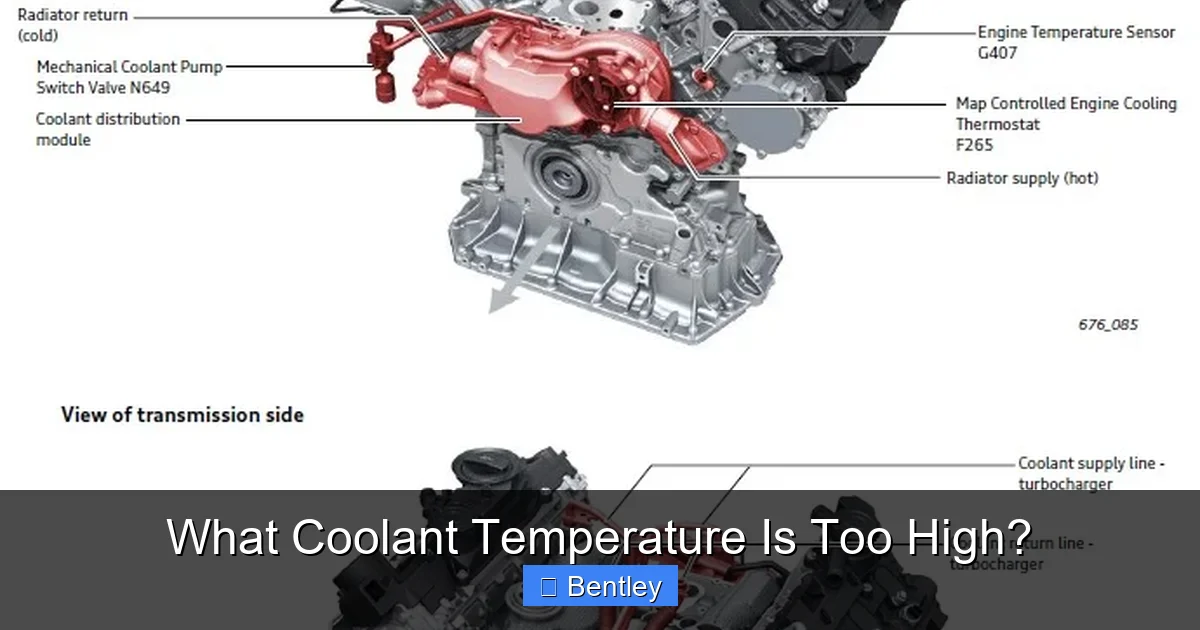
Understanding what coolant temperature is too high is only half the battle. The other half is knowing why it’s happening. In Bentley vehicles, several factors can contribute to elevated coolant temperatures, many of which are preventable with proper maintenance and attention.
Low Coolant Level
One of the most common causes of overheating is simply running low on coolant. Coolant doesn’t just disappear—it can leak from hoses, the radiator, the water pump, or the heater core. Even a small leak can lead to a significant drop in coolant volume over time. Without enough fluid, the system can’t absorb and transfer heat effectively, causing temperatures to rise.
Regularly checking your coolant level is a simple but essential habit. Most Bentley models have a translucent coolant reservoir with “MIN” and “MAX” markings. Check the level when the engine is cold, and top it off with the manufacturer-recommended coolant if needed. Never open the radiator cap when the engine is hot—this can cause a dangerous release of pressurized steam.
Faulty Thermostat
The thermostat is a small but crucial component that regulates coolant flow. When the engine is cold, the thermostat remains closed, allowing the engine to warm up quickly. Once the engine reaches operating temperature, the thermostat opens, allowing coolant to circulate through the radiator.
If the thermostat fails—especially if it gets stuck closed—coolant can’t flow to the radiator, causing the engine to overheat rapidly. Symptoms include a rising temperature gauge, especially during highway driving when airflow should help cool the engine. Replacing a faulty thermostat is relatively inexpensive, but ignoring it can lead to major engine damage.
Clogged or Damaged Radiator
The radiator is responsible for dissipating heat from the coolant. Over time, it can become clogged with debris, rust, or mineral deposits, reducing its efficiency. In Bentley vehicles, which often feature advanced aerodynamic designs, airflow to the radiator can also be restricted by dirt or bugs on the grille.
A clogged radiator won’t cool the coolant effectively, leading to higher temperatures. You might notice the engine overheating more in stop-and-go traffic, where airflow is limited. Regular radiator inspections and cleaning can help prevent this issue.
Failing Water Pump
The water pump circulates coolant throughout the engine and radiator. If it fails—due to worn bearings, a broken impeller, or a leaking seal—coolant flow stops or slows dramatically. This can cause rapid overheating, often accompanied by a whining noise from the front of the engine or visible coolant leaks.
Water pump failure is more common in high-mileage vehicles, but even newer Bentleys can experience issues if the pump is defective or damaged. Replacing a water pump is a labor-intensive job, so it’s best addressed early.
Cooling Fan Malfunction
Electric cooling fans help pull air through the radiator when the vehicle is moving slowly or idling. If one or both fans fail—due to a blown fuse, faulty relay, or motor failure—the radiator can’t cool the coolant effectively, especially in hot weather or heavy traffic.
You might notice the temperature rising when you’re stuck in traffic, even though it’s fine on the highway. Checking the fans and their electrical connections during routine maintenance can help prevent this problem.
Air in the Cooling System
Air pockets in the cooling system can disrupt coolant flow and create hot spots in the engine. This often happens after a coolant change or repair if the system isn’t properly bled. Symptoms include erratic temperature readings, overheating at idle, or gurgling sounds from the dashboard.
Bentley vehicles often require a specific bleeding procedure to remove air from the system. Following the manufacturer’s guidelines is essential to avoid this issue.
How to Monitor and Respond to High Coolant Temperature
Visual guide about What Coolant Temperature Is Too High?
Image source: cimg3.ibsrv.net
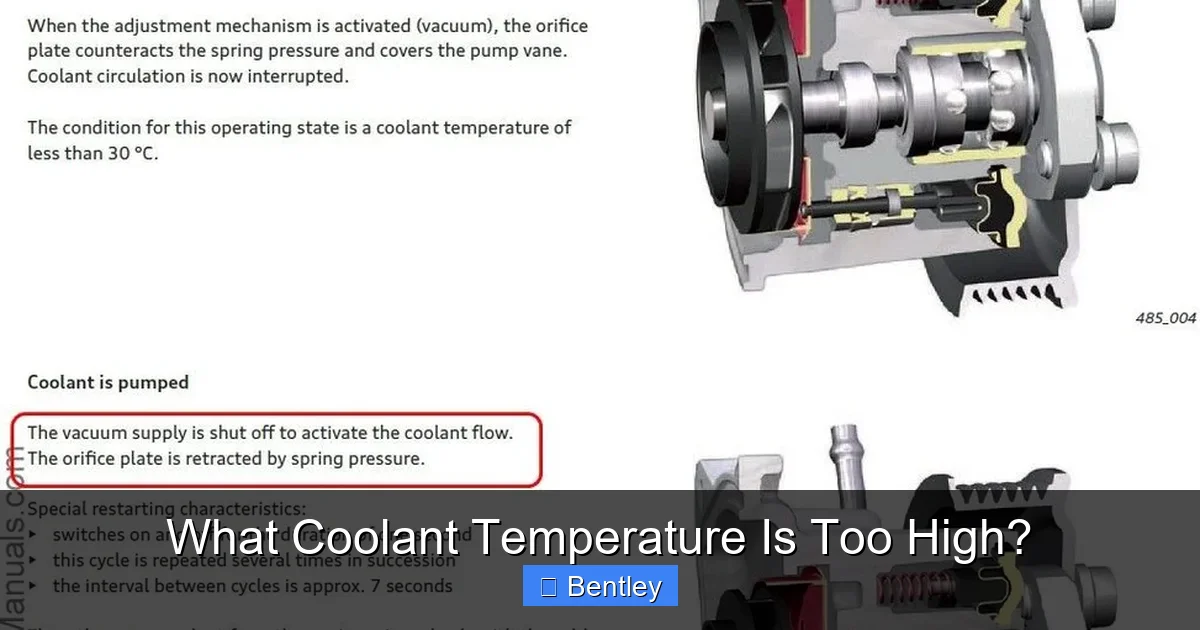
Knowing what coolant temperature is too high is only useful if you can monitor it effectively and respond appropriately. Fortunately, Bentley vehicles are equipped with advanced systems to help you stay informed—but it’s up to you to pay attention and act when needed.
Use the Dashboard Indicators
Most modern Bentleys feature a digital coolant temperature display in the instrument cluster. Some models also include a color-coded gauge or warning light. Familiarize yourself with these indicators and check them regularly, especially during long drives or in hot weather.
If the temperature starts to climb above 220°F, take note. If it reaches 230°F or the warning light comes on, pull over immediately. Continuing to drive can cause severe engine damage.
Listen for Warning Signs
Your ears can be just as important as your eyes. Listen for unusual noises like knocking, pinging, or whining from the engine. These can indicate overheating or related issues like low oil pressure.
You might also notice changes in performance—such as reduced power, rough idling, or stalling. These are often signs that the engine is under stress due to high temperatures.
Check for Visible Leaks or Steam
If you suspect overheating, safely pull over and inspect the engine bay. Look for signs of coolant leaks—puddles under the car, wet spots on hoses, or white residue around connections. Steam or smoke from the engine is a clear sign of boiling coolant and requires immediate attention.
Never open the radiator cap when the engine is hot. Wait until it cools down completely to avoid burns from escaping steam.
Know When to Call for Help
If your Bentley overheats, don’t try to drive it to a repair shop. Towing is the safest option to prevent further damage. Contact your local Bentley service center or a certified technician who understands luxury vehicles.
Even if the temperature returns to normal after cooling down, have the vehicle inspected. Overheating can cause hidden damage that may not appear until later.
Preventing Overheating in Your Bentley
The best way to deal with high coolant temperature is to prevent it from happening in the first place. With regular maintenance and a few smart habits, you can keep your Bentley’s cooling system in top condition.
Follow the Maintenance Schedule
Bentley provides a detailed maintenance schedule for each model, including coolant system checks and replacements. Typically, coolant should be flushed and replaced every 30,000 to 50,000 miles, depending on the model and driving conditions.
Sticking to this schedule ensures that the coolant remains effective and that the system is free of contaminants.
Use Only Manufacturer-Approved Coolant
Not all coolants are created equal. Bentley engines require specific formulations that match the materials and design of the cooling system. Using the wrong type can lead to corrosion, reduced efficiency, or even blockages.
Always use coolant that meets Bentley’s specifications—usually a high-quality ethylene glycol-based formula with the correct additives.
Inspect Hoses and Belts Regularly
Coolant hoses and drive belts are prone to wear and cracking over time. Inspect them during oil changes or service visits. Replace any hoses that are soft, brittle, or leaking.
A broken hose can cause a sudden loss of coolant, leading to rapid overheating.
Keep the Radiator Clean
Dirt, bugs, and debris can clog the radiator and reduce airflow. Periodically clean the front grille and radiator fins with compressed air or a soft brush.
Avoid using high-pressure washers, which can damage delicate fins.
Check the Cooling Fans
Ensure the cooling fans operate correctly by turning on the air conditioning—this should activate the fans. If they don’t come on, have the electrical system checked.
Monitor Driving Conditions
Avoid prolonged idling in hot weather, and be cautious when towing or driving in extreme conditions. These situations put extra strain on the cooling system.
If you frequently drive in hot climates or heavy traffic, consider more frequent coolant checks.
The Cost of Ignoring High Coolant Temperature
Ignoring what coolant temperature is too high can have serious financial and mechanical consequences. While a simple repair like replacing a thermostat might cost a few hundred dollars, the damage from prolonged overheating can run into the thousands.
For example, a blown head gasket—a common result of overheating—can cost $2,000 to $5,000 to repair, including labor and parts. In severe cases, warped cylinder heads or cracked engine blocks may require engine replacement, which can exceed $10,000 in a luxury vehicle like a Bentley.
Beyond the cost, there’s also the risk of being stranded on the road or losing the use of your vehicle for weeks. For Bentley owners who rely on their cars for business or daily commuting, this can be a major disruption.
Moreover, repeated overheating can shorten the lifespan of your engine and reduce the resale value of your vehicle. A well-maintained Bentley with a clean service history will always command a higher price than one with a history of overheating issues.
The bottom line: staying proactive about coolant temperature isn’t just about comfort—it’s about protecting your investment and ensuring your Bentley continues to deliver the performance and reliability you expect.
Conclusion
Understanding what coolant temperature is too high is essential for every Bentley owner. While normal operating temperatures range from 195°F to 220°F, anything consistently above 230°F is a serious warning sign. Overheating can lead to expensive repairs, engine damage, and unsafe driving conditions.
By monitoring your dashboard, recognizing warning signs, and maintaining your cooling system, you can prevent most overheating issues. Regular coolant checks, using the right fluids, and following Bentley’s maintenance schedule are simple steps that go a long way.
Your Bentley is a masterpiece of engineering—treat it with the care it deserves. Keep it cool, keep it running, and enjoy the luxury and performance that only a Bentley can deliver.
Frequently Asked Questions
What is the normal coolant temperature for a Bentley?
The normal coolant temperature for most Bentley models ranges between 195°F and 220°F during regular driving. This range ensures optimal engine performance and efficiency.
What coolant temperature is too high for a Bentley?
Consistently reading above 230°F is considered too high and indicates overheating. Immediate action is required to prevent engine damage.
Can I drive my Bentley if the coolant temperature is high?
No. If the temperature gauge enters the red zone or the warning light comes on, pull over safely and shut off the engine. Continuing to drive can cause severe damage.
Why is my Bentley overheating in traffic but not on the highway?
This often points to a cooling fan issue. At low speeds, the fans are responsible for airflow through the radiator. If they’re not working, the engine can overheat in traffic.
How often should I check the coolant in my Bentley?
Check the coolant level monthly and top it off if needed. Have the system flushed and replaced every 30,000 to 50,000 miles as per Bentley’s maintenance schedule.
Can I use regular coolant in my Bentley?
No. Always use manufacturer-approved coolant that meets Bentley’s specifications. Using the wrong type can damage the cooling system and reduce performance.
