
Who Makes Harley-davidson Helmets

Harley-Davidson helmets are not made by Harley-Davidson itself but are produced by top-tier, certified helmet manufacturers under licensing agreements. These partners ensure every helmet meets strict safety standards while delivering the classic Harley style riders love.
If you’ve ever ridden a Harley-Davidson motorcycle, you know the feeling—the rumble of the engine, the wind in your face, and that unmistakable sense of freedom. But with that freedom comes responsibility, especially when it comes to safety. One of the most important pieces of gear any rider can wear is a helmet. And when you’re riding a Harley, it only makes sense to want a helmet that matches the bike’s bold personality. That’s where Harley-Davidson helmets come in.
But here’s a question many riders ask: Who actually makes Harley-Davidson helmets? It’s a smart question, because while the name “Harley-Davidson” is stamped on the side, the company itself doesn’t manufacture helmets in its own factories. Instead, Harley-Davidson partners with some of the most respected names in the helmet industry to produce high-quality, safety-certified helmets under its brand. These partnerships ensure that every helmet bearing the Harley logo meets rigorous safety standards while delivering the style and durability riders expect.
In this article, we’ll dive deep into who makes Harley-Davidson helmets, how these partnerships work, what safety standards are involved, and why choosing a Harley-branded helmet is still a smart move for riders who value both protection and personality. Whether you’re a seasoned biker or just getting started, understanding the origins of your gear can help you make smarter, safer choices on the road.
Key Takeaways
- Licensed Manufacturing: Harley-Davidson partners with established helmet makers like Bell, Shark, and HJC to produce branded helmets under strict quality control.
- Safety First: All Harley-Davidson helmets meet or exceed DOT, ECE, and Snell safety certifications, ensuring reliable protection on the road.
- Design Authenticity: Helmets feature authentic Harley-Davidson logos, colors, and styling, maintaining the brand’s rugged American image.
- Variety of Styles: From full-face to modular and half-shell designs, there’s a Harley helmet for every riding preference and climate.
- Global Availability: These helmets are sold worldwide through authorized dealers, Harley dealerships, and online retailers.
- Warranty & Support: Most Harley-branded helmets come with manufacturer warranties and customer support through the producing brand.
- Not Made In-House: Harley-Davidson focuses on motorcycles; helmet production is outsourced to specialists for optimal safety and performance.
📑 Table of Contents
Why Harley-Davidson Doesn’t Make Helmets In-House
Harley-Davidson is legendary for its motorcycles. Since 1903, the company has built a reputation for crafting powerful, stylish bikes that define the American riding experience. But when it comes to helmets, Harley-Davidson takes a different approach—one that’s actually quite common among major motorcycle brands.
Instead of manufacturing helmets themselves, Harley-Davidson licenses its brand to specialized helmet manufacturers. This strategy allows the company to focus on what it does best—building motorcycles—while partnering with experts who have decades of experience in helmet design, engineering, and safety testing.
Think of it like this: Nike doesn’t make all its shoes in-house. It works with factories and designers around the world to produce footwear that carries the Nike name. Similarly, Harley-Davidson collaborates with top-tier helmet makers to ensure that every helmet with its logo is built to the highest standards.
This outsourcing model isn’t a sign of weakness—it’s a smart business decision. Helmet manufacturing requires specialized materials, advanced molding techniques, and rigorous safety testing. Companies like Bell, HJC, and Shark have spent years perfecting these processes. By partnering with them, Harley-Davidson can offer riders high-quality helmets without diverting resources from motorcycle production.
The Benefits of Licensed Manufacturing
One of the biggest advantages of this licensing model is consistency. Because Harley-Davidson works with established helmet brands, riders can trust that each helmet is built using proven methods and materials. These manufacturers already have the infrastructure, expertise, and certifications needed to produce safe, reliable helmets at scale.
Another benefit is innovation. Helmet technology is constantly evolving—new materials like carbon fiber, advanced ventilation systems, and integrated communication setups are becoming standard. By working with industry leaders, Harley-Davidson can offer helmets that include the latest advancements without having to develop them from scratch.
Finally, this approach allows Harley-Davidson to offer a wide range of helmet styles. From sleek full-face designs to retro-inspired half-shells, the brand can cater to diverse rider preferences while maintaining a cohesive look and feel across its product line.
Top Manufacturers Behind Harley-Davidson Helmets
Visual guide about Who Makes Harley-davidson Helmets
Image source: motorbikeinsider.com
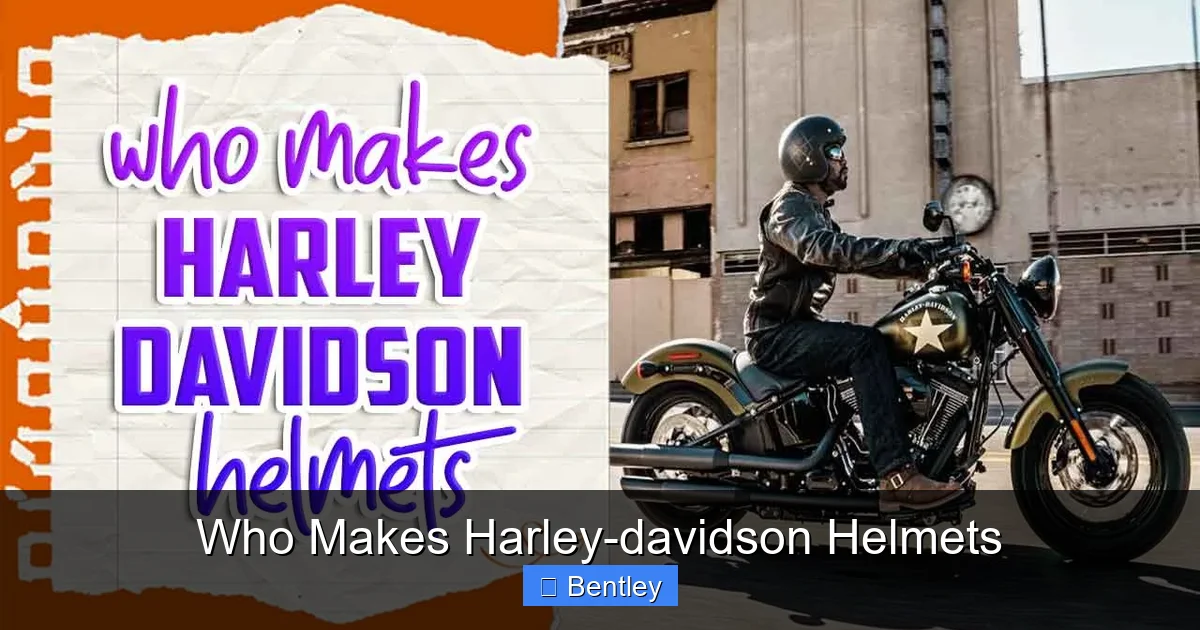
So, who are the companies actually making Harley-Davidson helmets? While Harley doesn’t always disclose every partner, several well-known helmet brands have been confirmed or widely recognized as producers of Harley-branded helmets. These manufacturers are leaders in the industry, known for their commitment to safety, innovation, and quality.
Bell Helmets
Bell is one of the most respected names in motorcycle helmet manufacturing. Founded in 1954, Bell has a long history of producing high-performance helmets for motorsports, cycling, and street riding. The company is known for its innovative designs, including the first full-face motorcycle helmet.
Harley-Davidson has partnered with Bell to produce several helmet models, particularly in the premium and racing-inspired categories. These helmets often feature advanced safety features like MIPS (Multi-directional Impact Protection System), lightweight composite shells, and superior aerodynamics.
For example, the Harley-Davidson Bell Bullitt helmet is a popular retro-style full-face model that combines vintage aesthetics with modern safety. It’s made with a fiberglass composite shell, has a removable interior liner, and meets both DOT and ECE safety standards. Riders love it for its classic look and comfortable fit.
HJC Helmets
HJC is another major player in the helmet industry. Based in South Korea, HJC has been manufacturing helmets since 1971 and is one of the largest helmet producers in the world. The company is known for offering high-quality helmets at competitive prices, making safety accessible to a wide range of riders.
Harley-Davidson has collaborated with HJC on several models, especially in the mid-range and touring categories. These helmets often feature advanced ventilation systems, anti-fog shields, and lightweight polycarbonate shells.
One standout model is the Harley-Davidson HJC IS-MAX II. This modular helmet offers the convenience of a flip-up chin bar, making it easy to talk or take a drink without removing the entire helmet. It’s DOT and ECE certified, has a built-in sun visor, and comes in a variety of Harley-themed graphics.
Shark Helmets
Shark is a French helmet manufacturer known for its stylish designs and innovative technology. The company has been producing helmets since 1986 and has built a strong reputation in both the European and North American markets.
Harley-Davidson has worked with Shark on limited-edition and high-end helmet models, often featuring bold graphics and premium materials. Shark helmets are known for their aerodynamic shapes, quiet interiors, and advanced safety features.
For instance, the Harley-Davidson Shark Spartan GT is a full-face helmet with a carbon-aramid shell, making it both lightweight and strong. It includes a Pinlock anti-fog system, a built-in sun visor, and excellent airflow. This helmet is popular among touring riders who want top-tier protection and comfort.
Other Possible Partners
While Bell, HJC, and Shark are the most commonly associated manufacturers, Harley-Davidson may also work with other brands depending on the region and product line. Some helmets sold under the Harley name in international markets may be produced by local manufacturers who meet Harley’s licensing and quality requirements.
It’s also worth noting that Harley-Davidson occasionally releases special-edition helmets in collaboration with artists or designers. These limited-run models may be produced by niche manufacturers or custom shops, adding to the brand’s appeal among collectors and enthusiasts.
Safety Standards and Certifications
Visual guide about Who Makes Harley-davidson Helmets
Image source: d2bywgumb0o70j.cloudfront.net
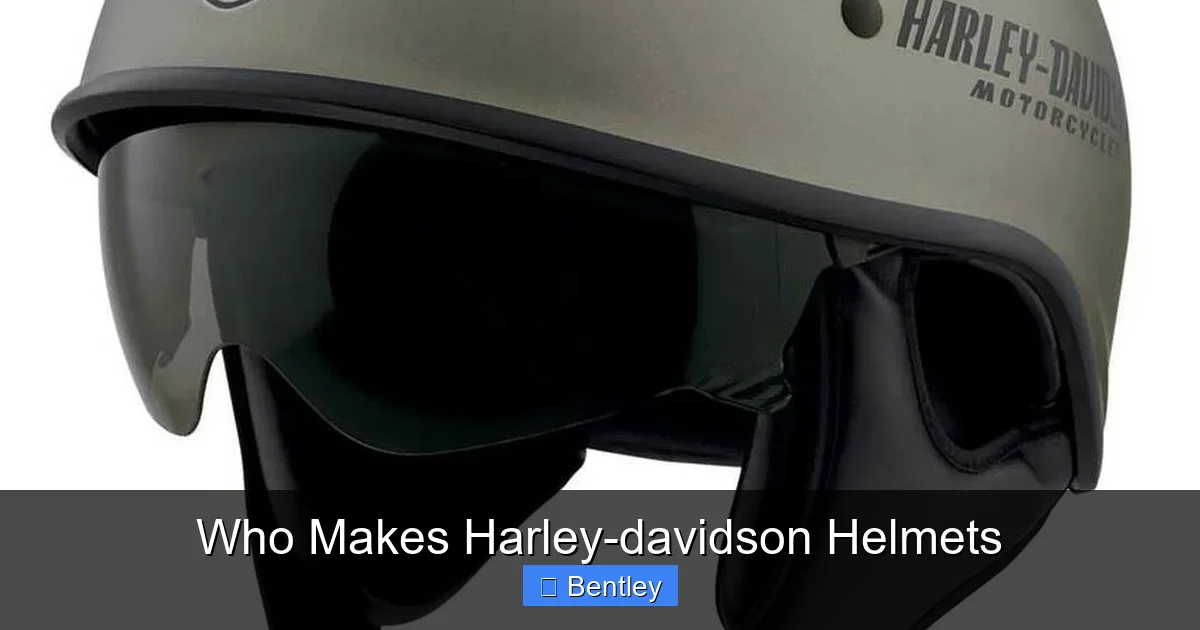
When it comes to helmets, safety isn’t optional—it’s essential. That’s why every Harley-Davidson helmet, regardless of who makes it, must meet strict safety standards. These certifications ensure that the helmet can protect your head in the event of an accident.
DOT Certification
The Department of Transportation (DOT) sets safety standards for helmets sold in the United States. DOT certification means the helmet has passed a series of impact, penetration, and retention tests. Helmets that meet DOT standards are labeled with a DOT sticker on the back.
All Harley-Davidson helmets sold in the U.S. are DOT certified. This is a legal requirement for helmets used on public roads. While DOT certification is a baseline standard, it’s still a strong indicator of safety.
ECE Certification
The Economic Commission for Europe (ECE) sets international safety standards for motorcycle helmets. ECE certification is widely recognized in over 50 countries, including most of Europe, Australia, and parts of Asia.
ECE testing is more rigorous than DOT in some areas, particularly in impact absorption and field of vision. Many Harley-Davidson helmets, especially those sold outside the U.S., are ECE certified. Some models even carry both DOT and ECE labels, offering double assurance of safety.
Snell Certification
Snell Memorial Foundation is a nonprofit organization that sets even higher safety standards than DOT or ECE. Snell certification is voluntary and typically found on high-performance or racing helmets.
While not all Harley-Davidson helmets are Snell certified, some premium models—especially those made by Bell—may carry the Snell label. This indicates that the helmet has passed additional impact tests and is designed for extreme conditions.
Why Certifications Matter
Choosing a helmet with proper certifications isn’t just about following the law—it’s about protecting your life. A certified helmet is tested to absorb impact energy, resist penetration, and stay securely on your head during a crash.
Harley-Davidson’s commitment to safety means that every helmet it licenses must meet at least one of these standards. Riders can feel confident knowing that their Harley-branded helmet isn’t just stylish—it’s built to save lives.
Design and Style: The Harley-Davidson Aesthetic
Visual guide about Who Makes Harley-davidson Helmets
Image source: i.pinimg.com
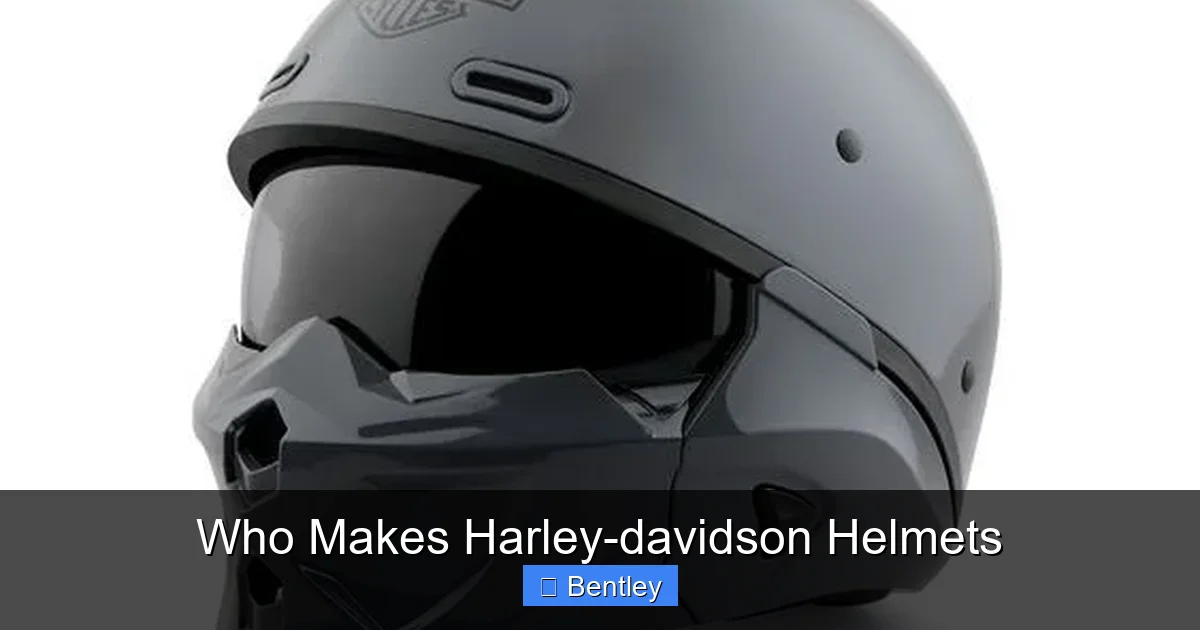
One of the reasons riders love Harley-Davidson helmets is the design. These helmets don’t just offer protection—they make a statement. From bold graphics to classic chrome finishes, Harley helmets are built to reflect the brand’s rugged, rebellious spirit.
Authentic Branding
Every Harley-Davidson helmet features the iconic bar-and-shield logo, often embossed or printed on the side or back. Some models also include the “Harley-Davidson” wordmark or custom artwork inspired by the brand’s history.
This branding isn’t just for show—it’s a symbol of pride. Riders wear Harley helmets not just for safety, but to show their connection to the Harley lifestyle.
Color and Finish Options
Harley-Davidson helmets come in a wide range of colors and finishes. Classic black is always popular, but you’ll also find helmets in chrome, matte gray, red, and even custom paint jobs.
Some models feature two-tone designs, while others have intricate graphics depicting flames, eagles, or the American flag. These designs are carefully crafted to match the look of Harley motorcycles, creating a cohesive riding experience.
Retro and Modern Styles
Harley-Davidson offers helmets in both retro and modern styles. The Bell Bullitt, for example, has a vintage café racer look with a rounded shell and flip-up visor. Meanwhile, modular helmets like the HJC IS-MAX II offer modern convenience with a sleek, aerodynamic design.
This variety ensures that riders can find a helmet that matches their personal style, whether they prefer a classic biker look or a more contemporary aesthetic.
Where to Buy Harley-Davidson Helmets
If you’re ready to buy a Harley-Davidson helmet, you have several options. These helmets are widely available through authorized channels, ensuring you get a genuine product with full warranty coverage.
Harley-Davidson Dealerships
The most reliable place to buy a Harley helmet is at an official Harley-Davidson dealership. These stores carry a full range of branded gear, including helmets, jackets, gloves, and accessories. Staff are knowledgeable and can help you find the right fit and style.
Buying from a dealership also ensures authenticity. You’ll receive a helmet that’s officially licensed and backed by the manufacturer’s warranty.
Online Retailers
Many online retailers sell Harley-Davidson helmets, including Amazon, RevZilla, and J&P Cycles. These sites often have detailed product descriptions, customer reviews, and size guides to help you make an informed decision.
When shopping online, always check that the seller is authorized. Look for the “sold by” information and verify the retailer’s reputation. Avoid third-party sellers with low ratings or unclear return policies.
Motorcycle Gear Shops
Specialty motorcycle gear shops often carry Harley-branded helmets, especially in areas with a strong riding community. These stores may offer personalized fitting services and expert advice.
Some shops also host events or demo days where you can try on different helmets before buying.
International Availability
Harley-Davidson helmets are sold worldwide, but availability may vary by region. In Europe, for example, you’re more likely to find ECE-certified models, while U.S. riders will see DOT-certified versions.
If you’re traveling or living abroad, check local Harley dealers or online retailers that ship internationally.
Care and Maintenance Tips
A Harley-Davidson helmet is an investment in your safety and style. To keep it in top condition, follow these simple care and maintenance tips.
Clean the Exterior
Use a mild soap and water to clean the helmet’s outer shell. Avoid harsh chemicals or abrasive cloths, which can damage the finish or graphics. Rinse thoroughly and dry with a soft towel.
Clean the Interior
Most Harley helmets have removable liners that can be washed by hand. Use a gentle detergent and let them air dry completely before reinserting. This helps prevent odors and bacteria buildup.
Inspect Regularly
Check your helmet for cracks, dents, or loose parts. Even small damage can compromise safety. If you drop your helmet or are involved in a crash, replace it immediately—even if there’s no visible damage.
Store Properly
Keep your helmet in a cool, dry place away from direct sunlight. Use a helmet bag or stand to prevent scratches and maintain its shape.
Replace When Needed
Helmets have a lifespan. Most manufacturers recommend replacing your helmet every 5 to 7 years, even if it looks fine. Over time, materials degrade, reducing protection.
Conclusion
So, who makes Harley-Davidson helmets? The answer is clear: while Harley-Davidson doesn’t manufacture helmets in-house, it partners with some of the best helmet makers in the world—companies like Bell, HJC, and Shark—to produce high-quality, safety-certified gear under its iconic brand.
These partnerships ensure that every Harley-Davidson helmet meets rigorous safety standards while delivering the bold style and durability riders expect. Whether you’re cruising down the highway or parked at a rally, a Harley helmet lets you ride with confidence and pride.
When choosing a helmet, remember that safety comes first. Look for DOT, ECE, or Snell certification, and make sure the helmet fits properly. And don’t forget to care for your helmet—regular cleaning and inspection can extend its life and keep you protected.
In the end, a Harley-Davidson helmet isn’t just a piece of safety gear. It’s a symbol of freedom, individuality, and the open road. And thanks to the expertise of its manufacturing partners, it’s a symbol you can trust.
Frequently Asked Questions
Are Harley-Davidson helmets made by Harley-Davidson?
No, Harley-Davidson does not manufacture helmets in its own factories. Instead, the company licenses its brand to trusted helmet manufacturers like Bell, HJC, and Shark, who produce the helmets under strict quality and safety guidelines.
Are Harley-Davidson helmets safe?
Yes, all Harley-Davidson helmets meet or exceed major safety standards such as DOT, ECE, and in some cases Snell. These certifications ensure the helmets provide reliable protection in the event of an accident.
Can I buy a Harley-Davidson helmet online?
Yes, Harley-Davidson helmets are available through authorized online retailers like Amazon, RevZilla, and J&P Cycles. Always verify the seller is authorized to ensure you’re getting a genuine product.
Do Harley-Davidson helmets come with a warranty?
Most Harley-branded helmets come with a manufacturer’s warranty, typically covering defects in materials and workmanship. Warranty terms vary by producer, so check the product details before purchasing.
What types of helmets does Harley-Davidson offer?
Harley-Davidson offers a variety of helmet styles, including full-face, modular, open-face, and half-shell designs. Each type is available in different colors, finishes, and graphics to match rider preferences.
How do I know if a Harley-Davidson helmet is authentic?
Authentic Harley-Davidson helmets are sold through authorized dealers and retailers. Look for official branding, proper safety certifications, and packaging with Harley-Davidson logos. Avoid suspiciously low prices or unauthorized sellers.
