What Comes with an Oil Change at a Toyota Dealership?

Contents
- 1 Key Takeaways
- 2 📑 Table of Contents
- 3 Introduction: More Than Just an Oil Swap
- 4 The Toyota Dealer Difference: Why “Genuine” Matters
- 5 The Step-by-Step: What Actually Happens on the Lift
- 6 The Multi-Point Inspection Deep Dive: Your Car’s Health Report
- 7 Understanding the Cost: Value Beyond the Price Tag
- 8 When to Choose a Dealership vs. an Independent Shop
- 9 Conclusion: Investing in Your Toyota’s Future
- 10 Frequently Asked Questions


An oil change at a Toyota dealership is far more than just replacing old oil. It’s a comprehensive service that uses genuine Toyota fluids and filters, includes a meticulous multi-point vehicle inspection performed by factory-trained technicians, and provides a detailed digital health report. This process helps protect your engine, maintain your warranty, and ensure your Toyota receives care from experts who know it best, offering peace of mind that quick-lube shops simply can’t match.
Key Takeaways
- Genuine Toyota Parts & Fluids: Dealerships use OEM-specification motor oil and filters designed specifically for your Toyota’s engine, ensuring optimal performance and protection.
- Comprehensive Multi-Point Inspection: Technicians perform a 20+ point inspection covering critical systems like brakes, tires, fluids, and belts, identifying potential issues before they become costly problems.
- Factory-Trained Expertise: Service advisors and technicians receive specialized, ongoing training on all Toyota models, giving them unparalleled knowledge of your vehicle’s specific needs.
- Detailed Digital Vehicle Health Report: You receive a clear, photo-supported report with inspection findings, recommended maintenance, and service history, all stored in Toyota’s system.
- Warranty Compliance: Having the service performed at a dealership ensures all work meets Toyota’s strict warranty requirements, protecting your investment and coverage.
- Convenience & Accountability: Dealerships offer comfortable waiting areas, shuttle services, and a single point of accountability for all service work on your vehicle.
[FEATURED_IMAGE_PLACEHOLDER]
📑 Table of Contents
- Introduction: More Than Just an Oil Swap
- The Toyota Dealer Difference: Why “Genuine” Matters
- The Step-by-Step: What Actually Happens on the Lift
- The Multi-Point Inspection Deep Dive: Your Car’s Health Report
- Understanding the Cost: Value Beyond the Price Tag
- When to Choose a Dealership vs. an Independent Shop
- Conclusion: Investing in Your Toyota’s Future
Introduction: More Than Just an Oil Swap
Let’s be honest. When the “oil change” light pops on or you glance at your mileage and realize it’s that time again, the immediate thought is often a chore. You picture the quick-lube place down the street—a fast, affordable, but somewhat impersonal transaction. But what if that routine service could be something more? What if it was a key part of proactively caring for your Toyota, performed by experts who treat it like their own? This is the reality of an oil change at a Toyota dealership. It’s a fundamentally different experience, built on a foundation of manufacturer-specific knowledge, genuine parts, and a commitment to your vehicle’s long-term health that extends far beyond draining old oil and filling it up with new.
Many drivers are pleasantly surprised to learn the depth of service included. It’s not about upselling; it’s about a holistic check-up. Think of it less like a quick pit stop and more like an annual physical for your car. The technicians aren’t just mechanics; they’re Toyota-certified specialists who have access to the latest technical service bulletins, recall information, and model-specific diagnostic tools. They know that a 2022 RAV4 Hybrid has different needs than a 2015 Tacoma, and the service reflects that precision. Understanding exactly what you get for your investment is the first step toward making a smart, informed decision for your vehicle’s future.
The Toyota Dealer Difference: Why “Genuine” Matters
The cornerstone of any Toyota dealership service is the use of genuine Toyota parts and fluids. This isn’t just marketing speak; it’s engineering. Your Toyota was designed, tested, and built to operate with specific components that meet exacting standards for viscosity, filtration efficiency, and material compatibility.

Visual guide about What Comes with an Oil Change at a Toyota Dealership?
Image source: chevyoilchange.net
Genuine Toyota Motor Oil: Formulated for Your Engine
When you get an oil change at a Toyota dealership, you’re getting oil that is either a Toyota-branded product or a high-quality brand that meets Toyota’s rigorous specifications (like Toyota Genuine Motor Oil or oils meeting the API SP and ILSAC GF-6 standards required for your model). This oil is formulated to work perfectly with the advanced materials in modern Toyota engines, including Variable Valve Timing (VVT-i) systems, turbochargers in models like the GR Supra or certain RAV4s, and the unique demands of hybrid systems. Using the wrong oil weight or type can lead to reduced fuel economy, increased wear, and even damage over time. The dealership’s computer system ensures the correct oil—0W-16, 0W-20, 5W-30, etc.—is used for your specific engine and model year. You can learn more about the specific oil your Toyota needs in our guide on what kind of oil a Toyota Tacoma takes, which applies similar principles across the lineup.
Genuine Toyota Oil Filters: The First Line of Defense
The oil filter is your engine’s guardian. It traps metal shavings, dirt, soot, and other contaminants that circulate in the oil. A cheap, poorly made filter can allow harmful particles to pass through, creating sandpaper-like abrasion on internal engine components. Genuine Toyota oil filters are engineered to match the flow rates and filtration efficiency (often measured in microns) that your engine’s designer intended. They feature high-quality filter media, sturdy anti-drain back valves to prevent oil starvation on startup, and pressure relief valves that ensure oil flow even if the filter clogs. This is a non-negotiable detail for protecting a major investment.
The Step-by-Step: What Actually Happens on the Lift
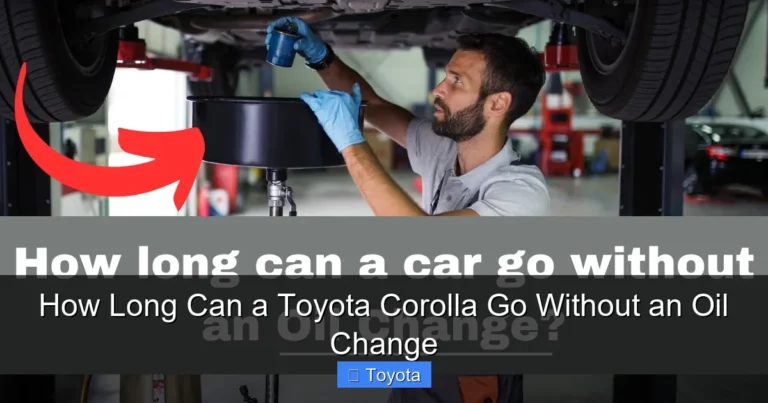
So you’ve dropped off your Toyota. What unfolds in the service bay is a carefully choreographed process. Here’s a transparent walkthrough of the typical oil change service at a Toyota dealership.

Visual guide about What Comes with an Oil Change at a Toyota Dealership?
Image source: d3s8goeblmpptu.cloudfront.net
1. The Vehicle Check-In & Initial Scan
Before the tech even touches a wrench, your car’s on-board computer is scanned. This isn’t just to check for the maintenance reminder; it’s to pull any stored diagnostic trouble codes (DTCs). This step can reveal latent issues unrelated to the oil change but important for your safety. The service advisor will note any customer concerns—a strange noise, a vibration, a leak—and flag them for the technician.
2. The Oil and Filter Replacement
The core task is executed with precision. The car is lifted, the old oil is fully drained, and the old filter is removed. The drain plug is inspected, and if needed, a new washer is used (a detail sometimes overlooked elsewhere). The new genuine Toyota filter is installed, hand-tightened to the correct specification (over-tightening is a common mistake). The engine is then filled with the exact volume and specification of genuine motor oil. This is where the fundamental difference from a quick-lube is stark: they use bulk oil, often of an unspecified brand and grade. The dealership’s process is about exactness.
3. The Multi-Point Inspection in Action
This is where the value skyrockets. While the car is on the lift, the technician conducts a systematic visual and physical check. We’ll dive deeper into this in the next section, but key actions include checking tire pressure and tread depth, inspecting brake pads and rotors, examining all under-hood fluid levels (coolant, brake fluid, washer fluid), looking for leaks, checking belts and hoses for cracks, and testing the battery. Nothing is assumed.
4. Reset & Final Verification
The maintenance reminder light on your dashboard is reset using the dealer’s proprietary diagnostic scan tool, not a generic code reader. The technician then starts the engine, lets it run for a moment, and checks for any new leaks. The oil level is double-checked with the dipstick. Finally, the car is pulled down, and the service advisor performs a walk-around with you, pointing out items on the inspection report.
The Multi-Point Inspection Deep Dive: Your Car’s Health Report
The multi-point inspection (MPI) is the flagship benefit of a dealership oil change. While the number of points can vary by dealer (often 20-27), the goal is universal: a proactive snapshot of your vehicle’s condition. This isn’t a quick glance; it’s a methodical assessment.

Visual guide about What Comes with an Oil Change at a Toyota Dealership?
Image source: fixedopsdigital.s3.amazonaws.com
What’s Typically Included in the MPI
You’ll receive a checklist, often digital, that covers:
- Engine Bay: Belts, hoses, battery terminals, air filter condition, fluid levels (oil, coolant, power steering, brake, transmission if applicable).
- Undercarriage: Axles, CV boots, exhaust system for leaks/rust, steering/suspension components (ball joints, tie rods, shocks/struts).
- Brakes: Pad and shoe thickness, rotor condition, brake line integrity, parking brake operation.
- Tires & Wheels: Tread depth measurement at multiple points, pressure check, sidewall condition, lug nut torque.
- Lights: All exterior and interior lights (headlights, taillights, turn signals, brake lights, cabin lights).
- Windshield Wipers: Blade condition and washer fluid level.
- Safety Items: Seat belts operation, horn function.
Each item is marked as “OK,” “Check,” or “Service Required.” This transparency is powerful. You might go in for an oil change and leave knowing your front brake pads are at 4mm (good for now) but your rear wiper blade is streaking. It turns a simple maintenance appointment into an informed planning session for your car’s future. For a broader look at how regular maintenance prevents major issues, our article on what happens to your car when you need an oil change explains the cascading effects of neglected service.
Understanding the Cost: Value Beyond the Price Tag
Yes, an oil change at a Toyota dealership typically costs more than a promotional deal at a chain quick-lube. But comparing the two is an apples-to-oranges exercise. The dealership price is a bundled package: high-grade genuine oil + a premium filter + a comprehensive 20+ point inspection by a certified technician + a digital report + warranty-compliant work + the peace of mind of a brand-backed facility. The quick-lube price is for a basic fluid and filter swap, often with upselling pressure for additional services (like “fuel system cleaning”) that may not be needed.
When you break it down, the incremental cost is for the inspection and expertise. That inspection can find a loose brake line clamp, a leaking shock absorber, or severely worn tires—issues that, if caught early, save you hundreds or thousands in future repairs and, more importantly, prevent a safety hazard. Furthermore, using the correct oil and filter protects your engine’s longevity, which is the single most valuable component of your car. For specific models, our detailed guides on costs, such as for the Toyota RAV4, show how dealership pricing aligns with the value provided.
When to Choose a Dealership vs. an Independent Shop
This is a classic car owner debate. The answer isn’t one-size-fits-all; it depends on your priorities and your vehicle’s stage of life.
- Choose the Toyota Dealer if: Your Toyota is under the original factory warranty (or a certified pre-owned warranty). This is non-negotiable for maintaining coverage. You also want the absolute highest level of model-specific expertise, have a complex vehicle like a hybrid or a high-performance model (GR Corolla, Land Cruiser), or simply value the convenience, accountability, and comprehensive health report. It’s the hassle-free, “set it and forget it” option for long-term care.
- Consider a Reputable Independent if: Your vehicle is well out of warranty, you have a trusted, Toyota-specialist mechanic with a stellar reputation, and you are highly knowledgeable about your car’s needs. A good independent shop can offer lower labor rates and may be more flexible. However, you must vet them carefully—do they use quality oil/filters? Do they perform a thorough inspection? Are they familiar with Toyota-specific quirks?
For many, the dealership provides unmatched peace of mind. The service history is automatically logged in Toyota’s national database, which is a significant advantage for future resale value. There’s also a single point of responsibility. If something is missed or done incorrectly, you deal with one corporate entity, not a small shop that may be harder to reach. The time it takes is also often comparable; you can find out how long an oil change typically takes at a Toyota dealership to plan your day.
Conclusion: Investing in Your Toyota’s Future
Ultimately, an oil change at a Toyota dealership should be viewed not as a recurring expense, but as a strategic investment in your vehicle’s reliability, performance, and longevity. You are paying for a team of specialists who view your car through the lens of Toyota’s engineering standards. You are paying for genuine parts that are guaranteed to fit and function as intended. And most valuably, you are paying for knowledge—the foresight gained from a thorough multi-point inspection that empowers you to make informed decisions about your car’s maintenance.
While the upfront cost is higher than the cheapest option in town, the long-term value is clear: a well-maintained Toyota with a complete factory-service history holds more resale value, runs more efficiently, and is far less likely to suffer a catastrophic, expensive failure. The next time that service light illuminates, consider the full picture. Ask the dealership for a copy of their multi-point inspection form. See the detailed report. Understand what’s being done and why. You’ll likely find that the peace of mind and comprehensive care your Toyota receives is worth every penny. Your vehicle is a major investment—it deserves a service that matches its quality.
Frequently Asked Questions
Is an oil change at a Toyota dealership really worth the extra cost?
Yes, for most owners, it is. The higher cost covers genuine Toyota oil/filters, a comprehensive multi-point inspection by certified technicians, and warranty-compliant work. This thorough service protects your engine, identifies potential issues early, and maintains your vehicle’s service history, often providing long-term savings and peace of mind that outweigh the initial price difference.
How long does a typical dealership oil change take?
While it can vary based on shop volume and your specific model, you should generally plan for the process to take between 60 and 90 minutes from drop-off to completion. This includes the oil/filter swap and the full multi-point inspection. Many dealerships offer shuttle services or comfortable waiting lounges if you choose to stay.
Do I have to use a Toyota dealership to keep my warranty valid?
No, you can have maintenance performed at any licensed repair facility. However, to maintain your warranty, you must follow the maintenance schedule in your owner’s manual and keep detailed receipts. Using a dealership simplifies this, as all work is automatically logged in Toyota’s system and is unquestionably compliant with warranty standards, removing any potential for dispute later.
What specific oil will they use in my Toyota?
The dealership will use the exact type and viscosity specified for your model year and engine in your owner’s manual. This is typically a low-viscosity oil like 0W-16 or 0W-20 for modern Toyotas, but it could be 5W-30 for older models or specific applications. They use either Toyota Genuine Motor Oil or a high-quality brand that meets Toyota’s specifications, ensuring perfect compatibility.
Can I just change the oil myself and skip the dealership?
You can, but you will miss the critical multi-point inspection and the automatic service history logging. DIY oil changes also require proper disposal of old oil and filter. For newer vehicles under warranty, improper service could complicate a future warranty claim. For many, the expertise and comprehensive check from a dealership provide greater overall value and safety assurance.
What happens if they find other problems during the inspection?
The technician will note any items needing attention on your digital inspection report. The service advisor will then discuss these findings with you, providing a clear explanation, a cost estimate for repair, and a priority level (e.g., “urgent” for brakes, “recommend” for worn wipers). You are never obligated to have the dealership perform the additional repairs, but it’s a valuable opportunity to address issues proactively with experts familiar with your vehicle.