
What Can a Subaru Forester Tow?

The Subaru Forester is a capable compact SUV with a towing capacity of up to 1,500 to 2,000 pounds, depending on the model year and drivetrain. While not built for heavy-duty towing, it handles small trailers, kayaks, and lightweight campers with ease when properly equipped.
If you’re a Subaru Forester owner—or considering becoming one—you’ve probably asked yourself: “What can a Subaru Forester tow?” It’s a fair question. The Forester has long been celebrated for its reliability, all-weather capability, and family-friendly design. But when it comes to hauling gear, trailers, or recreational toys, how much can it really handle?
Unlike full-size trucks or heavy-duty SUVs, the Forester isn’t designed to pull massive loads. But that doesn’t mean it’s useless when it comes to towing. In fact, with the right setup and realistic expectations, this compact SUV can be a surprisingly handy companion for weekend adventures, camping trips, or moving day. Whether you’re dragging a small utility trailer full of mulch or towing a lightweight camper to your favorite lakeside spot, understanding your Forester’s limits is key to doing it safely and effectively.
In this guide, we’ll break down everything you need to know about what a Subaru Forester can tow—from official towing capacities across different model years to practical tips for safe hauling. We’ll also cover the equipment you’ll need, common mistakes to avoid, and real-world examples of what works (and what doesn’t). By the end, you’ll have a clear picture of whether your Forester is up to the task—and how to make the most of its capabilities.
Key Takeaways
- Towing capacity varies by model year and trim: Most Forester models from 2014–2024 can tow between 1,500 and 2,000 pounds when properly equipped.
- All-wheel drive enhances stability: Subaru’s standard Symmetrical All-Wheel Drive improves traction and control when towing on slippery or uneven terrain.
- Manual vs. automatic transmission matters: Earlier models with manual transmissions often have lower towing limits than their automatic counterparts.
- Proper equipment is essential: A factory or aftermarket tow hitch, wiring harness, and brake controller (if needed) are required for safe towing.
- Payload and tongue weight must be considered: Always stay within the vehicle’s gross combined weight rating (GCWR) and avoid exceeding 10–15% tongue weight.
- Light recreational loads are ideal: The Forester excels at hauling small pop-up campers, jet skis, motorcycles, or utility trailers—not large boats or RVs.
- Regular maintenance improves towing performance: Check fluids, brakes, tires, and suspension before any towing trip to ensure safety and reliability.
📑 Table of Contents
Understanding Subaru Forester Towing Capacity
When it comes to towing, the first thing you need to know is your vehicle’s official towing capacity. This number represents the maximum weight your Forester can safely pull under ideal conditions. But here’s the catch: that number isn’t the same across all Forester models. It varies depending on the year, engine, transmission, and whether the vehicle is equipped with a tow package.
For most modern Subaru Foresters (2014–2024), the towing capacity typically ranges from 1,500 to 2,000 pounds. That might not sound like much compared to a Ford F-150 or a Toyota Tacoma, but for a compact SUV, it’s actually quite respectable—especially when you consider that many competitors in its class don’t offer any towing capability at all.
Let’s look at some specifics. The 2014–2018 Subaru Forester models with the 2.5L four-cylinder engine and automatic transmission can generally tow up to 1,500 pounds. However, if you opt for the optional towing package—which includes a factory-installed hitch and wiring harness—some trims can reach up to 2,000 pounds. The 2019–2024 models continue this trend, with most versions rated at 1,500 to 2,000 pounds, depending on configuration.
One important note: manual transmission models, especially in earlier years, often have lower towing limits—sometimes as low as 1,000 pounds. This is because manual transmissions generate more heat under load and aren’t always optimized for sustained towing. If you’re driving a stick-shift Forester, it’s best to stick to lighter loads and avoid long, steep climbs.
Why Towing Capacity Isn’t One-Size-Fits-All
You might be wondering why Subaru doesn’t just give one universal number. The truth is, towing capacity depends on a combination of factors, including engine power, cooling systems, suspension strength, and braking performance. Even two Foresters that look identical on the outside might have different capabilities based on how they were built and equipped.
For example, a 2022 Forester Premium with the standard 2.5L engine and automatic transmission can tow up to 1,500 pounds. But if you upgrade to the Touring trim with the optional towing package, that number jumps to 2,000 pounds. The difference? The Touring model includes enhanced cooling, a heavier-duty alternator, and a reinforced rear suspension—all of which help manage the extra stress of towing.
Another factor is drivetrain. All Subaru Foresters come standard with Symmetrical All-Wheel Drive (AWD), which is a huge advantage when towing. AWD provides better traction on wet, snowy, or uneven roads, reducing the risk of slipping or losing control. This is especially helpful when launching a trailer from a boat ramp or navigating a muddy campsite.
What Can You Actually Tow with a Subaru Forester?
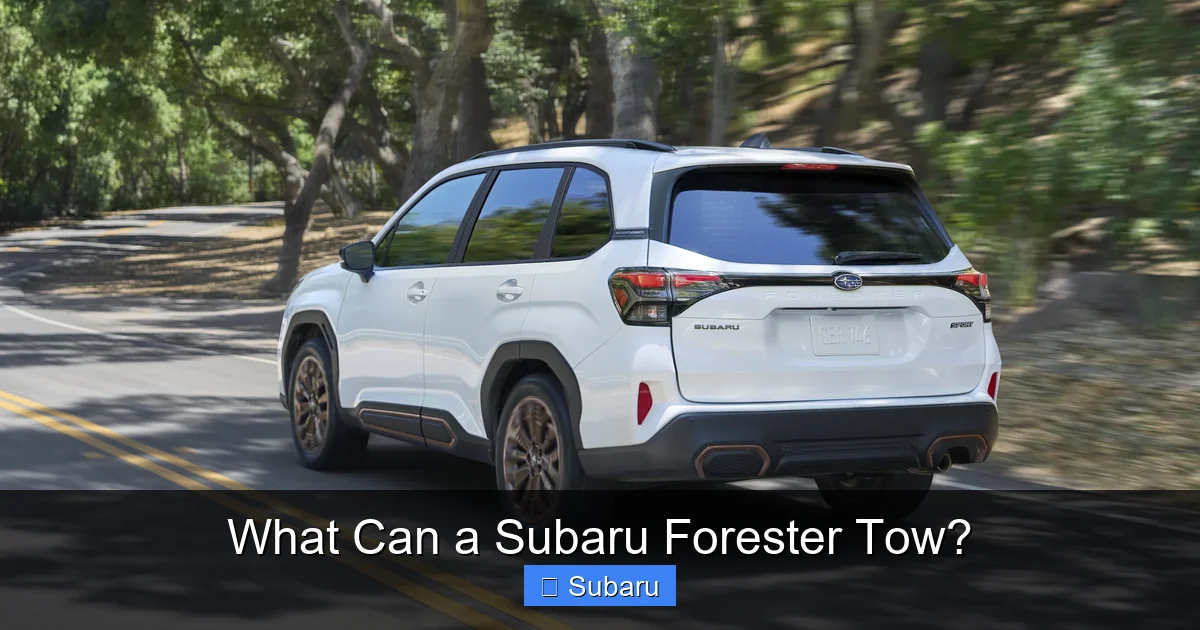
Visual guide about What Can a Subaru Forester Tow?
Image source: images.caricos.com
Now that we’ve covered the numbers, let’s talk about real-world applications. What kinds of things can you actually tow with a Forester? The answer depends on your needs, but generally, the Forester is best suited for light recreational and utility tasks.
One of the most common uses is hauling small trailers for landscaping or home projects. A typical 4×8 utility trailer loaded with bags of soil, mulch, or firewood usually weighs between 1,000 and 1,500 pounds—well within the Forester’s range. Just remember to distribute the weight evenly and secure your load properly to avoid shifting during transit.
Another popular option is towing lightweight recreational vehicles. Pop-up campers, teardrop trailers, and small travel trailers under 2,000 pounds are excellent matches for the Forester. These campers often feature aerodynamic designs and lightweight materials, making them easy to pull without overloading the vehicle. For example, the popular Casita Spirit Deluxe weighs around 1,800 pounds fully loaded, which is right at the upper limit for many Forester models—so you’d want to ensure your vehicle is properly equipped and not overloaded.
Water sports enthusiasts will be happy to know that the Forester can handle small watercraft. A single kayak or canoe on a trailer typically weighs less than 200 pounds, making it a breeze to tow. Even a small fishing boat with a lightweight trailer might come in under 1,500 pounds, especially if you remove the motor and fuel tank before transport.
Motorcycles are another great fit. A single motorcycle on a trailer usually weighs between 500 and 800 pounds, depending on the bike. With the Forester’s AWD and stable handling, you can confidently tow your Harley or sportbike to the track or rally without worry.
What You Should Avoid Towing
While the Forester is versatile, it’s not built for heavy-duty towing. Avoid attempting to pull large travel trailers, fifth wheels, or full-size boats. These loads often exceed 3,000 pounds and require vehicles with much higher towing capacities, stronger frames, and specialized braking systems.
Similarly, avoid towing multiple items at once—like a trailer full of firewood plus a motorcycle strapped to the roof. This can quickly push your Forester beyond its payload and towing limits, increasing the risk of mechanical failure or loss of control.
Another common mistake is ignoring tongue weight. The tongue weight—the downward force exerted by the trailer on the hitch—should be between 10% and 15% of the total trailer weight. Too little, and the trailer may sway; too much, and you could overload the rear suspension or affect steering. Always use a weight distribution hitch if recommended by the manufacturer.
Essential Towing Equipment for Your Forester
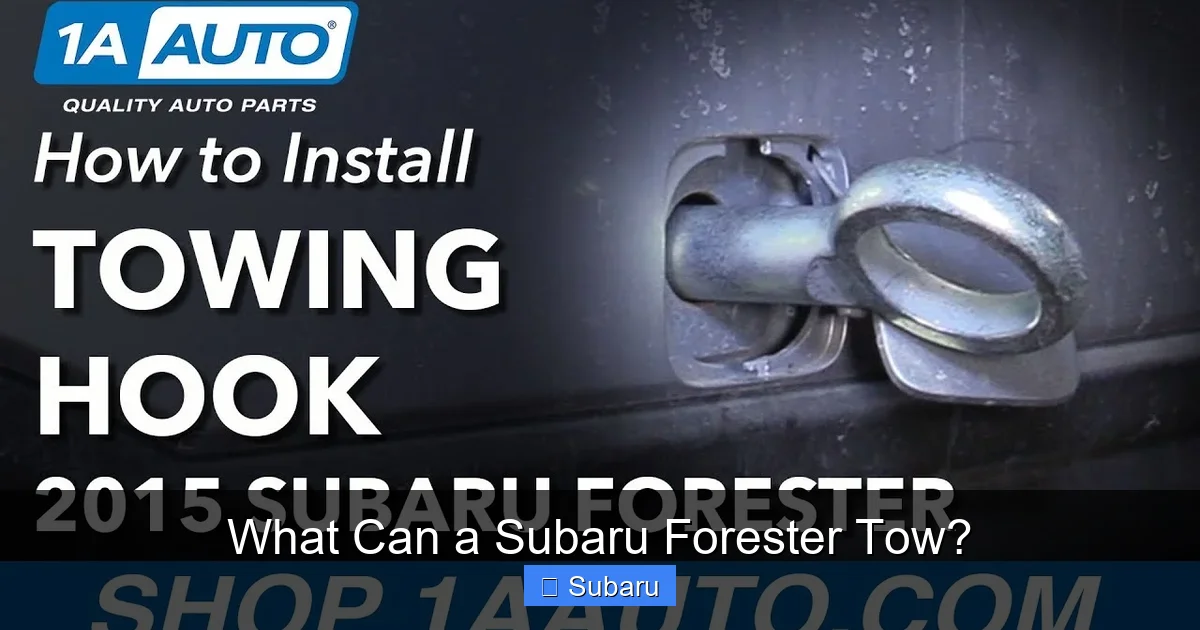
Visual guide about What Can a Subaru Forester Tow?
Image source: i.ytimg.com
Towing safely isn’t just about knowing your limits—it’s also about having the right gear. Even if your Forester is rated to tow 2,000 pounds, you can’t just hook up a trailer and go. You need proper equipment to ensure a secure, stable, and legal connection.
The most important piece of equipment is the trailer hitch. Subaru offers a factory-installed hitch receiver as part of its optional towing package, but many owners also choose aftermarket hitches from reputable brands like Draw-Tite or Curt. A Class II or Class III hitch is typically recommended for the Forester, depending on the load.
Next, you’ll need a wiring harness to connect the trailer’s lights to your vehicle’s electrical system. This ensures your brake lights, turn signals, and taillights work properly, which is not only safer but also required by law in most states. Subaru’s harness plugs directly into the vehicle’s wiring, making installation straightforward.
If you’re towing a trailer with electric brakes—common on campers and larger utility trailers—you’ll also need a brake controller. This device, usually mounted inside the cabin, allows you to manually adjust the trailer’s brake force. While not all small trailers require electric brakes, it’s a good idea to have a controller if you plan to tow heavier loads or drive in hilly areas.
Optional but Helpful Accessories
Beyond the basics, there are a few accessories that can make towing easier and safer. A hitch lock prevents theft and keeps your trailer secure when parked. A sway control device can reduce trailer wobble, especially in windy conditions or when passing large trucks. And a backup camera with trailer assist features can make hitching and maneuvering much simpler.
Tire pressure monitoring systems (TPMS) are also worth considering. Towing puts extra strain on your tires, and underinflated tires can overheat and fail. Many newer Foresters come with TPMS standard, but if yours doesn’t, an aftermarket system can provide peace of mind.
Finally, don’t forget about mirrors. Standard side mirrors may not give you a clear view of a wide trailer. Consider adding extended towing mirrors for better visibility, especially when changing lanes or backing up.
Best Practices for Safe Towing
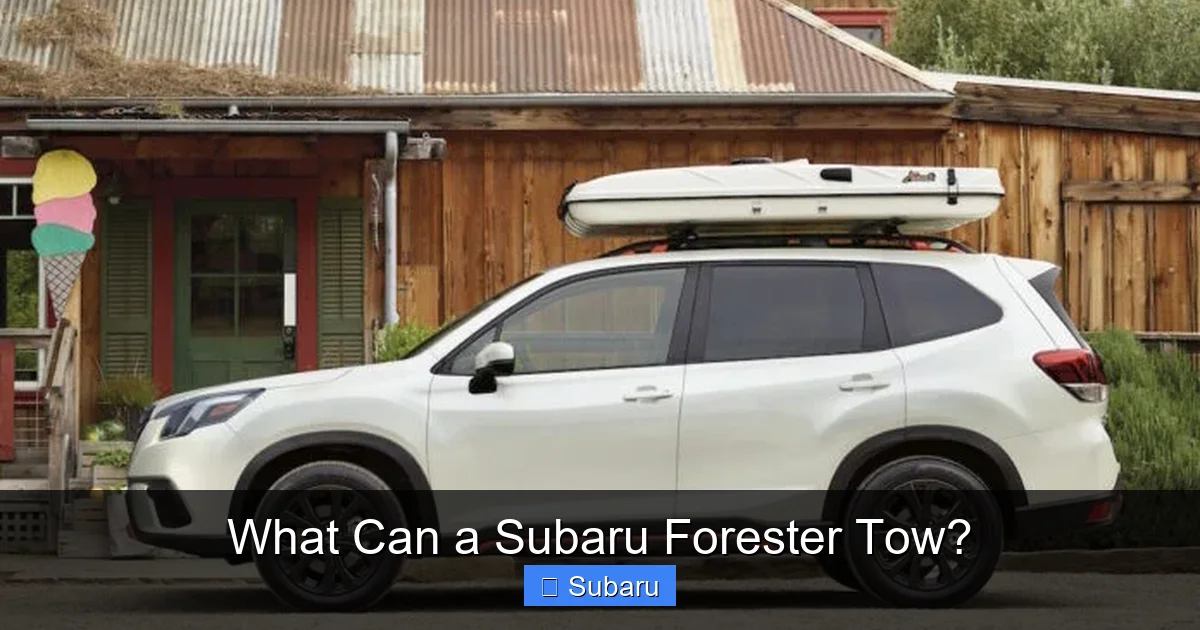
Visual guide about What Can a Subaru Forester Tow?
Image source: tractionlife.com
Even with the right equipment, towing requires careful planning and driving habits. Here are some best practices to keep in mind every time you hit the road with a trailer in tow.
First, always check your owner’s manual. Subaru provides specific towing guidelines for each model year, including weight limits, hitch specifications, and maintenance recommendations. Following these instructions is the best way to avoid voiding your warranty or damaging your vehicle.
Before you leave, perform a pre-tow inspection. Check your tires for proper inflation and wear, ensure all lights are working, and verify that your trailer is securely hitched. Use the “lug wrench test”: try to lift the trailer tongue—if it doesn’t budge, you’re good to go. Also, make sure your load is balanced and secured with straps or tie-downs.
When driving, remember that towing changes how your vehicle handles. Your Forester will accelerate more slowly, take longer to stop, and be more affected by wind and road conditions. Leave extra following distance, avoid sudden maneuvers, and use lower gears when descending hills to reduce brake wear.
Braking and Hill Management
One of the biggest challenges when towing is managing speed on downhill grades. Relying solely on your foot brakes can cause them to overheat and fade, leading to dangerous situations. Instead, use engine braking by downshifting into a lower gear. This reduces strain on your brakes and gives you better control.
If your trailer has electric brakes, use the brake controller to apply gradual, consistent pressure. Avoid slamming the brakes, which can cause the trailer to push your vehicle or jackknife.
In snowy or icy conditions, take extra precautions. Even with AWD, towing in winter weather increases the risk of skidding. Reduce your speed, avoid sudden turns, and consider using tire chains if necessary.
Real-World Examples and Owner Experiences
To give you a better sense of what’s possible, let’s look at some real-world examples from Forester owners.
Sarah, a teacher from Colorado, uses her 2020 Forester to tow a 1,200-pound pop-up camper to mountain campsites every summer. “It handles really well, even on steep mountain roads,” she says. “I added a brake controller and extended mirrors, and it’s been smooth sailing ever since.”
Mike, a contractor in Oregon, tows a 1,400-pound utility trailer loaded with tools and materials to job sites. “I’ve never had an issue,” he notes. “The AWD gives me confidence in the rain, and the Forester’s ground clearance helps on rough terrain.”
On the flip side, some owners have learned the hard way. One driver attempted to tow a 2,500-pound travel trailer with a 2016 Forester and ended up overheating the transmission on a long hill climb. “I didn’t realize how much strain it would put on the engine,” he admitted. “Now I stick to lighter loads.”
These stories highlight an important point: the Forester is capable, but it’s not indestructible. Respect its limits, prepare properly, and you’ll enjoy many trouble-free towing adventures.
Maintenance Tips for Towing Owners
Towing puts extra stress on your vehicle, so regular maintenance is crucial. Here are some key areas to focus on.
Check your transmission fluid more frequently. Towing generates heat, and overheated fluid can lead to premature wear. If you tow often, consider installing an auxiliary transmission cooler.
Inspect your brakes regularly. Towing increases wear on brake pads and rotors. Listen for squeaking or grinding, and have them serviced as needed.
Keep an eye on your tires. Rotate them every 5,000 to 7,500 miles and replace them when tread depth falls below 4/32 of an inch. Consider upgrading to all-terrain or highway-terrain tires for better durability.
Finally, don’t neglect your suspension. Towing can cause sagging in the rear, especially if you’re frequently near your weight limit. Upgrading to heavy-duty shocks or adding air helper springs can improve ride quality and stability.
Conclusion
So, what can a Subaru Forester tow? The answer is: quite a bit—if you keep your expectations realistic and your preparation thorough. With a towing capacity of 1,500 to 2,000 pounds, the Forester is perfect for small trailers, campers, boats, and motorcycles. Its standard AWD, reliable engine, and compact size make it a versatile choice for light-duty hauling.
But remember, towing safely means more than just knowing the numbers. It requires the right equipment, proper loading, careful driving, and regular maintenance. By following the guidelines in this guide, you can make the most of your Forester’s capabilities while keeping yourself, your passengers, and other drivers safe on the road.
Whether you’re heading to the lake, the mountains, or just the local hardware store, your Forester can be a trusted partner—as long as you treat it with respect. So go ahead, hitch up that trailer, and enjoy the journey.
Frequently Asked Questions
What is the towing capacity of a Subaru Forester?
The towing capacity of a Subaru Forester ranges from 1,500 to 2,000 pounds, depending on the model year, engine, transmission, and whether it’s equipped with a towing package. Always check your owner’s manual for the exact rating for your specific vehicle.
Can a Subaru Forester tow a camper?
Yes, a Subaru Forester can tow small pop-up campers, teardrop trailers, and lightweight travel trailers under 2,000 pounds. Just ensure the trailer is properly loaded and your Forester is equipped with the necessary hitch and wiring.
Do I need a special hitch to tow with my Forester?
Yes, you need a Class II or Class III trailer hitch receiver to safely tow with your Forester. Subaru offers a factory-installed option, or you can purchase an aftermarket hitch from brands like Curt or Draw-Tite.
Can I tow with a manual transmission Forester?
Yes, but manual transmission models typically have lower towing capacities—often around 1,000 pounds. They’re also more prone to overheating under load, so avoid long, steep climbs and heavy loads.
What happens if I exceed my Forester’s towing capacity?
Exceeding the towing capacity can damage your transmission, suspension, or brakes, and may void your warranty. It also increases the risk of losing control, especially on hills or in bad weather.
Is it safe to tow in winter with a Subaru Forester?
Yes, the Forester’s standard AWD provides excellent traction in snow and ice. However, towing in winter requires extra caution—reduce speed, increase following distance, and consider using tire chains if needed.