
Toyota Tire and Wheel Protection Cost

Toyota tire and wheel protection plans offer peace of mind against road hazards like potholes, nails, and curb damage. While costs vary by model and coverage level, most plans range from $200 to $500 and can save you hundreds in repair or replacement expenses.
Key Takeaways
- Coverage varies by plan: Basic plans may only cover tire repairs, while premium options include wheel replacement and roadside assistance.
- Costs typically range from $200 to $500: Pricing depends on your Toyota model, tire size, and dealership location.
- Plans are transferable: If you sell your Toyota, the protection can often be transferred to the new owner, adding resale value.
- No deductibles or claim limits: Most Toyota protection plans cover 100% of approved repairs with no out-of-pocket costs.
- Best purchased early: Coverage usually starts immediately and must be bought within a short window after vehicle purchase.
- Not all damage is covered: Normal wear, improper inflation, and cosmetic scratches are typically excluded.
- Compare third-party options: Independent providers may offer similar coverage at lower prices, but verify terms carefully.
📑 Table of Contents
- What Is Toyota Tire and Wheel Protection?
- How Much Does Toyota Tire and Wheel Protection Cost?
- Is Toyota Tire and Wheel Protection Worth It?
- How to Purchase Toyota Tire and Wheel Protection
- Third-Party Alternatives: Are They Worth Considering?
- Tips to Maximize Your Protection Plan
- Final Thoughts: Is It Right for You?
What Is Toyota Tire and Wheel Protection?
Owning a Toyota is about reliability, comfort, and long-term value. But even the most dependable vehicles face everyday hazards—like potholes, nails, glass, and curbs—that can damage your tires and wheels. That’s where Toyota Tire and Wheel Protection comes in. This optional service plan is designed to shield your vehicle’s most vulnerable components from unexpected damage caused by road hazards.
Toyota’s protection plan isn’t just about fixing a flat. It covers the cost of repairing or replacing damaged tires and wheels due to incidents beyond your control. Whether you hit a deep pothole on your morning commute or accidentally scrape your alloy wheels against a concrete curb while parking, this plan can save you from expensive out-of-pocket repairs. It’s especially valuable for drivers in urban areas or regions with poor road conditions.
How Does It Work?
Once you purchase the plan—usually at the time of vehicle purchase or within a short window afterward—coverage begins immediately. If your tire or wheel is damaged by a covered hazard, you simply take your Toyota to an authorized dealership or approved repair center. The service team will assess the damage and handle the repair or replacement at no cost to you. There are typically no deductibles, and most plans cover 100% of approved expenses.
For example, imagine you’re driving your Toyota RAV4 down a city street and hit a deep pothole. The impact bends your alloy wheel and causes a slow leak in the tire. Without protection, you might pay $300–$600 for a new wheel and tire. With the plan, that cost is fully covered. The process is straightforward: report the damage, get it inspected, and drive away with peace of mind.
What’s Covered—and What’s Not?
Toyota’s Tire and Wheel Protection covers damage caused by road hazards such as potholes, nails, screws, glass, debris, and curb rash. This includes both tire repair (like patching a puncture) and full replacement if the tire is beyond repair. Wheel coverage extends to structural damage—bends, cracks, or breaks—that affect performance or safety.
However, not all damage qualifies. Normal wear and tear, such as tread wear from high mileage, is excluded. Improper tire inflation, alignment issues, or damage from accidents (like a collision) are also not covered. Cosmetic scratches or minor scuffs that don’t affect functionality are typically left out, too. It’s important to read the fine print to understand the full scope of coverage.
How Much Does Toyota Tire and Wheel Protection Cost?
The cost of Toyota Tire and Wheel Protection varies based on several factors, including your vehicle model, tire size, and the level of coverage you choose. On average, most drivers can expect to pay between $200 and $500 for a comprehensive plan. Smaller vehicles like the Toyota Corolla or Yaris may fall on the lower end of that range, while larger SUVs like the Highlander or 4Runner—with bigger, more expensive tires and wheels—can cost closer to $500 or more.
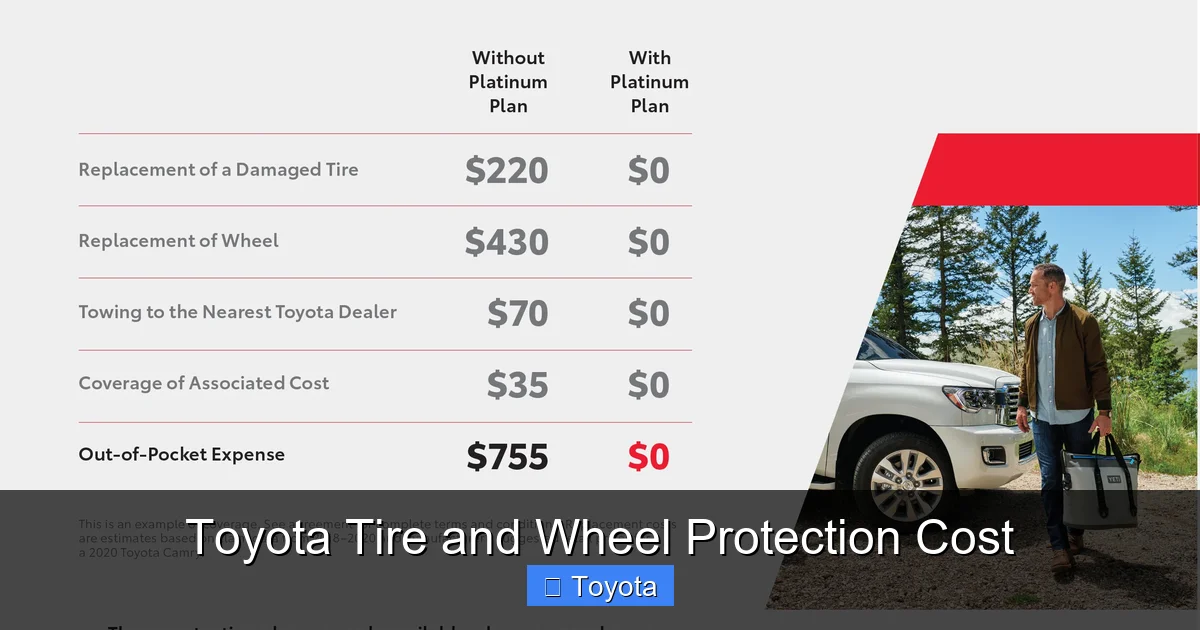
Visual guide about Toyota Tire and Wheel Protection Cost
Image source: dealerimages.dealereprocess.com
Dealerships often bundle this protection with other service plans, such as paint protection or key replacement, which can affect the overall price. Some dealers may also offer discounts or promotional pricing, especially during vehicle purchase events. It’s always worth asking about current offers or negotiating the price, particularly if you’re buying multiple add-ons.
Factors That Influence Pricing
Several key factors determine how much you’ll pay for tire and wheel protection:
- Vehicle type and size: Larger vehicles with bigger wheels and tires cost more to protect. A Toyota Tacoma with 18-inch alloy wheels will have a higher protection cost than a compact Prius with 15-inch steel wheels.
- Tire and wheel material: Alloy and forged wheels are more expensive to repair or replace than standard steel wheels, so plans covering premium wheels cost more.
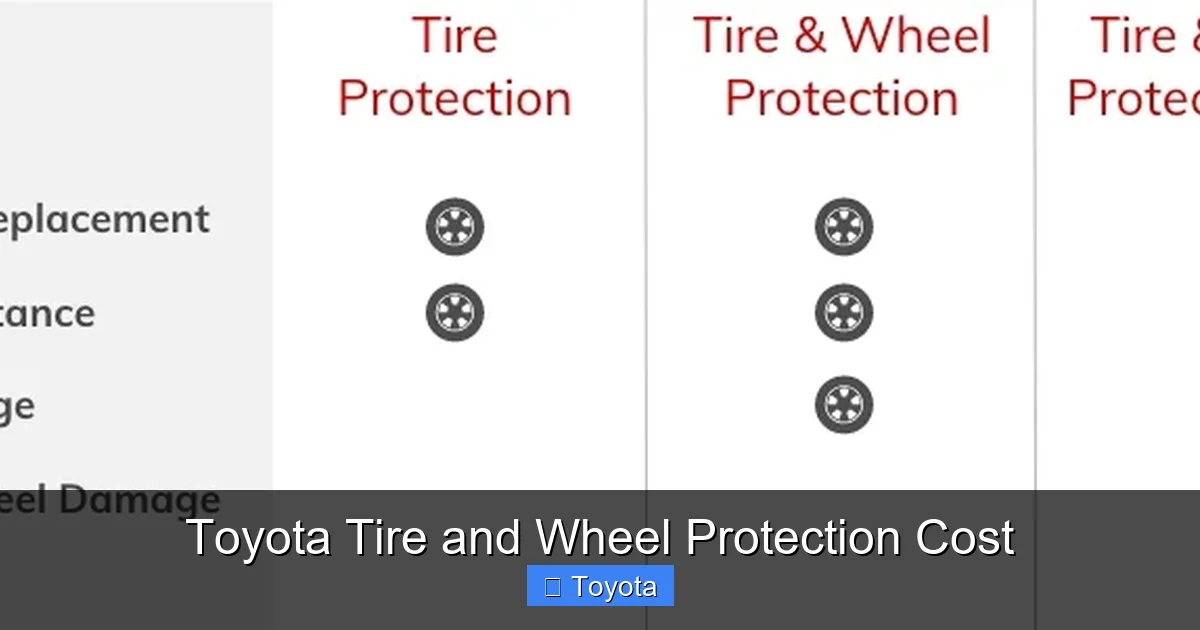
- Coverage level: Basic plans may only cover tire repairs, while premium plans include full wheel replacement, roadside assistance, and even cosmetic repairs.
- Geographic location: Dealers in areas with higher labor rates or rougher road conditions may charge more for protection plans.
- Dealership pricing policies: Some dealers markup protection plans significantly, so prices can vary even for the same vehicle model.
Sample Pricing by Model
To give you a clearer picture, here’s a general breakdown of what you might expect to pay for tire and wheel protection on popular Toyota models:
- Toyota Corolla: $200–$275 (compact size, standard wheels)
- Toyota Camry: $250–$325 (mid-size sedan, optional alloy wheels)
- Toyota RAV4: $300–$400 (popular SUV, larger tires, frequent road hazard exposure)
- Toyota Highlander: $350–$450 (three-row SUV, premium wheel options)
- Toyota Tacoma: $375–$500 (off-road capable, rugged tires, higher replacement costs)
- Toyota 4Runner: $400–$550 (heavy-duty SUV, large wheels, frequent off-road use)
These are estimated ranges based on dealer quotes and customer reports. Actual pricing may vary, so it’s best to get a personalized quote from your local Toyota dealership.
Is Toyota Tire and Wheel Protection Worth It?
This is the million-dollar question—or at least the $300–$500 question. Whether the protection plan is worth it depends on your driving habits, location, and risk tolerance. For many Toyota owners, the peace of mind alone makes it a smart investment. But let’s break it down with real-world scenarios.
Visual guide about Toyota Tire and Wheel Protection Cost
Image source: di-sitebuilder-assets.s3.amazonaws.com
If you live in a city with poorly maintained roads, drive frequently on highways, or park in tight urban spaces, your risk of tire and wheel damage increases significantly. Potholes are notorious in cities like Chicago, New York, and Detroit, and even a single deep hit can bend a wheel or ruin a tire. In such environments, the protection plan can pay for itself with one claim.
Real-Life Example: The Pothole Incident
Take Sarah, a Toyota RAV4 owner in Cleveland. She hit a deep pothole on her way to work and damaged her front-left wheel. The alloy wheel was bent, and the tire had a slow leak. At the dealership, she was quoted $520 for a new wheel and tire. Fortunately, she had purchased the tire and wheel protection plan for $350. Her out-of-pocket cost? Zero. Without the plan, she would have paid more than the cost of the protection itself.
Now consider Mark, who drives a Toyota Camry in a suburban area with well-maintained roads. He rarely encounters potholes or debris. After three years, he hasn’t made a single claim. For him, the $280 he paid might seem like a loss. But he values the security of knowing he’s covered if something unexpected happens.
When It Makes Sense to Buy
Toyota Tire and Wheel Protection is most valuable in these situations:
- You drive in urban or high-traffic areas: More vehicles mean more debris and potholes.
- You have expensive alloy or performance wheels: Replacing a single premium wheel can cost $400–$800.
- You lease your Toyota: Lessees are responsible for returning the vehicle in good condition, and wheel damage can lead to hefty fees.
- You frequently drive on highways or rural roads: These areas often have less maintenance and more hazards.
- You want to maximize resale value: A transferable protection plan can make your Toyota more attractive to buyers.
When You Might Skip It
On the flip side, the plan may not be worth it if:
- You drive mostly on smooth, well-maintained roads: Lower risk means fewer claims.
- You have standard steel wheels: These are cheaper and easier to replace.
- You’re on a tight budget: The upfront cost might not fit your financial plan.
- You plan to sell the car soon: Unless the plan is transferable, you may not use it.
How to Purchase Toyota Tire and Wheel Protection
The best time to buy Toyota Tire and Wheel Protection is at the time of vehicle purchase—or within a short window afterward, usually 30 to 60 days. Most dealerships offer the plan as an add-on during the financing process, and it can often be rolled into your monthly payments.
Visual guide about Toyota Tire and Wheel Protection Cost
Image source: toyotafinancial-h.assetsadobe.com
To purchase, simply ask your sales representative about available protection plans. They’ll provide a quote based on your vehicle and coverage preferences. You can choose from different tiers, such as basic tire repair only or comprehensive coverage that includes wheels, roadside assistance, and even cosmetic repairs.
Steps to Buy
- Discuss with your dealer: Mention your interest in tire and wheel protection during the purchase process.
- Review the contract: Read the terms carefully, including coverage limits, exclusions, and transferability.
- Confirm start date: Ensure coverage begins immediately and lasts for the full term (usually 3–5 years).
- Keep your documentation: Store the plan details in your glove compartment or digital files for easy access.
Can You Buy It Later?
In most cases, you must purchase the plan within 30 to 60 days of vehicle delivery. After that window, coverage is typically no longer available through Toyota. However, some third-party providers offer similar plans for used vehicles, though they may have different terms and conditions.
Third-Party Alternatives: Are They Worth Considering?
While Toyota’s official protection plan is convenient and reliable, it’s not the only option. Several third-party companies offer tire and wheel protection for Toyota vehicles, often at lower prices. Providers like Endurance, CarShield, and Protect My Car market comprehensive coverage that rivals Toyota’s offerings.
Third-party plans can cost 20–40% less than dealership plans. For example, a $400 Toyota plan might be available for $250–$300 from an independent provider. However, there are trade-offs. Third-party plans may have longer claim processing times, limited repair networks, or stricter approval criteria. Some also require you to use specific repair shops, which could be inconvenient.
Pros and Cons of Third-Party Plans
Pros:
- Lower upfront cost
- Often cover used vehicles
- May include additional benefits like battery replacement or paint protection
Cons:
- Less brand trust and familiarity
- Potential delays in claims
- Limited dealer support
- Exclusions may be more restrictive
If you’re considering a third-party plan, do your research. Read customer reviews, check the company’s BBB rating, and compare coverage details side by side with Toyota’s plan. Make sure the provider is reputable and has a strong track record of honoring claims.
Tips to Maximize Your Protection Plan
Once you’ve purchased Toyota Tire and Wheel Protection, a few smart habits can help you get the most value from your investment.
1. Inspect Your Tires Regularly
Check your tires monthly for signs of damage, such as bulges, cracks, or embedded objects. Early detection can prevent minor issues from becoming major problems. If you spot something, visit a Toyota service center right away—don’t wait.
2. Maintain Proper Tire Pressure
Underinflated tires are more prone to damage from potholes and debris. Use a tire pressure gauge to check levels at least once a month, especially during temperature changes. Proper inflation also improves fuel efficiency and extends tire life.
3. Avoid Curbs and Potholes When Possible
While the plan covers curb rash and pothole damage, avoiding these hazards reduces wear and tear. When parking, take an extra second to steer clear of curbs. On the road, slow down when you see potholes and steer around them if safe to do so.
4. Keep Records of Repairs
Even though claims are handled by the dealership, keep copies of repair invoices and inspection reports. This documentation can be helpful if you transfer the plan or sell the vehicle.
5. Transfer the Plan When Selling
If you decide to sell your Toyota, let the buyer know about the active protection plan. Most plans are transferable for a small fee (usually $50–$100). This can increase your car’s resale value and give the new owner added confidence.
Final Thoughts: Is It Right for You?
Toyota Tire and Wheel Protection is more than just an insurance policy—it’s a smart financial safeguard for drivers who want to avoid unexpected repair bills. While the cost ranges from $200 to $500, the potential savings from a single claim can far outweigh the initial investment.
For city drivers, off-road enthusiasts, or anyone with premium wheels, the plan offers invaluable peace of mind. It’s especially useful for leased vehicles or those with high resale value. However, if you drive infrequently on smooth roads and have standard wheels, you might opt to skip it.
Ultimately, the decision comes down to your lifestyle, driving environment, and risk tolerance. But with Toyota’s reputation for quality and the rising cost of tire and wheel repairs, this protection plan is worth serious consideration. Talk to your local dealer, compare options, and choose the coverage that best fits your needs.
Frequently Asked Questions
How long does Toyota Tire and Wheel Protection last?
Most plans last between 3 and 5 years, depending on the terms you choose. Coverage typically begins immediately after purchase and continues for the full term as long as the vehicle is in your possession.
Can I transfer the protection plan to a new owner?
Yes, most Toyota Tire and Wheel Protection plans are transferable. You’ll need to pay a small transfer fee (usually $50–$100) and provide the new owner with the plan documentation.
Does the plan cover tire rotations and alignments?
No, routine maintenance like tire rotations, alignments, and balancing are not covered. The plan only covers damage caused by road hazards, not regular wear or service needs.
What happens if my tire is damaged but still drivable?
You should still report the damage to a Toyota service center. Even if the tire is drivable, internal damage could worsen over time. The service team will assess whether repair or replacement is needed under the plan.
Are winter tires covered under the protection plan?
Yes, as long as the winter tires are the original equipment or approved replacements, they are covered under the plan just like summer or all-season tires.
Can I cancel the plan if I change my mind?
Some plans allow cancellation within a short window (usually 30 days) for a full refund. After that, cancellation policies vary. Check your contract or contact your dealer for specific terms.
