
Toyota Highlander Xle Vs Xse: What’s the Difference?

The Toyota Highlander XLE and XSE offer similar powertrains but differ significantly in style, ride feel, and interior features. While the XLE focuses on comfort and practicality, the XSE leans into sporty design and a more dynamic driving experience—ideal for families who want a little extra flair.
Key Takeaways
- Engine and Performance: Both trims come with a 3.5L V6 engine and 8-speed automatic transmission, delivering 295 horsepower—no difference under the hood.
- Ride and Handling: The XSE features a sport-tuned suspension and larger wheels for sharper handling, while the XLE prioritizes a smoother, more comfortable ride.
- Exterior Styling: The XSE stands out with blacked-out accents, a unique front grille, dual exhaust tips, and optional 20-inch wheels—giving it a bolder, more aggressive look.
- Interior Features: Both offer premium materials and tech, but the XSE includes sport front seats, a leather-wrapped steering wheel, and available red stitching for a sportier cabin vibe.
- Technology and Infotainment: Identical standard tech packages across both trims, including an 8-inch touchscreen, Apple CarPlay, Android Auto, and Amazon Alexa compatibility.
- Seating and Space: Both seat up to eight passengers with three rows, though the XSE’s sport seats may feel slightly firmer—great for support, less so for long-road comfort.
- Price and Value: The XSE costs about $2,000–$3,000 more than the XLE, mainly for styling and suspension upgrades—worth it if you value performance and aesthetics.
📑 Table of Contents
- Introduction: Choosing the Right Highlander for Your Family
- Engine and Performance: Same Heart, Different Personality
- Exterior Design: Subtle Elegance vs. Bold Statement
- Interior Comfort and Materials: Luxury Meets Sport
- Technology and Infotainment: Equal Footing
- Pricing and Value: Is the XSE Worth the Premium?
- Who Should Choose Which Trim?
- Final Verdict: Two Great Options, One Clear Choice
Introduction: Choosing the Right Highlander for Your Family
When it comes to reliable, spacious, and family-friendly SUVs, the Toyota Highlander has long been a top contender. With its strong reputation for durability, safety, and resale value, it’s no surprise that many buyers turn to this midsize three-row SUV when upgrading their ride. But once you’ve decided on the Highlander, the real decision begins: which trim level is right for you?
Two of the most popular options—the XLE and the XSE—often cause confusion. They look similar at first glance, share the same engine, and offer nearly identical tech features. So what sets them apart? Is the XSE worth the extra cost, or does the XLE deliver better value for the average family? In this detailed comparison, we’ll break down every key difference between the Toyota Highlander XLE and XSE, from performance and styling to comfort and cost. Whether you’re hauling kids to soccer practice or planning a weekend road trip, understanding these trims will help you make the smartest choice for your lifestyle.
Engine and Performance: Same Heart, Different Personality
Let’s start under the hood—because this is where things get interesting. Despite their different names and appearances, the Toyota Highlander XLE and XSE are powered by the exact same engine: a robust 3.5-liter V6 that churns out 295 horsepower and 263 lb-ft of torque. Both trims come standard with an 8-speed automatic transmission and offer your choice of front-wheel drive (FWD) or all-wheel drive (AWD). So, in terms of raw power and acceleration, there’s no difference.
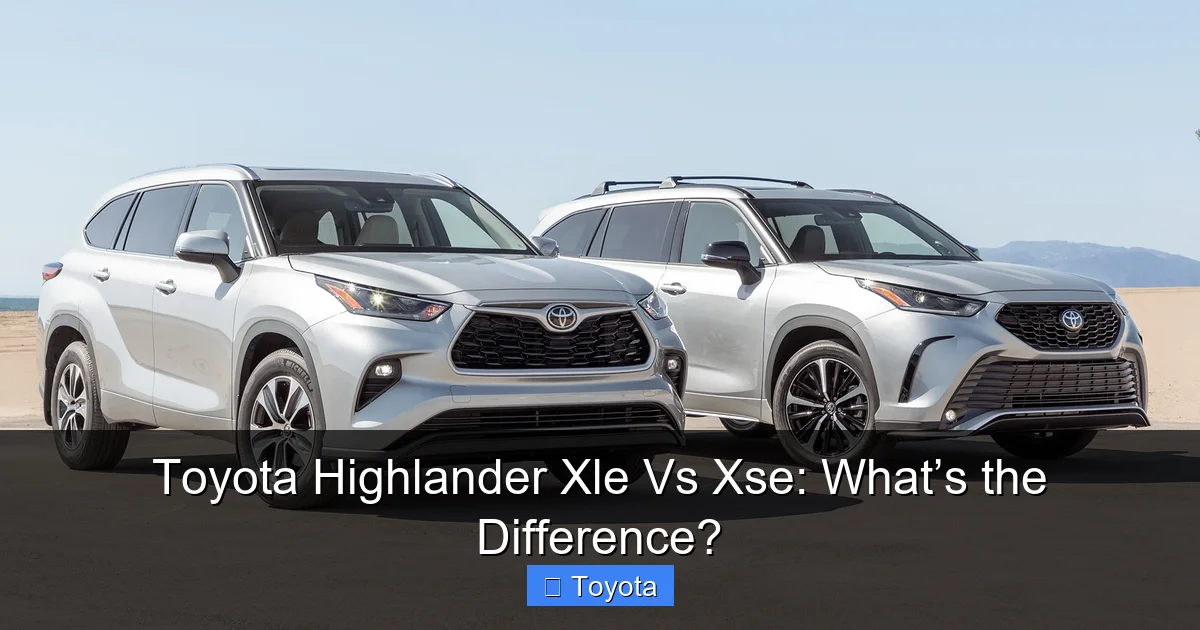
Visual guide about Toyota Highlander Xle Vs Xse: What’s the Difference?
Image source: motortrend.com
Acceleration and Towing Capacity
Whether you’re driving the XLE or XSE, you’ll experience smooth, confident acceleration from a stop and plenty of passing power on the highway. Both models can tow up to 5,000 pounds when properly equipped—perfect for small trailers, boats, or campers. This makes either trim a solid choice for active families who need utility without sacrificing daily drivability.
Fuel Economy: A Tie
Fuel efficiency is another area where the two trims are evenly matched. With FWD, both the XLE and XSE achieve an EPA-estimated 21 mpg in the city and 29 mpg on the highway. Opt for AWD, and those numbers drop slightly to 20 mpg city and 27 mpg highway. While not class-leading, these figures are respectable for a V6-powered three-row SUV, especially when you consider the Highlander’s size and capability.
The Real Difference: Suspension Tuning
Here’s where the XSE begins to distinguish itself. While both trims use the same engine and transmission, the XSE features a sport-tuned suspension. This means stiffer springs, revised shock absorbers, and a slightly lower ride height. The result? Sharper cornering, reduced body roll, and a more responsive feel when driving on winding roads or making quick lane changes.
In contrast, the XLE uses a comfort-oriented suspension setup. It absorbs bumps and road imperfections more effectively, making it ideal for daily commutes, school runs, and long highway drives. If you prioritize a plush, quiet ride over agility, the XLE has the edge. But if you enjoy a more engaging drive and don’t mind a firmer ride, the XSE delivers a sportier experience without going full performance SUV.
Exterior Design: Subtle Elegance vs. Bold Statement
Looks matter—especially when you’re driving a vehicle every day. The Toyota Highlander XLE and XSE take different approaches to exterior styling, reflecting their intended personalities.

Visual guide about Toyota Highlander Xle Vs Xse: What’s the Difference?
Image source: i.ytimg.com
XLE: Refined and Family-Friendly
The XLE embraces a more traditional, upscale SUV aesthetic. It features chrome accents on the grille, window trim, and door handles, giving it a polished, premium appearance. The front fascia is clean and understated, with a wide grille and sleek LED headlights that convey sophistication without being flashy. Standard 18-inch alloy wheels complete the look—functional, stylish, and perfectly suited for suburban streets and city parking lots.
XSE: Sporty and Aggressive
Step up to the XSE, and you’ll notice a dramatic shift in attitude. Toyota gives this trim a sportier makeover with blacked-out exterior elements, including a black mesh grille, black mirror caps, and black roof rails. The front bumper is more angular, with larger air intakes that hint at performance (even if they’re mostly cosmetic). Dual exhaust tips and available 20-inch black alloy wheels add to the aggressive stance.
The XSE also sits slightly lower to the ground thanks to its sport suspension, which enhances its athletic profile. If you want your SUV to stand out in a sea of minivans and crossovers, the XSE delivers head-turning style without crossing into over-the-top territory. It’s the perfect blend of family practicality and driver-focused flair.
Color Options and Availability
Both trims offer a similar range of exterior colors, including classic choices like Super White, Midnight Black Metallic, and Celestial Silver Metallic. However, the XSE often gets exclusive or more vibrant options, such as Ruby Flare Pearl or Blueprint—colors that complement its sporty character. Keep in mind that some colors may come at an additional cost, so factor that into your budget.
Interior Comfort and Materials: Luxury Meets Sport
Slide inside the Highlander, and you’re greeted by a well-designed cabin that balances functionality with comfort. But while the XLE and XSE share many interior features, their design philosophies diverge in key areas.

Visual guide about Toyota Highlander Xle Vs Xse: What’s the Difference?
Image source: s3.amazonaws.com
Seating and Upholstery
Both trims come standard with leather-trimmed seats, offering a premium feel that’s easy to clean—a big plus for families with kids or pets. The XLE features traditional bucket seats in the front, with ample cushioning and support for long drives. Optional heated and ventilated front seats are available, enhancing comfort in extreme temperatures.
The XSE, on the other hand, includes sport front seats with enhanced bolstering. These seats hug you more tightly during cornering, providing better lateral support—ideal if you enjoy spirited driving. However, some drivers may find them slightly firmer than the XLE’s seats, which could be a consideration on longer trips. Both trims offer eight-passenger seating with a 2-3-3 configuration, or you can opt for second-row captain’s chairs (reducing capacity to seven) for easier third-row access.
Interior Styling and Accents
The XLE maintains a classic, elegant interior with wood-grain trim, soft-touch materials, and a clean dashboard layout. It feels upscale without being flashy—perfect for buyers who want a refined, timeless look.
The XSE takes a more dynamic approach. You’ll find a leather-wrapped steering wheel with red stitching, aluminum pedals, and available red accent stitching on the seats and door panels. The overall vibe is sportier and more driver-centric, appealing to those who want their SUV to reflect a more active lifestyle.
Space and Practicality
Despite the differences in seat design, both trims offer nearly identical interior space. The Highlander is known for its generous legroom and headroom across all three rows, making it one of the more comfortable three-row SUVs in its class. The third row is best suited for children or short trips, but it’s more usable than many competitors.
Cargo space is also the same: 16 cubic feet behind the third row, 48.4 cubic feet with the third row folded, and up to 84.3 cubic feet with both rear rows down. Whether you’re loading strollers, groceries, or camping gear, both the XLE and XSE deliver excellent versatility.
Technology and Infotainment: Equal Footing
When it comes to tech, Toyota doesn’t play favorites. The Highlander XLE and XSE come with the same standard infotainment system, ensuring that neither trim feels outdated or under-equipped.
Standard Features
Both trims include an 8-inch touchscreen display with Toyota’s latest multimedia system. You get Apple CarPlay, Android Auto, and Amazon Alexa compatibility—so you can easily integrate your smartphone for navigation, music, and hands-free calls. A six-speaker audio system is standard, with an optional JBL premium sound system available on higher configurations.
Other standard tech features include:
- Wi-Fi hotspot capability
- Six USB ports (spread across all three rows)
- Bluetooth connectivity
- Voice recognition
Safety and Driver Assistance
Safety is a cornerstone of the Highlander lineup, and both the XLE and XSE come standard with Toyota Safety Sense 2.5+. This suite includes:
- Pre-Collision System with Pedestrian Detection
- Lane Departure Alert with Steering Assist
- Full-Speed Range Dynamic Radar Cruise Control
- Automatic High Beams
- Road Sign Assist
- Lane Tracing Assist
Additional safety features like blind-spot monitoring, rear cross-traffic alert, and a rearview camera are also standard. Optional upgrades include a 360-degree camera, parking sensors, and a head-up display—available on both trims depending on configuration.
Convenience and Comfort Tech
Both trims offer a range of convenience features, including:
- Power liftgate (standard on XLE, optional on XSE)
- Tri-zone automatic climate control
- Remote keyless entry with push-button start
- Power-adjustable driver’s seat with lumbar support
The XSE may offer a slightly more driver-focused layout with its sport steering wheel and paddle shifters (on AWD models), but overall, the tech experience is nearly identical. You won’t miss out on features by choosing one trim over the other.
Pricing and Value: Is the XSE Worth the Premium?
Now for the big question: how much more does the XSE cost, and is it worth it?
Starting Prices
As of the latest model year, the Toyota Highlander XLE starts at around $43,000 (MSRP), while the XSE begins at approximately $45,500. That’s a difference of about $2,500—not insignificant, but not outrageous either. The gap can widen with options, especially if you add AWD, premium audio, or advanced safety packages.
What You’re Paying For
So what does that extra $2,500 get you? Primarily, it covers:
- Sport-tuned suspension
- Blacked-out exterior styling
- 20-inch wheels (vs. 18-inch on XLE)
- Sport front seats with enhanced bolstering
- Leather-wrapped steering wheel with red stitching
- Aluminum pedals
In essence, you’re paying for a more dynamic driving experience and a bolder visual statement. If those things matter to you, the XSE is a worthwhile upgrade. But if you prioritize comfort, quiet, and value, the XLE delivers nearly all the same features at a lower price.
Resale Value and Long-Term Ownership
Toyota vehicles are known for holding their value, and the Highlander is no exception. Both the XLE and XSE should retain strong resale value over time, though the XSE’s sporty appeal may attract a niche of buyers willing to pay a slight premium. Maintenance and repair costs are expected to be similar across trims, as they share the same powertrain and most mechanical components.
Who Should Choose Which Trim?
Ultimately, the choice between the Toyota Highlander XLE and XSE comes down to your priorities.
Choose the XLE If:
- You want a comfortable, quiet ride for daily driving and long trips
- You prefer a more traditional, upscale SUV appearance
- You’re looking for the best value without sacrificing features
- You don’t care about sporty handling or aggressive styling
- You frequently drive on rough roads or prioritize passenger comfort
Choose the XSE If:
- You enjoy a more engaging, responsive driving experience
- You want your SUV to stand out with bold, sporty styling
- You don’t mind a slightly firmer ride for better cornering
- You appreciate driver-focused details like paddle shifters and sport seats
- You’re willing to pay a bit more for enhanced aesthetics and performance feel
It’s also worth noting that the XSE may appeal more to younger families or empty nesters who want a vehicle that reflects a more active lifestyle. Meanwhile, the XLE is ideal for traditional families who value comfort, reliability, and practicality above all.
Final Verdict: Two Great Options, One Clear Choice
The Toyota Highlander XLE and XSE are both excellent midsize SUVs that deliver on Toyota’s promise of quality, safety, and versatility. They share the same engine, tech features, and core functionality, making them strong contenders in a competitive segment. But their differences—subtle as they may be—can have a big impact on your driving experience.
The XLE is the sensible choice: refined, comfortable, and packed with family-friendly features at a competitive price. It’s perfect for buyers who want a reliable, no-fuss SUV that gets the job done with style and grace. On the other hand, the XSE adds a layer of excitement with its sport-tuned suspension, bold styling, and driver-centric details. It’s for those who refuse to blend in and want their SUV to reflect a more dynamic personality.
So, which one is right for you? If you’re still on the fence, we recommend taking both for a test drive. Feel the difference in ride quality, sit in the seats, and imagine your daily routine. At the end of the day, the best Highlander is the one that fits your life—and your driving style.
Frequently Asked Questions
Is the Toyota Highlander XSE faster than the XLE?
No, both trims have the same 3.5L V6 engine and produce identical horsepower and torque. The XSE doesn’t offer more power, but its sport-tuned suspension provides sharper handling and a more responsive feel.
Can the Highlander XLE and XSE tow the same weight?
Yes, both trims can tow up to 5,000 pounds when properly equipped with the towing package. There’s no difference in towing capacity between the XLE and XSE.
Do the XLE and XSE have the same fuel economy?
Yes, both trims achieve the same EPA-estimated fuel economy: 21 mpg city and 29 mpg highway with FWD, or 20/27 mpg with AWD. The sport suspension on the XSE doesn’t impact efficiency.
Does the XSE have better seats than the XLE?
The XSE has sport front seats with more bolstering for better support during cornering, but they may feel firmer than the XLE’s seats. Comfort is subjective—some prefer the XLE’s plushness, others like the XSE’s grip.
Is the XSE worth the extra cost over the XLE?
It depends on your priorities. If you value sporty styling and handling, the XSE’s $2,500 premium is justified. If you prefer comfort and value, the XLE offers nearly all the same features at a lower price.
Can you get AWD on both the XLE and XSE?
Yes, all-wheel drive is available on both trims. AWD adds about $1,500 to the price and slightly reduces fuel economy, but it improves traction in rain, snow, or light off-road conditions.