Tire Pressure and Check Engine Light
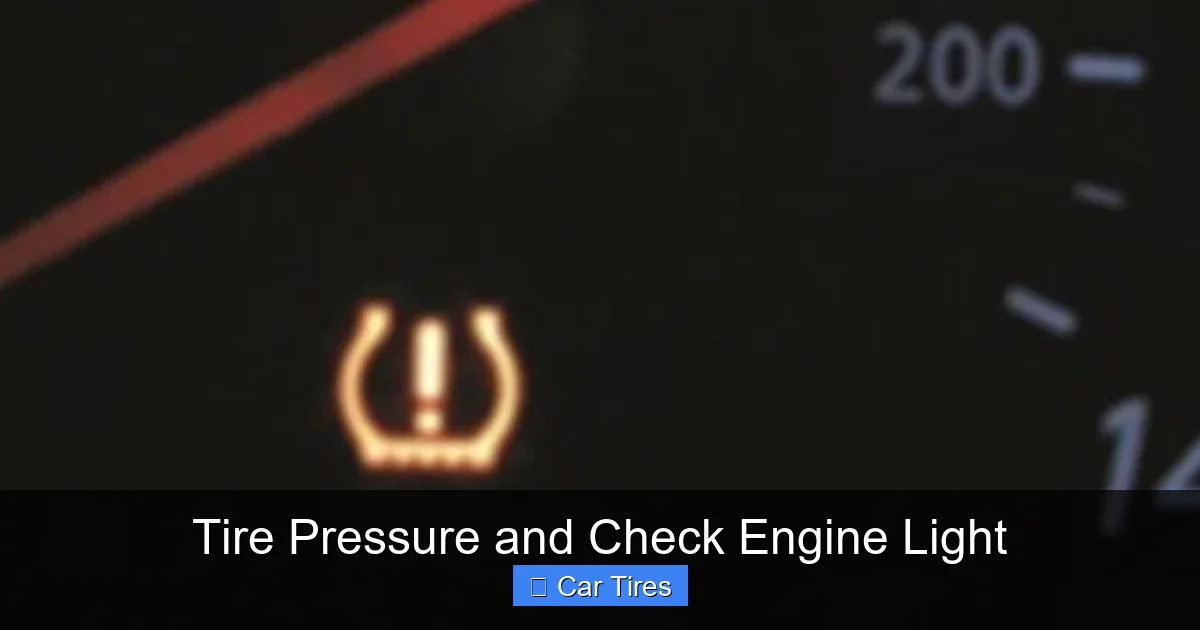
Low tire pressure can sometimes trigger your check engine light, especially if it affects your vehicle’s stability or emissions systems. Understanding the connection helps you respond quickly and avoid costly repairs. Stay informed, stay safe, and keep your car running smoothly.
In This Article
- 1 Key Takeaways
- 2 📑 Table of Contents
- 3 Understanding the Connection Between Tire Pressure and the Check Engine Light
- 4 How Tire Pressure Affects Your Vehicle’s Performance
- 5 Why the Check Engine Light Might Come On with Low Tire Pressure
- 6 Seasonal Changes and Tire Pressure: What You Need to Know
- 7 How to Diagnose and Fix the Issue
- 8 Preventive Maintenance Tips to Avoid Future Issues
- 9 When to See a Mechanic
- 10 Conclusion
- 11 Frequently Asked Questions
- 11.1 Can low tire pressure cause the check engine light to come on?
- 11.2 Why do both the tire pressure and check engine lights come on at the same time?
- 11.3 How often should I check my tire pressure?
- 11.4 Can I drive with the check engine light on if my tires are fine?
- 11.5 How do I reset the tire pressure monitoring system?
- 11.6 Is it safe to ignore the check engine light if the car seems fine?
Key Takeaways
- Low tire pressure can indirectly trigger the check engine light: While not a direct cause, underinflated tires can affect systems like traction control or emissions, prompting the light to illuminate.
- TPMS alerts are separate but related: Your tire pressure monitoring system (TPMS) has its own warning light, but issues with tire pressure can influence overall engine performance.
- Check both tire pressure and engine diagnostics: When the check engine light comes on, inspect tire pressure first—it’s a quick, free fix that could resolve the issue.
- Seasonal changes affect tire pressure: Cold weather causes air to contract, lowering tire pressure and potentially triggering warnings.
- Properly inflated tires improve fuel efficiency and safety: Maintaining correct pressure reduces wear, improves handling, and can prevent the check engine light from coming on unnecessarily.
- Use a reliable tire pressure gauge: Don’t rely solely on TPMS; manual checks ensure accuracy and help catch problems early.
- Visit a mechanic if the light stays on: If tire pressure is correct and the check engine light remains, have a professional scan for trouble codes.
📑 Table of Contents
- Understanding the Connection Between Tire Pressure and the Check Engine Light
- How Tire Pressure Affects Your Vehicle’s Performance
- Why the Check Engine Light Might Come On with Low Tire Pressure
- Seasonal Changes and Tire Pressure: What You Need to Know
- How to Diagnose and Fix the Issue
- Preventive Maintenance Tips to Avoid Future Issues
- When to See a Mechanic
- Conclusion
Understanding the Connection Between Tire Pressure and the Check Engine Light
You’re driving along, enjoying your morning commute, when suddenly—a yellow light flashes on your dashboard. It’s the check engine light. Your heart skips a beat. Is it serious? Should you pull over? And then you notice something else: the tire pressure warning light is also on. Now you’re really worried. Are these two issues connected?
The short answer is: sometimes. While the check engine light and tire pressure warning light are controlled by different systems, they can appear together—and for good reason. Low tire pressure doesn’t directly cause the check engine light to come on in most cases, but it can contribute to conditions that do. Understanding this relationship can save you time, money, and stress.
Modern vehicles are packed with sensors and computers that monitor everything from engine performance to tire inflation. When something goes off, these systems communicate with each other. For example, underinflated tires can increase rolling resistance, which may cause the engine to work harder. This extra load can affect emissions, fuel efficiency, and even stability control systems—all of which are closely watched by your car’s onboard diagnostics (OBD) system. If the computer detects anomalies, it may trigger the check engine light as a precaution.
So while your tire pressure isn’t directly telling the engine control unit (ECU) to turn on the light, the ripple effects of low pressure can create conditions that do. That’s why it’s smart to check your tires first when the check engine light appears—especially if the TPMS light is also on.
How Tire Pressure Affects Your Vehicle’s Performance
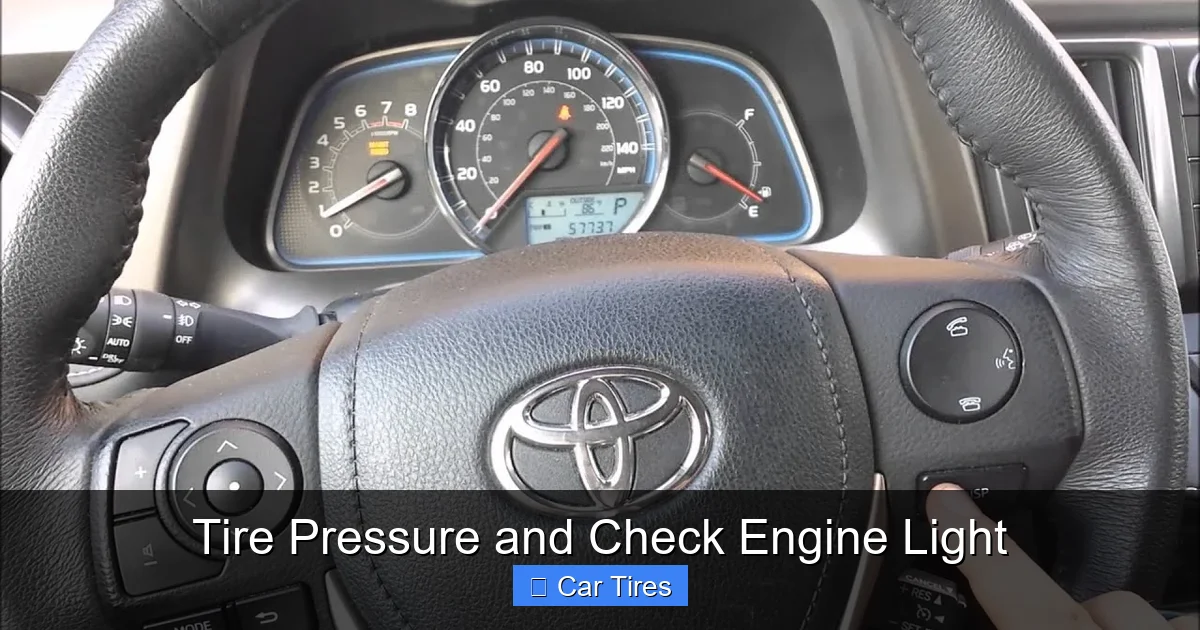
Visual guide about Tire Pressure and Check Engine Light
Image source: i.ytimg.com
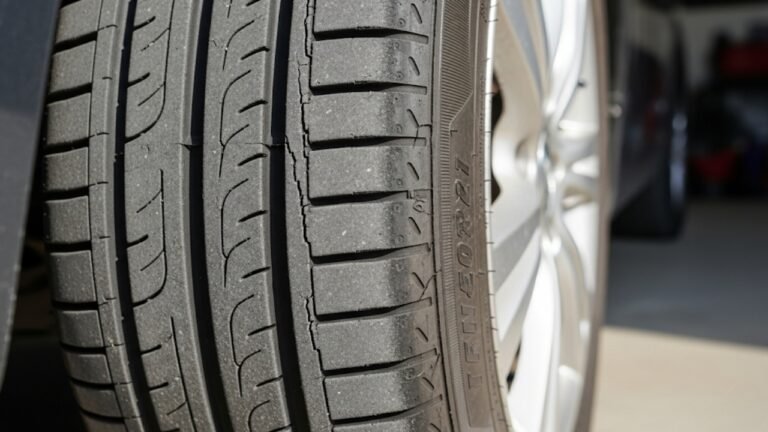
Tire pressure might seem like a small detail, but it has a big impact on how your car behaves. Think of your tires as the only part of your vehicle that touches the road. If they’re not properly inflated, everything from handling to fuel economy can suffer.
When tires are underinflated, they flex more than they should. This increased flexing generates heat, which can lead to tire damage or even blowouts—especially at high speeds. But that’s not all. Underinflated tires also create more rolling resistance. Imagine pushing a shopping cart with one wobbly wheel—it takes more effort to move it forward. The same principle applies to your car. The engine has to burn more fuel to overcome that resistance, which can trigger sensors that monitor fuel trim and emissions.
Additionally, low tire pressure affects your car’s stability and traction control systems. These systems rely on accurate wheel speed data from sensors at each tire. If one tire is significantly underinflated, it may rotate at a different speed than the others, confusing the system. The car might interpret this as a skid or loss of control, prompting the stability control to engage unnecessarily. In some cases, this can cause the ECU to log a fault code and illuminate the check engine light.
Let’s look at a real-world example. Sarah, a daily commuter, noticed her check engine light came on during a cold snap in January. She also saw the tire pressure light. She assumed it was a serious engine issue and took her car to a mechanic. After a diagnostic scan, the mechanic found no engine faults—but her front tires were down to 28 psi, well below the recommended 35 psi. Once she inflated them, both lights turned off. The cold weather had caused the air inside her tires to contract, lowering the pressure. The resulting imbalance confused her car’s systems, triggering the warnings.
This story highlights a key point: sometimes, the simplest fixes are the most effective. Checking tire pressure takes less than five minutes and costs nothing. Yet, it can prevent unnecessary worry and expensive diagnostics.
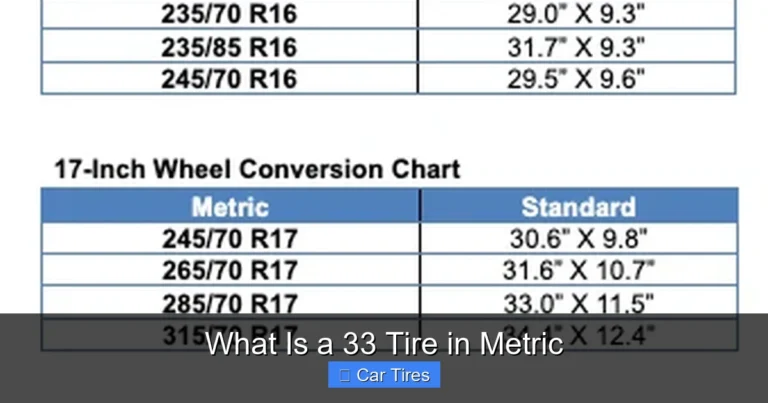
Why the Check Engine Light Might Come On with Low Tire Pressure
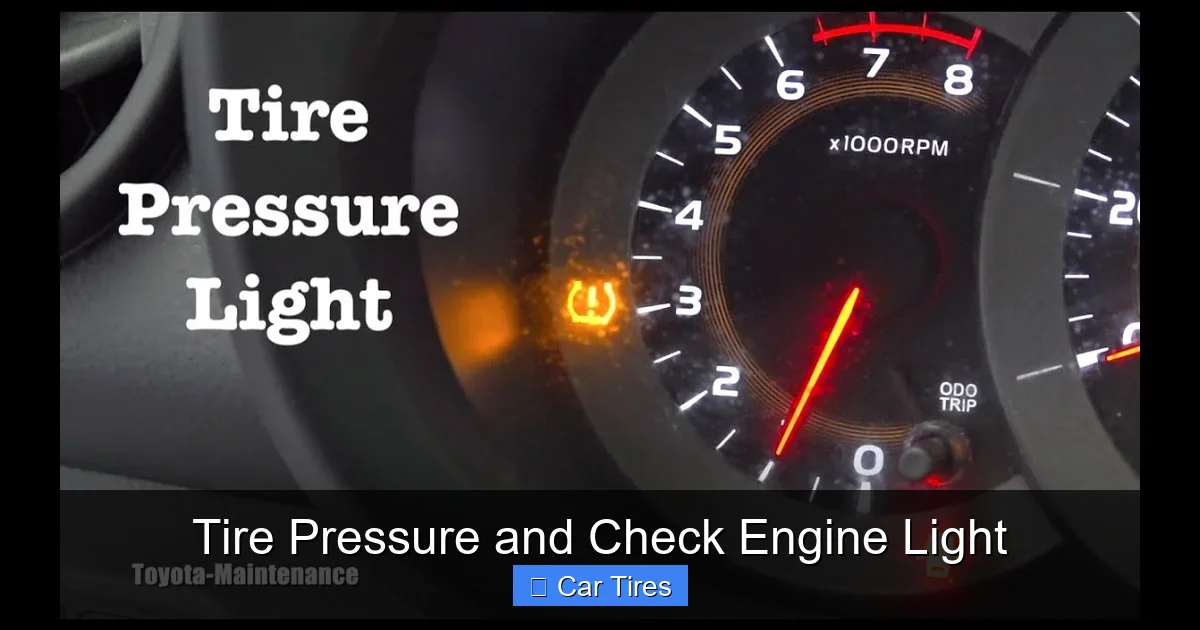
Visual guide about Tire Pressure and Check Engine Light
Image source: i.ytimg.com
Now that we know low tire pressure can affect engine performance, let’s dig deeper into why the check engine light might come on as a result.
The check engine light is part of your vehicle’s onboard diagnostics (OBD-II) system, which monitors emissions, engine performance, and other critical functions. When a sensor detects a problem—like a misfire, faulty oxygen sensor, or evaporative emissions leak—it sends a signal to the ECU, which then turns on the light.
But here’s the thing: the OBD system is designed to catch anything that could increase emissions or harm the engine. And underinflated tires can indirectly contribute to both.
For instance, increased rolling resistance from low tire pressure forces the engine to work harder. This can lead to higher combustion temperatures and altered air-fuel ratios. If the oxygen sensors detect these changes, they may interpret them as a fuel system issue. The ECU could then log a trouble code—such as P0171 (system too lean) or P0174 (system too lean, bank 2)—and turn on the check engine light.
Another scenario involves the vehicle’s stability control or traction control system. These systems use wheel speed sensors to detect differences in rotation. If one tire is underinflated, it may rotate faster than the others (because it has a smaller effective diameter). The system might think the car is slipping or skidding, even if it’s not. In response, it could send a signal to the ECU indicating a fault in the drivetrain or braking system. Depending on the vehicle, this could trigger the check engine light.
Some newer cars also have integrated systems that monitor tire pressure and engine performance together. For example, if the TPMS detects low pressure and the engine is running less efficiently, the car’s computer might decide to err on the side of caution and illuminate the check engine light to prompt the driver to take action.
It’s also worth noting that low tire pressure can affect the accuracy of other sensors. The mass airflow (MAF) sensor, for example, measures how much air enters the engine. If the engine is working harder due to increased resistance, the MAF sensor might report higher airflow than expected. This discrepancy could be flagged as a potential issue, even if the sensor itself is fine.
In short, while low tire pressure isn’t a direct cause of the check engine light, it can create conditions that mimic or contribute to real engine problems. That’s why it’s always a good idea to check your tires first when the light comes on.
Seasonal Changes and Tire Pressure: What You Need to Know
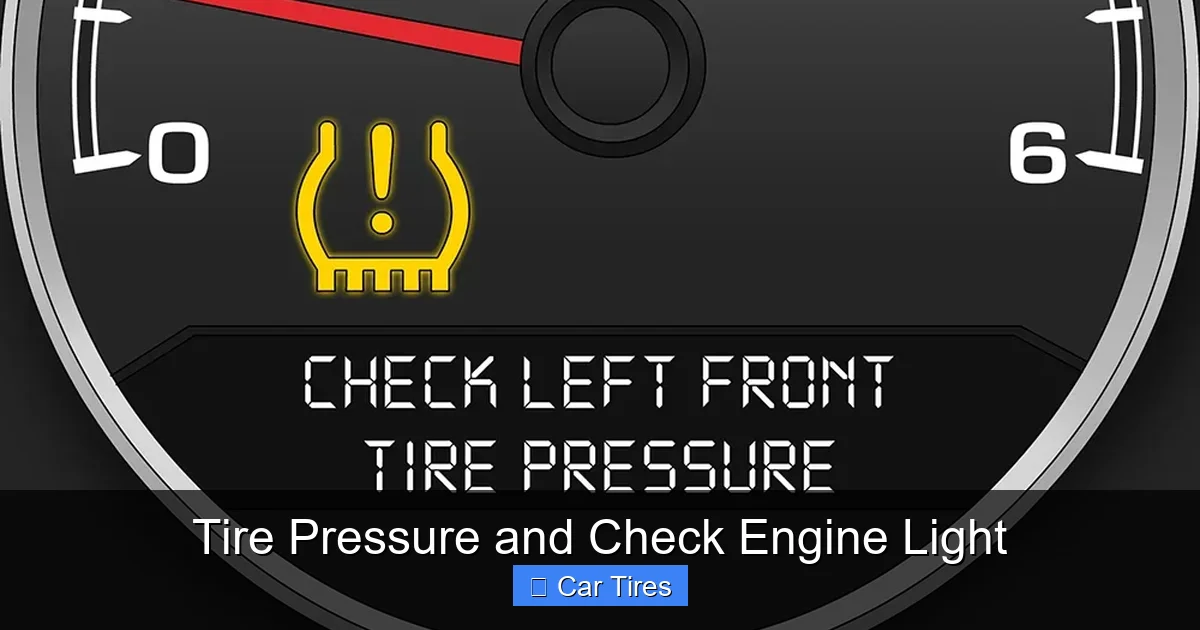
Visual guide about Tire Pressure and Check Engine Light
Image source: res.cloudinary.com
If you’ve ever noticed your tire pressure light come on during winter, you’re not alone. Temperature changes have a significant effect on tire pressure—and this can indirectly influence the check engine light.
Air contracts when it gets cold and expands when it heats up. For every 10°F drop in temperature, tire pressure decreases by about 1 psi. So if you’re driving in 70°F weather with properly inflated tires, and then the temperature drops to 30°F overnight, your tire pressure could drop by 4 psi or more. That’s enough to trigger the TPMS warning—and possibly the check engine light.
This is especially common in regions with harsh winters. Drivers often find their tire pressure light comes on in the morning, only to disappear as the car warms up and the tires heat from driving. But even a temporary drop in pressure can affect engine performance and sensor readings.
Let’s say you start your car on a freezing morning. The tires are cold and underinflated. The engine has to work harder to move the car, increasing fuel consumption and emissions. The oxygen sensors detect these changes and may report a lean condition. Meanwhile, the wheel speed sensors notice the uneven rotation and alert the stability control system. All these signals can converge in the ECU, which may decide to turn on the check engine light as a precaution.
The reverse can happen in summer. High temperatures can cause tire pressure to rise, especially after long drives. Overinflated tires have less contact with the road, which can affect handling and braking. While this is less likely to trigger the check engine light, it can still impact vehicle dynamics and sensor accuracy.
To avoid these issues, it’s important to check your tire pressure regularly—especially when seasons change. Many experts recommend checking tire pressure at least once a month and always before long trips. Use a reliable digital tire pressure gauge for the most accurate reading. And remember: always check pressure when the tires are cold (i.e., the car hasn’t been driven for at least three hours). This ensures you’re measuring the true pressure, not the inflated pressure caused by heat from driving.
Some drivers also invest in a portable air compressor or use free air pumps at gas stations. Keeping a gauge in your glove compartment makes it easy to check on the go. And if you live in an area with extreme temperatures, consider using nitrogen in your tires. Nitrogen molecules are larger than oxygen molecules, so they’re less likely to escape through the tire wall. This can help maintain more consistent pressure over time.
How to Diagnose and Fix the Issue
So your check engine light is on—and maybe the tire pressure light too. What should you do?
The first step is simple: check your tire pressure. Grab a tire pressure gauge and measure the pressure in all four tires, including the spare if you have one. Compare the readings to the recommended pressure listed on the sticker inside your driver’s door jamb or in your owner’s manual. Don’t rely on the number printed on the tire sidewall—that’s the maximum pressure, not the recommended pressure.
If any tire is low, inflate it to the correct level. You can usually find free air pumps at gas stations, or you can buy a portable compressor for home use. After inflating, recheck the pressure to make sure it’s accurate.
Once your tires are properly inflated, drive the car for a few minutes to allow the TPMS to reset. On many vehicles, the tire pressure light will turn off automatically. If it doesn’t, you may need to reset the system manually. Consult your owner’s manual for instructions—some cars require you to press a reset button, while others reset after driving at a certain speed for a set distance.
Now, what about the check engine light? If it’s still on after correcting the tire pressure, it’s time to dig deeper. You can use an OBD-II scanner to read the trouble codes stored in your car’s computer. These codes will tell you exactly what the system detected—like a misfire, oxygen sensor issue, or evaporative emissions leak.
Many auto parts stores offer free code reading, or you can buy an inexpensive scanner online. Once you have the code, you can research what it means and decide whether it’s something you can fix yourself or if you need a mechanic.
For example, if the code is P0457 (evaporative emissions system leak), it could be a loose gas cap. Tightening or replacing the cap might solve the problem. But if the code is P0302 (cylinder 2 misfire), it could indicate a faulty spark plug or ignition coil—something that requires professional attention.
The key is to address the issue promptly. Ignoring the check engine light can lead to decreased fuel efficiency, increased emissions, and even engine damage over time.
Preventive Maintenance Tips to Avoid Future Issues
The best way to deal with the check engine light and tire pressure warnings is to prevent them from coming on in the first place. Here are some practical tips to keep your car running smoothly:
Check tire pressure monthly: Make it a habit to check your tire pressure at least once a month, and always before long trips. Use a reliable gauge and check when the tires are cold.
Rotate your tires regularly: Most manufacturers recommend rotating tires every 5,000 to 7,500 miles. This helps ensure even wear and extends tire life.
Inspect tires for damage: Look for cracks, bulges, punctures, or uneven wear. These can indicate a problem that affects pressure and performance.
Keep an eye on the weather: Be extra vigilant about tire pressure during seasonal changes, especially in winter.
Use a tire pressure monitoring system (TPMS): If your car doesn’t have one, consider upgrading. TPMS alerts you to low pressure before it becomes a serious issue.
Maintain your vehicle’s sensors: Keep your oxygen sensors, MAF sensor, and other components clean and in good working order. Dirty sensors can give false readings and trigger the check engine light.
Don’t ignore warning lights: Even if the car seems to be running fine, warning lights are your car’s way of saying something’s wrong. Address them promptly to avoid bigger problems.
By following these tips, you can reduce the chances of seeing the check engine light—and keep your tires in top shape.
When to See a Mechanic
While many tire pressure and check engine light issues can be resolved at home, some problems require professional help. Here’s when you should visit a mechanic:
– The check engine light is flashing (this indicates a severe issue like a misfire that can damage the catalytic converter).
– The light stays on after correcting tire pressure and clearing codes.
– You notice symptoms like rough idling, loss of power, or poor fuel economy.
– You’re unsure how to interpret the trouble codes or fix the issue.
A qualified mechanic can perform a thorough diagnostic, repair any faults, and ensure your car is safe to drive.
Conclusion
The relationship between tire pressure and the check engine light is more connected than you might think. While low tire pressure doesn’t directly cause the check engine light to come on, it can create conditions that trigger it. From increased engine load to sensor confusion, underinflated tires can set off a chain reaction that affects your car’s performance and emissions systems.
The good news? Many of these issues are easy to prevent. Regular tire pressure checks, seasonal maintenance, and prompt attention to warning lights can keep your car running smoothly and safely. And when in doubt, don’t hesitate to consult a professional.
Remember: your car’s warning lights are there to help you. By understanding what they mean—and how different systems interact—you can take control of your vehicle’s health and enjoy peace of mind on the road.
Frequently Asked Questions
Can low tire pressure cause the check engine light to come on?
Low tire pressure doesn’t directly trigger the check engine light, but it can indirectly cause it by affecting engine performance, emissions, or stability control systems. Always check tire pressure first when the light comes on.
Why do both the tire pressure and check engine lights come on at the same time?
These lights can appear together because low tire pressure can influence systems monitored by the engine control unit, such as fuel efficiency or traction control. The car’s computer may respond by illuminating the check engine light as a precaution.
How often should I check my tire pressure?
Check your tire pressure at least once a month and always before long trips. Also check it when seasons change, as temperature affects air pressure.
Can I drive with the check engine light on if my tires are fine?
It depends on the issue. If the light is steady and the car runs normally, you may be able to drive short distances. But if it’s flashing or you notice performance problems, stop driving and see a mechanic.
How do I reset the tire pressure monitoring system?
After inflating tires to the correct pressure, drive the car for 10–15 minutes. On many vehicles, the TPMS resets automatically. If not, consult your owner’s manual for a manual reset procedure.
Is it safe to ignore the check engine light if the car seems fine?
No. Even if the car runs normally, the light indicates a problem that could worsen over time. Ignoring it may lead to reduced fuel efficiency, higher emissions, or costly repairs.